
- Kingdom
- Animalia
- Phylum
- Chordata
- Class
- Mammalia
- Order
- Artiodactyla
- Family
- Bovidae
- Genus
- Capra
- Species
- Capra hircus
Overview
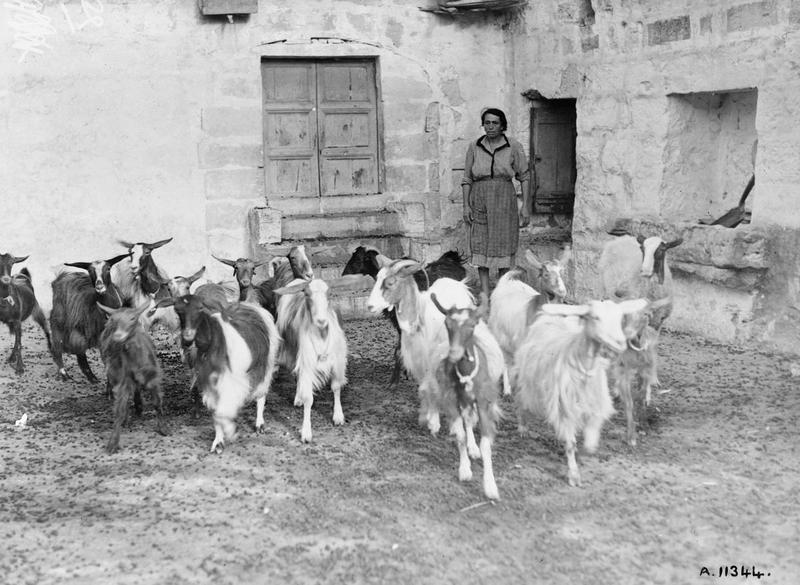
The Maltese goat (Mogħża Maltija) is a traditional dairy goat population native to the Maltese Islands. For much of Malta's history, goats were an important source of milk and formed part of everyday agricultural life in Malta and Gozo. Historical descriptions record considerable variation in coat colour, hair length, ear characteristics and horn development among goats traditionally kept in the islands.
The indigenous population has declined substantially as a result of changes in dairy farming, measures introduced to control disease, and crossbreeding with imported goats. In 2024, Breeds of Origin Conservancy estimated that fewer than 1,000 native Maltese goats remained and called for the population to be officially recognised as critically endangered and classified as a local breed at risk.
The traditional population is historically associated with, but should be distinguished from the Italian breed known as Capra Maltese, which has undergone selective breeding. Preliminary genomic findings presented in May 2026 highlighted that the surviving native Maltese goats possess distinctive genetic characteristics.
Origin
Archaeological evidence indicates that domestic goats were present in the Maltese Islands during prehistoric times, although there is insufficient evidence to establish a direct genetic connection between these early animals and the goats found in Malta today.
Historical accounts have suggested possible links between Maltese goats and goat populations from the eastern Mediterranean, Anatolia, the Middle East and other Mediterranean regions. Such accounts reflect centuries of livestock movement and trade across the Mediterranean. The ancestry of the indigenous Maltese population, however, has yet to be fully established.
In May 2026, Ivica Medugorac of LMU Munich presented preliminary results from a genetic study undertaken in collaboration with Breeds of Origin Conservancy. The research compared goats from Malta with populations from southern Europe, the Balkans, Greece, North Africa and the Near East.
History
Nineteenth-century accounts describe the role of goats in Maltese agriculture and dairy production. In 1838, George Percy Badger wrote about Maltese goats, including their milk-producing capabilities.
During the early twentieth century, goat keeping attracted increasing attention from public-health authorities investigating Mediterranean fever, later identified as brucellosis. In June 1905, Maltese physician Themistocles Zammit demonstrated that goats could be naturally infected with the disease. Subsequent investigations established that infected goats could transmit the infection to humans through their milk.
Attempts to control the disease met with opposition from some goatherds. Protests followed attempts to test animals in 1906, while regulations introduced in 1909 required the registration and regular examination of goats and sheep, restricted the sale of milk and provided for infected animals to be destroyed.
During the 1930s, the authorities increasingly promoted pasteurisation to reduce the risk of brucellosis. Pasteurised milk became commercially available in Malta in 1936. The introduction of designated milking facilities also contributed to the gradual decline of the traditional practice of milking goats in the streets of towns and villages.
The Second World War had a considerable effect on livestock keeping in Malta. During the siege of Malta, shortages of imported fodder and food supplies prompted restrictions intended to preserve grain for human consumption. Goats were slaughtered for meat during the severe shortages of 1942. The decline in goat numbers, together with the increased use of preserved milk, coincided with a reduction in reported cases of brucellosis.
Goat breeding recovered after the war, but the incidence of brucellosis also increased. Reported human cases reached 2,410 in 1946, prompting further efforts to improve milk safety and control infection.
In 1956, the Maltese government introduced a scheme under which livestock owners could exchange twelve diseased goats for one imported dairy cow. The scheme contributed to the gradual replacement of goats by cattle in commercial milk production. By the early twenty-first century, traditional Maltese goat herds had become increasingly uncommon.
Concerns have since been expressed about the effects of milk-sale restrictions, centralised dairy processing and the exclusion of goat producers from certain agricultural support schemes. These factors have been identified as possible obstacles to the continued viability of goat keeping in Malta.
Physical characteristics
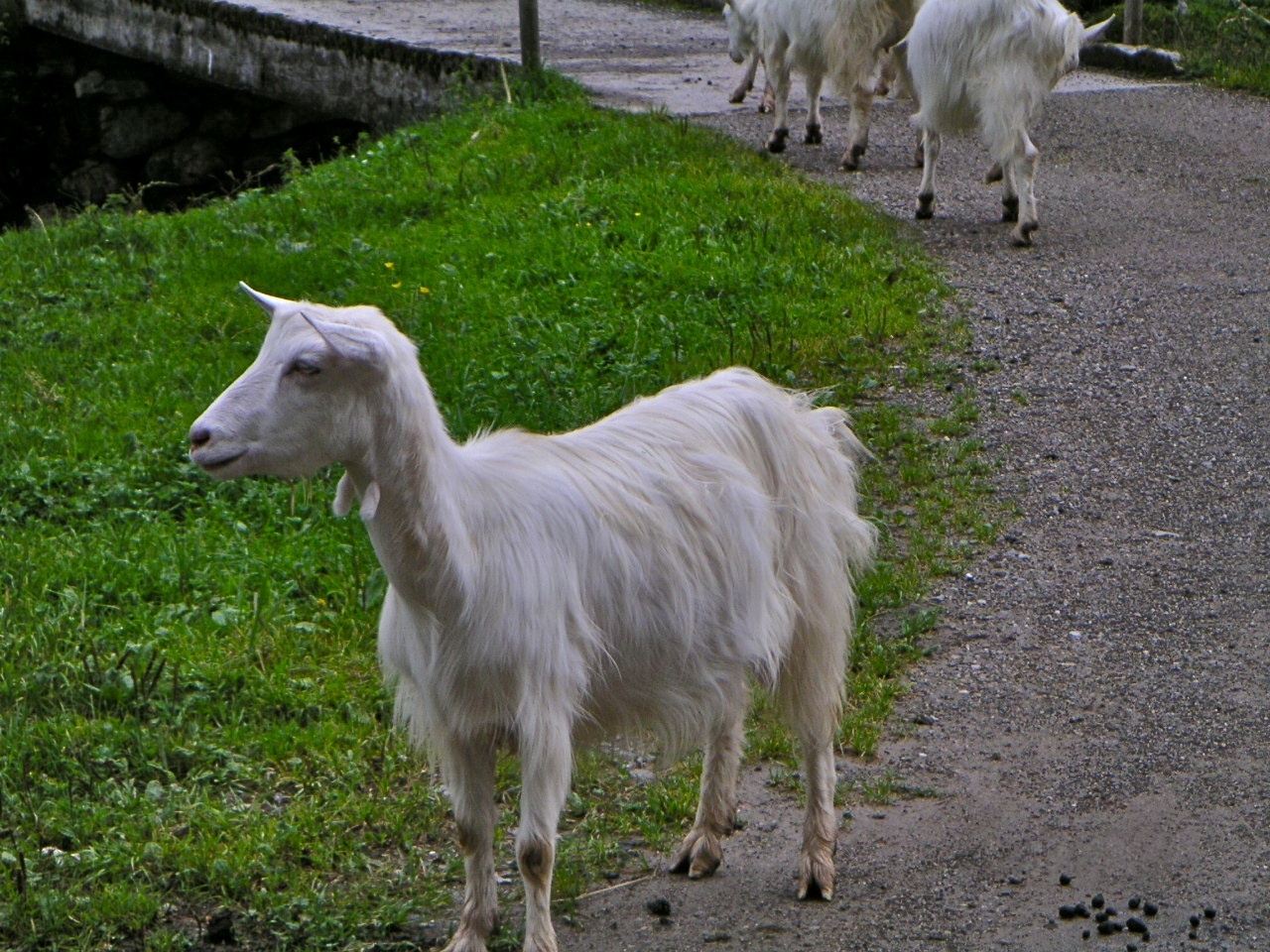
Historical descriptions of the traditional Maltese goat population show that the animals varied considerably in appearance. Differences were recorded in coat colour, hair length, ear characteristics and horn presence.
Recorded coat colours include white, black, brown, red, reddish-brown and grey, with animals displaying either a single solid colour or combinations of colours. Both short-haired and long-haired goats have been documented.
Historical accounts also mention differences in size and position of the ears. These could be erect, held horizontally, partly drooping and fully pendulous. Goats with horns and naturally hornless animals were both recorded.
Historical links to associated or similarly named goat populations
Goat populations bearing the Maltese name have also been recorded in Sicily, Sardinia, southern Italy, Turkey and North Africa. Historical records refer to goats being exported from Malta to other parts of the Mediterranean.
In Italy, the Capra Maltese underwent formal breed selection and standardisation, with its herdbook established in 1973. The Italian breed standard describes a predominantly white dairy goat with a black coloured head and long, drooping ears, the tips of which generally turn outwards.
Historical reference material of goats historically kept in the Maltese Islands, however, indicates a wider range of coat colours, ear types and other physical characteristics. In a 2024 historical review, Darryl Grech argued that this diversity should be taken into account when identifying and conserving the remaining indigenous Maltese population.
Use
The Maltese goat was traditionally kept primarily for milk production and provided fresh milk to households across Malta and Gozo. Goatherds commonly brought their animals into towns and villages, where they milked the goats outside customers' homes.
Goat milk was also used in the preparation of traditional Maltese dairy products, including cheeselets (ġbejniet), irkotta and other cheeses. These products were not made exclusively from goat milk, as other types of milk were used.
During the twentieth century, the development of pasteurised milk production and the increasing use of dairy cattle reduced the importance of goats as a source of drinking milk.
Population
Historical records show considerable variation in the number of goats kept in the Maltese Islands. In 1907, the recorded population stood at 17,110, falling to 7,619 by 1910. By 1939, the number had risen to 41,758. In 1960, a total of 34,688 goats were recorded.
Goat numbers subsequently fell well below those recorded in the mid-twentieth century. Malta's 2020 Census of Agriculture recorded 5,764 goats, of which 2,796 were breeding females. According to livestock statistics published by the National Statistics Office, the population stood at 6,671 in 2024, comprising 4,967 goats in Malta and 1,704 goats in Gozo. These figures cover the overall goat population and do not distinguish indigenous Maltese goats from other breeds or crossbred animals.
In August 2024, Breeds of Origin Conservancy estimated that fewer than 1,000 indigenous Maltese goats remained in the islands. The Conservancy has documented the remaining population through conservation records.
Conservation
In 2023, Breeds of Origin Conservancy collaborated with Tulliera Farm in Delimara on the importation of goats of the Capra Maltese breed from Sicily, as part of a project intended to support research into the conservation of the indigenous Maltese goat.
In August 2024, Breeds of Origin Conservancy and the Maltese goat and sheep co-operative society (Koperattiva Maltija tal-Mogħoż u n-Nagħaġ Limitata) submitted a joint request for official recognition of the indigenous Maltese goat as a critically endangered traditional population and a local breed at risk. The submission included a historical review by Darryl Grech examining the population's origins, physical characteristics and decline.
In September 2024, the Conservancy launched 'Inħarsu l-Wirt Nazzjonali', a campaign concerning Malta's indigenous livestock and agricultural heritage. It included a traditional narrative ballad titled 'Fejn Għeb ir-Redus?' about the decline of the native Maltese goat, performed by folk singer Żeppi Spagnol. Later that month, the Conservancy and the co-operative organised a livestock show featuring indigenous Maltese goats and sheep in Żejtun.
In June 2025, an audiovisual exhibition on the Maltese goat and its place in Malta's agricultural history was held at Verdala Palace during the Imnarja festivities, with the involvement of Breeds of Origin Conservancy and public institutions. The exhibition was inaugurated by Myriam Spiteri Debono, President of Malta.
In November 2025, the Maltese government announced that public property at Delimara, Marsaxlokk, had been leased to Breeds of Origin Conservancy. The site was intended for research and conservation involving indigenous animals and traditional husbandry practices.
At Malta AgriFair in April 2026, the Conservancy presented an exhibition featuring Maltese goats and artwork by Twanny Darmanin depicting variations in their physical appearance. The exhibition also included Maltese goat milk tasting and children's drawing activities.
In May 2026, Ivica Medugorac of Ludwig Maximilian University of Munich presented preliminary genomic findings from research conducted with Breeds of Origin Conservancy at an event intended to share results with breeders and other stakeholders.
Cultural significance
Historical photographs and accounts of rural life in the Maltese Islands depict goats being herded and milked in towns and villages. Photographs from early twentieth-century also document the delivery of fresh goat milk to households.
The goat's presence in these records reflects its place in Malta's traditional agriculture and domestic life.
Gallery
Ajouter des photos
Partagez vos photos de cette espèce (jusqu'à 20 à la fois) : elles sont vérifiées automatiquement, puis publiées.
Autres races de l'espèce (197)
Espèce : Chèvre
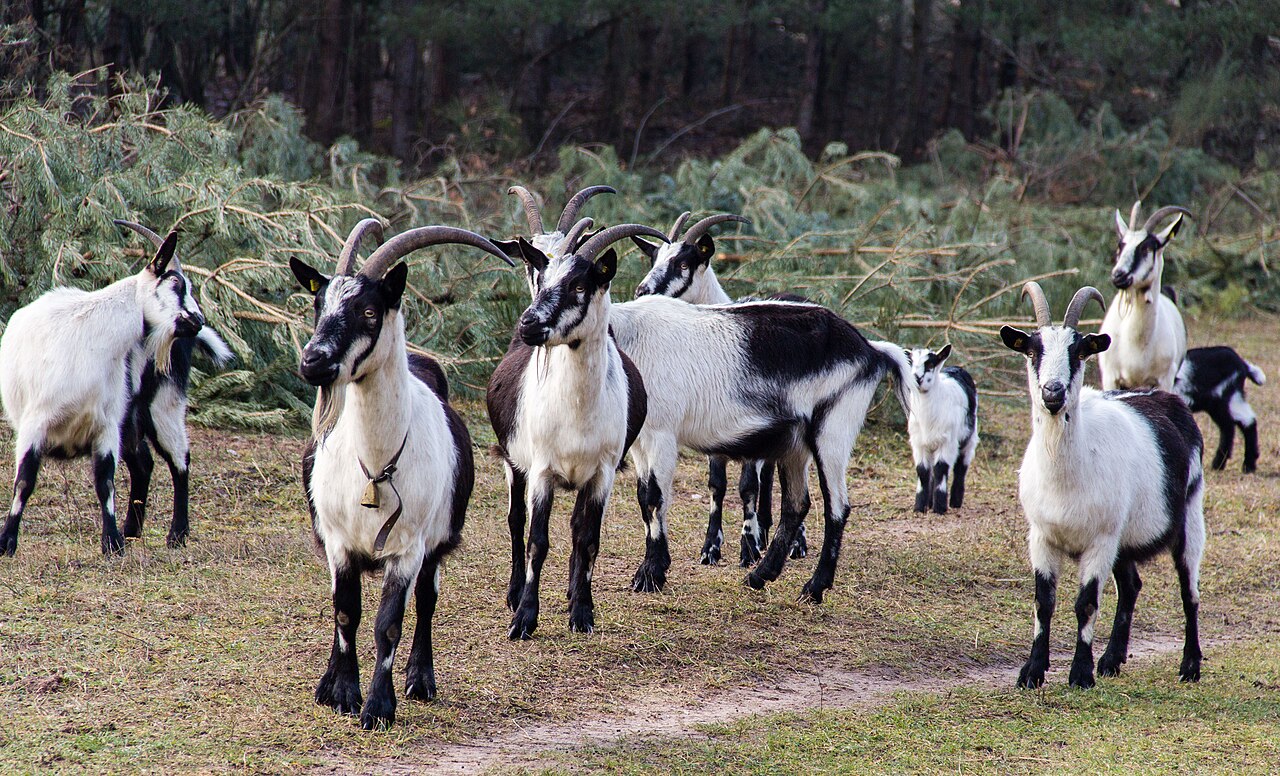
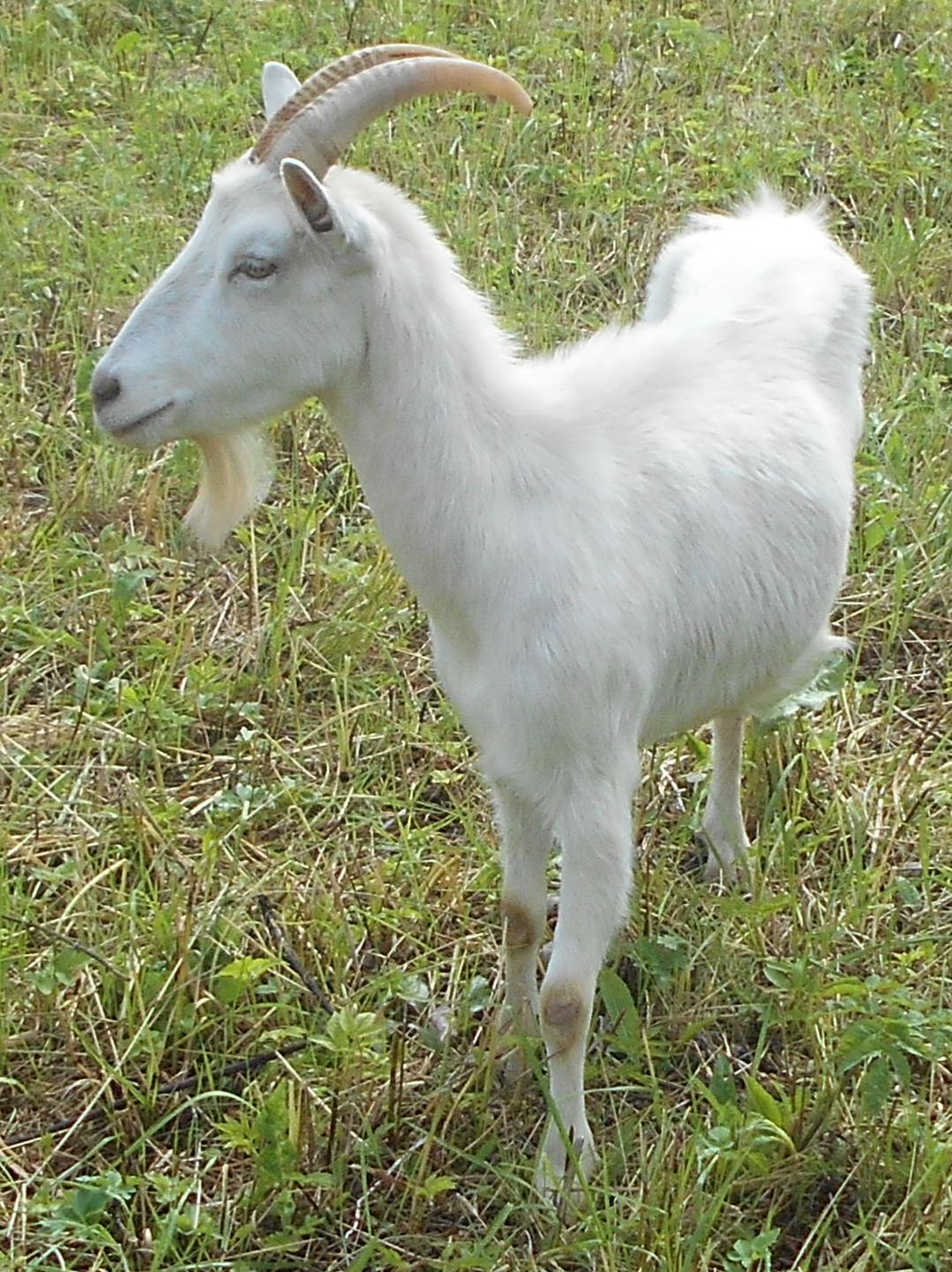
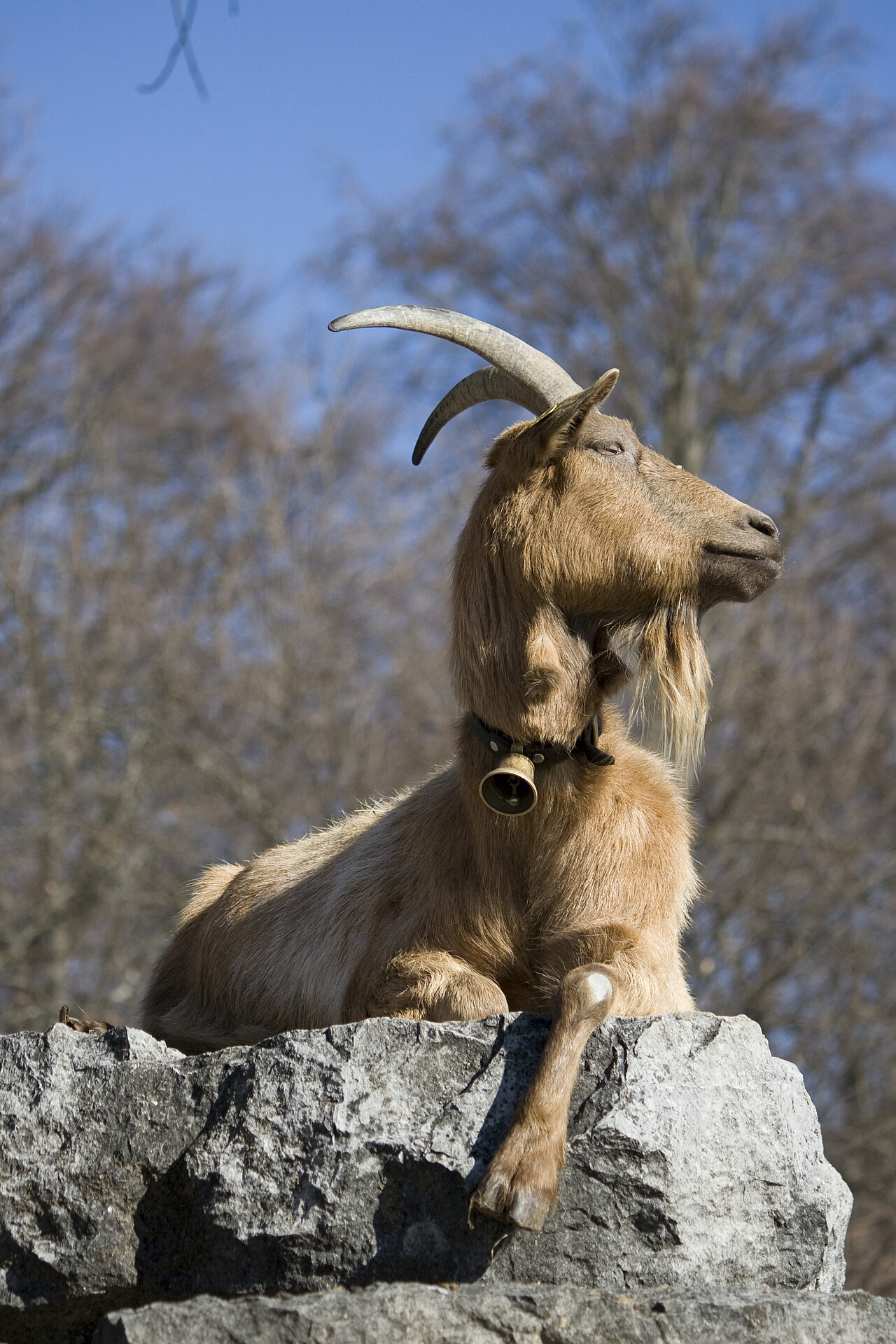
Voir les 185 autres races
- Chèvre de Damas
- Chèvre de Lorraine
- Chèvre de Thuringe
- Chèvre des fossés
- Chèvre du Simplon
- Chèvre du Toggenbourg
- Chèvre galicienne
- Chèvre grisonne à raies
- Chèvre naine
- Chèvre naine nigériane
- Chèvre à col noir du Valais
- Chèvres naines d'Afrique de l'Ouest
- Corse
- Girgentana
- Golden Guernsey
- Kiko
- Massif central
- Palmera
- Poitevine
- Provençale
- Pyrénées
- Rove
- Saanen
- Spanish
- Tennessee
- Weiße Deutsche Edelziege
- Ahuntz azpigorri
- Alpina Comune
- Altai Mountain goat
- American Lamancha
- Bagot
- Balkan goat
- Barbari
- Beetal
- Bionda dell'Adamello
- Black Bengal goat
- British Primitive goat
- Chamois Coloured goat
- Chamoisée valdôtaine
- Chèvre du Massif de l'Erz
- Chèvre du Sahel
- Chèvre grise des montagnes
- Chèvre irlandaise
- Chèvre islandaise
- Chèvre landrace hollandaise
- Chèvre myotonique
- Dreznica
- Finnish Landrace goat
- Frisa Valtellinese
- Garfagnina
- Jamunapari
- Kamori
- Kinder
- Majorera
- Malabari
- Malagueña
- Messinese
- Murciano-Granadina
- Nigora
- Oberhasli
- Orobica
- Passeirer Gebirgsziege
- Payoya
- Pygmy
- San Clemente Island goat
- Savanna goat
- Sirohi
- Somali goat
- Tauernscheck
- Tokara
- Verata
- Florida
- Kalahari Red
- Pezzata Mòchena
- Pygora goat
- Sojat
- Yemen Mountain goat
- Blanca andaluza
- Blobe Ziege
- Cabra blanca celtibérica
- Chèvre de Juan Fernández
- Chèvre rousse de Maradi
- Copper Neck Goat
- Dutch Pied
- Flemish goat
- Jämtget
- Lapp Goat
- Malashevska goat
- Pinzgau goat
- Vierhornziege
- Chèvre cou-clair du Berry
- Chèvre de Savoie
- Sundgau
- Belgische Hertegeit
- Chèvre du Don
- Chèvre du Drâa
- Chèvre fermière danoise
- Orenbourg
- Rouge méditerranéenne
- Argentata dell'Etna
- Asmari
- Aspromonte
- Australian Cashmere goat
- Bianca Monticellana
- Bormina
- British Alpine
- Canindé
- Capestrina
- Ciavenasca
- Cilentana Fulva
- Cilentana Grigia
- Cilentana Nera
- Ciociara Grigia
- Di L'Aquila
- Dutch Toggenburg
- Garganica
- Granadina goat
- Grigia Molisana
- Istriana
- Jonica
- Lariana
- Murciana goat
- Napoletana
- Nera Verzasca
- Nicastrese
- Repartida
- Roccaverano
- Rustica di Calabria
- Sable Saanen
- Sarda Primitiva
- Sarda goat
- Skopelos
- Zhongwei
- Chamba
- Charnequeira
- Chengde Down
- Chengdu Brown
- Chigu
- Chèvre des Carpates
- Dera Din Panah
- Di Teramo
- Duan
- Hejazi
- Hexi Cashmere
- Huai
- Hungarian Improved
- Ispir
- Jining Grey
- Kaghani
- Laoshan
- Moxotó
- Philippine goat
- Surati
- Swedish Landrace goat
- Uzbek Black goat
- Valfortorina
- White Shorthaired
- Xinjiang
- Zalawadi
- Ziwuling noire
- Kirdimi
- Anatolian Black Goat
- Bulgarian White Dairy Goat
- Capra dell'Aspromonte
- Capra hircus kelleri
- Dutch white goat
- East African Dwarf
- Grigia Lucana
- Göingeget
- Hyrcus
- Istarska koza
- Kanni Adu
- Konkan Kanyal
- Kystgeit
- Liaoning Cashmere Goat
- Mongolian Cashmere Goat
- North-Neuquén goat
- Norwegian milk goat
- Oberhasli naine
- Osmanabadi goat
- Pitiüsa
- Shiba goat
- Slovenian Alpine goat
- Slovenian Saanen goat
- Tibetan goat
Sources et crédits
Informations provenant de plusieurs sources vérifiées. Dernière mise à jour : .
Crédits photos (8)
- Photo : Russell, J E (Lt) · Domaine public · via Wikimedia Commons
- Photo : Deborah Desmond-Hurst from Southsea, England · CC BY 2.0 · via Wikimedia Commons
- Photo : Charles Frederick de Brocktorff · Domaine public · via Wikimedia Commons
- Photo : Grecd046 · CC BY-SA 4.0 · via Wikimedia Commons
- Photo : Grecd046 · CC BY-SA 4.0 · via Wikimedia Commons
- Photo : Grecd046 · CC BY-SA 4.0 · via Wikimedia Commons
- Photo : Grecd046 · CC BY-SA 4.0 · via Wikimedia Commons
- Photo : Grecd046 · CC BY-SA 4.0 · via Wikimedia Commons
Mentions de licence
Texte disponible sous licence CC BY-SA 4.0. Il adapte notamment Wikipedia (CC BY-SA): Maltese goat (Wikipédia, auteurs dans l’historique de l’article).
- Taxonomie : GBIF Backbone Taxonomy (CC BY 4.0)
Détail : Sources et licences.
Discussion (0)
Aucun message pour l’instant. Lancez la discussion sur cette fiche (sources, précisions, débats éditoriaux).
Connectez-vous pour participer à la discussion.