
Oryctolagus cuniculus domesticus
Oryctolagus cuniculus domesticus
- Kingdom
- Animalia
- Phylum
- Chordata
- Class
- Mammalia
- Order
- Lagomorpha
- Family
- Leporidae
- Genus
- Oryctolagus
- Species
- Oryctolagus cuniculus domesticus
Overview
The Silver Marten is a breed of domestic rabbit. Although they are raised to compete in pet shows and agricultural shows, they are also regarded as "loveable and charming" pets.
Description
The Silver Marten is a medium-sized rabbit that weighs between 6.5 and 8.5 lbs. when fully grown. They are hardy and have fur that is described as soft "with a beautiful polished look to it". While more timid than some larger breeds of rabbit, they are still considered an excellent pet. The Silver Marten is playful, enjoys romping around, and likes playthings it can toss around its cage.
History
Early breeders of Chinchilla rabbits, a breed listed as critical on the American Livestock Breeds Conservancy Conservation Priority List, attempted to improve Chinchilla rabbits' color and pattern by introducing black and tan bloodlines. These genes later manifested as black "sports" described as "strange little black rabbits" as well as similar silver rabbits among standard Chinchilla rabbit litters. These oddities bred true and were named as a separate breed, the "Silver Marten", in 1924.
In 1927, a working standard for black and chocolate varieties was established by the American Rabbit Breeders' Association and the first Silver Marten Club was chartered. A blue variety of this breed was accepted in 1933. The sable variety, the last to be approved, was accepted in 1993.
Varieties
- Black Silver Marten is the most popular variety of the breed. Specimens should be jet black color, its fur being black as far down the hair as possible, with contrasting silver markings that are shape and defined. A Black Silver Marten should have dark brown eyes and an underside of dark slate blue.
- Blue Silver Marten is the second most popular breed. Their color should be an even dark "blue" everywhere. Their eyes should be bluish gray. Sharp markings in the blue variety are often slower to fully develop than in the Blue Silver Marten.
- Chocolate Silver Martens should be a rich, dark brown color "like semi-sweet rather than milk chocolate candy" and brown eyes. Their bellies are the same color but lighter, with pigment only at the tips of the fur. Breeders say that their fur has a tendency to fade over time, especially if given much sunlight.
- Sable Silver Martens, the last variety of the breed to be approved, are the least common. They should be medium sepia brown "on the saddle, shading evenly down the sides to a lighter color". The rabbit's ears, face, tail, outside of the feet, and lower legs should be very dark sepia brown, nearly black, that provides a distinct contrast to the color of the body. Correctly colored sables must be a silvery color at birth, but as they age they take on a blotchy appearance. The coat typically darkens throughout the rabbit's lifetime, each successive molt reducing the contrast with the points.
Silver Marten are a compatible breed for introducing color into Dwarf Rabbit bloodlines.
Ajouter des photos
Partagez vos photos de cette espèce (jusqu'à 20 à la fois) : elles sont vérifiées automatiquement, puis publiées.
Autres races de l'espèce (131)
Espèce : Lapin domestique
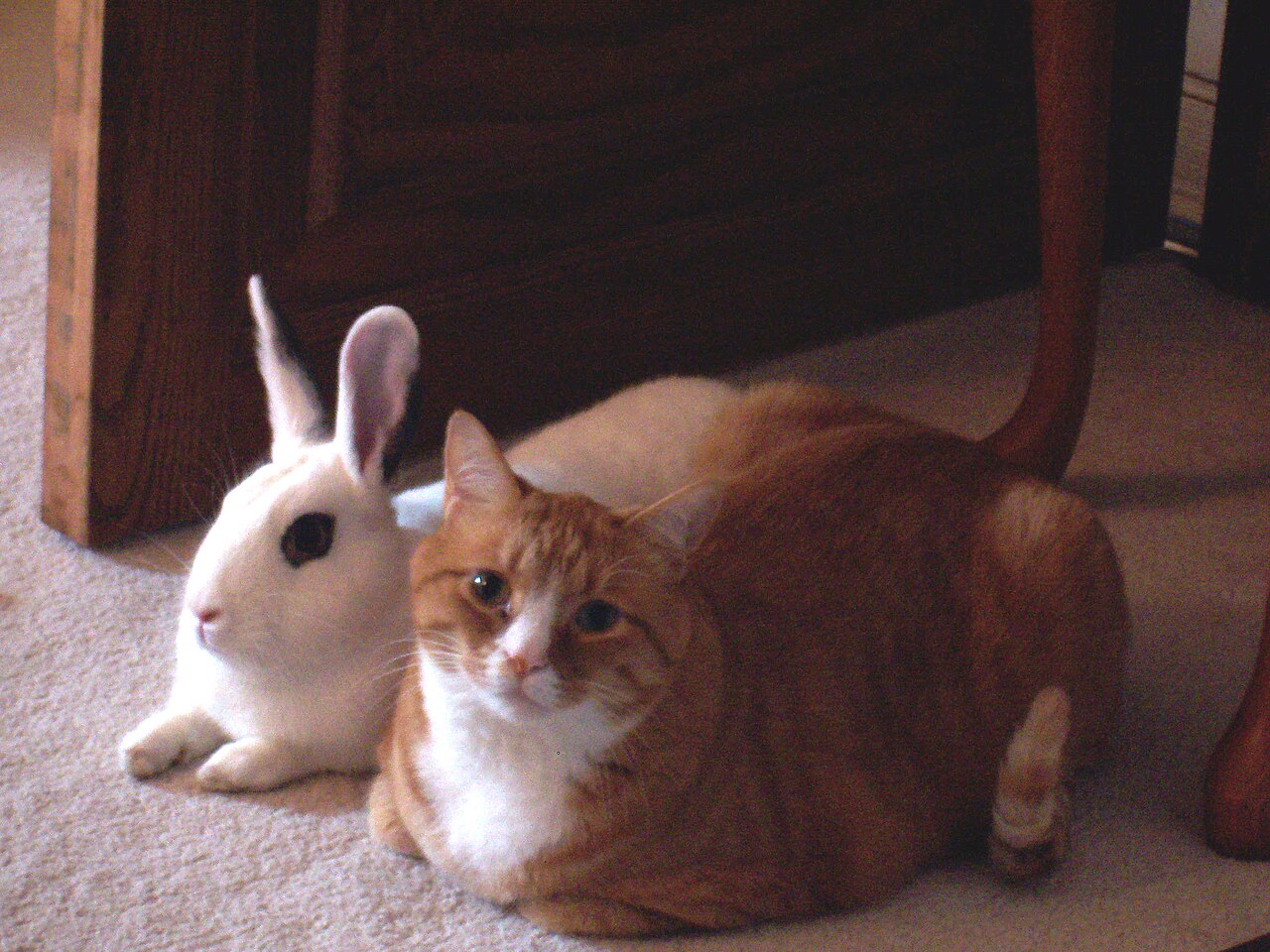
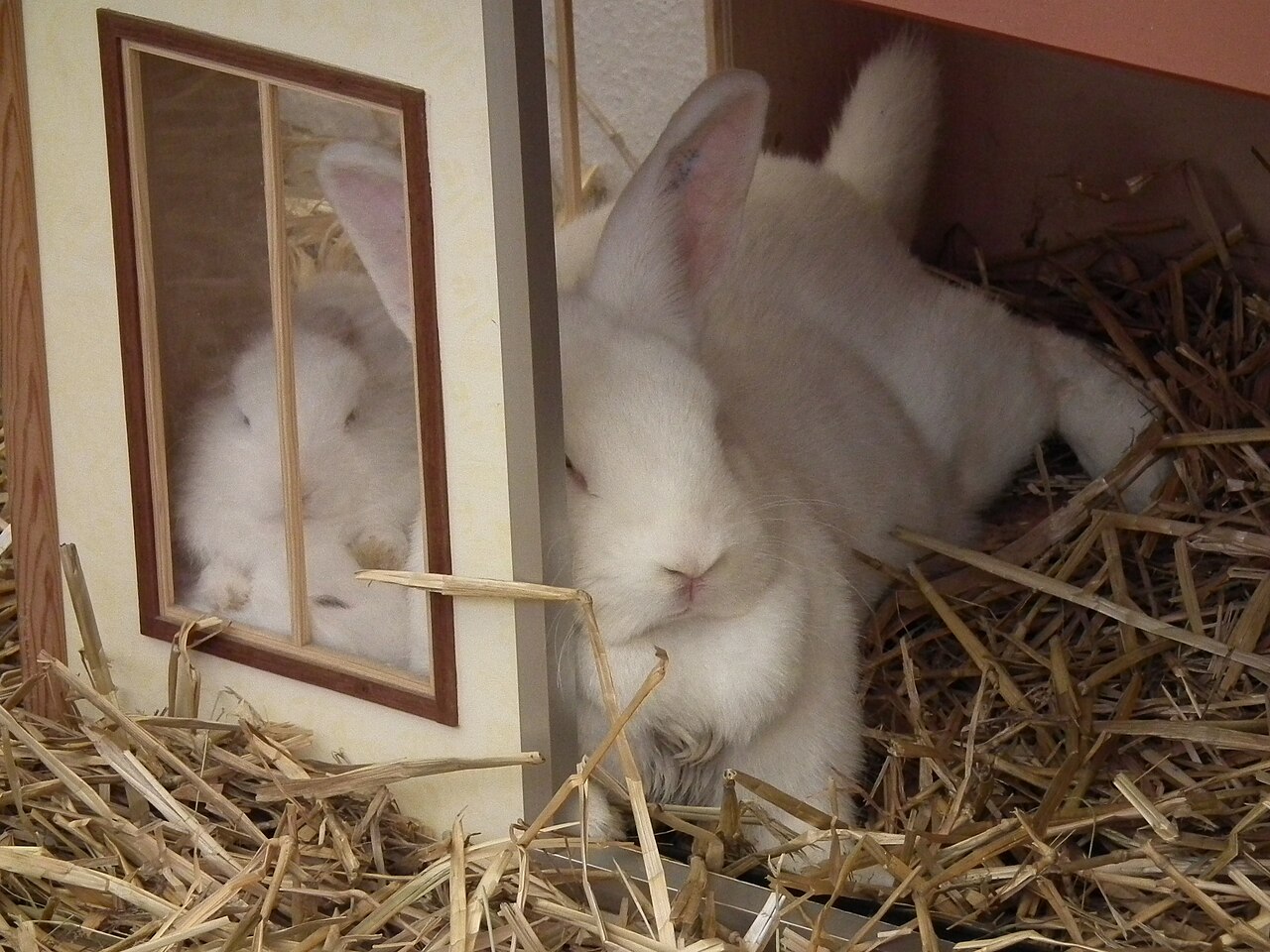
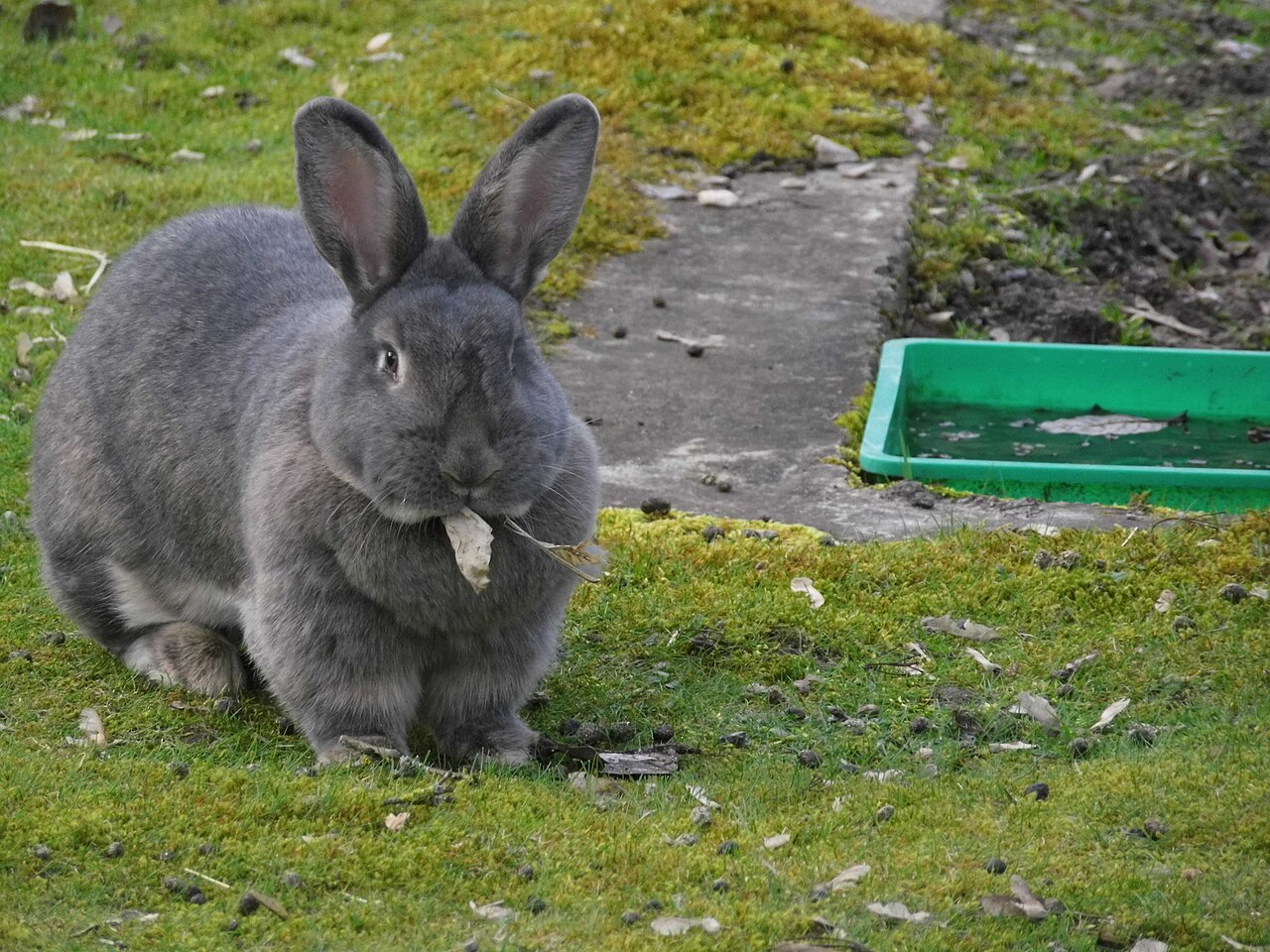
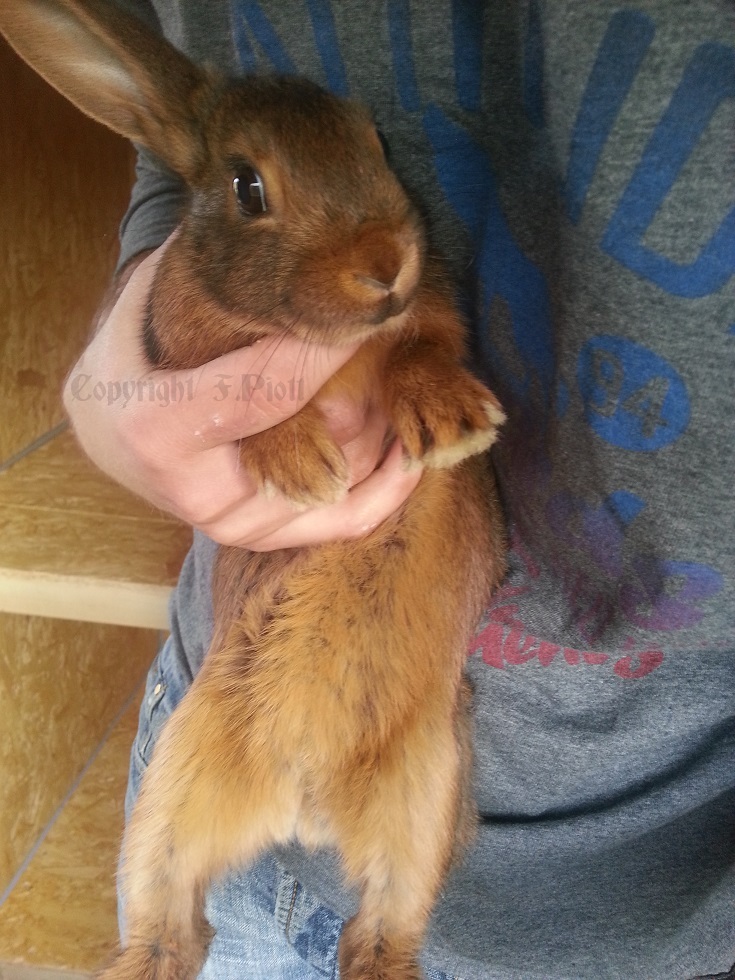
Voir les 119 autres races
- Doré de Saxe
- Fauve de Bourgogne
- Feu noir
- Grand chinchilla
- Gris de Vienne
- Gris du Bourbonnais
- Géant blanc du Bouscat
- Géant des Flandres
- Géant papillon français
- Hermine
- Hollandais
- Japonais
- Lapin chinchilla
- Lapin chèvre
- Lièvre belge
- Nain bélier
- Nain rex
- Néo-zélandais
- Papillon anglais
- Papillon rhénan
- Petit papillon
- Rex
- Russe
- Sablé des Vosges
- Satin
- American Fuzzy Lop
- American Sable rabbit
- British Giant rabbit
- Californien
- Cashmere Lop
- Continental Giant rabbit
- Czech Red rabbit
- Enderby Island rabbit
- Fee de Marbourg
- Feh de Marbourg
- Florida White rabbit
- German Lop
- Gotland rabbit
- Jersey Wooly
- Lapin angora
- Lapin bélier
- Lapin nain de couleur
- Lapin nain satin
- Miniature Lion Lop
- Miniature Lop
- New Zealand Red rabbit
- New Zealand rabbit
- Orylag
- Petit Bélier
- Rhönkaninchen
- Swiss Fox
- Tan rabbit
- Tri Coloured Dutch
- Tête de lion
- Český luštič
- Beige rabbit
- Dalmatian
- Lapin riche
- Britannia Petite
- Czech Black Guard Haired Rabbit
- Feu havane
- French Angora
- Mecklenburger Schecke
- Teddyzwerg
- Alaska
- Hotot nain
- Blanc de Termonde
- Bleu de Beveren
- Grand Russe
- Gris bleu de Vienne
- Noir de Vienne
- Noir et blanc
- Altex rabbit
- American rabbit
- Baladi
- Black-bearded rabbit
- Blue Imperial rabbit
- Blue of Ham
- Blue of Sint-Niklaas
- Carmagnola Grey
- Cinnamon rabbit
- Golden Glavcot
- Havana rabbit
- Jamora
- Lilac rabbit
- Lux
- Nain angora
- Normand
- Palomino rabbit
- Perlfee
- Plush Lop
- Sallander
- Silver Fox rabbit
- Silver rabbit
- Swedish Hare
- Velveteen Lop
- Vienna rabbit
- Bauscat rabbit
- Blanc de Popielno
- Blanc de Vendée
- Brazilian domestic rabbit
- Caldes rabbit
- Chaudry rabbit
- Fox
- Gabali rabbit
- Hulstlander
- Liptov Baldspotted rabbit
- Belgian Beard rabbit
- Belgian Silver
- Dwarf Angora
- Dwarf checkered rabbit
- False dwarf
- Gris Perle de Hal
- Lapin blanc danois
- Miniature Checkered rabbit
- Siamese Sable rabbit
- Stone rabbit
- Szekler rabbit
- Zemmouri
Sources et crédits
Informations provenant de plusieurs sources vérifiées. Dernière mise à jour : .
Mentions de licence
Texte disponible sous licence CC BY-SA 4.0. Il adapte notamment Wikipedia (CC BY-SA): Silver Marten rabbit (Wikipédia, auteurs dans l’historique de l’article).
- Taxonomie : GBIF Backbone Taxonomy (CC BY 4.0)
Détail : Sources et licences.
Discussion (0)
Aucun message pour l’instant. Lancez la discussion sur cette fiche (sources, précisions, débats éditoriaux).
Connectez-vous pour participer à la discussion.