
Oryctolagus cuniculus domesticus
Oryctolagus cuniculus domesticus
- Kingdom
- Animalia
- Phylum
- Chordata
- Class
- Mammalia
- Order
- Lagomorpha
- Family
- Leporidae
- Genus
- Oryctolagus
- Species
- Oryctolagus cuniculus domesticus
Overview
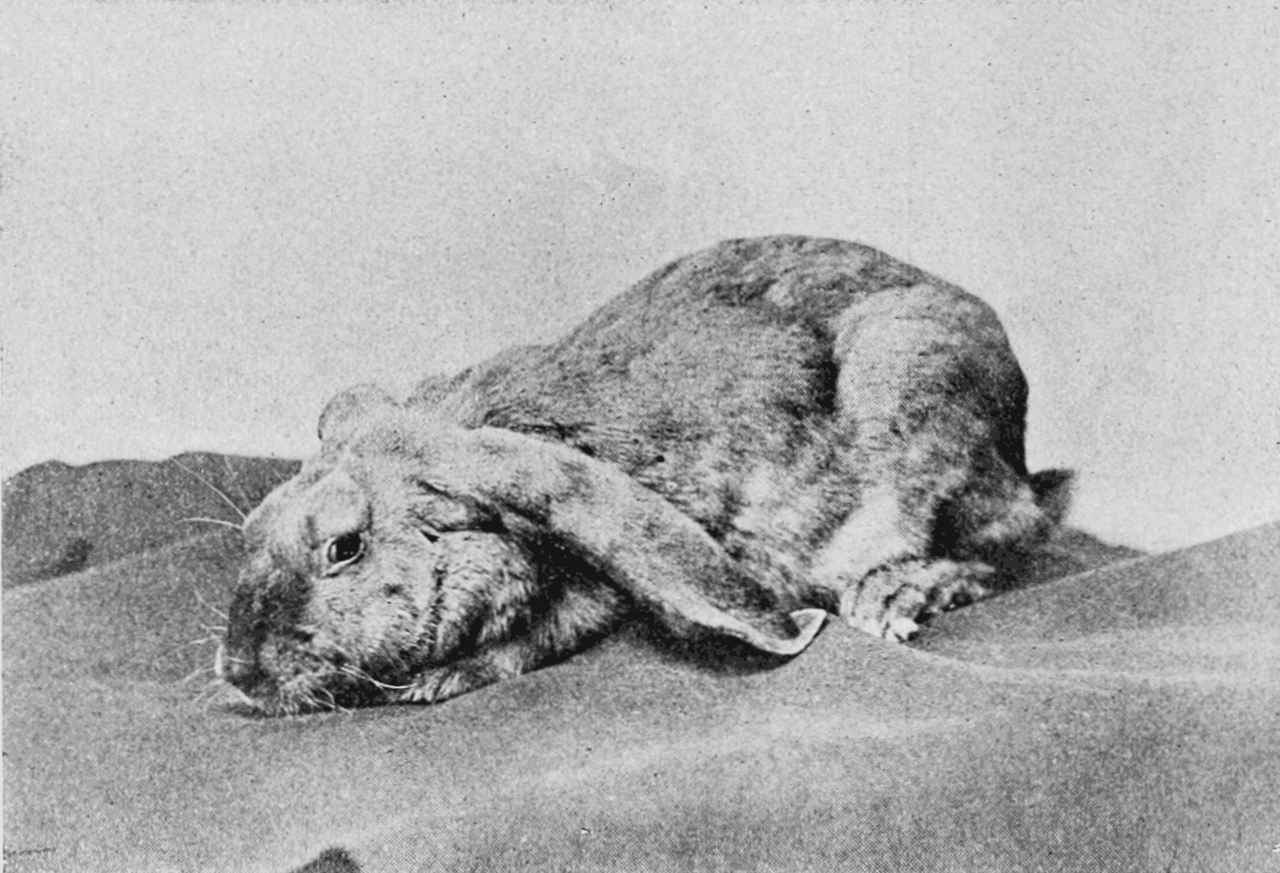
The Blue Imperial rabbit was an English breed of domestic rabbit that is now extinct. It was originally bred by Mabel Illingworth (1879-1955), who was the first woman to create a rabbit breed. It was used to create several modern breeds, including the American rabbit.
Name
The proper name for the breed was the "Blue Imperial". It was sometimes interchangeably called "Imperial Blue", or even shortened to "Imperial", in the United States, but this is contrary to the original name.
History
Beginning in 1896, Mabel Illingworth began the process of creating the Blue Imperial. The inspiration for the breed came from the blue-colored cats her mother raised. For many years, Miss Illingworth was secretive about the origins of her breed, but she finally divulged her method in the mid-1920s. She first bred a Blue and a Tortoiseshell English Lop, then bred the resulting litter to a White Angora. This was an old method of revealing what dominant color the rabbits had behind them. In the second generation, self-blues appeared with long, but erect ears. These were bred to a heavily marked blue-fawn Dutch buck, as well as a self-blue Dutch buck. Other breedings improved the color. Illingworth first exhibited the rabbits at a rabbit show at the Crystal Palace in London in 1903.
A doe appeared in the second year of experimentation that featured ideal type and color according to Illingworth's specifications. It was named "Blue Pussie" after Illingworth's mother's cats that had inspired the breed. This rabbit was used extensively in the breeding program to fix the desired traits. The breed was shipped to America before 1915 and recognized by the National Pet Stock Association (the forerunner of the National Breeders and Fanciers Association of America which itself became the American Rabbit Breeders Association). Blue Imperials were rare and never popular in America; they disappeared from standards by 1934 and became extinct there and in England shortly thereafter.
Appearance
The breed came in only one standard variety; Blue. The Blue Imperial was described in the 1920 Standard of Perfection for the National Breeders and Fanciers Association of America (which became the American Rabbit Breeders Association). The color is described as follows: "the color of the Blue Imperial should be an even shade of dark blue throughout, fur soft and bright, and a trifle longer than the other short haired rabbits." The breed was about seven pounds in weight.
Contributions to other breeds
In 1913, Mabel Illingworth crossed her newly developed breed with Havanas to produce a Lilac rabbit she dubbed the Essex Lavenders. These become the second of the three British strains that were used to create the Lilac breed. Blue Imperials are believed to have been used in the creation of the American rabbit.
Ajouter des photos
Partagez vos photos de cette espèce (jusqu'à 20 à la fois) : elles sont vérifiées automatiquement, puis publiées.
Autres races de l'espèce (131)
Espèce : Lapin domestique
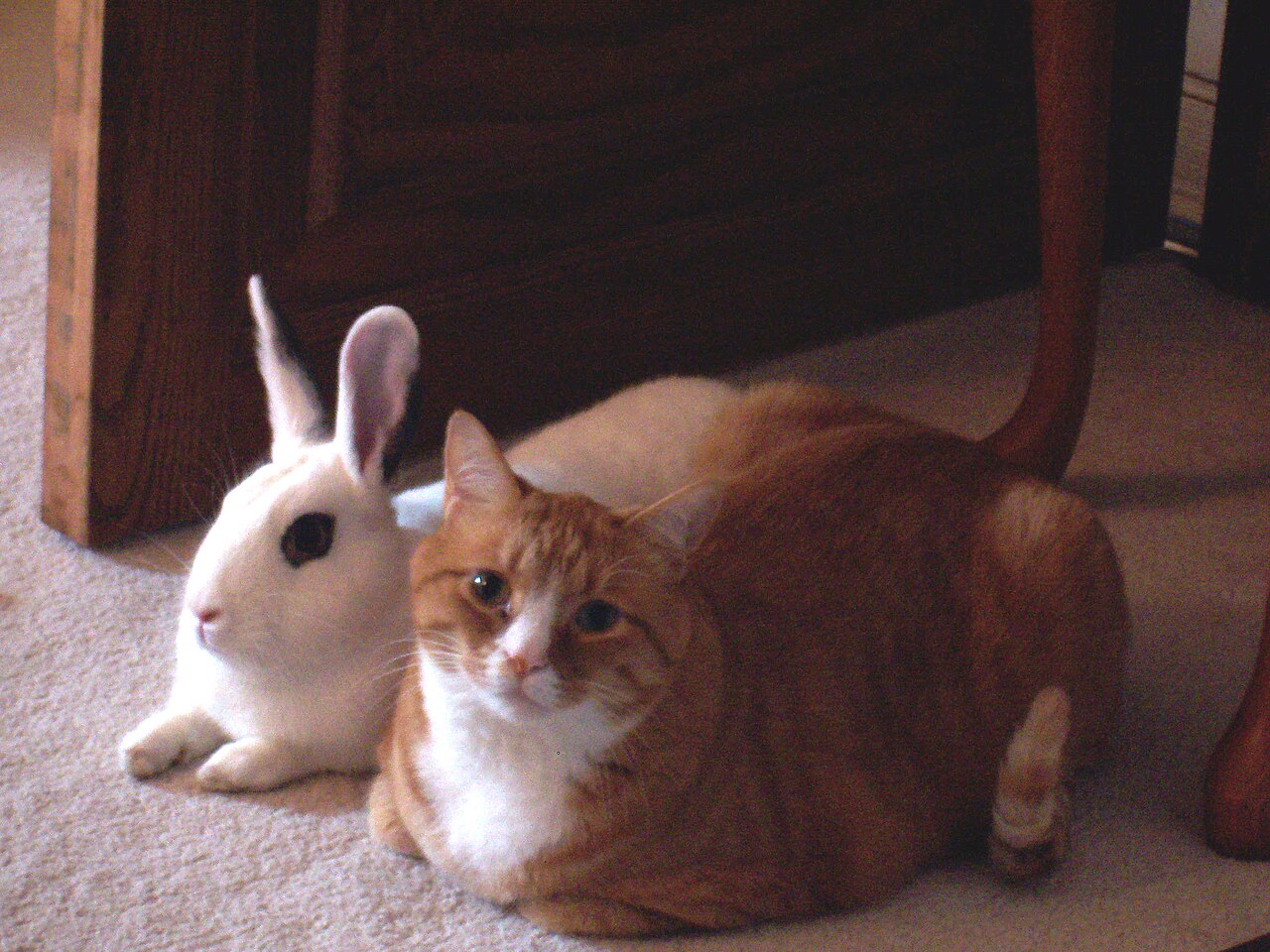
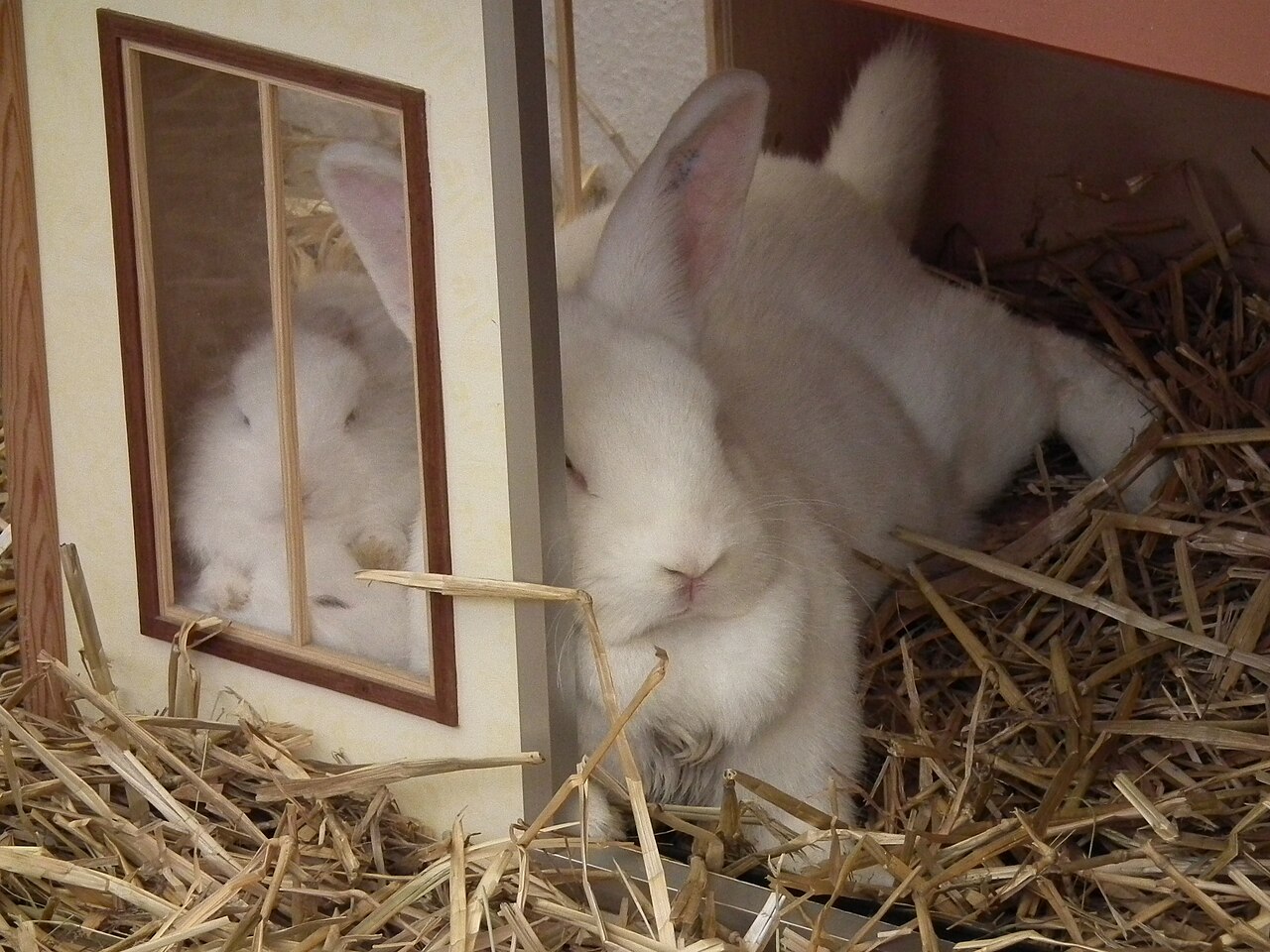
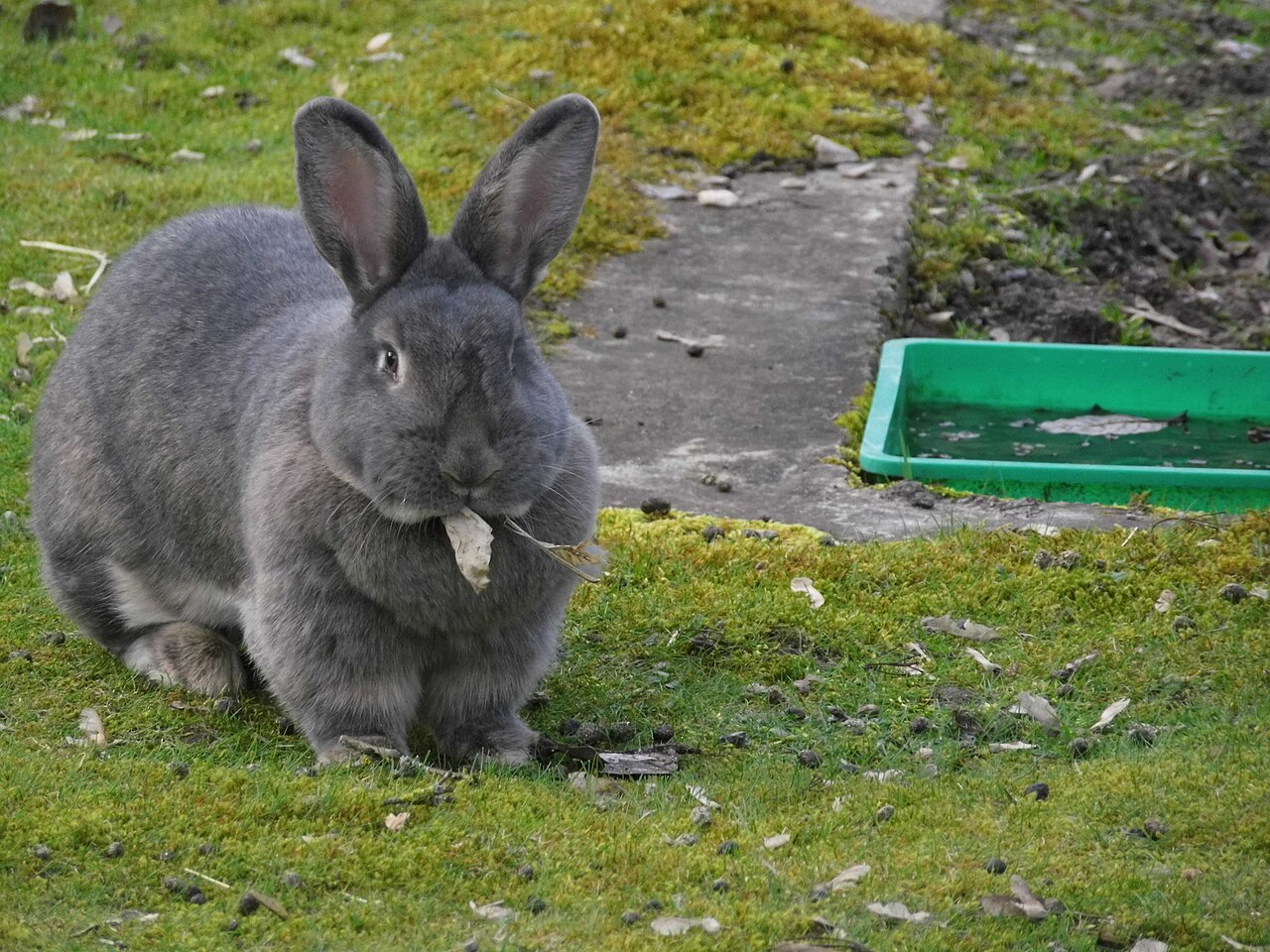
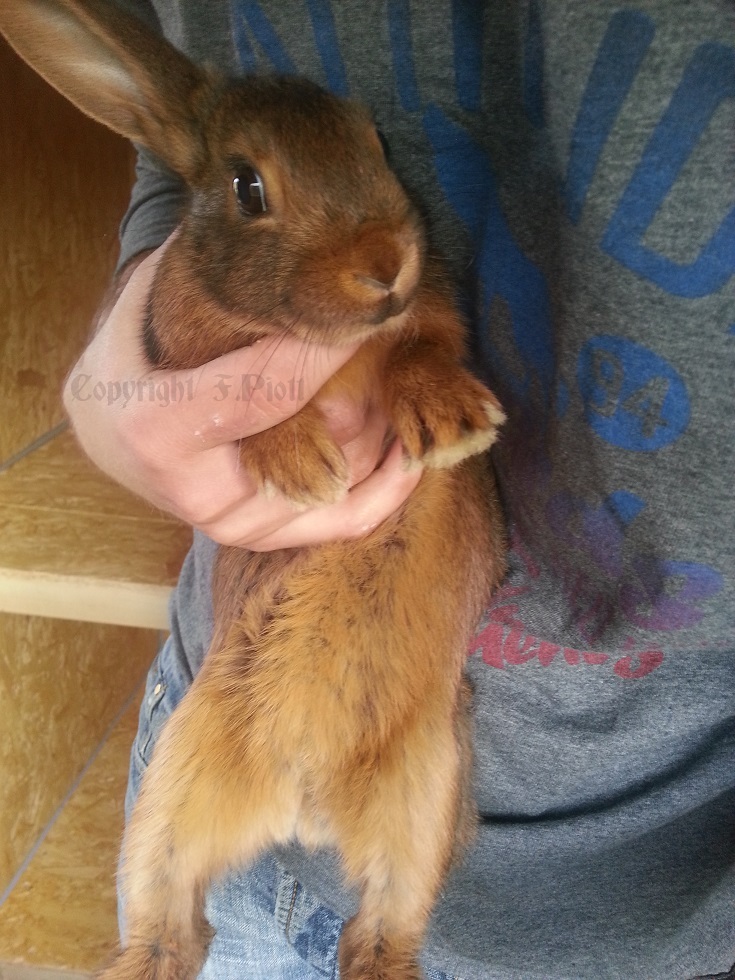
Voir les 119 autres races
- Doré de Saxe
- Fauve de Bourgogne
- Feu noir
- Grand chinchilla
- Gris de Vienne
- Gris du Bourbonnais
- Géant blanc du Bouscat
- Géant des Flandres
- Géant papillon français
- Hermine
- Hollandais
- Japonais
- Lapin chinchilla
- Lapin chèvre
- Lièvre belge
- Nain bélier
- Nain rex
- Néo-zélandais
- Papillon anglais
- Papillon rhénan
- Petit papillon
- Rex
- Russe
- Sablé des Vosges
- Satin
- American Fuzzy Lop
- American Sable rabbit
- British Giant rabbit
- Californien
- Cashmere Lop
- Continental Giant rabbit
- Czech Red rabbit
- Enderby Island rabbit
- Fee de Marbourg
- Feh de Marbourg
- Florida White rabbit
- German Lop
- Gotland rabbit
- Jersey Wooly
- Lapin angora
- Lapin bélier
- Lapin nain de couleur
- Lapin nain satin
- Miniature Lion Lop
- Miniature Lop
- New Zealand Red rabbit
- New Zealand rabbit
- Orylag
- Petit Bélier
- Rhönkaninchen
- Swiss Fox
- Tan rabbit
- Tri Coloured Dutch
- Tête de lion
- Český luštič
- Beige rabbit
- Dalmatian
- Lapin riche
- Britannia Petite
- Czech Black Guard Haired Rabbit
- Feu havane
- French Angora
- Mecklenburger Schecke
- Teddyzwerg
- Alaska
- Hotot nain
- Blanc de Termonde
- Bleu de Beveren
- Grand Russe
- Gris bleu de Vienne
- Noir de Vienne
- Noir et blanc
- Altex rabbit
- American rabbit
- Baladi
- Black-bearded rabbit
- Blue of Ham
- Blue of Sint-Niklaas
- Carmagnola Grey
- Cinnamon rabbit
- Golden Glavcot
- Havana rabbit
- Jamora
- Lilac rabbit
- Lux
- Nain angora
- Normand
- Palomino rabbit
- Perlfee
- Plush Lop
- Sallander
- Silver Fox rabbit
- Silver Marten rabbit
- Silver rabbit
- Swedish Hare
- Velveteen Lop
- Vienna rabbit
- Bauscat rabbit
- Blanc de Popielno
- Blanc de Vendée
- Brazilian domestic rabbit
- Caldes rabbit
- Chaudry rabbit
- Fox
- Gabali rabbit
- Hulstlander
- Liptov Baldspotted rabbit
- Belgian Beard rabbit
- Belgian Silver
- Dwarf Angora
- Dwarf checkered rabbit
- False dwarf
- Gris Perle de Hal
- Lapin blanc danois
- Miniature Checkered rabbit
- Siamese Sable rabbit
- Stone rabbit
- Szekler rabbit
- Zemmouri
Sources et crédits
Informations provenant de plusieurs sources vérifiées. Dernière mise à jour : .
Mentions de licence
Texte disponible sous licence CC BY-SA 4.0. Il adapte notamment Wikipedia (CC BY-SA): Blue Imperial rabbit (Wikipédia, auteurs dans l’historique de l’article).
- Taxonomie : GBIF Backbone Taxonomy (CC BY 4.0)
Détail : Sources et licences.
Discussion (0)
Aucun message pour l’instant. Lancez la discussion sur cette fiche (sources, précisions, débats éditoriaux).
Connectez-vous pour participer à la discussion.