
Oryctolagus cuniculus domesticus
Oryctolagus cuniculus domesticus
- Kingdom
- Animalia
- Phylum
- Chordata
- Class
- Mammalia
- Order
- Lagomorpha
- Family
- Leporidae
- Genus
- Oryctolagus
- Species
- Oryctolagus cuniculus domesticus
Overview
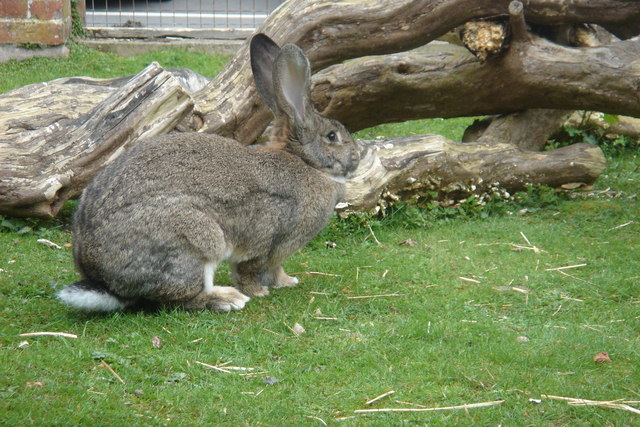
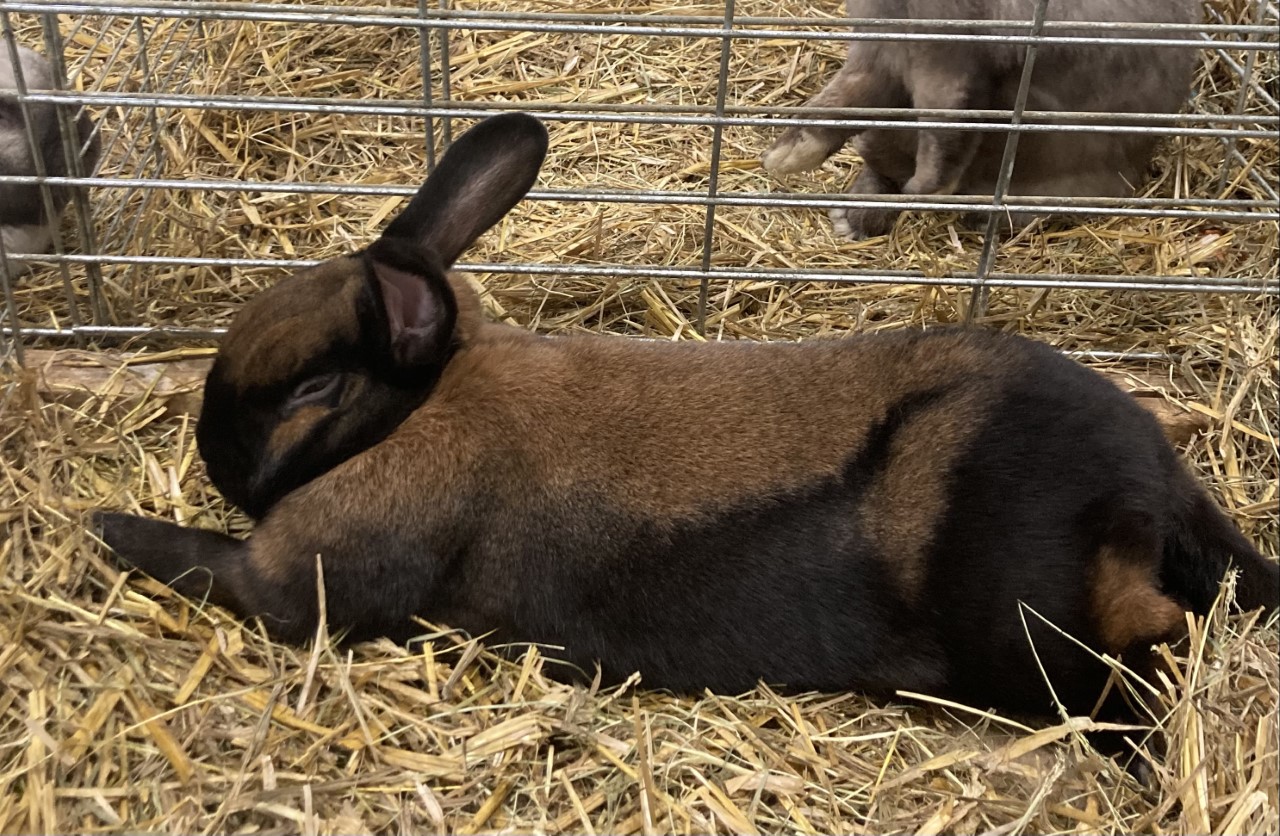
The British Giant rabbit is a large breed of rabbit that has its heritage in the Flemish Giant, a breed that originates in Belgium. The British Giant can grow up to 7 kg and often rivals a small dog in size.
History
The British Giant arose as a separate breed in the United Kingdom in the 1940s and was bred from Flemish Giant stock of varying colours from the United States. The Flemish Giant breed standard in Britain is only recognised in steel grey colouring and may be somewhat smaller than the European Flemish Giant. Thus the British Giant was bred for a greater variety in colouring and although smaller than continental Flemish rabbits, retain broadly the same characteristics. The British Giant is virtually unknown outside the United Kingdom, where it is a recognised breed.
Appearance
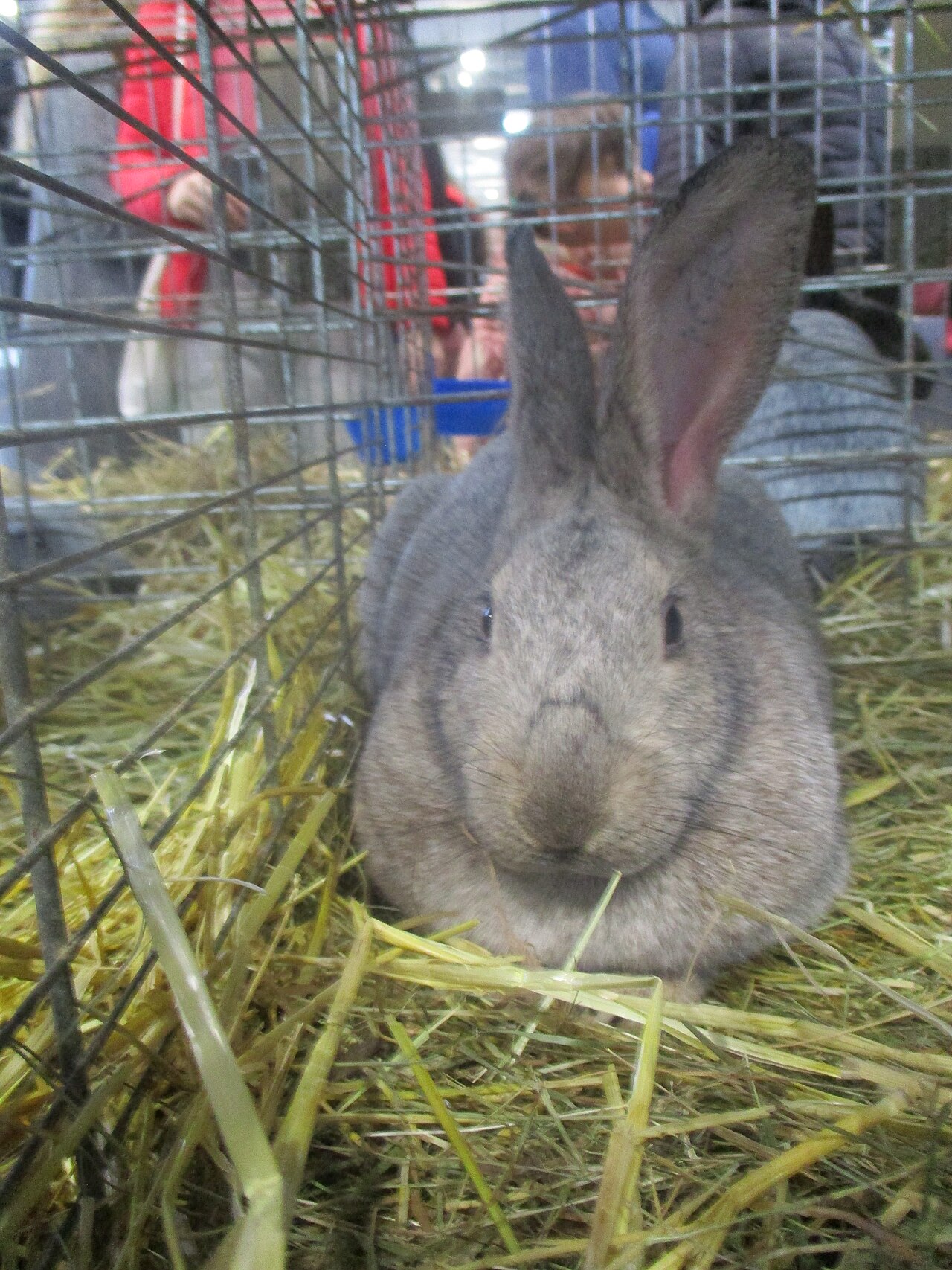
The biggest of all the British breeds, the British Giant has a large, powerful body that is flat across the back and has a wide front and hindquarters. Its fur is medium length, dense and soft and comes in a variety of colours including white, sable, opal, grey, blue and black.
Gallery
Ajouter des photos
Partagez vos photos de cette espèce (jusqu'à 20 à la fois) : elles sont vérifiées automatiquement, puis publiées.
Autres races de l'espèce (131)
Espèce : Lapin domestique
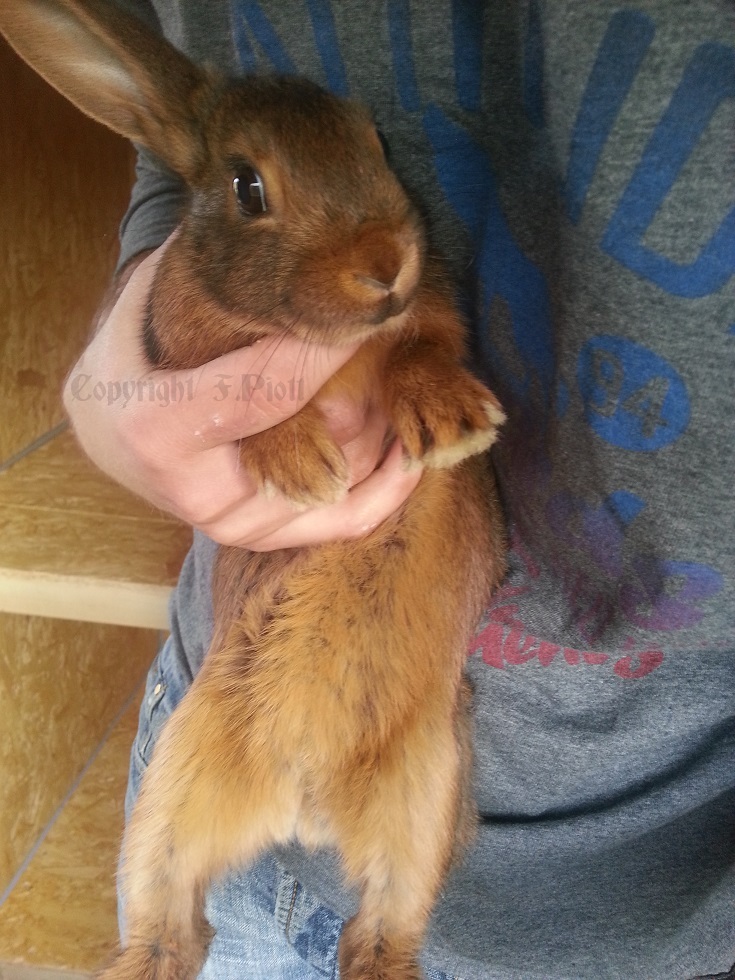
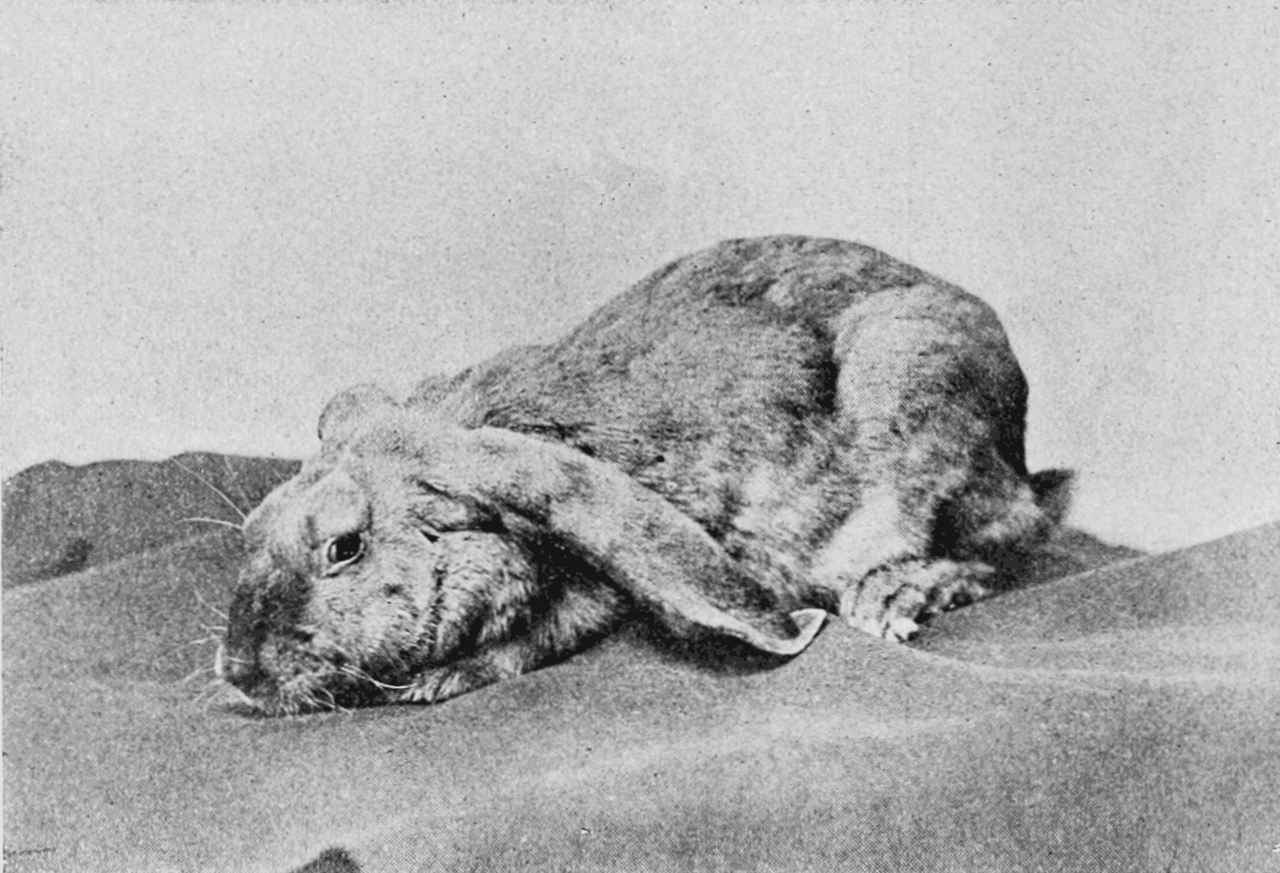
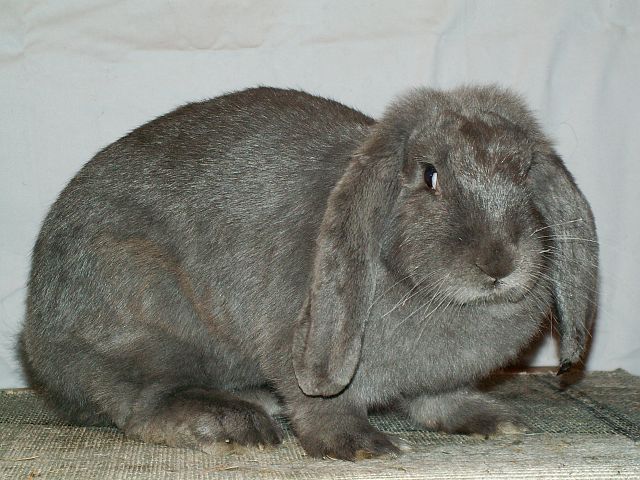
Voir les 119 autres races
- Doré de Saxe
- Fauve de Bourgogne
- Feu noir
- Grand chinchilla
- Gris de Vienne
- Gris du Bourbonnais
- Géant blanc du Bouscat
- Géant des Flandres
- Géant papillon français
- Hermine
- Hollandais
- Japonais
- Lapin chinchilla
- Lapin chèvre
- Lièvre belge
- Nain bélier
- Nain rex
- Néo-zélandais
- Papillon anglais
- Papillon rhénan
- Petit papillon
- Rex
- Russe
- Sablé des Vosges
- Satin
- American Fuzzy Lop
- American Sable rabbit
- Californien
- Cashmere Lop
- Continental Giant rabbit
- Czech Red rabbit
- Enderby Island rabbit
- Fee de Marbourg
- Feh de Marbourg
- Florida White rabbit
- German Lop
- Gotland rabbit
- Jersey Wooly
- Lapin angora
- Lapin bélier
- Lapin nain de couleur
- Lapin nain satin
- Miniature Lion Lop
- Miniature Lop
- New Zealand Red rabbit
- New Zealand rabbit
- Orylag
- Petit Bélier
- Rhönkaninchen
- Swiss Fox
- Tan rabbit
- Tri Coloured Dutch
- Tête de lion
- Český luštič
- Beige rabbit
- Dalmatian
- Lapin riche
- Britannia Petite
- Czech Black Guard Haired Rabbit
- Feu havane
- French Angora
- Mecklenburger Schecke
- Teddyzwerg
- Alaska
- Hotot nain
- Blanc de Termonde
- Bleu de Beveren
- Grand Russe
- Gris bleu de Vienne
- Noir de Vienne
- Noir et blanc
- Altex rabbit
- American rabbit
- Baladi
- Black-bearded rabbit
- Blue Imperial rabbit
- Blue of Ham
- Blue of Sint-Niklaas
- Carmagnola Grey
- Cinnamon rabbit
- Golden Glavcot
- Havana rabbit
- Jamora
- Lilac rabbit
- Lux
- Nain angora
- Normand
- Palomino rabbit
- Perlfee
- Plush Lop
- Sallander
- Silver Fox rabbit
- Silver Marten rabbit
- Silver rabbit
- Swedish Hare
- Velveteen Lop
- Vienna rabbit
- Bauscat rabbit
- Blanc de Popielno
- Blanc de Vendée
- Brazilian domestic rabbit
- Caldes rabbit
- Chaudry rabbit
- Fox
- Gabali rabbit
- Hulstlander
- Liptov Baldspotted rabbit
- Belgian Beard rabbit
- Belgian Silver
- Dwarf Angora
- Dwarf checkered rabbit
- False dwarf
- Gris Perle de Hal
- Lapin blanc danois
- Miniature Checkered rabbit
- Siamese Sable rabbit
- Stone rabbit
- Szekler rabbit
- Zemmouri
Sources et crédits
Informations provenant de plusieurs sources vérifiées. Dernière mise à jour : .
Crédits photos (2)
- Photo : Margaret Clough · CC BY-SA 2.0 · via Wikimedia Commons
- Photo : Margaret Clough · CC BY-SA 2.0 · via Wikimedia Commons
Mentions de licence
Texte disponible sous licence CC BY-SA 4.0. Il adapte notamment Wikipedia (CC BY-SA): British Giant rabbit (Wikipédia, auteurs dans l’historique de l’article).
- Taxonomie : GBIF Backbone Taxonomy (CC BY 4.0)
Détail : Sources et licences.
Discussion (0)
Aucun message pour l’instant. Lancez la discussion sur cette fiche (sources, précisions, débats éditoriaux).
Connectez-vous pour participer à la discussion.