
Oryctolagus cuniculus domesticus
Oryctolagus cuniculus domesticus
- Kingdom
- Animalia
- Phylum
- Chordata
- Class
- Mammalia
- Order
- Lagomorpha
- Family
- Leporidae
- Genus
- Oryctolagus
- Species
- Oryctolagus cuniculus domesticus
Overview
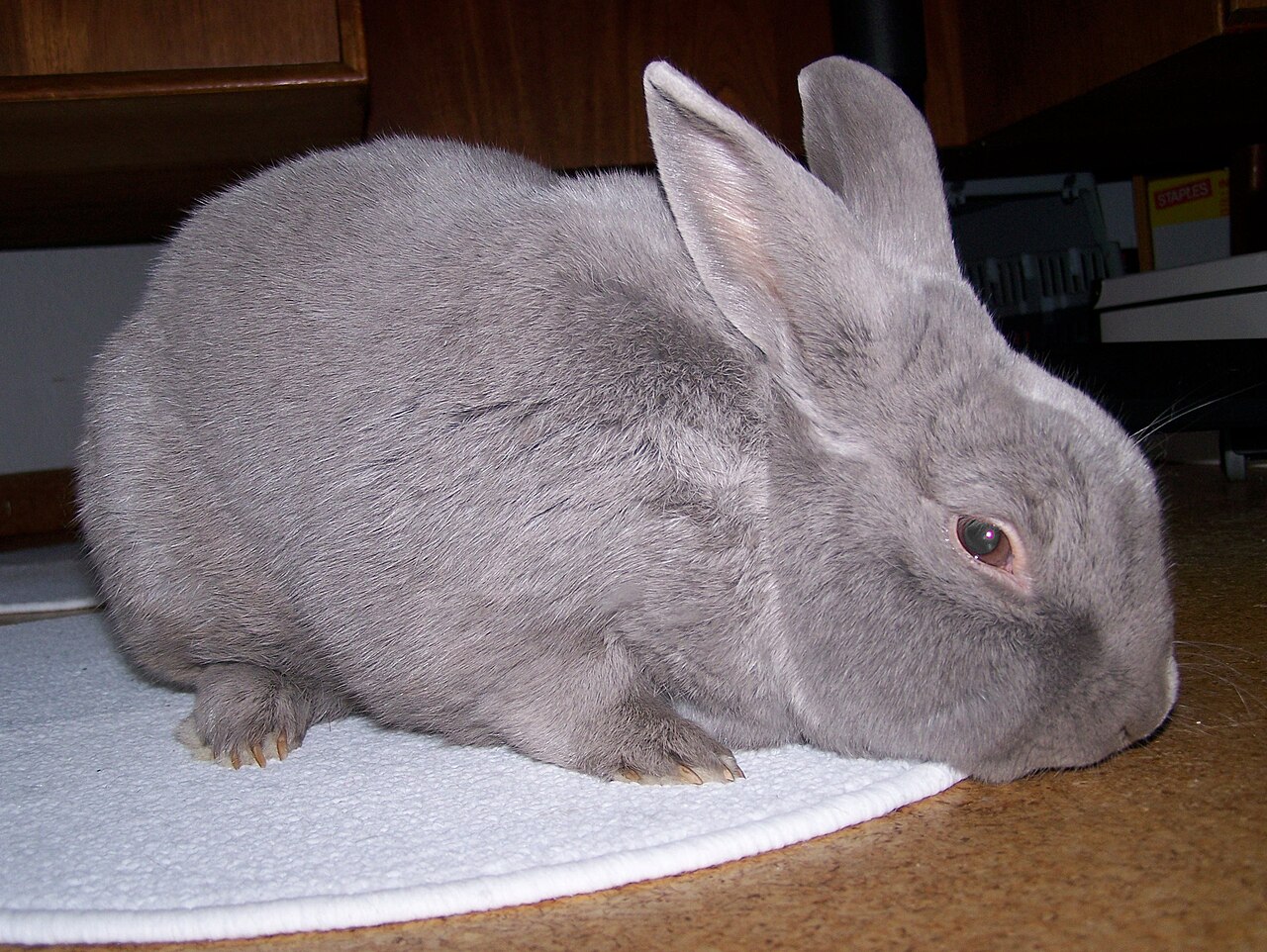
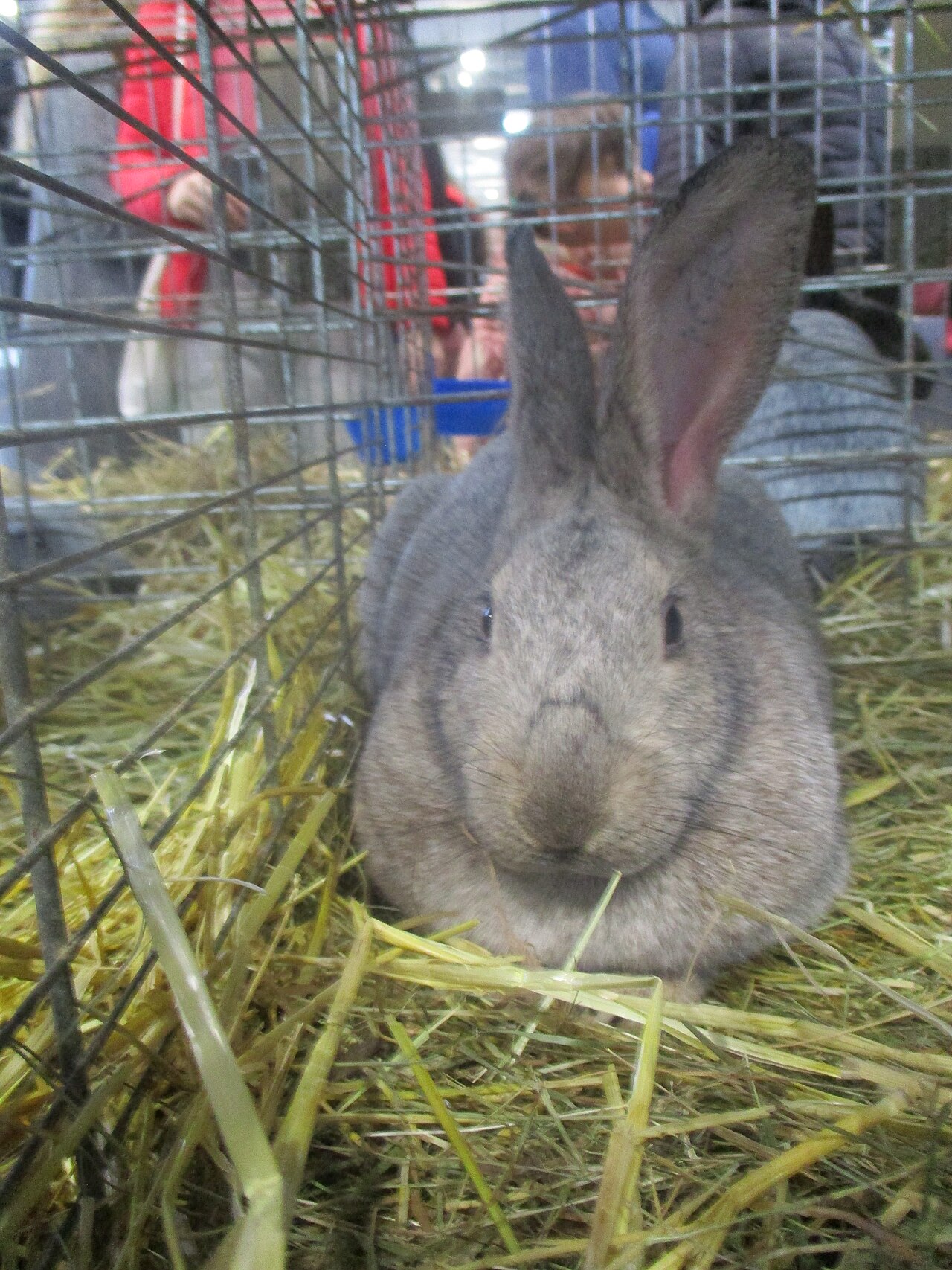
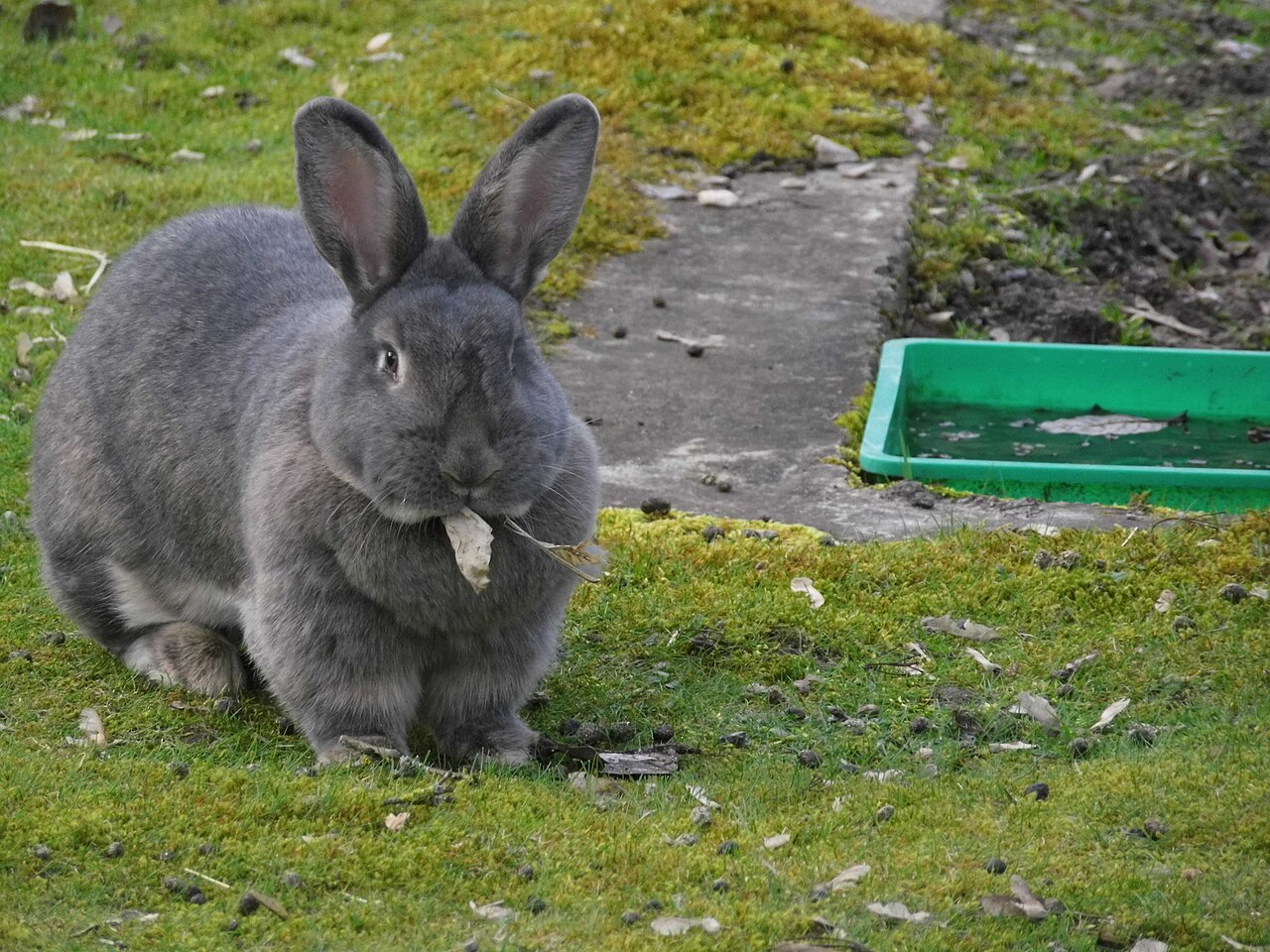
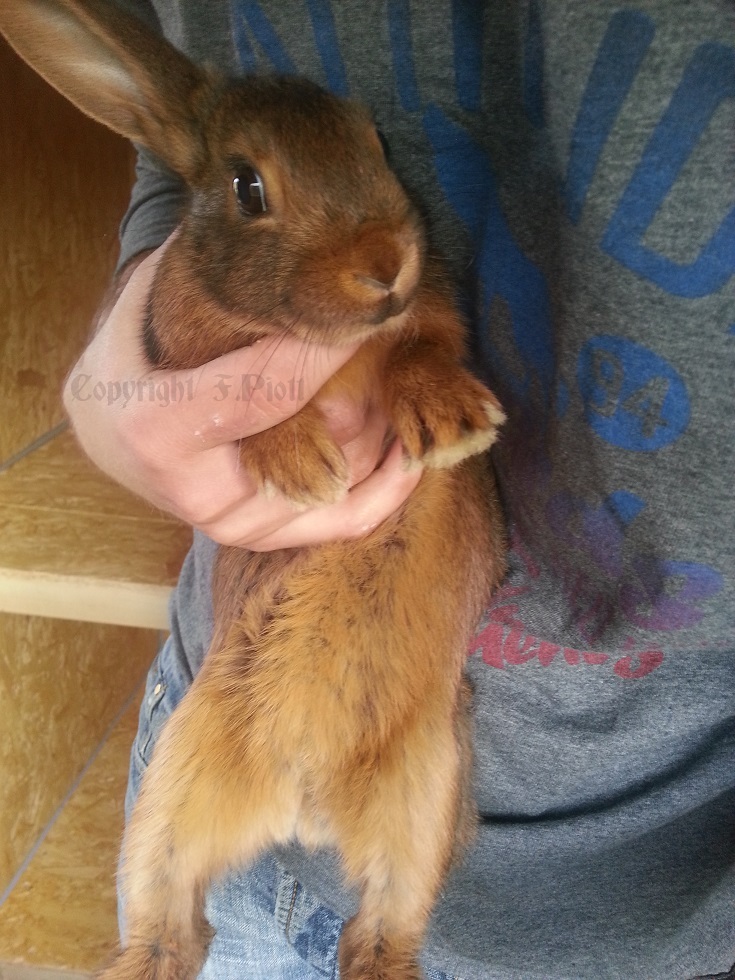
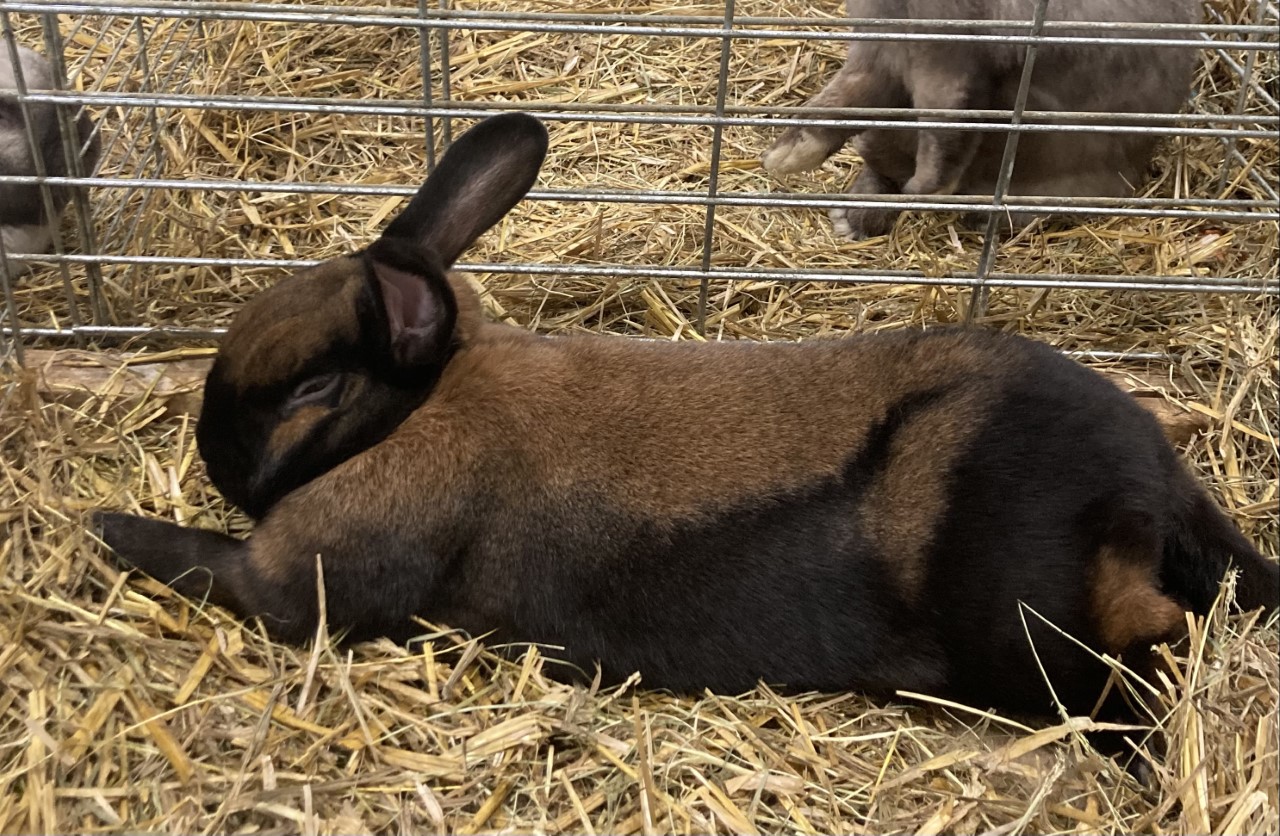
The Fee de Marbourg is a breed of rabbit that originated in Germany where it became known as the Fee de Marbourg, literally "Fairy from Marbourg." The British Rabbit Council recognizes this breed as the Marburger Fee and in the UK it is sometimes referred to as the Marburger.
This is a medium-sized rabbit, almost lilac, sometimes pinkish in color, with the Havana breed in its heritage.
History
F. Joppich, a German man who was a prominent figure in rabbit-breeding, had written a book titled, "Unsere Kaninchenrassen," (Our Rabbit Breeds) that he himself often discovered at the beginning of the century, the presence of light-colored rabbits in some litters, among rabbits breeders. Judges would consider this color as faulty and systematically eliminated these subjects in breeding shows.
In 1912, Marie Sandemann offered a young rabbit with the 'wrong' color born in a range of Havana rabbit to the concierge of a school attended by her nephew, L. Peter. Marie Sandemann, who also had a Havana, raised it to adulthood and bred it with a silvery male. The whole litter of Sandemann's rabbit and the silver male was black, and the original Havana mother had died when the offspring were ten weeks old. Sandemann later selected a black female from the litter that she breed with another male Havana rabbit. The descendants of these rabbits consisted mainly of black and silver. After some time, the first subject was a young male had the desired lilac-pink-like hue.
She exhibited her first "Fairy" rabbits in 1915 at the group exhibition in Limbach at der Lahn. These rabbits of plain lilac pink hue, covered with a light russet veil, aroused considerable interest.
Extremely impressed, the judge of the exhibition, Judge Kemp, who had appraised these rabbits, pledged to support this new creation for recognition by the Federation of Rabbit Breeders.
In 1917, the DLP and in 1924 the Reichsverband Deutscher Kaninchenzüchter (Reich Association of German Rabbit Breeders) recognized the race under the name of Fee de Marburg and published the federal standard.
Holland
In 1918, a Dutch breeder named Spruya, who was previously known for his pigeon breeds, found young rabbits in a litter of a Havana, whose color was unusual for the breed itself. He informed his friend J. Van Piggelen, and the two friends therefore decided to raise and work with these unusual colored rabbits, and with the help of other breeders from the region of Gouda and Utrecht, they ended up creating the Gouwenaar breed.
England
It was a few years later, in 1922, that an English curator, G. Lathan, crossed Beveren Blue rabbits with Havanas and ended up with darker offspring. By continuously working with these black rabbits, she later discovered the "blue bunny with a pink reflection" after generations of offspring, which she found very pleasing. The creation of this spectacular result, led to Lathan selectively breeding rabbit offspring into creating the Lilac Rabbit.
France
The introduction of the Fee de Marbourg in France had made a confusing start among rabbit breeders and enthusiasts. The breed was accepted in the collection of standards, but under a bilingual format for its name. It was officially called 'Petit Gris' in French (Little Grey) and 'Rabbit Fairy' in the German text, with both containing a description of the inconsistent color that is used to describe the rabbit's fur.
See also
- List of rabbit breeds
- Havana rabbit
- Lilac rabbit
- Beveren rabbit
Gallery
Ajouter des photos
Partagez vos photos de cette espèce (jusqu'à 20 à la fois) : elles sont vérifiées automatiquement, puis publiées.
Autres races de l'espèce (131)
Espèce : Lapin domestique
Voir les 119 autres races
- Doré de Saxe
- Fauve de Bourgogne
- Feu noir
- Grand chinchilla
- Gris de Vienne
- Gris du Bourbonnais
- Géant blanc du Bouscat
- Géant des Flandres
- Géant papillon français
- Hermine
- Hollandais
- Japonais
- Lapin chinchilla
- Lapin chèvre
- Lièvre belge
- Nain bélier
- Nain rex
- Néo-zélandais
- Papillon anglais
- Papillon rhénan
- Petit papillon
- Rex
- Russe
- Sablé des Vosges
- Satin
- American Fuzzy Lop
- American Sable rabbit
- British Giant rabbit
- Californien
- Cashmere Lop
- Continental Giant rabbit
- Czech Red rabbit
- Enderby Island rabbit
- Feh de Marbourg
- Florida White rabbit
- German Lop
- Gotland rabbit
- Jersey Wooly
- Lapin angora
- Lapin bélier
- Lapin nain de couleur
- Lapin nain satin
- Miniature Lion Lop
- Miniature Lop
- New Zealand Red rabbit
- New Zealand rabbit
- Orylag
- Petit Bélier
- Rhönkaninchen
- Swiss Fox
- Tan rabbit
- Tri Coloured Dutch
- Tête de lion
- Český luštič
- Beige rabbit
- Dalmatian
- Lapin riche
- Britannia Petite
- Czech Black Guard Haired Rabbit
- Feu havane
- French Angora
- Mecklenburger Schecke
- Teddyzwerg
- Alaska
- Hotot nain
- Blanc de Termonde
- Bleu de Beveren
- Grand Russe
- Gris bleu de Vienne
- Noir de Vienne
- Noir et blanc
- Altex rabbit
- American rabbit
- Baladi
- Black-bearded rabbit
- Blue Imperial rabbit
- Blue of Ham
- Blue of Sint-Niklaas
- Carmagnola Grey
- Cinnamon rabbit
- Golden Glavcot
- Havana rabbit
- Jamora
- Lilac rabbit
- Lux
- Nain angora
- Normand
- Palomino rabbit
- Perlfee
- Plush Lop
- Sallander
- Silver Fox rabbit
- Silver Marten rabbit
- Silver rabbit
- Swedish Hare
- Velveteen Lop
- Vienna rabbit
- Bauscat rabbit
- Blanc de Popielno
- Blanc de Vendée
- Brazilian domestic rabbit
- Caldes rabbit
- Chaudry rabbit
- Fox
- Gabali rabbit
- Hulstlander
- Liptov Baldspotted rabbit
- Belgian Beard rabbit
- Belgian Silver
- Dwarf Angora
- Dwarf checkered rabbit
- False dwarf
- Gris Perle de Hal
- Lapin blanc danois
- Miniature Checkered rabbit
- Siamese Sable rabbit
- Stone rabbit
- Szekler rabbit
- Zemmouri
Sources et crédits
Informations provenant de plusieurs sources vérifiées. Dernière mise à jour : .
Crédits photos (5)
- Photo : Abubiju · CC BY-SA 3.0 · via Wikimedia Commons
- Photo : Abubiju · CC BY-SA 3.0 · via Wikimedia Commons
- Photo : Abubiju · CC BY-SA 3.0 · via Wikimedia Commons
- Photo : --Kürschner (talk) 20:14, 25 March 2009 (UTC) · Domaine public · via Wikimedia Commons
- Photo : Dguendel · CC BY 3.0 · via Wikimedia Commons
Mentions de licence
Texte disponible sous licence CC BY-SA 4.0. Il adapte notamment Wikipedia (CC BY-SA): Fee de Marbourg (Wikipédia, auteurs dans l’historique de l’article).
- Taxonomie : GBIF Backbone Taxonomy (CC BY 4.0)
Détail : Sources et licences.
Discussion (0)
Aucun message pour l’instant. Lancez la discussion sur cette fiche (sources, précisions, débats éditoriaux).
Connectez-vous pour participer à la discussion.