
- Kingdom
- Animalia
- Phylum
- Chordata
- Class
- Aves
- Order
- Galliformes
- Family
- Phasianidae
- Genus
- Gallus
- Species
- Gallus gallus domesticus
Overview
Donald McQueen Shaver (born August 12, 1920) was a Canadian pioneer in the poultry industry, who founded a breeding company that achieved worldwide prominence. At its peak Shaver Poultry Breeding Farms was the world's largest, being one of only two "world class foundation breeding" companies in Canada. Shaver died in 2018 of age related causes.
Early life
Born in Galt Ontario (today part of Cambridge) he attended Galt Primary School and the
Galt Collegiate Institute, graduating 1937. His mother's family was of Scottish descent, while his father's side was Hessian, settling in Canada around 1840. The family name was originally "schæfære" meaning shepherd.
He developed an interest in poultry when in 1932 he was given two hens by a great aunt. Young Don would travel by bicycle to attend poultry conferences given by Prof. W.R. Graham at OAC. His business was first named Grand Valley Hatchery after the local region in Ontario. By the mid '30s he was selling 2000 chickens a week. In 1935 his White Leghorns won a Canadian national 350-day egg-laying contest.
During World War II he volunteered for the army in 1941. He received officer training in Brockville, and after six months was shipped to England. He trained there with Fifth Armoured division, and was sent to Italy in late 1943 as a tank squadron commander. The division took part in the capture of Rimini and Ravenna in late 1944. The division was then transferred back to Western Europe. Shaver took also part in the liberation of the north of the Netherlands in 1945. Shaver rose in rank to Lieutenant Colonel, and remained in Europe until January 1946.
Post-war success
During his war service, New York State College was caring for his breeding stock and hatching eggs, but the entire flock was consumed by fire in 1944. Returning home, Shaver would eventually regard this as a lucky break, as he was forced to search widely for diversified breeding stock. Local breeders, knowing his reputation were reluctant to sell to him for fear of competition. In 1946, there were 256 registered chicken breeders in Canada. Shaver Poultry became the 257th. By 1958, only Shaver remained, along with seven other major poultry breeders worldwide.
The principle of hybrid vigour had been well established for corn, but the costs and time required to test chicken crosses were higher. Small breeders (as Shaver was at the time) could not afford permanent scientific staff, so Shaver obtained assistance from geneticists conducting research at universities and government institutions. Shaver enjoyed good industrial infrastructure, with easy highway access to Toronto airport. The Ontario Agricultural College (now part of the University of Guelph) was only half an hour away, with the Poultry Department providing diagnostic work, nutrition and disease consultation. Agriculture Canada also provided valuable support.
In 1954, the Shaver "Starcross 288" was introduced, named for the number of eggs it laid in one of the initial tests, which surpassed other breeders. Part of the 288's initial success may have been due to its resistance to Marek's disease; as better vaccines became available, the 288 lost some of its advantages.
At the advice of C.D. Howe, Shaver expanded outside Canada in the late 1950s. Chile was the first international market, followed by the US, the UK, France and Germany. By 1957, Shaver had a Romanian operation, and in 1970 one in Ghana. At his retirement in 1985, his company was operating in 94 countries. In 1988, Shaver, by their own calculation had 33% of the world market for white egg laying hens and 25% for all egg layers.
Shaver launched a broiler product in 1958. In the early 1970s, the market share in the US was around 8–10%.
Cargill purchased part of Shaver in 1964. When Shaver retired in 1985, Cargill bought the rest of the company. Shaver was acquired by ISA in 1988, and then became part of Merial. The egg layer business kept the Shaver name, and was sold as Natexis Industrie in 2003, and then to Hendrix Genetics in 2005.
Other pursuits
In 1962 Shaver ran unsuccessfully as a federal Liberal candidate.
After his retirement, Shaver took an interest in gene conservation. He maintained several pure lines of egg type poultry at his home farm near Cambridge. He later donated these flocks to the University of Guelph.
Achievements and recognition
- Officer of the Order of Canada
- Waterloo Region Museum, Region Hall of Fame Archived February 27, 2017, at the Wayback Machine
- Cambridge Hall of Fame
- former Honorary Colonel of The Royal Highland Fusiliers of Canada
- received three Honorary Doctor of Sciences Degrees: McGill University in 1983, University of Guelph in 1995, University of Alberta 2007
- Director of the Cambridge Memorial Hospital
- Director of Gore Mutual Insurance Company
- sat on Board of Governors of the University of Guelph.
- volunteer chairman of the Developing Countries Farm Radio Network which broadcasts to 140 developing countries providing information on how to increase yields inexpensively.
- He received a Centennial Award from the Ontario Ministry of Agriculture in 1988
- Canadian Agricultural Hall of Fame and Ontario Agricultural Hall of Fame
- American Agricultural Hall of Fame in 1989.
- He is also a member of both the American Poultry and International Poultry Halls of Fame.
- provided funding for the Donald McQueen Shaver Poultry Complex on the Macdonald Campus of McGill University
Ajouter des photos
Partagez vos photos de cette espèce (jusqu'à 20 à la fois) : elles sont vérifiées automatiquement, puis publiées.
Autres races de l'espèce (311)
Espèce : Poule domestique
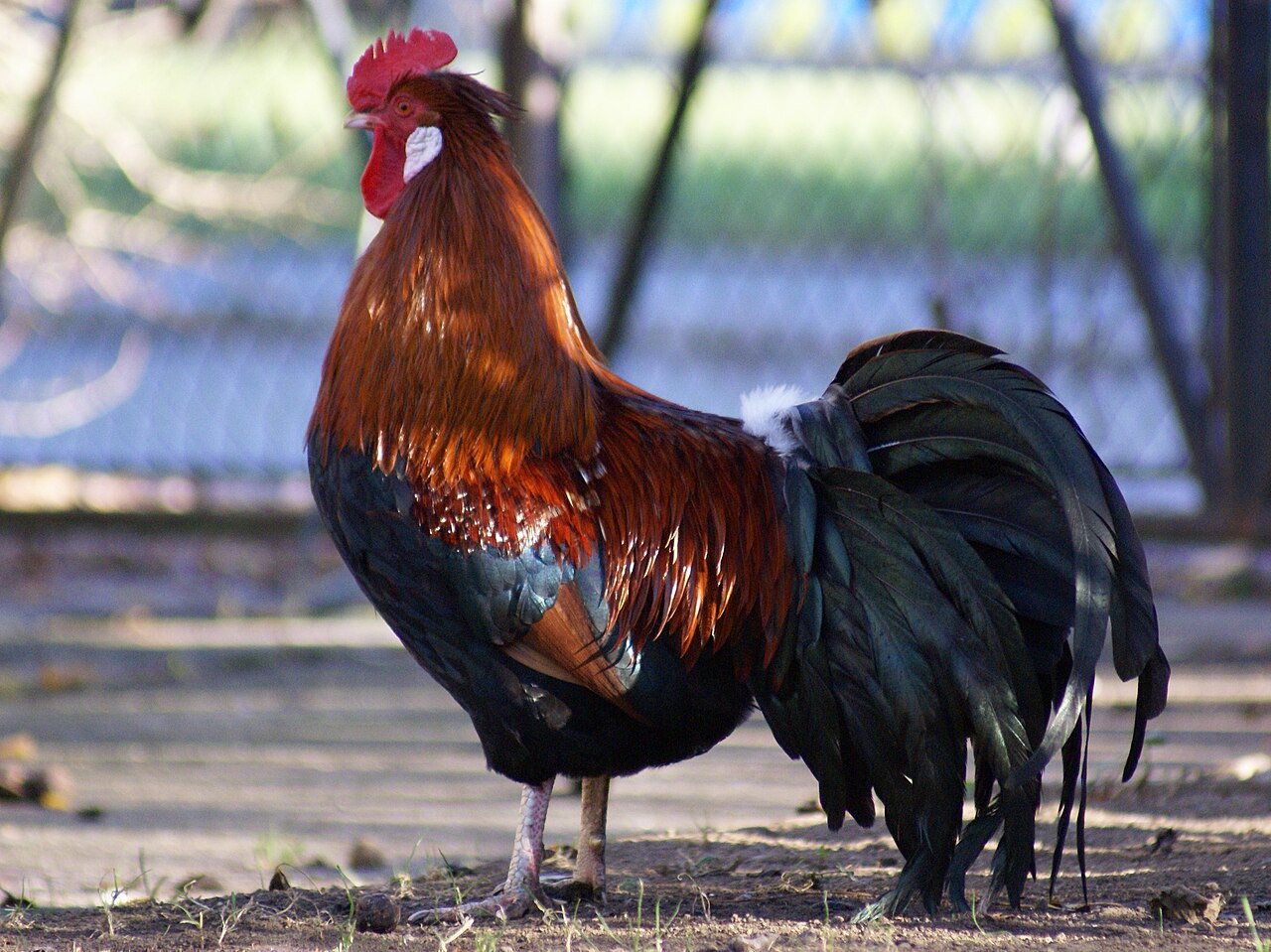
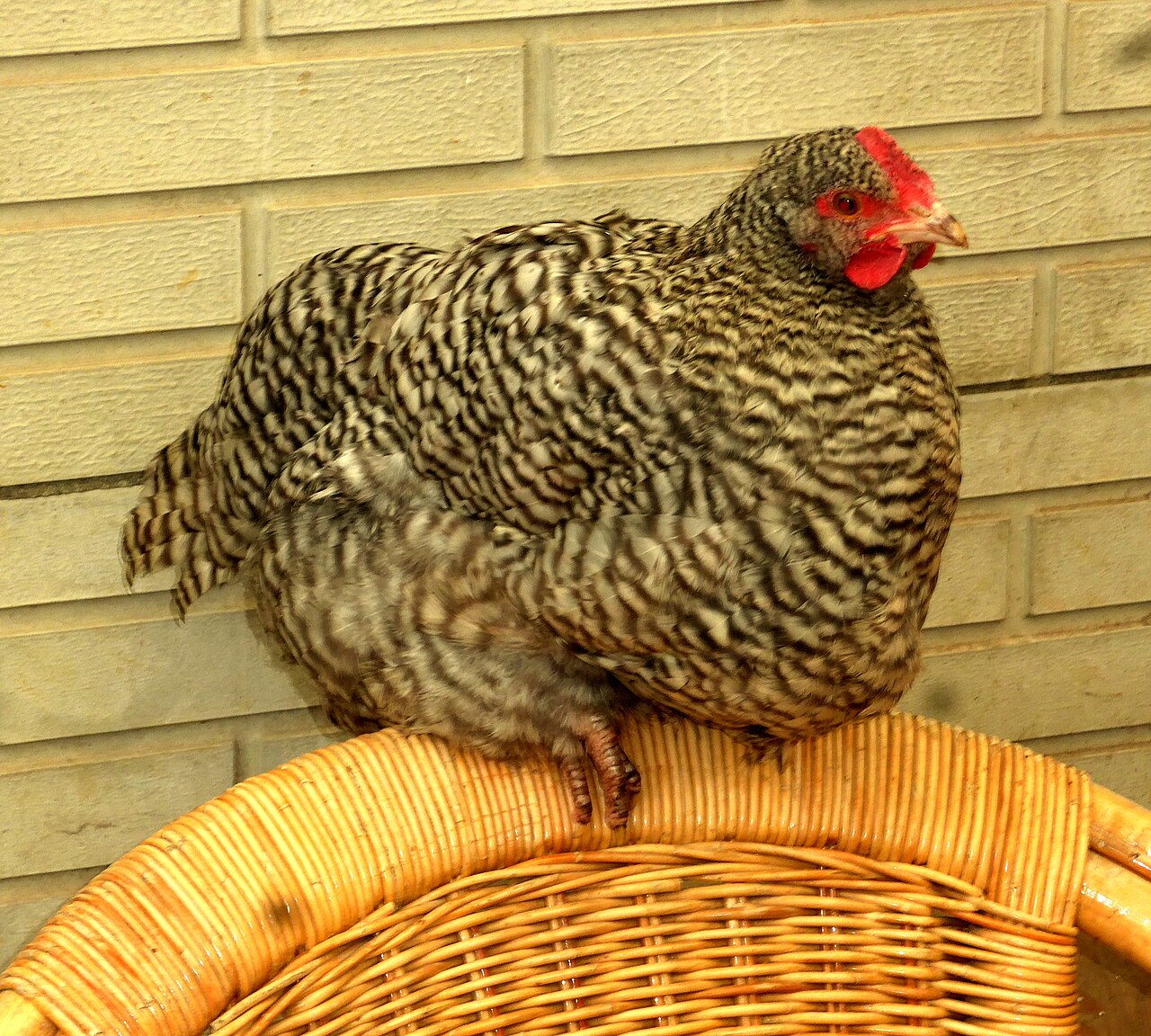
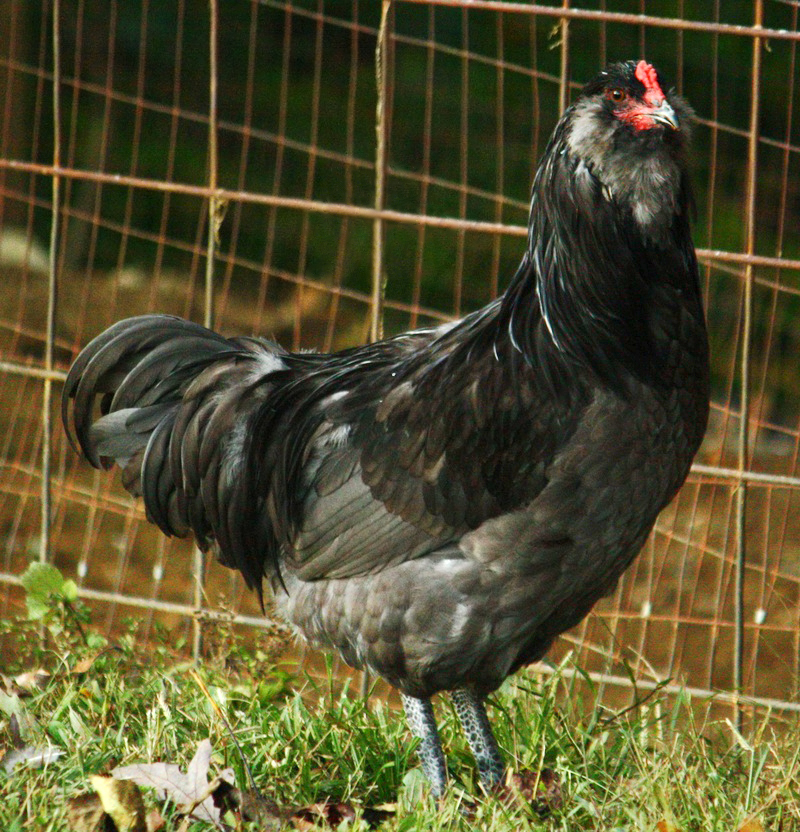
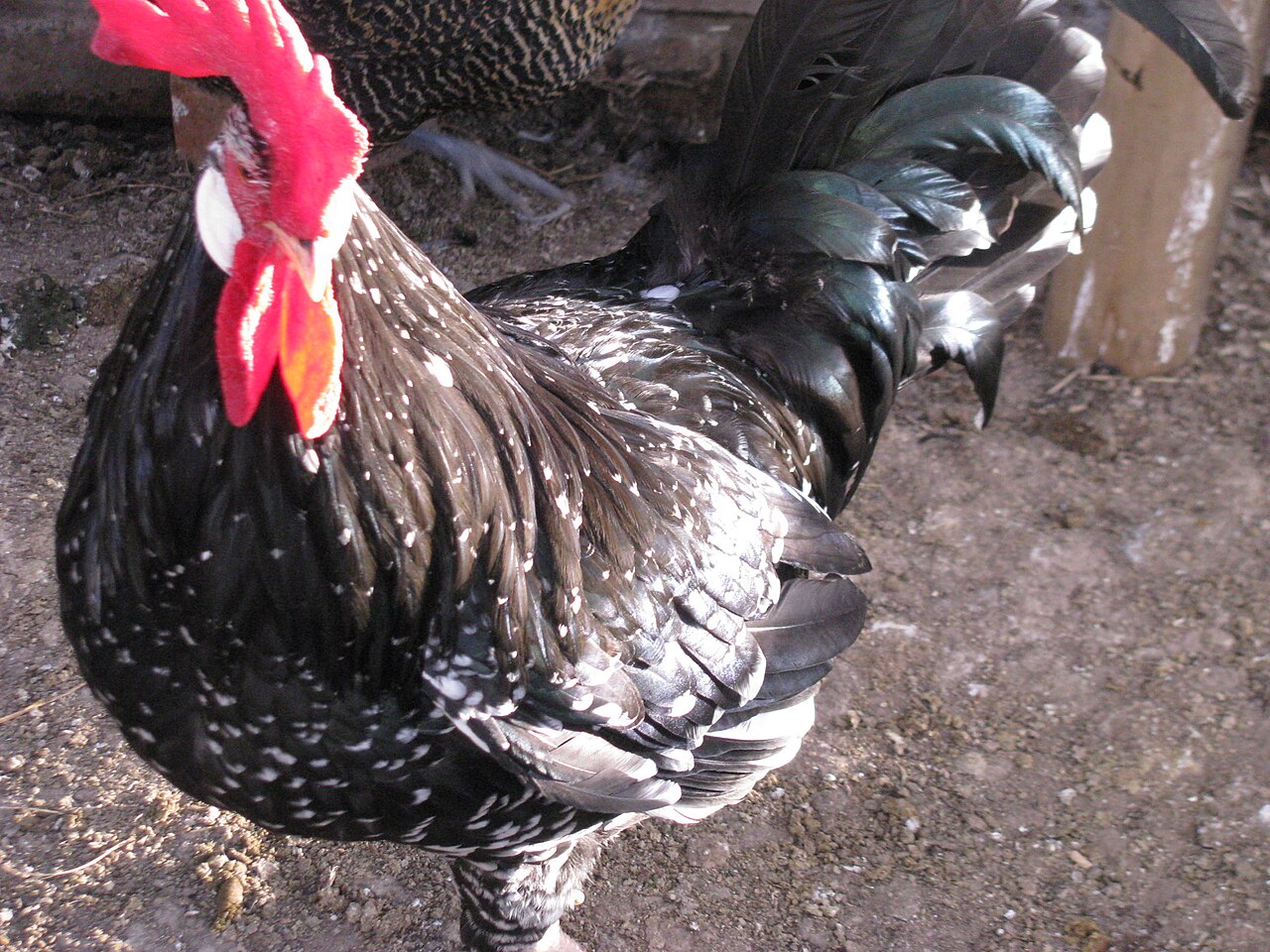
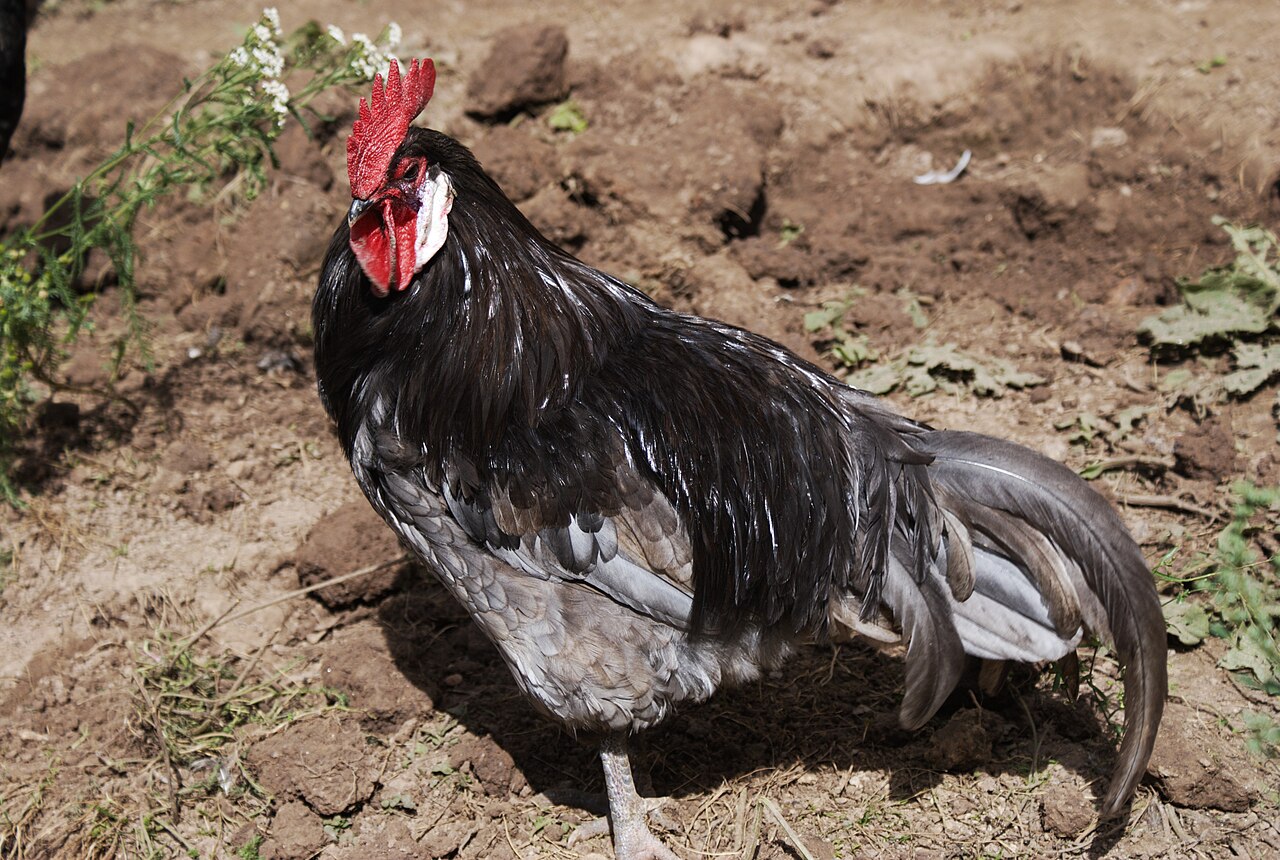
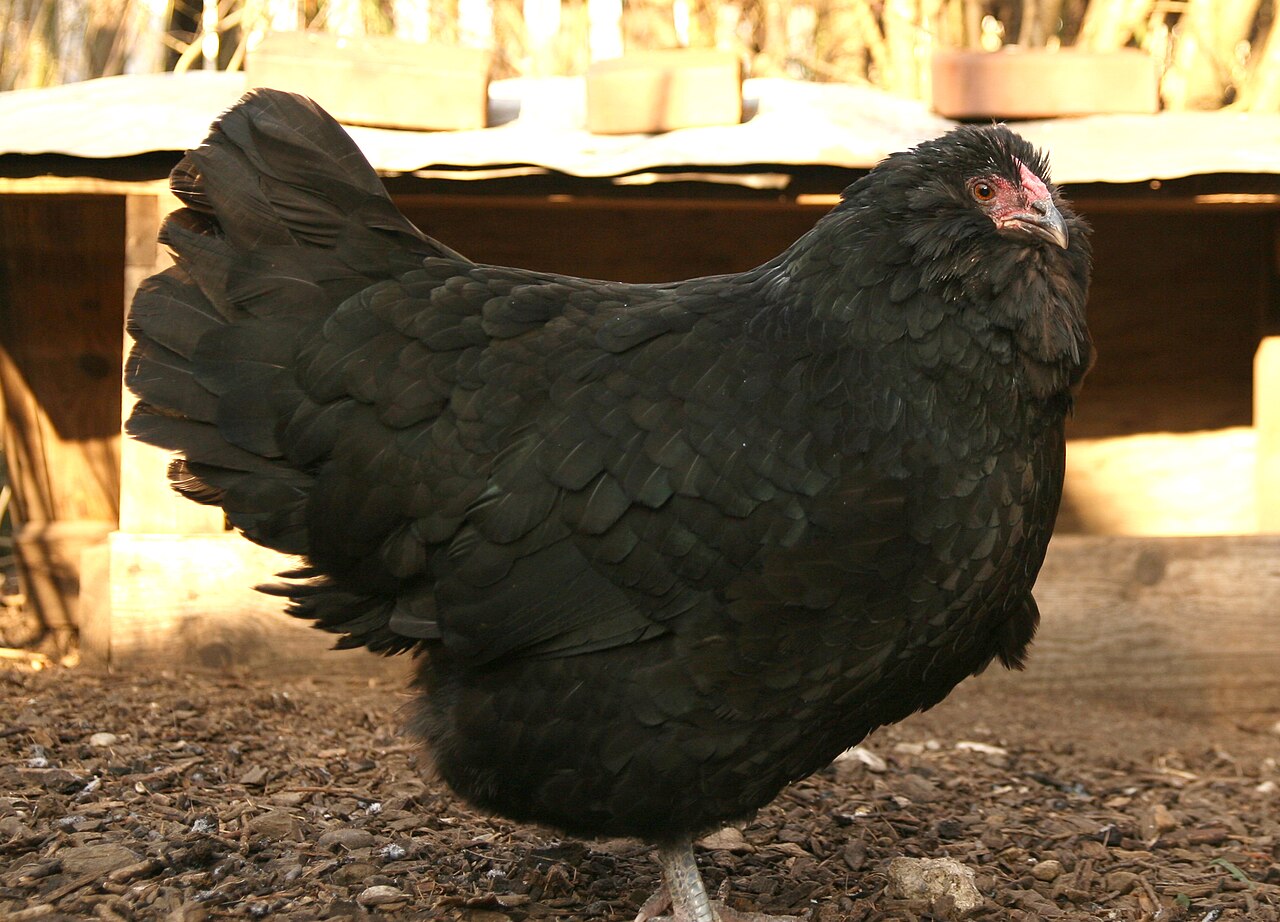
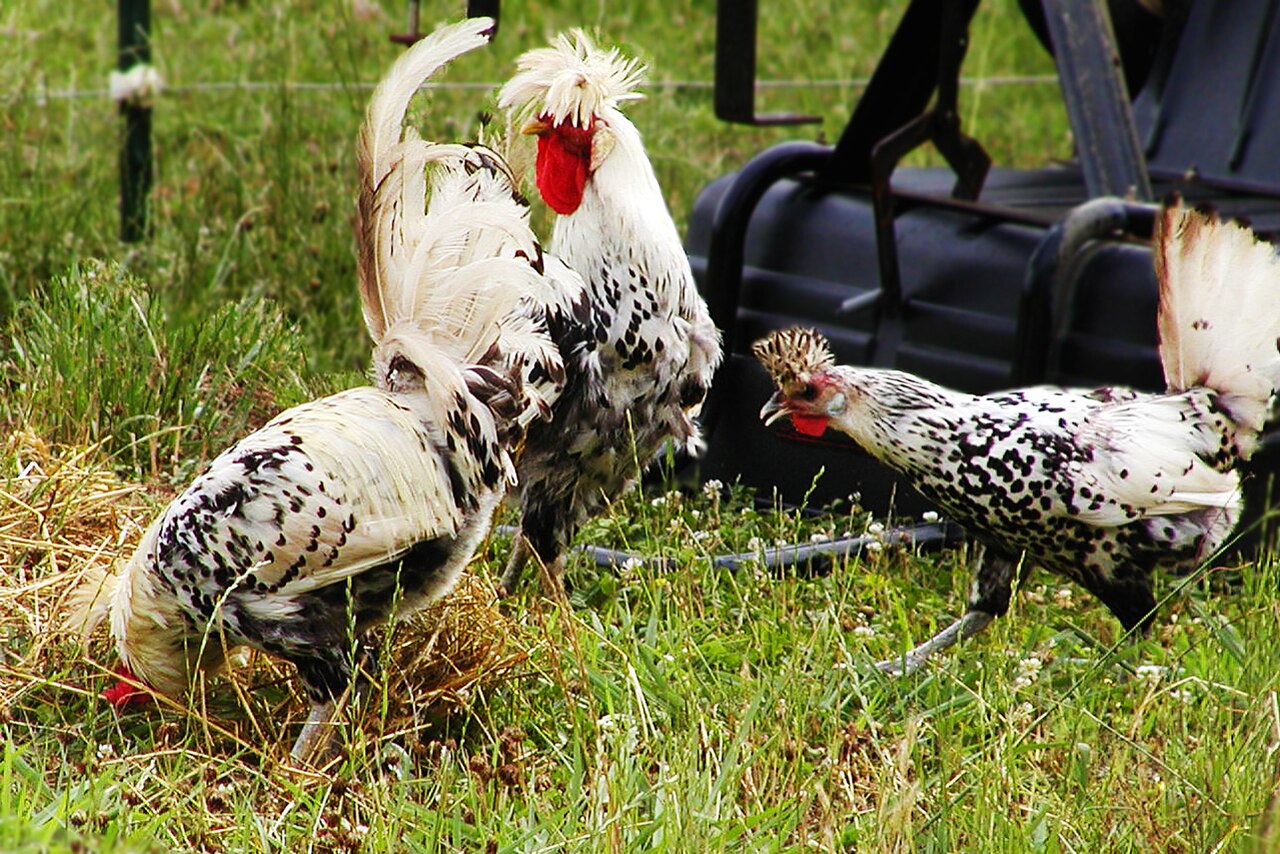
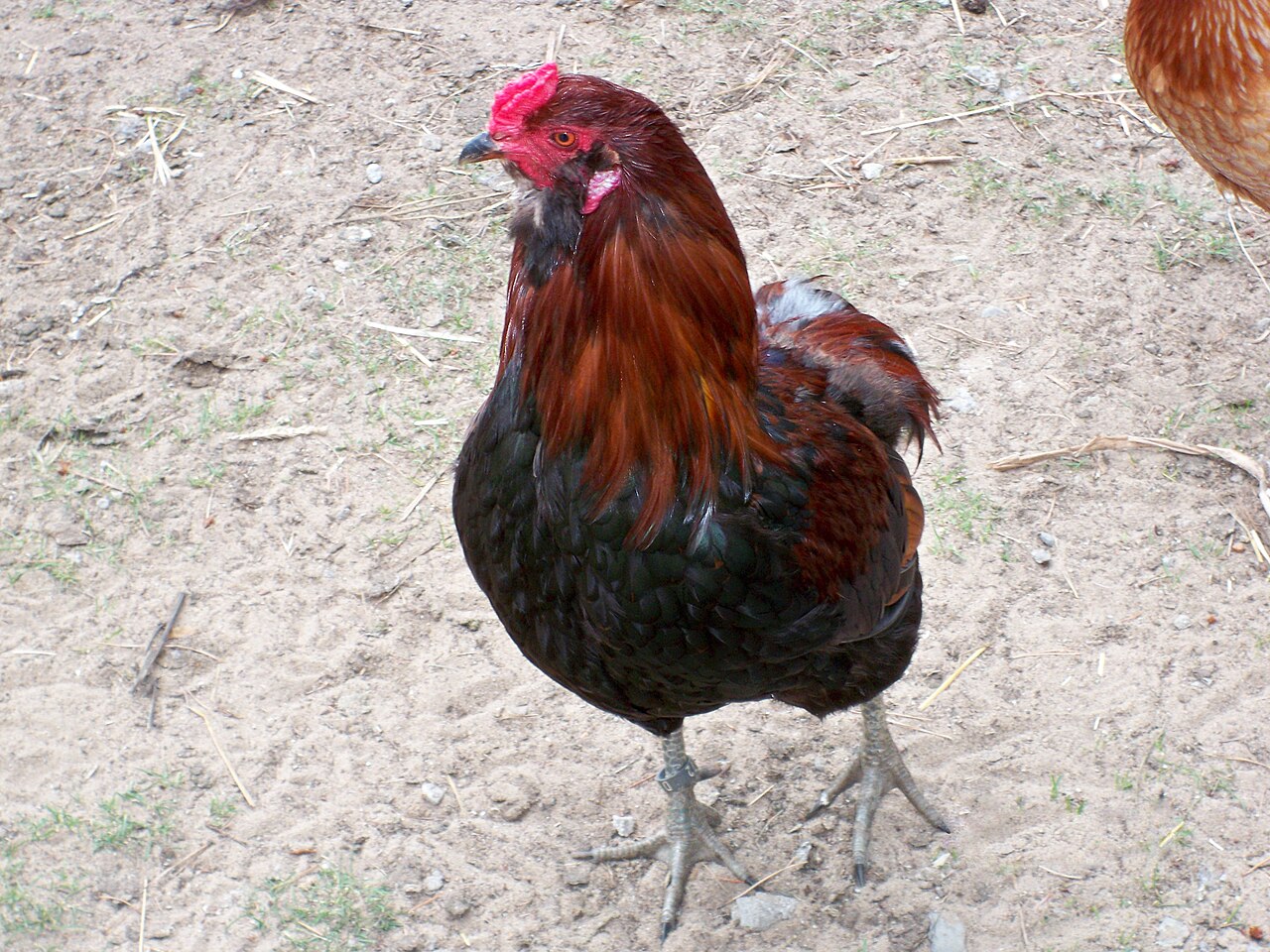
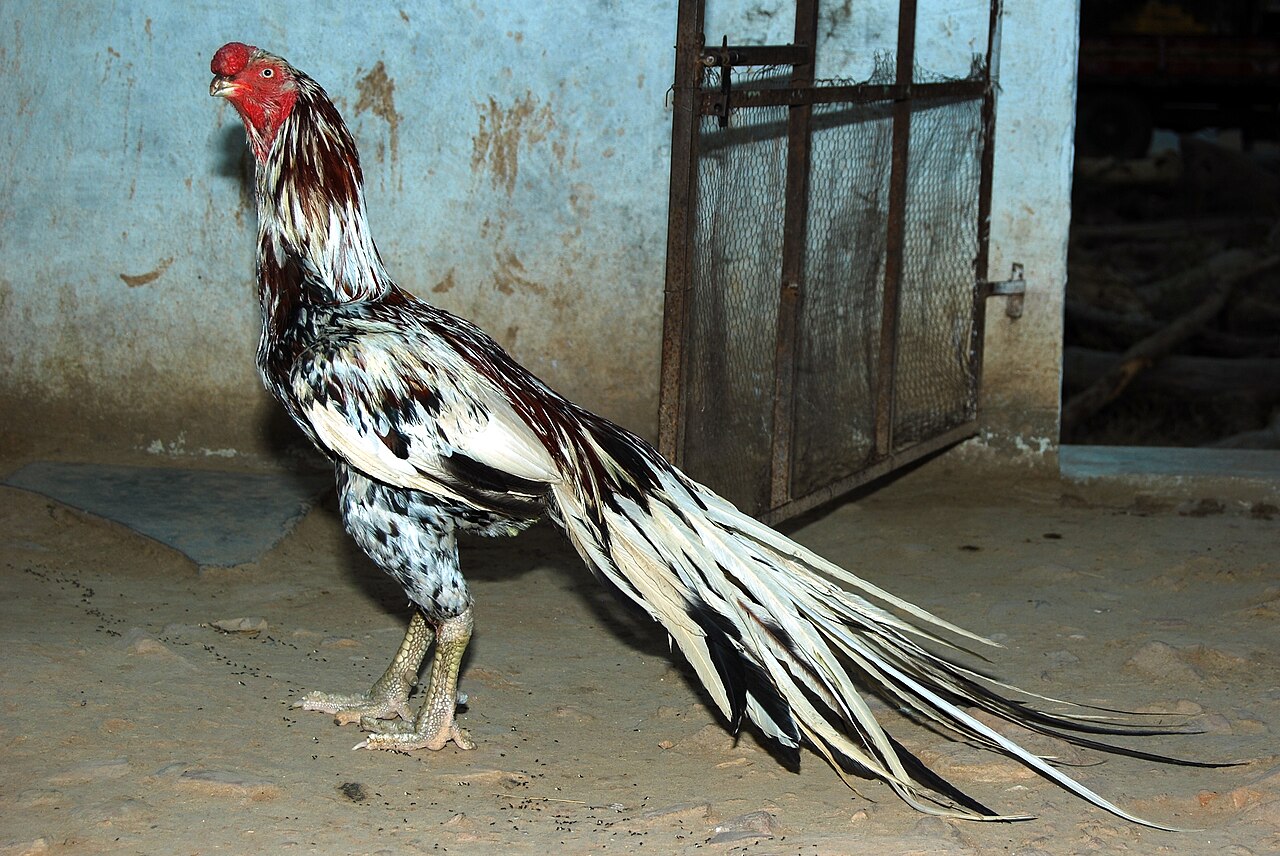
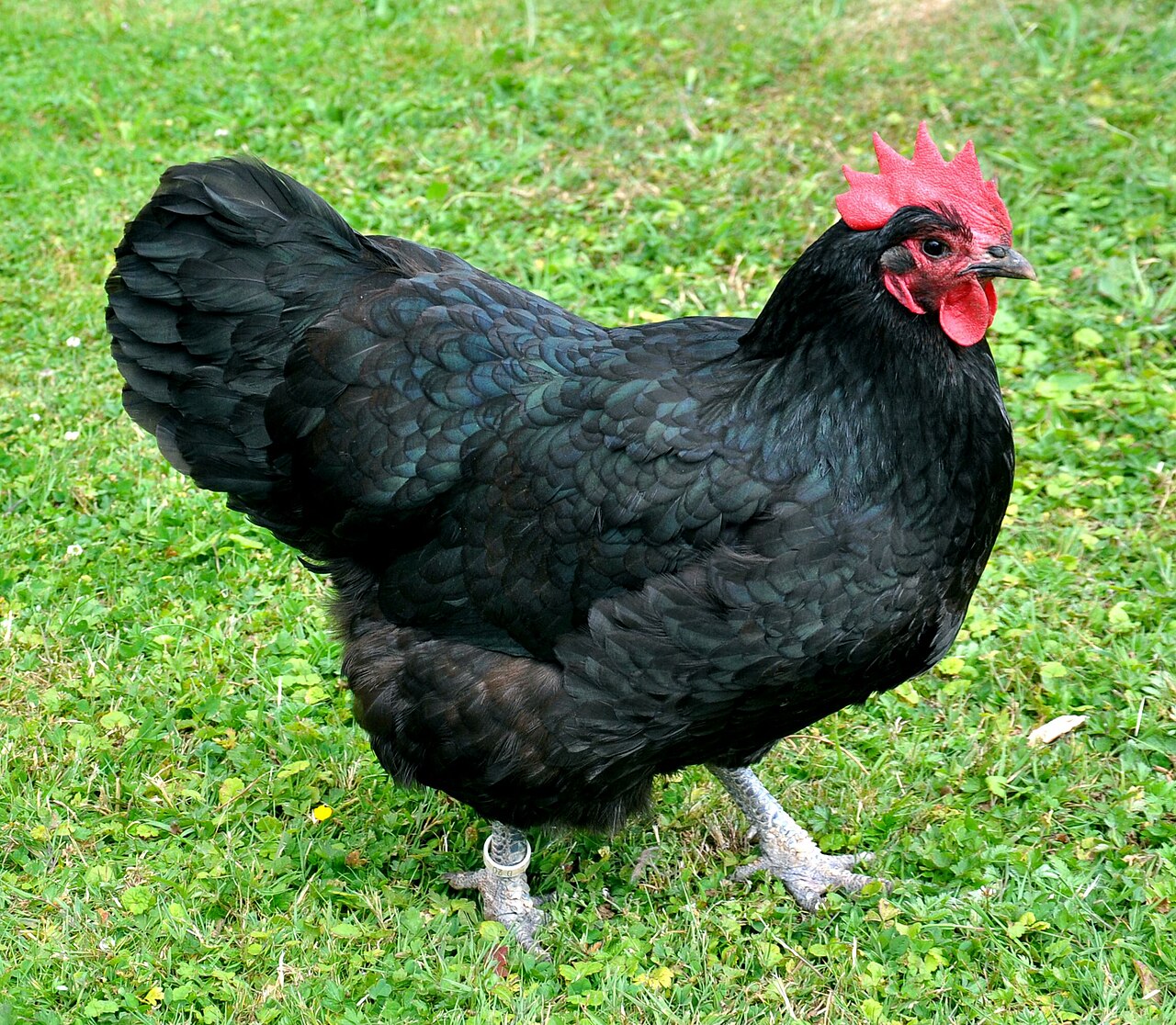
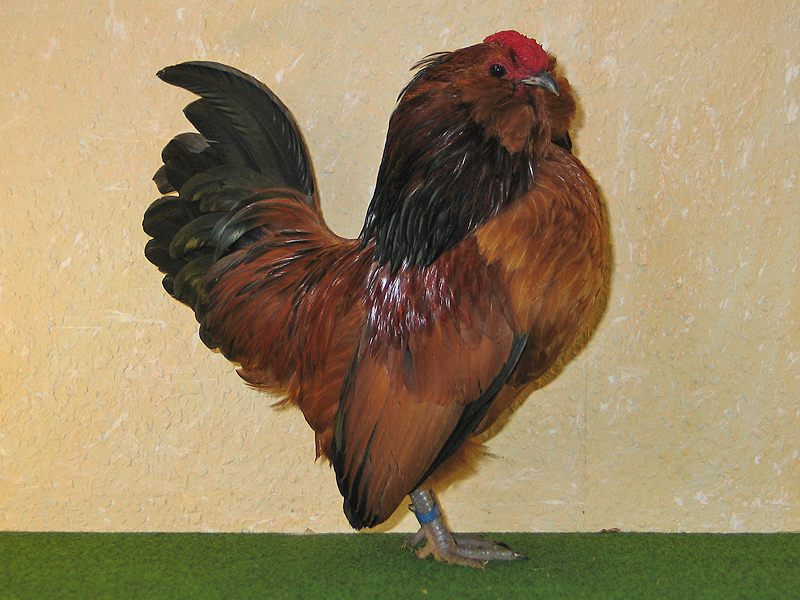
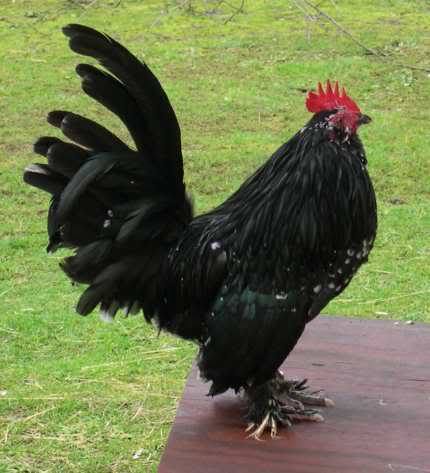
Voir les 299 autres races
- Barbu de Thuringe
- Barbu hollandais
- Barnevelder
- Bassette
- Berg-Schlotter
- Black Rock
- Bleue de France
- Bourbonnaise
- Brabanter
- Braekel
- Brahma
- Bresse-Gauloise
- Buckeye
- Campine
- Cemani
- Chabo
- Chantecler
- Chanteur de Yourlov
- Chanteur du Berg
- Chanteur du Kosovo
- Charollaise
- Combattant anglais ancien
- Combattant anglais moderne
- Combattant de Bruges
- Combattant espagnol
- Combattant indien
- Combattant malais
- Coq de pêche
- Cou nu
- Cou nu du Forez
- Coucou d'Allemagne
- Coucou d'Izegem
- Coucou de Rennes
- Coucou des Flandres
- Courtes-pattes
- Crèvecœur
- Cubalaya
- Denizli
- Dominicaine
- Dorking
- Espagnole à face blanche
- Euskal oiloa
- Faverolles allemande
- Faverolles française
- Fayoumi
- Gauloise dorée
- Gâtinaise
- Géante de Jersey
- Géline de Touraine
- Hergnies
- Hollandaise huppée
- ISA brown
- Italienne
- Java
- Java américaine
- Javanaise
- La Flèche
- Lakenvelder
- Langshan allemande
- Legbar
- Leghorn
- Limousine
- Lohmann Brown
- Lyonnaise
- Marans
- Mouette de Groningue
- Mouette de la Frise orientale
- Naine allemande
- Naine du Tournaisis
- Naine hollandaise
- Niederrheiner
- Onagadori
- Orloff
- Orpington
- Penedesenca
- Phoenix
- Poltava
- Poule Castillane
- Poule Cochin
- Poule Le Mans
- Poule Le Merlerault
- Poule Soie
- Poule ardennaise
- Poule d'Alsace
- Poule d'Augsbourg
- Poule d'Estaires
- Poule de Barbezieux
- Poule de Bielefeld
- Poule de Bohême
- Poule de Bourbourg
- Poule de Bréda
- Poule de Choumen
- Poule de Dresde
- Poule de Frise
- Poule de Gournay
- Poule de Hambourg
- Poule de Houdan
- Poule de Janzé
- Poule de Malines
- Poule de Minorque
- Poule de Norvège
- Poule de Padoue
- Poule de Pavilly
- Poule de Polverara
- Poule de Saxe
- Poule de Twente
- Poule de Westphalie
- Poule de Yokohama
- Poule des Asturies
- Poule du Danemark
- Poule du New Hampshire
- Poule du Reich
- Poule du Sussex
- Poule du Valdarno
- Poule empordanesa
- Poule landaise
- Poule meusienne
- Poule noire du Berry
- Poule suisse
- Pékin
- Ramelsloher
- Red Cap
- Rhode-Island
- Sabelpoot
- Sebright
- Serama
- Sicilienne
- Sombor huppée
- Sulmtaler
- Sultane
- Sumatra
- Sundheimer
- Vorwerk
- Welsumer
- Wyandotte
- Adler Silver chicken
- American Game
- Assendelft
- Australian Game
- Australian Langshan
- Ayam Pelung
- Barbu de Boitsfort
- Barbu de Watermael
- Bionda Piemontese
- California Gray
- Chaams hoen
- Delaware
- Dong Tao chicken
- Eikenburger
- Frisée
- Gallina mallorquina
- Gilyan
- Giriraja
- Harco
- Hijazi chicken
- Hinaidori
- Hrvatica chicken
- Icelandic chicken
- Kadaknath
- Ko Shamo
- Mugellese
- Nagoya Cochin
- Naine croate
- Norfolk Grey
- Ohiki
- Old English Pheasant Fowl
- Oxford Old English Game
- Plymouth
- Polbar
- Posavska kukmasta kokoš
- Poule au long chant
- Poule de Drente
- Poule de Hollande du Nord
- Poule de Pavlovo
- Poule de Prat
- Poule polonaise à pattes vertes
- Poulet de chair
- Rhode Island White
- Robusta Lionata
- Satsumadori
- Scots Dumpy
- Shamo
- Sicilian Buttercup
- Silverudd Blue
- Stara Zagora Red
- Svarthöna
- Thai Game
- Tomaru
- Valdarnese
- Índio Gigante
- Combattant du Nord
- American Long Crower
- Easter egger
- Sindhi Aseel
- Barred Plymouth Rock
- Boschvelder
- Hedemorahöna
- Indio de León
- Schijndelaar
- Totenko
- Öländsk dvärghöna
- Brabançonne
- Combattant de Liège
- Combattant de Tirlemont
- Combattant du Palatinat
- Coucou de France
- Croad Langshan
- Frisée et huppée d'Annaberg
- Millefleurs de Lonigo
- Orava
- Pictave
- Pondeuse de Zingem
- Poule d'Aquitaine
- Poule d'Écosse
- Poule de Caumont
- Poule de Caussade
- Poule de Caux
- Poule de Challans
- Poule de Contres
- Poule de Dampierre
- Poule de Herve
- Poule de Mantes
- Poule de Rhénanie
- Poule de Zottegem
- Poule gasconne
- Poulet de chair de Zingem
- Ross 308
- Wassachiè
- Amarela
- Australian Pit Game fowl
- Ayam Kedu
- Ayam Ketawa
- Barbu d'Everberg
- Barbu de Grubbe
- Belgian Bantam
- Bianca di Saluzzo
- Burmese Bantam
- Cobb 500
- Ermellinata di Rovigo
- Famennoise
- Finnish Landrace Chicken
- Ga Noi
- Gijang Ogolgye
- Gramapriya
- Gà ri
- Holland chicken
- Hồ chicken
- Ingie
- Iowa Blue
- Iwate jidori
- Ixworth chicken
- Jangmigye
- Kaunayen chicken
- Kinpa
- Kuroiler
- Lamona
- Marsh Daisy chicken
- Mericanel della Brianza
- Modern Langshan
- Nankin Bantam
- Noire de Moscou
- Ogye chicken
- Potchefstroom Koekoek
- Pyncheon
- Pépoi
- Robusta Maculata
- Romagnola chicken
- Rumpless Game
- Slovenian Barred Hen
- Slovenian Brown Hen
- Slovenian Silver Hen
- Taiwanese Game
- Tuzo
- Vanaraja
- Yakido
- Yeonsan Ogye
- Burford Brown
- Daisy Belle
- Dekalb Amberlink
- Miss Pepperpot
- Nixi chicken
- RSL chicken
- Sentul chicken
- Winnebago chicken
- Fauve de Hesbaye
- Bantam wyandotte
- Brazilian long crower
- Collonca
- Game hen
- Gueomdak
- Jitokko
- Kokochiè
- Modenese chicken
- O-Shamo
- Svensk dvärg
- Venda chicken
- Welbar
- White Rock
- White Rocks
Sources et crédits
Informations provenant de plusieurs sources vérifiées. Dernière mise à jour : .
Mentions de licence
Texte disponible sous licence CC BY-SA 4.0. Il adapte notamment Wikipedia (CC BY-SA): Donald Shaver (Wikipédia, auteurs dans l’historique de l’article).
- Taxonomie : GBIF Backbone Taxonomy (CC BY 4.0)
Détail : Sources et licences.
Discussion (0)
Aucun message pour l’instant. Lancez la discussion sur cette fiche (sources, précisions, débats éditoriaux).
Connectez-vous pour participer à la discussion.