
- Kingdom
- Animalia
- Phylum
- Chordata
- Class
- Mammalia
- Order
- Artiodactyla
- Family
- Bovidae
- Genus
- Bos
- Species
- Bos taurus
Overview
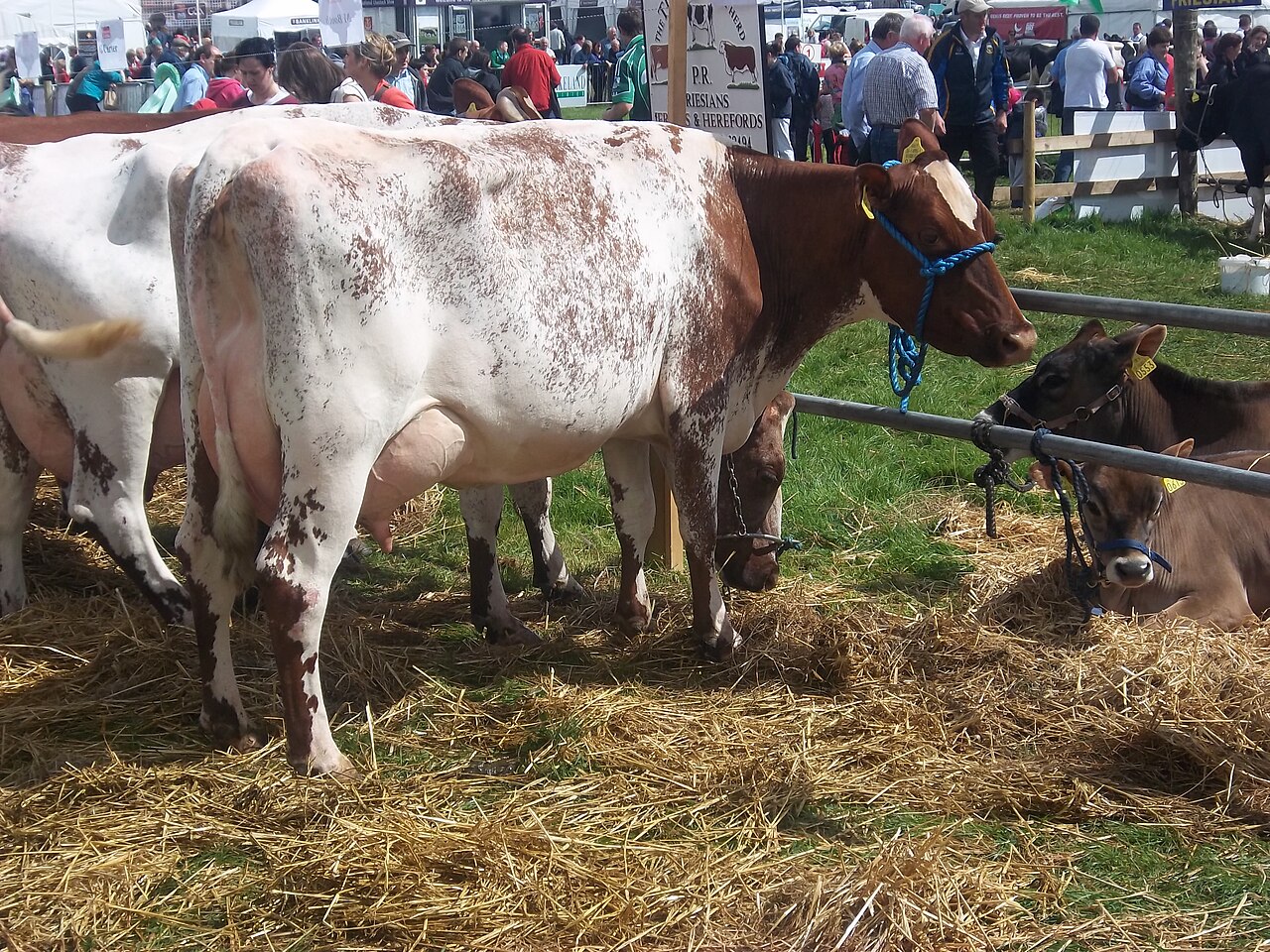
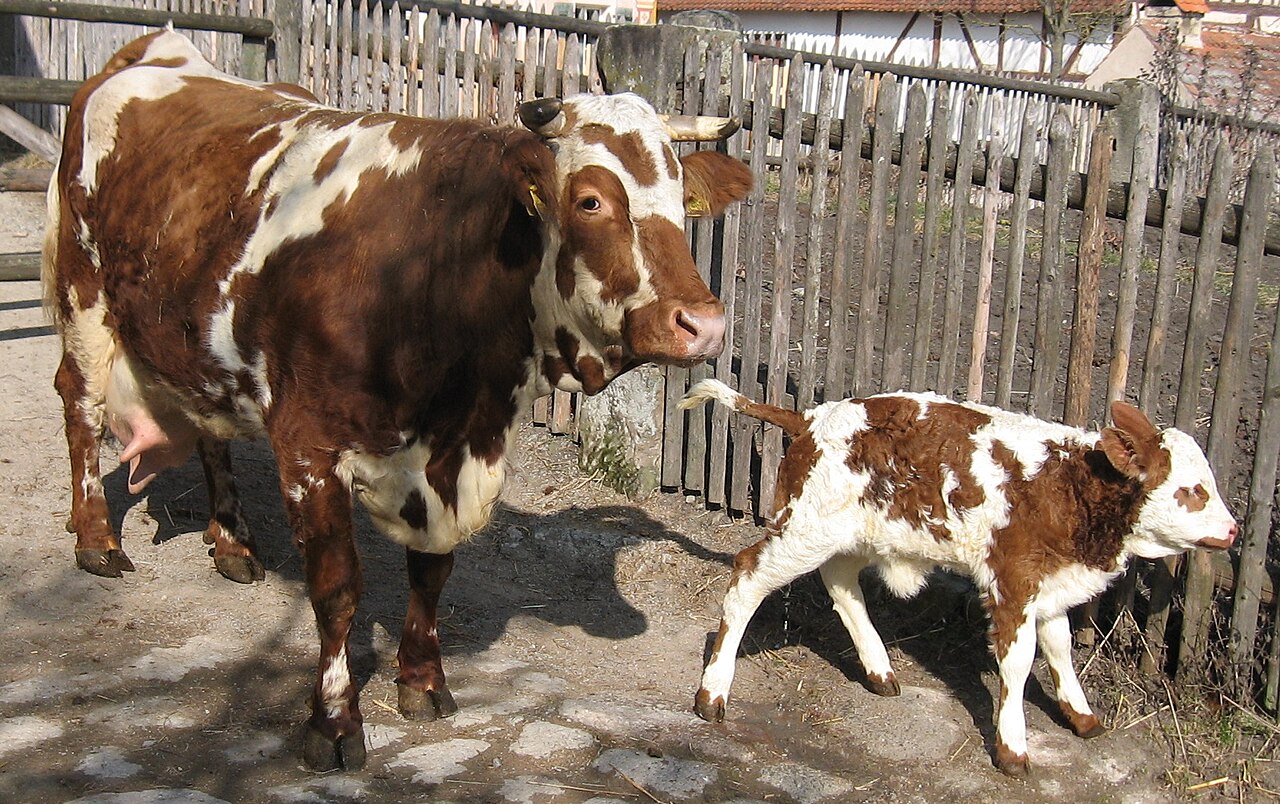
The Dairy Shorthorn is a British breed of dairy cattle. It derives from the Shorthorn cattle of Teesside, in the North Riding of Yorkshire and in Northumbria (now divided between County Durham and Northumberland) in north-eastern England. The Dairy Shorthorn was for this reason at first known as the Durham or Teeswater.
Selective breeding for a dairy type began in the late eighteenth century. This is known as the Dairy Shorthorn in the United Kingdom, Ireland, Australia and South Africa, and as the Milking Shorthorn in New Zealand. The Milking Shorthorn of Canada and the United States shares the origins of the Dairy Shorthorn, but has developed in a different way. The Illawarra Shorthorn of Australia is largely descended from the Dairy Shorthorn.
Worldwide, the conservation status of the Dairy Shorthorn, the Illawarra Shorthorn and the Milking Shorthorn is "not at risk". In the United Kingdom the small remainder of the breed not affected by indiscriminate cross-breeding in the twentieth century is known as the Dairy Shorthorn (Original Population). It is critically endangered. Both it and the Northern Dairy Shorthorn are listed as "priority" – the highest category of risk – on the watchlist of the Rare Breeds Survival Trust.
History
Short-horned cattle of good quality are documented on the Yorkshire estates of the Dukes and Earls of Northumberland in the late sixteenth century.• The first significant attempts at selective breeding of these cattle were made by Charles and Robert Colling in County Durham, who based their work on that of Robert Bakewell of Dishley, in Leicestershire.• The principal work of selection for dairy qualities in the Durham/Shorthorn was done in the early nineteenth century by Thomas Bates of Kirklevington (now in Stockton-on-Tees, North Yorkshire),• building principally on stock bought from the Colling brothers.• A herd-book for all types of Shorthorn cattle – the Coates Herd Book – was begun by George Coates in 1822,• and initially listed 850 cows and 710 bulls;• it was later taken over by the breed society, the Shorthorn Society of Great Britain and Ireland, which was formed in 1874.• Thomas Bates's herd was auctioned off piecemeal in 1850, which led to an expansion of interest in cattle of this type.• For the next hundred years the Shorthorn held a dominant position in British agriculture: in 1937–1938, just before the outbreak of the Second World War, the number of Shorthorn bulls registered with the Ministry of Agriculture and Fisheries was 23730, not far from double the number of all registered bulls of other cattle breeds (12917).• Breed numbers reached a peak in 1949, after which increasing competition from the Friesian caused them to decline rapidly. The number of registered bulls, already much lower than before the war at about 35% of the national total in 1949, fell to little over 10% in 1960.• Separate sections for beef and dairy strains within the Shorthorn breed were created in 1958.•
In 1969 the breed society approved a programme of cross-breeding of the Dairy Shorthorn with a variety of other European breeds. Initially these were the Danish Red, the Meuse-Rhine-Yssel, the Red Friesian, the Red Holstein and the Simmental;• later, introgression from Angeln, Ayrshire, Norwegian Red and Swedish Red-and-White was also permitted, as was the use of any bull that the Society had approved. Animals with no more than 25% Shorthorn heritage could be registered in the Dairy Shorthorn herd-book.• The programme led to the development of a new composite breed, the Blended Red-and-White Shorthorn. It also led to the virtual extinction of the Dairy Shorthorn: by about 2009 there fewer than 100 breeding cows, and by 2012 there were no more than 50; in that year six purebred calves were added to the herd-book. The remnants of the breed were renamed to Dairy Shorthorn (Original Population)• It is a critically endangered breed;• both it and the Northern Dairy Shorthorn are listed as "priority" – the highest category of risk – on the watchlist of the Rare Breeds Survival Trust.•
Shorthorns were exported to Maryland and Virginia in the United States from 1783, and in the early nineteenth century expanded into Kentucky, New York, Ohio and the Midwest.• These developed into a separate population, the North American Milking Shorthorn. No population data for the United States has been reported to DAD-IS since 2013, when there were just under 2800 head;• in Canada the total number reported for 2022 was 182, and the conservation status of the breed was listed in DAD-IS as "at risk/critical".•
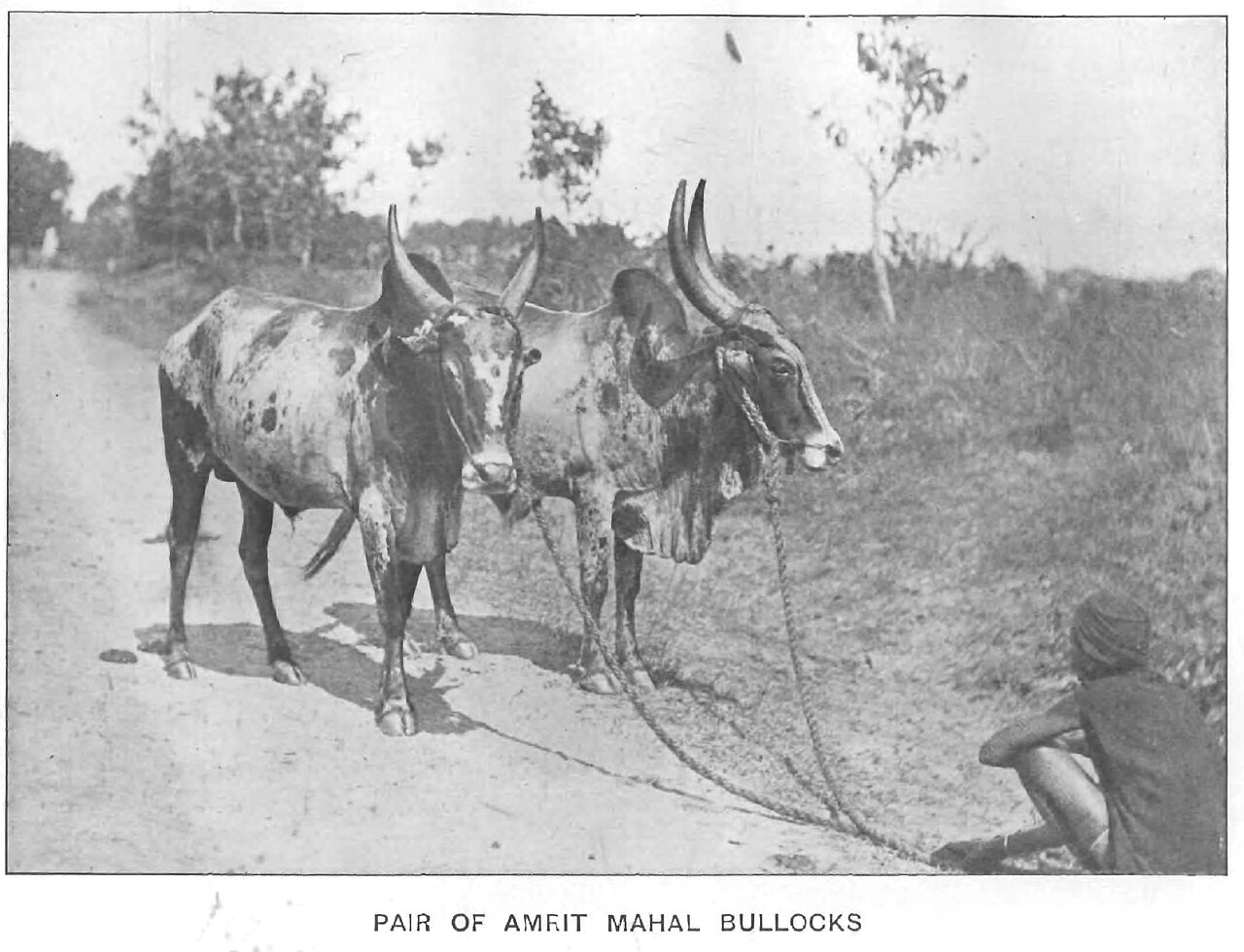
The first dairy cows imported into New Zealand were Shorthorns, when in 1814, they were shipped from New South Wales. Shorthorns were used as draught animals in bullock teams, were good milkers and provided good meat. Shorthorn herds were established by the early 1840s, and for a long time Shorthorns were New Zealand's most popular cattle breed.
The Dairy Shorthorn has contributed to the development of other dairy breeds, including the Swedish Red Pied and the Illawarra Shorthorn of Australia.[citation needed]
Characteristics
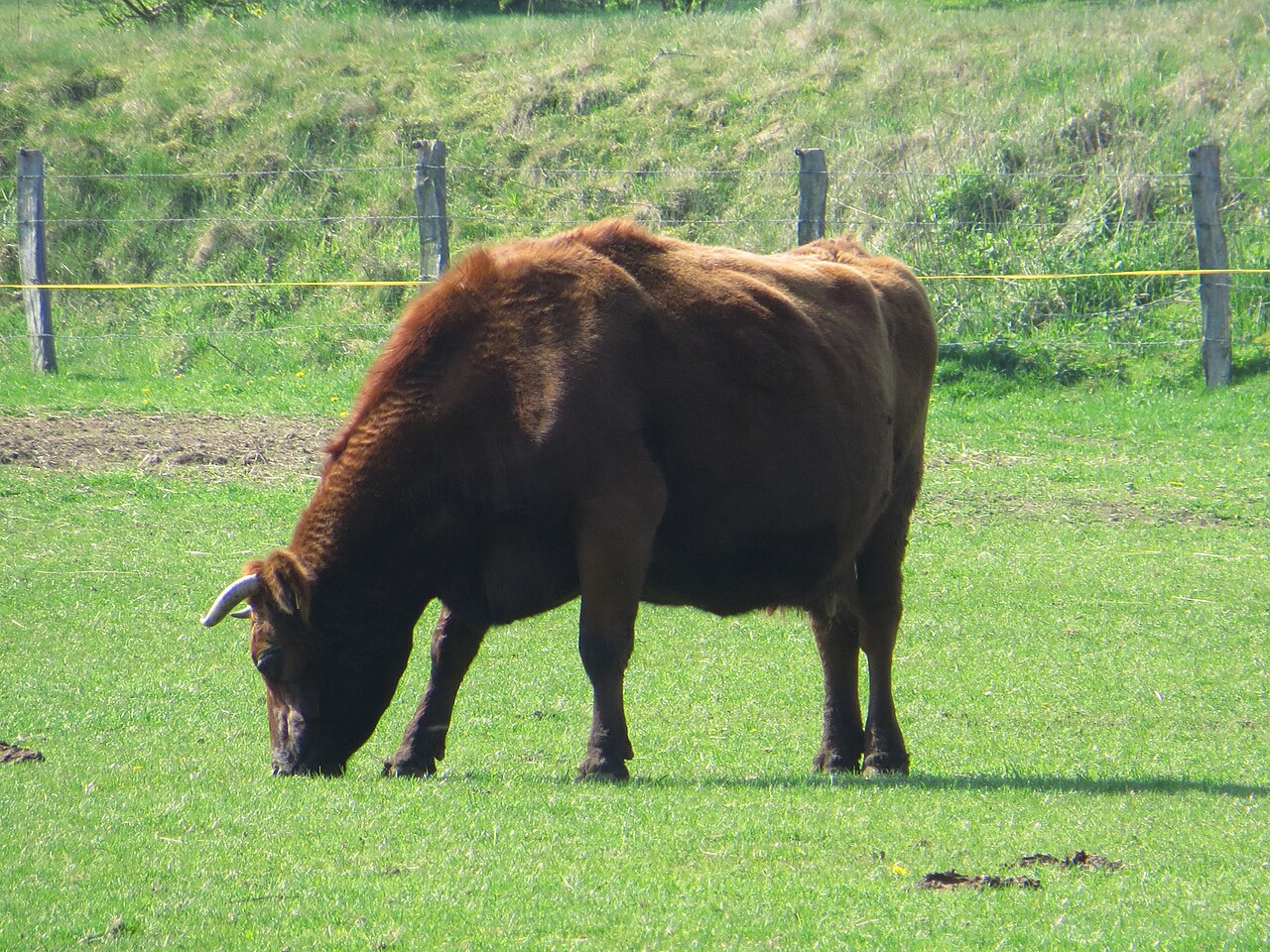
The traditional Dairy Shorthorn is of medium size: the average height at the withers of mature cows is about 140 cm, and body weights usually lie in the range 640 to 680 kg.•
Original strains
A small number cattle relatively little affected by cross-breeding remain, and are listed as the Dairy Shorthorn (Original Population) in the United Kingdom.• The former Dairy Shorthorn population in Australia was reported as extinct in 2022.• These cattle are more suited to beef production than the modern Dairy Shorthorn, and so may be known as Dual-purpose Shorthorns.•
Use
The milk yield averages approximately 7000 kg in a lactation of 305 days, with some 3.5%–4.0% milk-fat and 3.0%–3.5% protein.•
Gallery
Ajouter des photos
Partagez vos photos de cette espèce (jusqu'à 20 à la fois) : elles sont vérifiées automatiquement, puis publiées.
Autres races de l'espèce (521)
Espèce : Bovin domestique
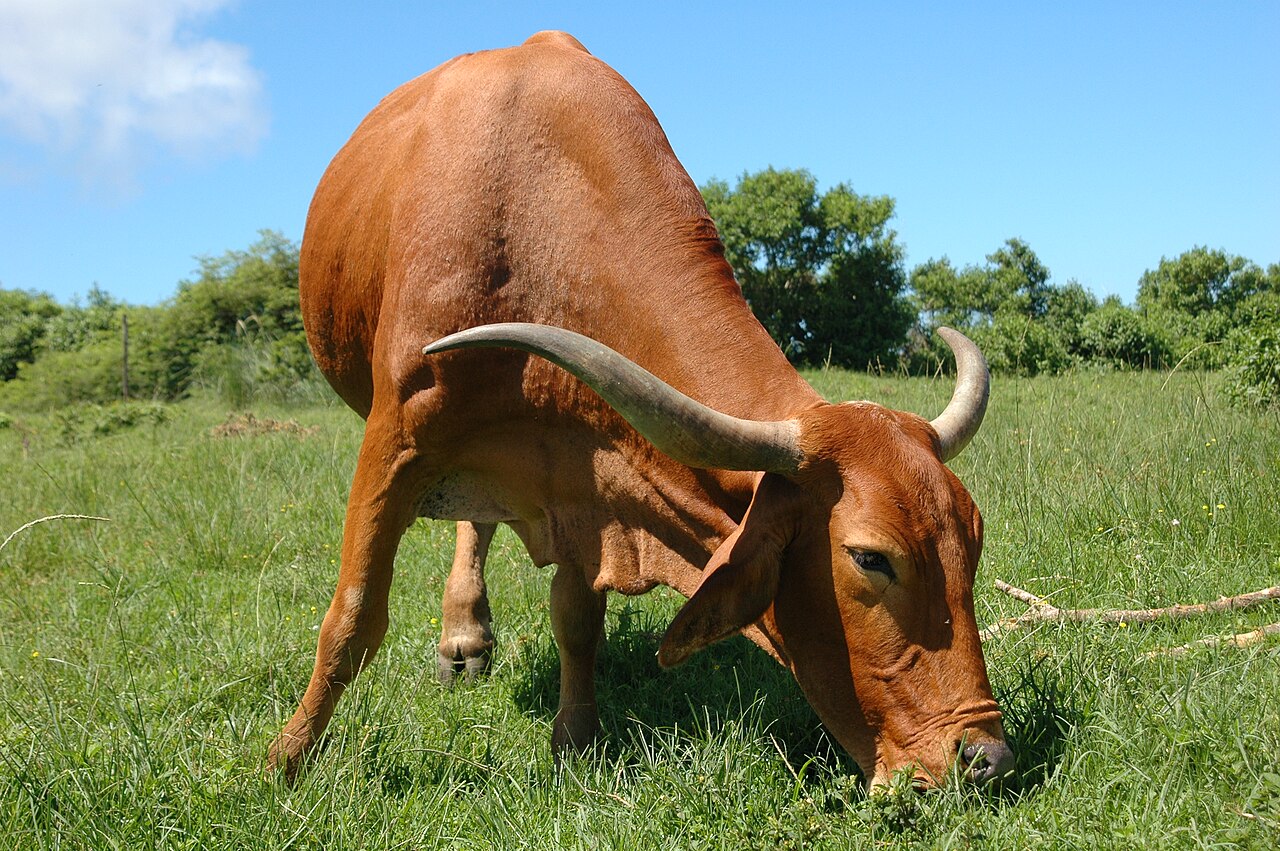
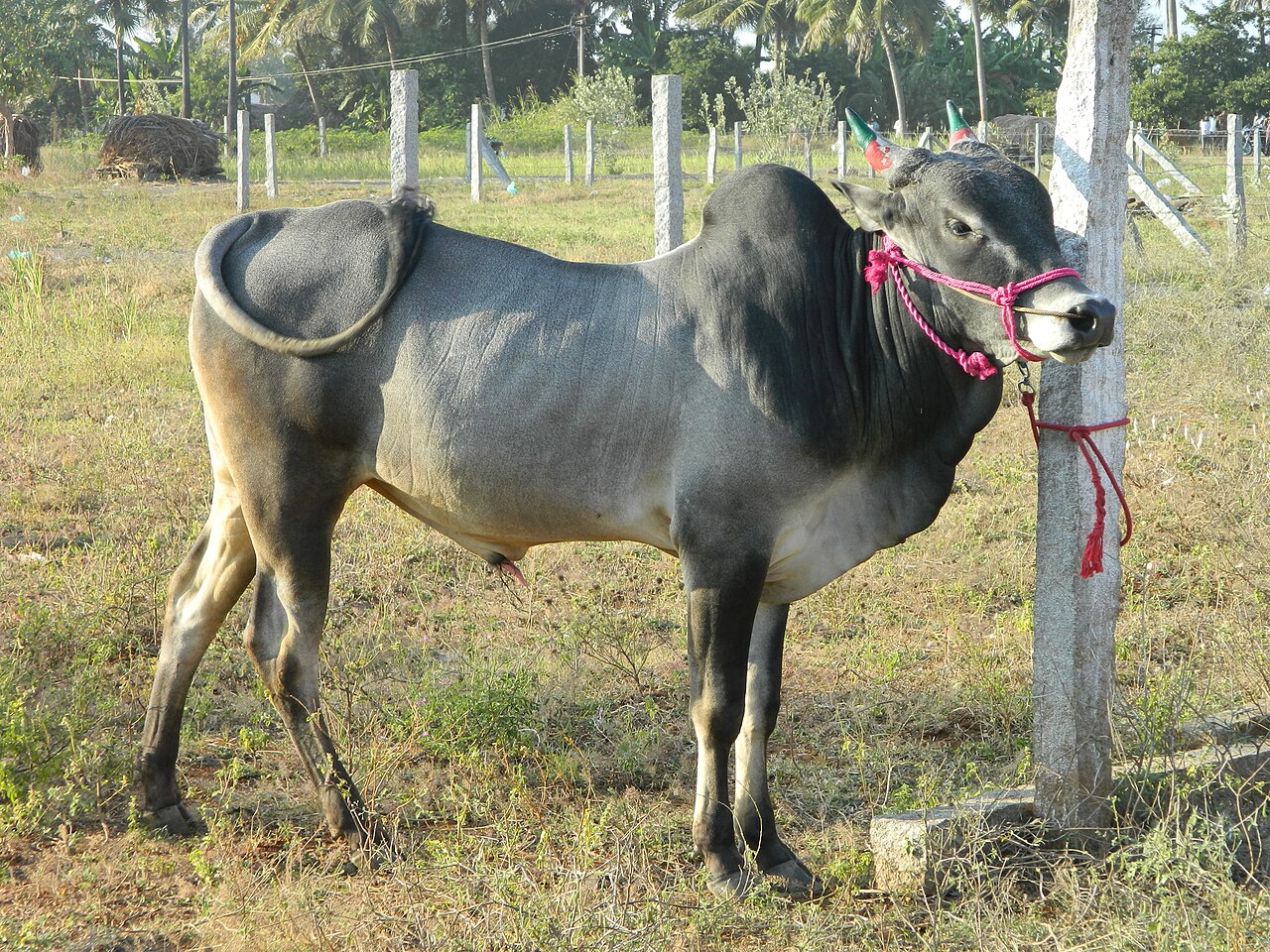
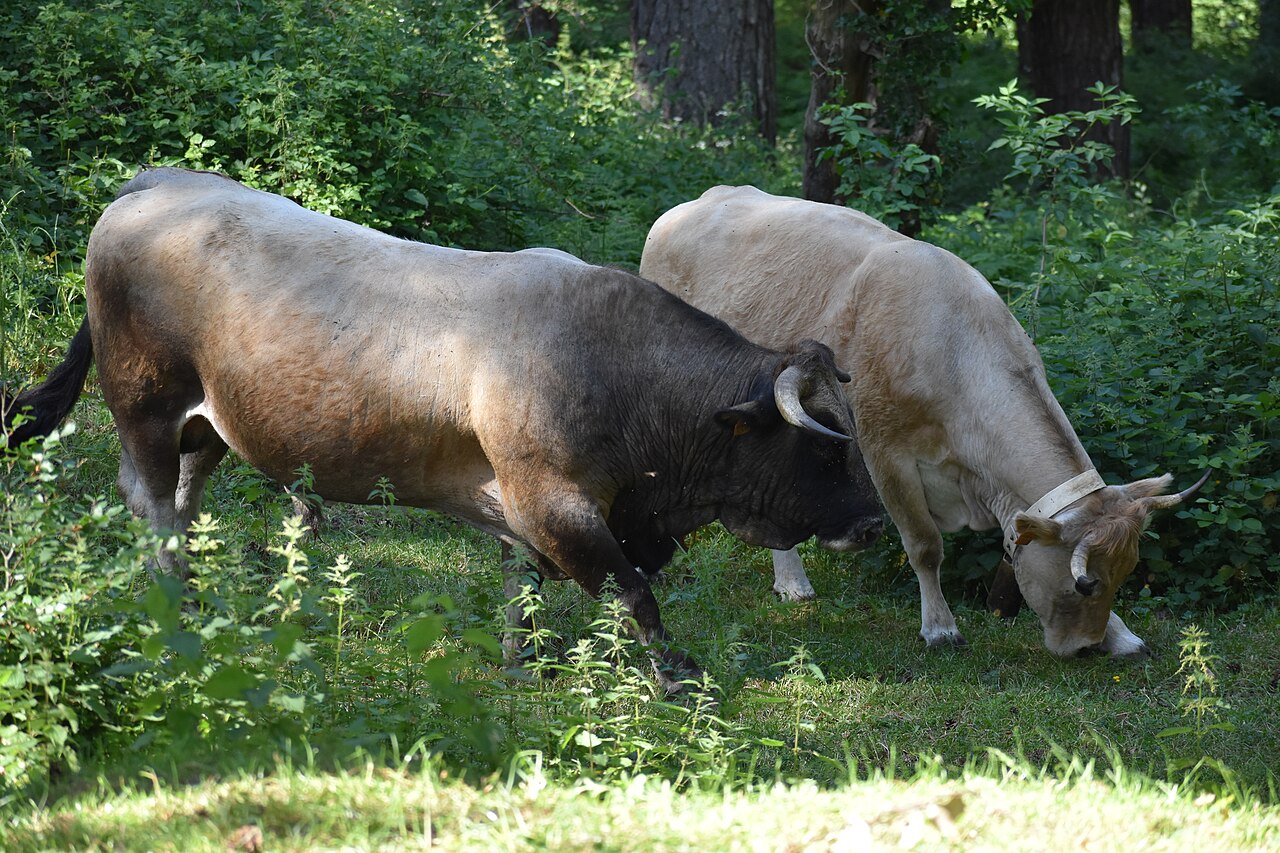
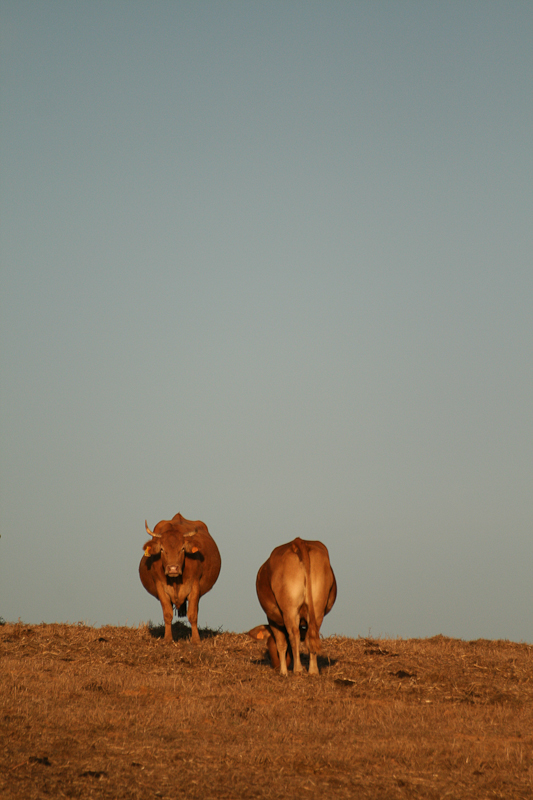
Voir les 509 autres races
- Asturiana de la montaña
- Asturiana de los Valles
- Aubrac
- Aure-et-Saint-Girons
- Aurochs de Heck
- Avilena
- Ayrshire
- Azawak
- Bargur
- Barrosã
- Bazadaise
- Beefalo
- Beefmaster
- Berrenda en colorado
- Betizu
- Blaarkop
- Black baldy
- Blanc bleu belge
- Bleue de Lettonie
- Bleue du Nord
- Blonde d'Aquitaine
- Blonde de Carinthie
- Bohuskulla
- Bonsmara
- Bordelaise
- Boškarin
- Brahmane
- Brangus
- Braunvieh
- Brava
- Bretonne Pie Noir
- British White
- Brown swiss
- Brune
- Brune de Lettonie
- Brune de l'Atlas
- Burlina
- Buša
- Béarnaise
- Bœuf Moka
- Bœuf gris de Hongrie
- Cachena
- Caldelà
- Calvana
- Camargue
- Canaria
- Caracu
- Charbray
- Charolaise
- Cheurfa
- Chianina
- Cikasto govedo
- Cinisara
- Corriente
- Corse
- Cotentine
- Coursière
- Créole
- Dangi
- Deoni
- Deutsches schwarzbunte
- Devon
- Dexter
- Drakensberg
- Droughtmaster
- Dølafe
- Eesti Punane
- Ennstaler bergschecken
- Ferrandaise
- Fjall
- Fjord de l'ouest
- Fleckvieh
- Fribourgeoise
- Frieiresa
- Frisonne
- Frisonne-sahiwal australienne
- Froment du Léon
- Fémeline
- Galloway
- Galloway ceinturée
- Gangatiri
- Gaolao
- Garfagnina
- Garonnaise
- Gasconne des Pyrénées
- Gelbvieh
- Gessienne
- Gir
- Glamorgan
- Glan rind
- Grigio alpina
- Gris ukrainien
- Grise de Murray
- Grise rhétique
- Guernesey
- Hallikar
- Hanu
- Hariana
- Harzer rotvieh
- Hereford
- Highland
- Hinterwälder
- Holstein
- INRA 95
- Iakoute
- Iaroslavl
- Illawarra
- Inyambo
- Irish moiled
- Islandaise
- Itäsuomenkarja
- Japanese black
- Japanese poll
- Jersiaise
- Kangayam
- Kankrej
- Kerry
- Khillari
- Kiwi
- Kostroma
- Kouri
- Lakenvelder
- Limia
- Limousine
- Limpurg
- Lincoln red
- Lineback
- Longhorn
- Lourdaise
- Luing
- M'bororo
- Mallorquina
- Malnad Gidda
- Malvi
- Maraîchine
- Marchigiana
- Maremmana
- Marine landaise
- Marismeña
- Maronesa
- Menorquina
- Mertolenga
- Meuse-Rhin-Yssel
- Milking devon
- Minhota
- Mirandaise
- Mirandesa
- Modenese
- Montbéliarde
- Morucha
- Murboden
- Murnau-werdenfels
- Mézine
- Nantaise
- Ndama
- Nguni
- Nimari
- Nordland
- Normande
- Nélore
- Ongole
- Pajuna
- Parthenaise
- Pie rouge de Carhaix
- Pie rouge de Norvège
- Pie rouge de Suède
- Pie rouge des plaines
- Pinzgauer
- Pirenaica
- Piémontaise
- Podolica
- Ponwar
- Prim'Holstein
- Punganur
- Pustertaler
- Race bovine canadienne
- Ramo grande
- Randall
- Razzetta d'Oropa
- Red Poll
- Red holstein
- Red kandhari
- Reggiana
- Rendena
- Retinta
- Rhodope
- Ringamala
- Romagnola
- Romosinuano
- Rouge Belmont
- Rouge danoise
- Rouge de Belgique
- Rouge de Pologne
- Rouge de Suède
- Rouge des prés
- Rouge flamande
- Rubia galega
- Sahiwal
- Salers
- Santa Gertrudis
- Saosnoise
- Sarlabot
- Sayaguesa
- Saïnata
- Shetland
- Shorthorn
- Simmental
- Simmental française
- South Devon
- Speckle park
- Sussex
- Sénépol
- Tarentaise
- Taureau blanc de Chillingham
- Taureau de combat
- Terreña
- Texas Longhorn
- Tharparkar
- Tiroler Grauvieh
- Touli
- Tudanca
- Tux-zillertal
- Télémark
- Uckermärker
- Vache d'Hérens
- Vache de Floride
- Valdostaine pie noire
- Valdostaine pie rouge
- Vaynol
- Vechur
- Vianesa
- Villard-de-Lans
- Vogelsberger
- Vorderwälder
- Vosgienne
- Wagyu
- Wakwa
- Waldviertler Blondvieh
- Watusi
- Welsh black
- White park
- Zébu mahorais
- Alderney cattle
- American Angus
- Anatolian Black
- Arado cattle
- Australian Braford
- Australian Brangus
- Beef Shorthorn
- Braford
- Bruna dels Pirineus
- Chinese Black and White
- Criollo argentin
- Deutsche Rotbunte
- Dutch Belted
- Finnish Ayrshire
- German Angus
- Greyman
- Japanese Shorthorn
- Jarmelista
- Javari
- Kasaragod Dwarf
- Kazakh Whiteheaded
- Kherigarh
- Krishna Valley
- Kuchinoshima cattle
- Länsisuomenkarja
- Madura cattle
- Mishima cattle
- Morucho
- Murrah
- Niata cattle
- North American Piedmontese
- Palmera cattle
- Philippine Native
- Pohjoissuomenkarja
- Rameau podolique
- Raramuri Criollo
- Red Angus
- Red Brangus
- Red Fulani
- Sanga
- Swedish Friesian
- Taurus
- Tswana cattle
- Umblachery
- Vache à viande
- Valdostaine châtaine
- Whitebred Shorthorn
- Zébu nain
- Africangus
- Ankole
- Belarus Red
- Black Hereford
- Blue Grey cattle
- Rameau ibérique
- Avileña-Negra ibérica bociblanca
- Casta Navarra
- Clavel cattle
- Czech Fleckvieh
- Mantequera leonesa
- Pasundan
- Pezzata Rossa Italiana
- Tajima cattle
- West African dwarf cattle of Lagune
- Morvandelle
- Adaptaur Belmont
- Agerolese
- Alistana sanabresa
- Allmogekor
- American
- Amerifax
- Australian lowline
- Bachaur
- Baladi
- Barzona
- Beefmaker
- Bengali
- Berrenda en negro
- Blanca Cacereña
- Blanco Orejinegro
- Bleue de Bazougers
- Blue Albion
- Boran
- Brahmousin
- Bressanne
- Brune de Guingamp
- Brune italienne
- BueLingo
- Cabannina
- Canchim
- Caqueteño
- Cardena andaluza
- Casanareño
- Channi
- Chiangus
- Chittagong rouge
- D'jakoré
- Deutsches Braunvieh
- Eesti maatõug
- Garvonesa
- Gloucester
- Gorbatov rouge
- Grise de Lituanie
- Grise du nord Bengale
- Guelmoise
- Harton del valle
- Hays converter
- Indubrasil
- Istobensk
- Jutland
- Kalmouk
- Lucerna
- Mancelle
- Mandalong
- Marinhoa
- Modicana
- Monchina
- Murciana levantina
- Negra andaluza
- Pabna
- Pasiega
- Pasturina
- Pie noire du Danemark
- Pie noire russe
- Pie rouge belge
- Pineywoods
- Pisana
- Pontremolese
- Rahaji
- Rouge de Lituanie
- Rouge de Norvège de l'est
- Rouge de Norvège de l'ouest
- Rouge sicilienne
- Rénitello
- Sanganer
- Sarda
- Sardo-modicana
- Sindhi rouge
- Square Meater
- Sytchiovka
- Tambov rouge
- Tourache
- Tswana
- Tulim
- Twinner
- Varzese
- Velasquez
- Vänekor
- Wittgensteiner Blazed
- Zébu laitier australien
- Évolène
- Abergele cattle
- Achham cattle
- Afar cattle
- Alatau cattle
- Algarvia
- Andalusian Black cattle
- Aulie-Ata cattle
- Baggara cattle
- Baoulé
- Bestuzhev cattle
- Bhagnari
- Brown Carpathian cattle
- Bushuyev cattle
- Bœuf tacheté de Hongrie
- Caucasian Brown
- Cholistani
- Crioulo Lageano
- Dajal cattle
- Danish Jersey
- Dhanni
- Djelli
- Droimeann
- Dutch Improved Red Pied
- Frankeston
- Georgian Mountain cattle
- German Black Pied Dairy
- Girolando
- Holando-Argentino
- Jamaica Hope
- Japanese Brown
- Jeju Black
- Kenkatha
- Kurgan cattle
- La Reina cattle
- Lebedyn cattle
- Lohani cattle
- Mocho Nacional
- Mongolian cattle
- Nagpuri
- Original Braunvieh
- Pembroke cattle
- Poda Thurpu
- Preta
- Pulikulam
- Red Mingrelian
- Romanian Bălțata
- Siboney de Cuba
- Siri cattle
- Swedish Red Pied
- Swiss Holstein
- Tabapuã
- Tasmanian Grey
- Tipo Carora
- Vache de l'île Amsterdam
- Vache horro
- Volinian Beef
- Yanbian cattle
- Yuanxing
- Yurino cattle
- Zenga
- Chino santandereano
- Doayo cattle
- Mateba
- Abruzzese cattle
- Aceh cattle
- Adamawa cattle
- Albanian Prespa cattle
- American White Park
- Baherie cattle
- Bakosi cattle
- Balancer
- Begayt cattle
- Brachykeratiki
- Criollo
- Fogera cattle
- Junqueira cattle
- Latvian Danish Red
- Mehsana buffalo
- Mewati cattle
- Miniature Texas Longhorn
- Mirkadim
- Preta cattle
- Sarda cattle
- Sardo Bruna
- Selembu
- Sunandini
- Tory Island Cattle
- Brangus beef cattle
- Cabrera's Breed
- Central Plains Yellow
- Chikso
- Dwarf Lulu
- Encaste Albaserrada
- Encaste Atanasio Fernández
- Encaste Juan Pedro Domecq
- Encaste Santa Coloma
- Encaste Urcola
- Gallardo's Breed
- Granemåla cow
- Gulya
- Hybridmaster
- Jijona's Breed
- Northern Dairy Shorthorn
- Northern Yellow
- Pallaresa
- Portuguese Cattle
- Rode geus
- Rögnarödsko
- Saltillo's Breed
- Sykia
- Traditional Hereford
- Vache de Gotō
- Vistahermosa Caste
- Vistahermosa's breed
- Vogelsberger Rind
- Vázquez Breed
- Évolénarde
Sources et crédits
Informations provenant de plusieurs sources vérifiées. Dernière mise à jour : .
Crédits photos (7)
- Photo : Finnegas · CC BY-SA 3.0 · via Wikimedia Commons
- Photo : Finnegas · CC BY-SA 3.0 · via Wikimedia Commons
- Photo : Simon Huguet · CC BY-SA 2.0 · via Wikimedia Commons
- Photo : Simon Huguet · CC BY-SA 2.0 · via Wikimedia Commons
- Photo : Tweed, Isa · Domaine public · via Wikimedia Commons
- Photo : Internet Archive Book Images · Domaine public · via Wikimedia Commons
- Photo : JIRCAS Library from Tsukuba, Japan · CC BY 2.0 · via Wikimedia Commons
Mentions de licence
Texte disponible sous licence CC BY-SA 4.0. Il adapte notamment Wikipedia (CC BY-SA): Dairy Shorthorn (Wikipédia, auteurs dans l’historique de l’article).
- Taxonomie : GBIF Backbone Taxonomy (CC BY 4.0)
Détail : Sources et licences.
Discussion (0)
Aucun message pour l’instant. Lancez la discussion sur cette fiche (sources, précisions, débats éditoriaux).
Connectez-vous pour participer à la discussion.