
- Kingdom
- Animalia
- Phylum
- Chordata
- Class
- Mammalia
- Order
- Carnivora
- Family
- Canidae
- Genus
- Canis
- Species
- Canis lupus familiaris
Overview
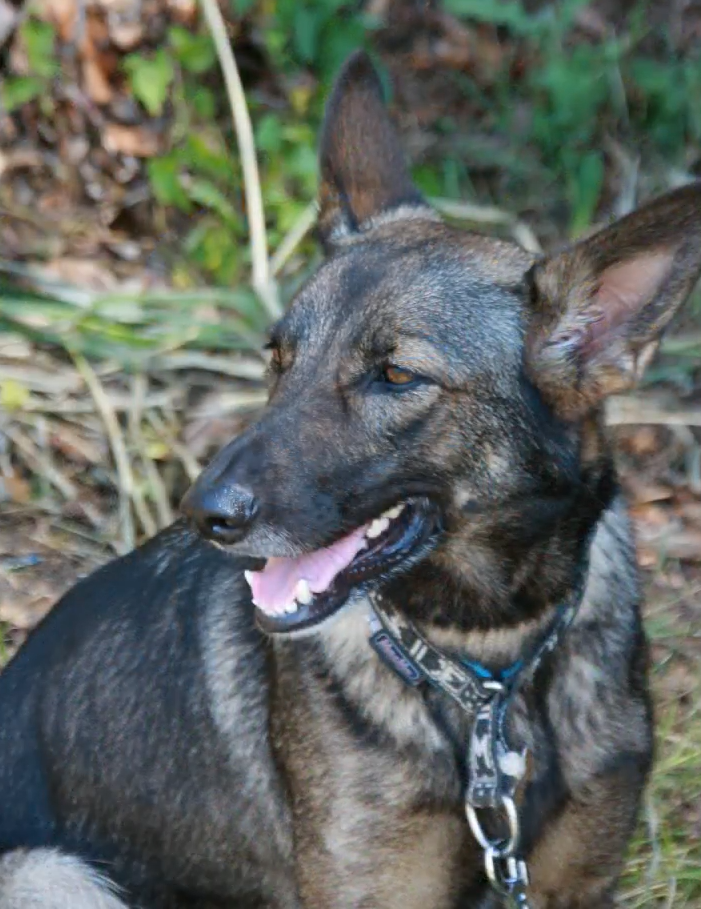
The Lupo Italiano is a dog breed from Italy. According to its creator, the breed's foundation was a wolf hybrid produced from crossing a German Shepherd and an Italian wolf, though a number of genetic studies put this in doubt. As it is not recognised by the ENCI, selection and rearing of the Lupo Italiano is carried out by the Associazione degli Affidatari Allevatori del Lupo Italiano (AAALI; transl. Lupo Italiano Caregivers Association), a state-funded nonprofit organisation which prohibits its sale and only allows specimens to be leased to volunteers, police and search and rescue organisations.
According to the breed standard established by the AAALI, the Lupo Italiano has a wolf-like muzzle, powerful jaws, and pointed medium-length ears. The eyes should ideally be gold colour and oblique in shape. The adult should be 58 to 68 cm (23 to 27 inches) at the shoulder, have a robust chest and a back that is not too low. Its tread is light, even in large specimens. The breed's creator claimed that it can run at speeds of 70 km/h (43 mph). The coat is grey with shades of fulvous or beige, but the standard allows for full black or a white patch on the chest. The tail is long and pendulous when relaxed, but takes on a slight curve when raised.
History
According to the breed's creator, former banker Mario Messi, the Lupo Italiano originated in 1966 after he was given a wolf hybrid born from a female Italian wolf, captured in the Province of Rieti by a hunter in his employ, and a male German Shepherd specialised in rescue operations. The hybrid, named "Zorro", was then mated to German Shepherds and their resulting female offspring. The specimens were originally kept in a 19th century villa in Cumiana until Messi was ordered to relocate by the mayor of the comune after residents of Borgata Porta complained about the dogs' howls. The dogs were moved to a modern facility capable of housing 200 specimens, and included enclosures modeled after the wolf's natural habitat.
In 1980, Messi founded the Associazione Selezione Originale di Lupi Italiani (ASOLI; transl. Original Association for the Selection of Lupo Italianos), a nonprofit organisation dedicated to preserving the breed's purity. The organisation was funded by volunteer contributions, and Messi declared that the Lupo Italiano could only be leased for public utility. Official recognition of the Lupo Italiano by the ENCI was slated for 4 July 1982 during the Italian dog breed expo, but this did not materialise due to Messi's refusal to commercialise the breed.
In February 1984, the experimental phase of the breeding project was declared concluded, with the Lupo Italiano's phenotype having been stabilised. Nevertheless, Messi expressed concern that he would have to close the breeding facility, despite the patronage of the Ministry of Public Education and the Ministry of Ecology in Piedmont. The next year, lack of funds made providing food and vaccines to the dogs difficult, resulting in the deaths of several pups from disease and malnutrition. In 1987, despite being warned of the possible euthanisation of all 200 dogs in the facility, Messi continued to oppose selling them, even to cover costs.
On 13 July 1987, president Francesco Cossiga signed a decree recognising the ASOLI. The Official Registry of the Lupo Italiano was established later by Filippo Maria Pandolfi, which granted the ASOLI exclusive control over the breed's care and breeding. In 1989, the ASOLI was renamed Ente per la Tutela del Lupo Italiano (ETLI; transl. Lupo Italiano Management Institution) and private ownership of the Lupo Italiano was prohibited by presidential decree. Nevertheless, the breeding facility's financial situation continued to be precarious, with Messi launching an appeal for further funding.
In 1990, it was reported that the Lupo Italianos in the Cumiana facility were in poor health due to lack of food, medical treatment and flooding of their enclosures. Two years later, the facility was seized after local health authorities revealed the risk of outbreaks of leptospirosis, piroplasmosis, leishmaniasis and dirofilariasis, and an indictment was requested for lack of hygiene and mistreatment of the dogs in the facility.
In 2000, citing a continued lack of funding, Messi implied that he would be forced to transfer ETLI headquarters abroad. The next year, with support from Stefania Belmondo, Messi petitioned to have the Lupo Italiano as the official mascot of the 2006 Winter Olympics. In 2004, the breed was nominated the official assistance dog of the games.
In 2007, it was reported that the Cumiana facility no longer had Lupo Italianos, having become occupied by dogs of different breeds. Minister of Agricultural, Food and Forestry Policies Luca Zaia noted that the ETLI was deeply in debt and no longer breeding or training its dogs, and criticised Messi's "barely democratic" management policies. In May 2010, the ETLI was liquidated by the Turin prefecture and management of the breed was assigned to the Associazione degli Affidatari Allevatori del Lupo Italiano (AAALI; transl. Lupo Italiano Caregivers Association).
Genetics
Article 2 of the breed standard published by the AAALI declares the Lupo Italiano to be descended from a now extinct population of wolf from Alto Lazio which was "significantly different from other types". In 1982, Mario Messi described the Lupo Italiano as 62.5% German Shepherd and 37.5% Italian wolf. In a 2002 interview, he declared that the breed was "more wolf than dog: 60% wolf and 40% dog". The AAALI gives an average percentage of wolf content at around 30-35%.
In 2007, ecologists backed by the Lega Anti Vivisezione (LAV; transl. Anti-Vivisection League) commissioned the Turin chamber of commerce to start an investigation into the genetic profile of the Lupo Italiano. The resulting analyses indicated that there was no wolf content in the breed, prompting the LAV to request the Prodi administration to suspend all funds to the ETLI. Apart from the breed's lack of wolf content, the regional councillor of the ecologists cited Messi's exclusive access to the breed's official registry, which apparently contained irregularities on the number of matings and births.
In 2017, a further genetic study undertaken by the universities of Milan, Messina, Sassari and Bologna, in collaboration with the Human Genome Project, analysed 142,840 single-nucleotide polymorphisms of 1,609 canids, among which were seven Italian wolves and 24 samples of Lupo Italiano provided by the AAALI. Although the study confirmed that the Lupo Italiano is closely related to the German Shepherd, it could not find any significant haplotype sharing between it and the Italian wolf.
Fig. a
Fig. b
Phylogenetic dendrograms illustrating genetic distance (a) and haplotype sharing (b) between Italian and non-Italian dog breeds and the Italian wolf, with the Lupo Italiano, the German Shepherd and the Italian wolf highlighted
External links
- A.A.A.L.I. – APS : The official website of the Lupo Italiano Caregivers Association
Wikimedia Commons has media related to Lupo Italiano.
Gallery
Ajouter des photos
Partagez vos photos de cette espèce (jusqu'à 20 à la fois) : elles sont vérifiées automatiquement, puis publiées.
Autres races de l'espèce (942)
Espèce : Chien
Voir les 930 autres races
- American Hairless terrier
- American Pit Bull Terrier
- American Staffordshire Terrier
- Anglo-français de petite vénerie
- Ariégeois
- Australian Kelpie
- Azawakh
- Aïdi
- Bangkaew de Thaïlande
- Barbet
- Barbu tchèque
- Barzoï
- Basati Alaunt
- Basenji
- Basset artésien normand
- Basset bleu de Gascogne
- Basset de Westphalie
- Basset des Alpes
- Basset fauve de Bretagne
- Basset hound
- Basset suédois
- Beagle
- Beagle-harrier
- Bearded collie
- Bedlington terrier
- Berger Kangal
- Berger allemand
- Berger anglais
- Berger australien
- Berger basque
- Berger belge Groenendael
- Berger belge Laekenois
- Berger belge Tervueren
- Berger blanc suisse
- Berger bulgare
- Berger catalan
- Berger croate
- Berger d'Asie centrale
- Berger de Beauce
- Berger de Bergame
- Berger de Bohême
- Berger de Bosnie-Herzégovine et de Croatie
- Berger de Brie
- Berger de Maremme et Abruzzes
- Berger de Russie méridionale
- Berger de Savoie
- Berger de la Serra de Aires
- Berger des Pyrénées à face rase
- Berger des Pyrénées à poil long
- Berger des Tatras
- Berger du Caucase
- Berger du Karst
- Berger finnois de Laponie
- Berger hollandais
- Berger picard
- Berger polonais de plaine
- Berger roumain corbeau
- Bichon bolonais
- Bichon havanais
- Bichon maltais
- Bichon à poil frisé
- Biewer Yorkshire
- Billy
- Bluetick coonhound
- Bobtail
- Boerboel
- Border Terrier
- Border collie
- Bouledogue
- Bouledogue américain
- Bouvier australien
- Bouvier australien courte queue
- Bouvier bernois
- Bouvier d'Appenzell
- Bouvier de l'Entlebuch
- Bouvier des Flandres
- Boxer
- Boykin Spaniel
- Brachet allemand
- Brachet de Styrie à poil dur
- Brachet noir et feu
- Brachet polonais
- Brachet tyrolien
- Braque Dupuy
- Braque Saint-Germain
- Braque allemand à poil court
- Braque d'Auvergne
- Braque de Weimar
- Braque de l'Ariège
- Braque du Bourbonnais
- Braque français
- Braque français, type Pyrénées
- Braque hongrois à poil court
- Braque hongrois à poil dur
- Braque italien
- Braque slovaque à poil dur
- Briquet griffon vendéen
- Broholmer
- Bruno du Jura
- Buhund norvégien
- Bull Terrier
- Bull Terrier miniature
- Bulldog anglais
- Bullmastiff
- Ca de Bou
- Cairn terrier
- Can de palleiro
- Cane Corso
- Caniche
- Carlin
- Carolina Dog
- Cavalier King Charles Spaniel
- Cavoodle
- Chart polski
- Chien chinois de Chongqing
- Chien chinois à crête
- Chien courant bernois
- Chien courant d'Istrie à poil dur
- Chien courant d'Istrie à poil ras
- Chien courant de Bosnie à poil dur
- Chien courant de Halden
- Chien courant de Hamilton
- Chien courant de Hygen
- Chien courant de Schiller
- Chien courant de Transylvanie
- Chien courant de la vallée de la Save
- Chien courant de montagne du Monténégro
- Chien courant du Småland
- Chien courant espagnol
- Chien courant finlandais
- Chien courant grec
- Chien courant italien à poil ras
- Chien courant lucernois
- Chien courant norvégien
- Chien courant polonais
- Chien courant schwytzois
- Chien courant serbe
- Chien courant slovaque
- Chien courant suisse
- Chien courant tricolore serbe
- Chien d'Artois
- Chien d'arrêt allemand à poil dur
- Chien d'arrêt allemand à poil long
- Chien d'arrêt allemand à poil raide
- Chien d'arrêt danois ancestral
- Chien d'arrêt frison
- Chien d'arrêt portugais
- Chien d'eau américain
- Chien d'eau espagnol
- Chien d'eau frison
- Chien d'eau portugais
- Chien d'eau romagnol
- Chien d'ours de Carélie
- Chien d'oysel allemand
- Chien d'élan norvégien gris
- Chien d'élan norvégien noir
- Chien d'élan suédois
- Chien de Canaan
- Chien de Castro Laboreiro
- Chien de Rhodésie à crête dorsale
- Chien de Saint-Hubert
- Chien de Taïwan
- Chien de berger de Majorque
- Chien de berger islandais
- Chien de berger roumain de Bucovine
- Chien de berger roumain de Mioritza
- Chien de berger roumain des Carpathes
- Chien de berger yougoslave de Charplanina
- Chien de ferme dano-suédois
- Chien de garenne des Canaries
- Chien de garenne portugais
- Chien de la Serra da Estrela
- Chien de montagne des Pyrénées
- Chien de perdrix de Drente
- Chien de recherche au sang de Hanovre
- Chien de recherche au sang de la montagne bavaroise
- Chien de trait belge
- Chien des Fuégiens
- Chien du Groenland
- Chien du pharaon
- Chien finnois de Laponie
- Chien noir et feu pour la chasse au raton laveur
- Chien norvégien de macareux
- Chien nu du Pérou
- Chien polynésien
- Chien thaïlandais à crête dorsale
- Chien à loutre
- Chien-loup de Saarloos
- Chien-loup tchécoslovaque
- Chihuahua
- Chippiparai
- Chow-chow
- Cimarron uruguayen
- Cirneco de l'Etna
- Clumber Spaniel
- Cockapoo
- Cocker américain
- Cocker spaniel anglais
- Colley
- Colley à poil court
- Continental Bulldog
- Coton de Tuléar
- Cursinu
- Dalmatien
- Dandie Dinmont Terrier
- Deerhound
- Dobermann
- Dogue argentin
- Dogue de Bordeaux
- Dogue des Canaries
- Dogue du Tibet
- English Coonhound
- Esquimau américain
- Esquimau canadien
- Eurasier
- Eurohound
- Field Spaniel
- Fila Brasileiro
- Fila de São Miguel
- Fox-terrier à poil dur
- Fox-terrier à poil lisse
- Foxhound américain
- Foxhound anglais
- Français blanc et noir
- Français tricolore
- Gampr
- Gascon saintongeois
- Golden retriever
- Grand anglo-français blanc et noir
- Grand anglo-français blanc et orange
- Grand basset griffon vendéen
- Grand bleu de Gascogne
- Grand bouvier suisse
- Grand griffon vendéen
- Grand spitz
- Grand épagneul de Münster
- Griffon belge
- Griffon bleu de Gascogne
- Griffon bruxellois
- Griffon d'arrêt à poil dur Korthals
- Griffon fauve de Bretagne
- Griffon nivernais
- Harrier
- Hokkaïdo
- Hovawart
- Husky de Sibérie
- Inuit du Nord
- Irish wolfhound
- Jack Russell terrier
- Jindo coréen
- Kai
- Kangal
- Kerry beagle
- Kintamani
- Kishu
- Komondor
- Kooikerhondje
- Kromfohrländer
- Kuvasz
- Labrador retriever
- Lakeland Terrier
- Lancashire Heeler
- Landseer
- Lapphund suédois
- Laïka de Iakoutie
- Laïka de Sibérie occidentale
- Laïka de Sibérie orientale
- Laïka russo-européen
- Leavitt bulldog
- Leonberg
- Lhassa Apso
- Lurcher
- Lévrier Bakhmull
- Lévrier Rampur
- Lévrier Tazi
- Lévrier Taïgan
- Lévrier afghan
- Lévrier de soie
- Lévrier espagnol
- Lévrier greyhound
- Lévrier hongrois
- Lévrier persan
- Lévrier whippet
- Malamute de l'Alaska
- Malinois
- Maltzu
- Manchester terrier
- Mastiff
- Mastiff d'Anatolie
- Mucuchies
- Mudi
- Mâtin des Pyrénées
- Mâtin napolitain
- Norfolk Terrier
- Norwich Terrier
- Parson Russell terrier
- Perdiguero de Burgos
- Perro fino Colombiano
- Petit basset griffon vendéen
- Petit bleu de Gascogne
- Petit brabançon
- Petit chien courant suisse
- Petit chien lion
- Petit chien russe
- Petit lévrier italien
- Petit spitz
- Petit épagneul de Münster
- Phalène
- Pinscher allemand
- Pinscher autrichien
- Pinscher nain
- Podenco d'Ibiza
- Pointer anglais
- Poitevin
- Pomsky
- Porcelaine
- Pudelpointer
- Puli
- Pumi
- Pékinois
- Rafeiro de l'Alentejo
- Ratier de Prague
- Ratier valencien
- Redbone Coonhound
- Retriever de la Nouvelle-Écosse
- Retriever de la baie de Chesapeake
- Retriever à poil bouclé
- Retriever à poil plat
- Rottweiler
- Ryūkyū
- Saint-bernard
- Samoyède
- Schapendoes néerlandais
- Schipperke
- Schnauzer géant
- Schnauzer miniature
- Schnauzer moyen
- Sealyham Terrier
- Setter Gordon
- Setter anglais
- Setter irlandais rouge
- Setter irlandais rouge et blanc
- Shar Pei
- Shetland
- Shiba
- Shih tzu
- Shikoku
- Shiloh Shepherd Dog
- Skye terrier
- Sloughi
- Smous des Pays-Bas
- Spinone
- Spitz Loup
- Spitz allemand
- Spitz de Norrbotten
- Spitz finlandais
- Spitz japonais
- Spitz moyen
- Springer anglais
- Staffordshire Bull Terrier
- Sussex Spaniel
- Tamaskan
- Tchouvatch slovaque
- Teckel
- Teckel à poil dur
- Terre-neuve
- Terrier Kerry Blue
- Terrier australien
- Terrier australien à poil soyeux
- Terrier brésilien
- Terrier d'agrément anglais noir et feu
- Terrier de Boston
- Terrier de chasse allemand
- Terrier irlandais
- Terrier irlandais Glen of Imaal
- Terrier irlandais à poil doux
- Terrier japonais
- Terrier noir russe
- Terrier tchèque
- Terrier tibétain
- Terrier écossais
- Tosa
- Vallhund suédois
- Vertagus
- Volpino italien
- Welsh Corgi Cardigan
- Welsh Corgi Pembroke
- Welsh Springer Spaniel
- Welsh terrier
- West Highland white terrier
- Xoloitzcuintle
- Yorkshire terrier
- Zuchon
- Épagneul bleu de Picardie
- Épagneul breton
- Épagneul d'eau irlandais
- Épagneul de Pont-Audemer
- Épagneul de Saint-Usuge
- Épagneul français
- Épagneul japonais
- Épagneul nain continental papillon
- Épagneul russe
- Akita matagi
- Alangu Mastiff
- American Alsatian
- American Fox Terrier
- Andalusian Terrier
- Argentine Pila
- Australian Cobberdog
- Bakharwal
- Basset
- Berger Blanc
- Berger américain miniature
- Berger belge
- Berger des Pyrénées
- Berner Niederlaufhund
- Black Mouth Cur
- Blue Lacy
- Boca-preta sertanejo
- Bohemian Spotted Dog
- Bolonka
- Borador
- Bouvier de Bouriatie-Mongolie
- Bouvier des Ardennes
- Bouvier portugais
- Buckhound
- Bull Arab
- Bắc Hà dog
- Ca Rater Mallorquí
- Calupoh
- Campeiro Bulldog
- Can de Chira
- Catalburun
- Chien de Majorado
- Chien de Taïmyr
- Chien léopard catahoula
- Chien nu
- Chien paria
- Chilean Terrier
- Chinook
- Chukotka sled dog
- Cocker spaniel
- Combai
- Cretan Hound
- Czech Mountain Dog
- Cão de Gado Transmontano
- Danish Spitz
- Dogue Brasileiro
- Donggyeongi
- East European Shepherd
- Elo
- Estonian Hound
- Fox-terrier
- Gaucho sheepdog
- Georgian Shepherd
- Goldendoodle
- Grand Fauve de Bretagne
- Greek Shepherd
- Griffon
- Gull Terrier
- Himalayan Sheepdog
- Huntaway
- Hällefors Elkhound
- Indian Spitz
- Jonangi
- Kanni
- Karelo-Finnish Laika
- Kawakami Inu
- King Charles Spaniel
- King's White Hound
- Kokoni
- Koolie
- Kunma Dog
- Labradoodle
- Laizhou Hong
- Langqing Quan
- Lobito Herreño
- Lucas Terrier
- Lài dog
- Macedonian Shepherd Dog
- Mackenzie River husky
- Maneto
- Mantiqueira Shepherd
- Markiesje
- Mexican lapdog
- Mi-Ki
- Miniature Australian Shepherd
- Miniature Fox Terrier
- Morkie
- Moscow Watchdog
- Mountain Cur
- Mâtin espagnol
- Nenets Herding Laika
- Olde English Bulldogge
- Original Fila Brasileiro
- Paisley Terrier
- Pastor Garafiano
- Patagonian Sheepdog
- Patterdale Terrier
- Perro de Agua Cantábrico
- Phu Quoc Ridgeback
- Piccolo Segugio dell'Appennino
- Plott Hound
- Podenco Andaluz
- Podenco Valenciano
- Puggle
- Pungsan
- Rajapalayam
- Rat Terrier
- Sapsali
- Sarabi dog
- Sarail Hound
- Sardinian Shepherd Dog
- Segugio Maremmano
- Segugio dell'Appennino
- Seppala Siberian Sleddog
- Small Međimurje Dog
- Spanish dogo
- Sporting Lucas Terrier
- Staghound
- Tang Dog
- Tatra Hound
- Techichi
- Teddy Roosevelt Terrier
- Telomian
- Tenterfield Terrier
- Tonya Finosu
- Toy Manchester Terrier
- Treeing Feist
- Treeing Tennessee Brindle
- Treeing Walker Coonhound
- Valdueza
- Villano de las Encartaciones
- Welsh Corgi
- Welsh Hound
- Welsh Sheepdog
- West Country Harrier
- Xiasi Dog
- Xigou
- Zerdava
- Épagneul tibétain
- Meitei Hui
- Beaglier
- Bernedoodle
- Black and Tan Terrier
- Catahoula Bulldog
- Dorgi
- Double-nosed Andean tiger hound
- Gerberian Shepsky
- Gull Dong
- Mal-shi
- Maltipoo
- Miniature Shar Pei
- Pomchi
- Pugese
- Schnoodle
- Shih-poo
- Sulimov dog
- Swinford Bandog
- Texas Heeler
- Yorkipoo
- Afghan mastiff
- American Mastiff
- Anglo-Russian Hound
- Australian stock dog
- Berger de Kars
- Berger noir slovaque
- Bolonka Franzuska
- Bone-mouth
- Borneo dog
- Boxador
- Branchiero siciliano
- Braque Français, Type «Gascongne»
- Brazilian Bull-mastiff
- Bulgarian Shepherd Dog
- Bullbras
- Cane Pecoraio Varbutu
- Chamuco
- Chien de St. Hubert
- Decker Terrier
- Dogo Guatemalteco
- Epagneul du Chasse Polonais
- Gotland Hound
- Grand Gascon saintongeois
- Griffon à poil laineux
- Guregh
- Hedehund
- Kattai dog
- Kyi-Leo
- Lévrier turc
- Miniature dachshund
- Pandikona
- Petit Gascon Saintongeois
- Pit Monster
- Pitador
- Pulin
- Ramanathapuram mandai dog
- Russian Hound
- Seskar Seal Dog
- Sila Shepherd
- Silken Windsprite
- Svensk vit älghund
- Toy Poodle
- Trailhound
- Tuvinskaya ovcharka
- Westiepoo
- White English Bulldog
- Berger d'Auvergne
- Braque français, type Gascogne
- Caravan hound
- Charnaigre
- Chien courant italien à poil dur
- Chien créole
- Chien fer
- English bull terrier
- Français blanc et orange
- Grand anglo-français tricolore
- Greyster
- Khortaï
- Laobé
- Lévrier grec
- Nureongi
- Talbot
- Teckel à poil long
- Teckel à poil ras
- Épagneul picard
- Alopekis
- American Leopard Hound
- Argentine polar dog
- Armant
- Australian Bulldog
- Berger de Crau
- Beskydský bundáš
- Briquet de Provence
- Bulgae
- Bulgarian Hound
- Bulgarian Scenthound
- Ca Mè Mallorquí
- Ca de Conills
- Cane Paratore
- Carea Castellano Manchego
- Chien de Berger de Lessinia et Lagorai
- Cão do Barrocal Algarvio
- Córdoba fighting dog
- Dikkulak
- Dogo Sardesco
- Ecuadorian Hairless Dog
- English Water Spaniel
- Erbi Txakur
- Fu Quan
- Guicho
- Hmong bobtail dog
- Irish bull terrier
- Italian Shepherd
- Jeju dog
- Kars dog
- King Shepherd
- Kunming dog
- Kurdish Mastiff
- Labrit
- Laconian
- Lapponian Shepherd
- Levesque
- Lithuanian Hound
- Majestic Tree Hound
- Molossus of Epirus
- Moscow Water Dog
- New Zealand Heading Dog
- Norman Hound
- Old Croatian Sighthound
- Old Welsh Grey Sheepdog
- Pachon Navarro
- Pampas Deerhound
- Perdigueiro Galego
- Podengo Galego
- Ramanadhapuram Mandai
- Rastreador Brasileiro
- Ratonero Murciano
- Red Decoy Dog
- Rize Koyun
- Serrano Bulldog
- Smithfield
- Stephens Cur
- Tahitian Dog
- Terceira Mastiff
- Tibetan Kyi Apso
- Treeing Cur
- Villanuco de Las Encartaciones
- Welsh Hillman
- Assyrian Mastiff
- DenMark Feist
- Liangshan Dog
- Mojee
- Pekapoo
- Poochon
- Segugio Cravin
- St. Hubert Jura Hound
- Strobel
- Adirondack Pointing Dog
- Afghan Spaniel
- Agassaei
- Agassin
- Alano
- Albanian Mountain Dog
- Albanian Wolfdog
- Alicant Dog
- Ameri-Indian Alaskan Husky
- American Blue Gascon Hound
- American Squirrel Dog
- American Wolfdog
- American Working Red
- Anglo-Spanish Greyhound
- Antebellum Bulldog
- Appalachian Sighthound
- Aquarius
- Artésien-normand
- Aurora Husky
- Aussiedoodle
- Australian Barb
- Australian Staghound
- Awa Ken
- Badger dog
- Baganda Dog
- Bajan Toy Terrier
- Balla Terrier
- Bangara Mastiff
- Basset Saintongeois
- Basset d’Artois
- Batak Dog
- Belgian Pointer
- Bichon Yorkie
- Bisben
- Bisharin Greyhound
- Black Norrlandshund
- Black Pointer
- Black Spitz
- Black and Tan Virginia Foxhound
- Boerenfox terrier
- Bordoodle
- Braque Charles X
- Brittany Spaniel
- Bull Boxer
- Bullnese
- Burmese Spitz Dog
- Camas Cur
- Camus cur
- Canadian cur
- Canis Panther
- Capheaton Terrier
- Carolina cur
- Cesky Wire-haired Pointing Griffon
- Chien particolore à poil frisé
- Chigi
- Chilean Dogo
- Chinese Happa Dog
- Chinese Hound
- Chinese Imperial Dog
- Chorkie
- Chuandong Hound
- Circassian Orloff Wolfhound
- Clallam-Indian Dog
- Cojack
- Colima Dog
- Comforter
- Common Indian Dog
- Creeper Terrier
- Cur dog
- Cyprus Poodle
- Daitō Inu
- Damchi
- Deltari ilir
- Dinka Greyhound
- Dropper
- Egyptian Hairless Dog
- Farm collie
- Faroese Sheepdog
- Fell Hound
- Field labrador
- Frenchton
- Friesian Windhund
- Gegar colombien
- German Silky Pinscher
- Glenwherry Collie
- Gollie
- Gorskaja
- Gos d'atura aranès
- Gran Mastín de Borínquen
- Gredin Spaniel
- Gråhund
- Hairless Khala
- Han Dog
- Harlequin Pinscher
- Hertha pointer
- Hungarian sheepdog
- Huslia Husky
- Inca Dog
- Indian Husky
- Indian Tailles Dog
- Inn kwe
- Izcuintli, itzcuintli
- Juan Fernández Sheepdog
- Jōmon Dog
- Kanawar Dog
- Karadeniz Shepherd Dog
- Kemmer stock cur
- Kentucky Shell Heap Dog
- Kitler
- Klamath-Indian Dog
- Korean Mastiff
- Koshi
- Koshikiyama Inu
- Kumiş
- Kurdistan Greyhound
- Laconian Hound
- Lakeland Foxhound
- Larye, Larrye
- Latvian Hound
- Levriero meridionale
- Llewellin Setter
- Long-haired Inca Dog
- Longhaired Whippet
- Lottatore Brindisino
- Lyme Mastiff
- Lévrier de Saintonge
- Maltese Fox Terrier
- Maltese Little Lion-dog
- Maltese Pocket Dog
- Marxdorfer Wolfshund
- Medelyan
- Medium-sized Anglo-French Hound
- Miniature Siberian Husky
- Mountain Feist
- Mountain View Cur
- Mullins' feist
- Murray River Curly Coated Retriever
- Mâtin
- Naga Dog
- National Deerhound
- Native Irish Pedigree Dog Breeds
- Nootka Dog
- Normand-Poitevin
- North-Easthrly Haaling Laika
- Northern terrier
- Northwest farm terrier
- Odis
- Old Time Farm Shepherd
- Oriental Shar Pei
- Original Cajun Squirrel Dog
- Pardog
- Pashmi hound
- Pastor Americano
- Patagonian Bearded Greyhound
- Perro pampa argentino
- Peruvian Inca Orchid
- Philippines Islands Dog
- Pit Bullmastiff
- Plains-Indian Dog
- Pocket beagle
- Podenco palmero
- Poligar Hound
- Poltalloch Terrier
- Pomeranian Wolf-dog
- Powinder Dog
- Prapsos
- Pueblo Dog
- Puscha
- Ratonero Palmero
- Renascence Bulldogge
- Rothbury Terrier
- Ruby Spaniel
- Running Walker Coonhound
- Russian Setter
- San'in Shiba Inu
- Sanshu
- Satsuma Dog
- Schafpudel
- Schwarzer
- Serbian Yellow Hound
- Serbian sheep dog
- Shakhi
- Shelburne Terrier
- Shepweiler
- Shilluk Greyhound
- Shorty Bull
- Shropshre Terrier
- Siberian Sheepdog
- Sicilian Sheepdog
- Silky Spitz
- Sioux Dog
- South African Mastiff
- Sparta Sheepdog
- Spino siciliano
- St. Domingo Dog
- Steinbracke
- Strathdoon dingo killer
- Takayasu Inu
- Targhee Hound)
- Terry
- Tibetan Hound
- Timber-wolf Dog
- Timon's Biter
- Toy Bull Terrier
- Toy Mi-Ki
- Toy Munchkin
- Transcaucasian Mountain Dog
- Tripuri Dog
- Turkish Greyhound
- Turkmen Alabai
- Ukrainian Sheepdog
- Vaghari Dog
- Valley Bulldog
- Victorian Bulldog
- Waeller
- Walker Foxhound
- Water drawer
- Welsh Black-and-Tan Sheepdog
- Welsh Blue-Grey
- Welsh Harrier
- West Greenland Dog
- Westfal Terrier
- White Greek sheepdog
- Wire-haired Beagle
- Working Pit Bulldog
- Wurttemberg Pointer
- Yakki Dog
- Yakushima Inu
- Zande Dog
- Zanzibar Greyhound
- Zağar
- Zlatiborski ovčar
Sources et crédits
Informations provenant de plusieurs sources vérifiées. Dernière mise à jour : .
Crédits photos (5)
Mentions de licence
Texte disponible sous licence CC BY-SA 4.0. Il adapte notamment Wikipedia (CC BY-SA): Lupo Italiano (Wikipédia, auteurs dans l’historique de l’article).
- Taxonomie : GBIF Backbone Taxonomy (CC BY 4.0)
Détail : Sources et licences.
Discussion (0)
Aucun message pour l’instant. Lancez la discussion sur cette fiche (sources, précisions, débats éditoriaux).
Connectez-vous pour participer à la discussion.