
Cat
Felis catus
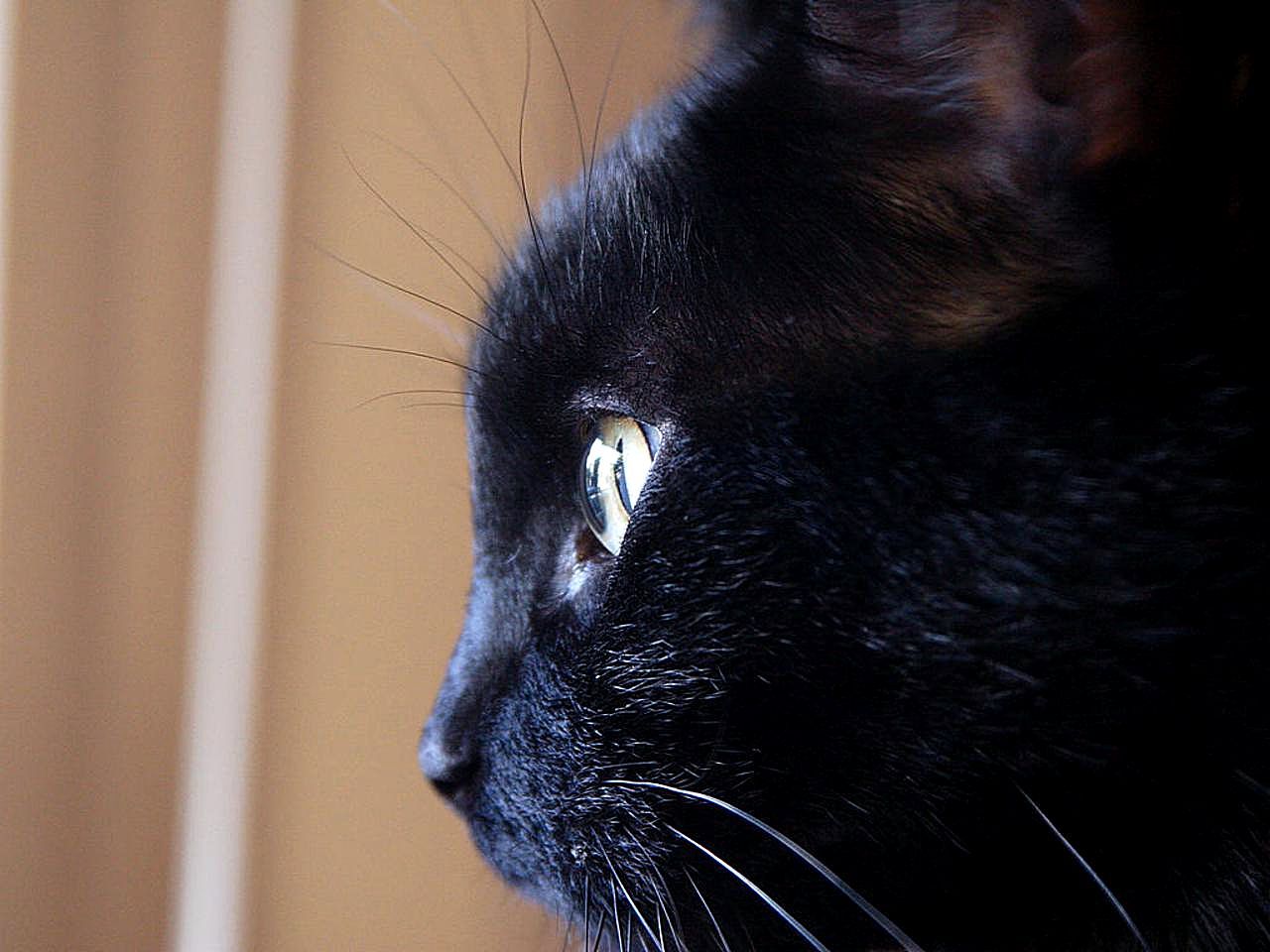
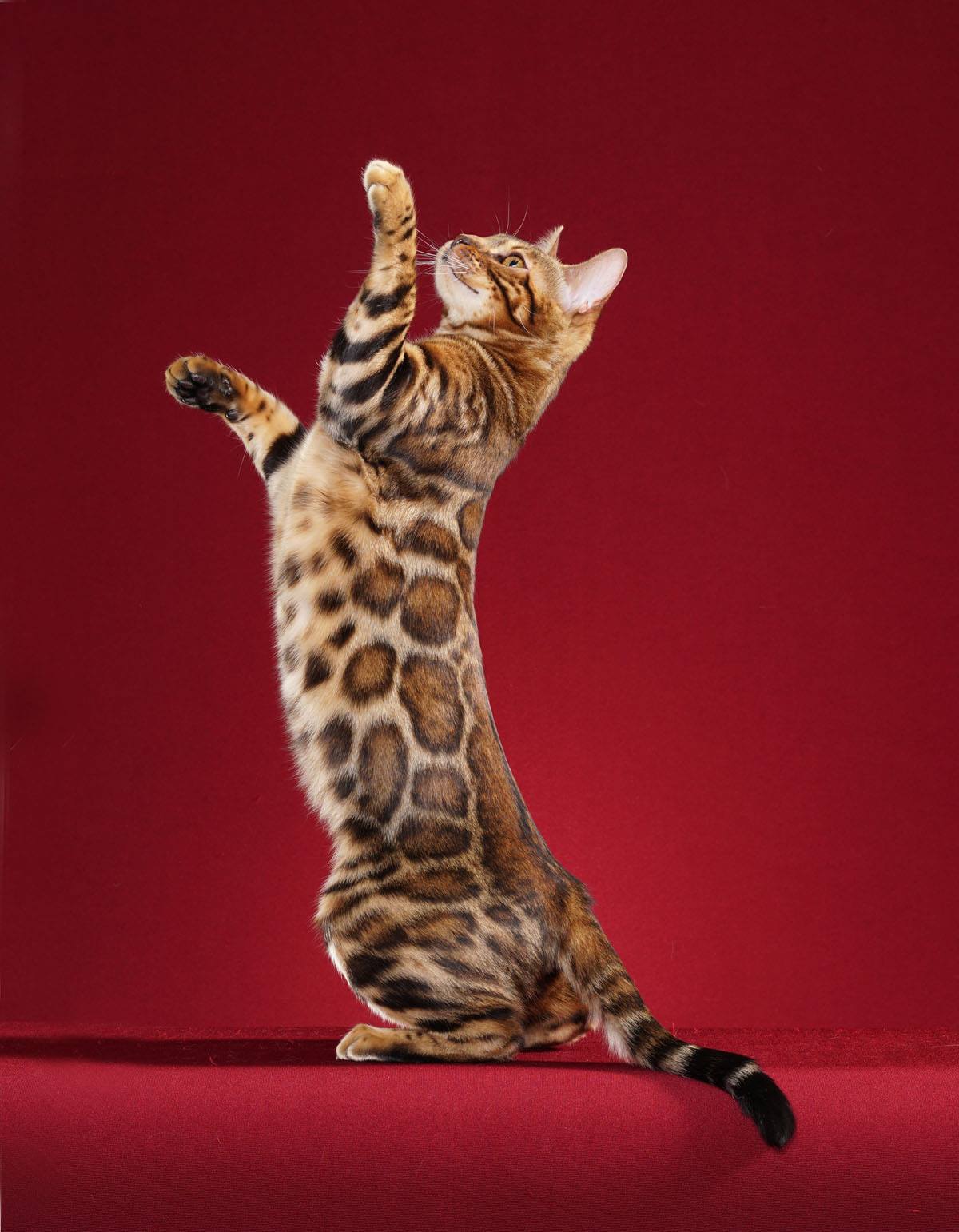
The cat (Felis catus), also called domestic cat and house cat, is a small domesticated carnivorous mammal.
- Kingdom
- Animalia
- Phylum
- Chordata
- Class
- Mammalia
- Order
- Carnivora
- Family
- Felidae
- Genus
- Felis
- Species
- Felis catus
Description
The cat (Felis catus), also called domestic cat and house cat, is a small domesticated carnivorous mammal. It is a member of Felidae, the family of mammals in the order Carnivora also colloquially referred to as cats. It is an obligate carnivore, requiring a predominantly meat-based diet. Its retractable claws are adapted to killing small prey species such as mice and rats. It has a strong, flexible body, quick reflexes, and sharp teeth, and its night vision and sense of smell are well developed. It is a social species, but a solitary hunter and a crepuscular predator. Cat communication includes meowing, purring, trilling, hissing, growling, grunting, body language, and scent marking. It can hear sounds too faint or too high in frequency for human ears, such as those made by small mammals. It secretes and perceives pheromones. Cat intelligence is evident in its ability to adapt, learn through observation, and solve problems. The domestic cat is the only domesticated species of the family Felidae. Advances in archaeology and genetics have shown that the domestication of the cat started in the Near East around 7500 BCE. Today, the domestic cat occurs across the globe and is valued by humans for companionship and its ability to kill vermin. It is commonly kept as a pet, working cat, and pedigreed cat shown at cat fancy events. Out of the estimated 600 million domestic cats worldwide, 400 million reside in Asia, including 58 million in China. About 73.8 million cats are estimated to live in the United States, and about 10.9 million cats in the United Kingdom. It also ranges freely as a feral cat, avoiding human contact. Pet abandonment contributes to increasing of the global feral cat population, which has driven the decline of bird, mammal, and reptile species. Population control includes spaying and neutering.
Gallery
Ajouter des photos
Partagez vos photos de cette espèce (jusqu'à 20 à la fois) : elles sont vérifiées automatiquement, puis publiées.
Répartition
Occurrences observées (données GBIF). Les zones hors aire d'origine peuvent indiquer une présence introduite ou invasive.
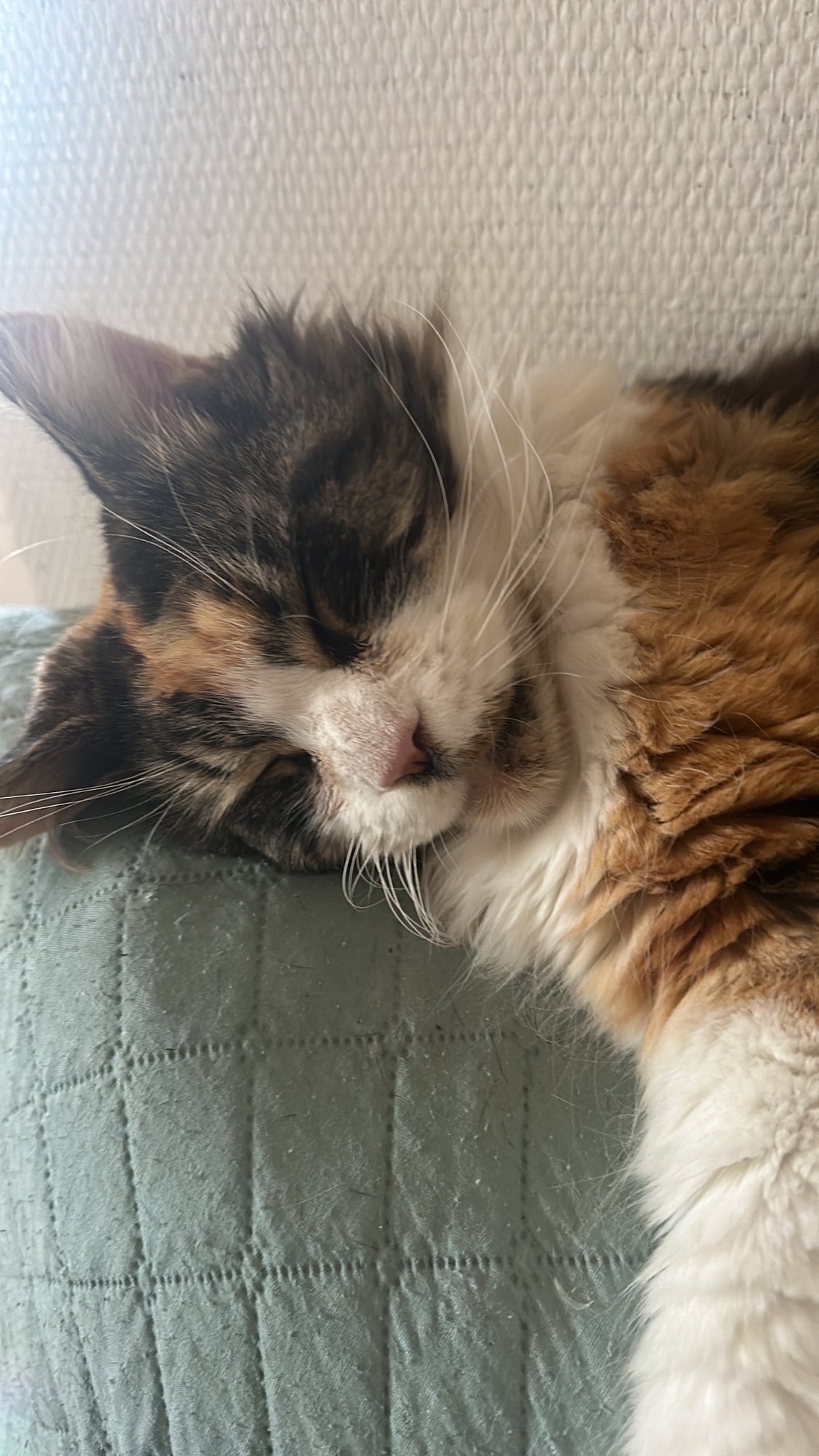
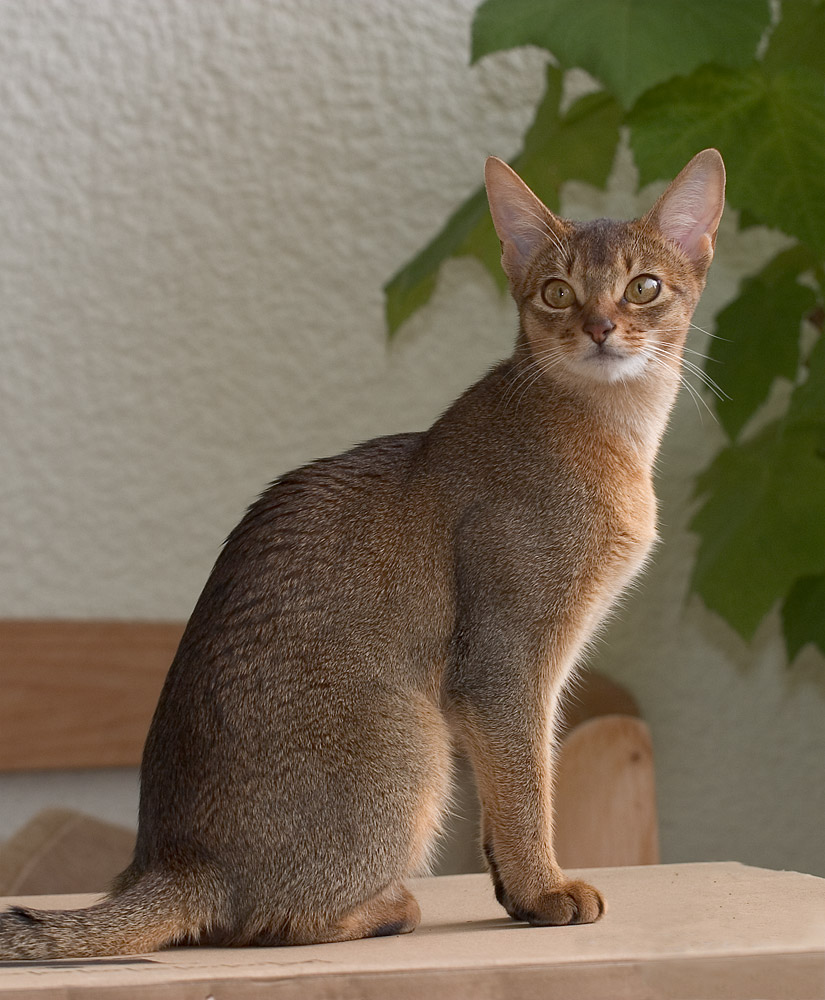
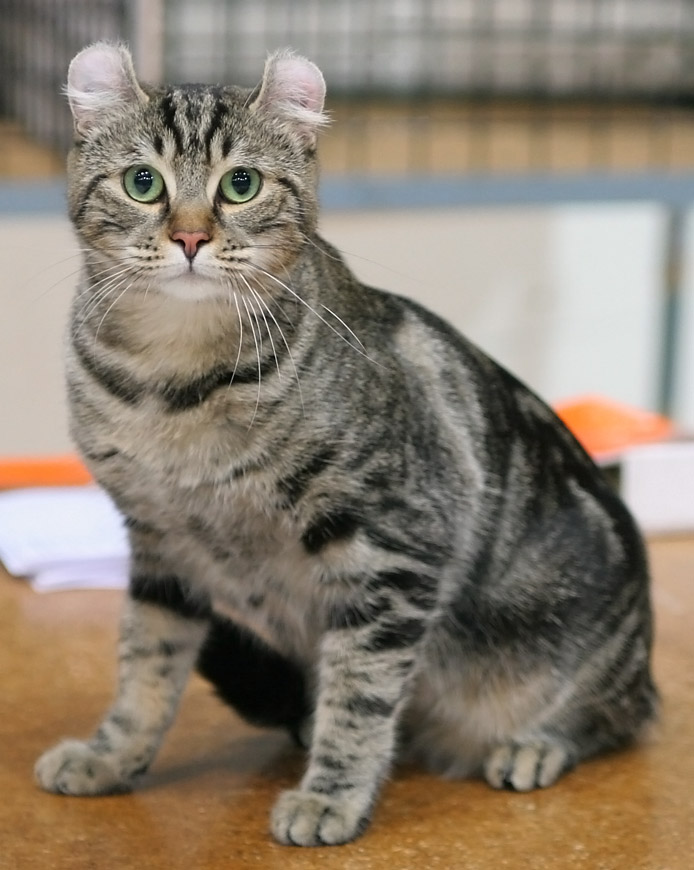
Les races de cette espèce (133)
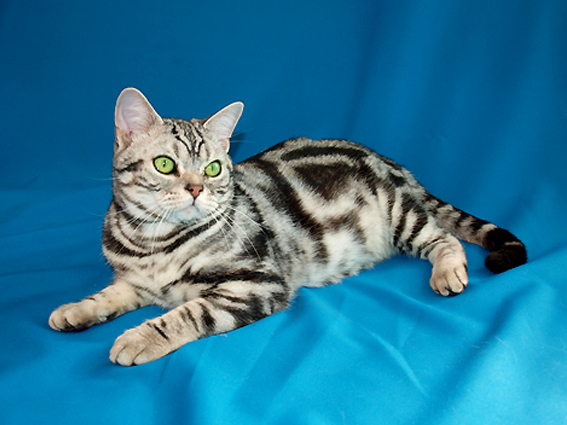
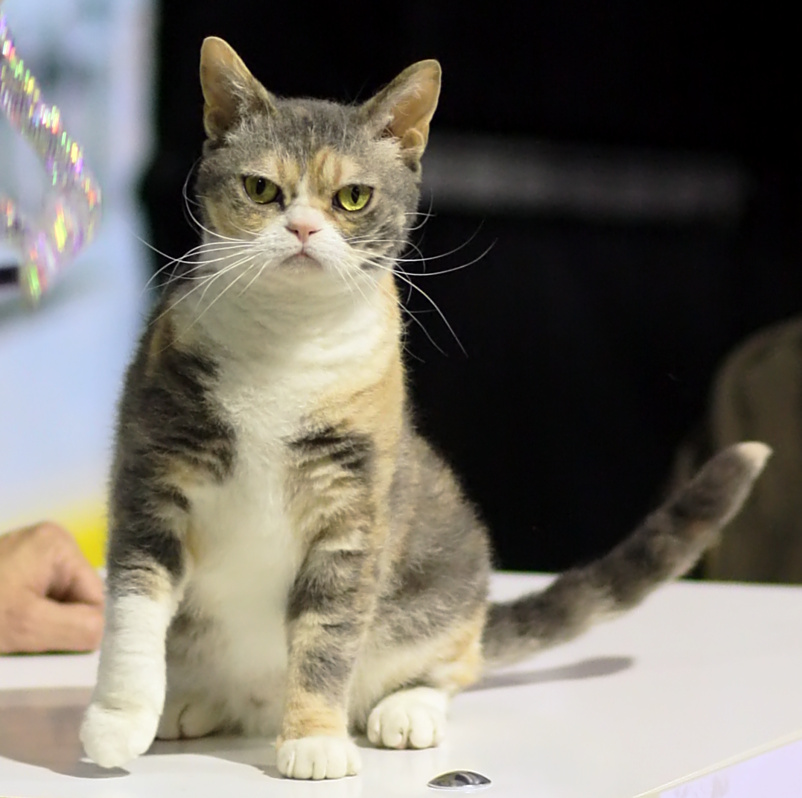
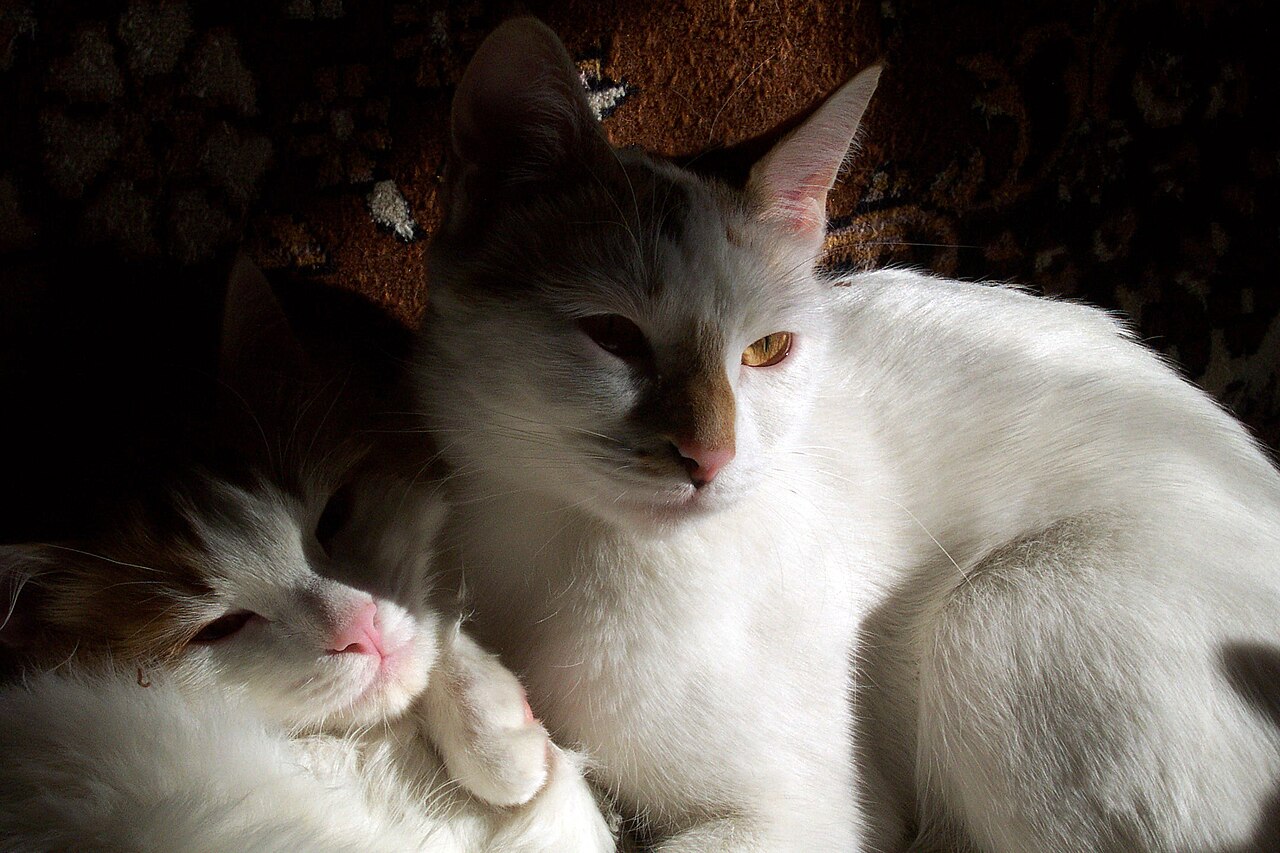
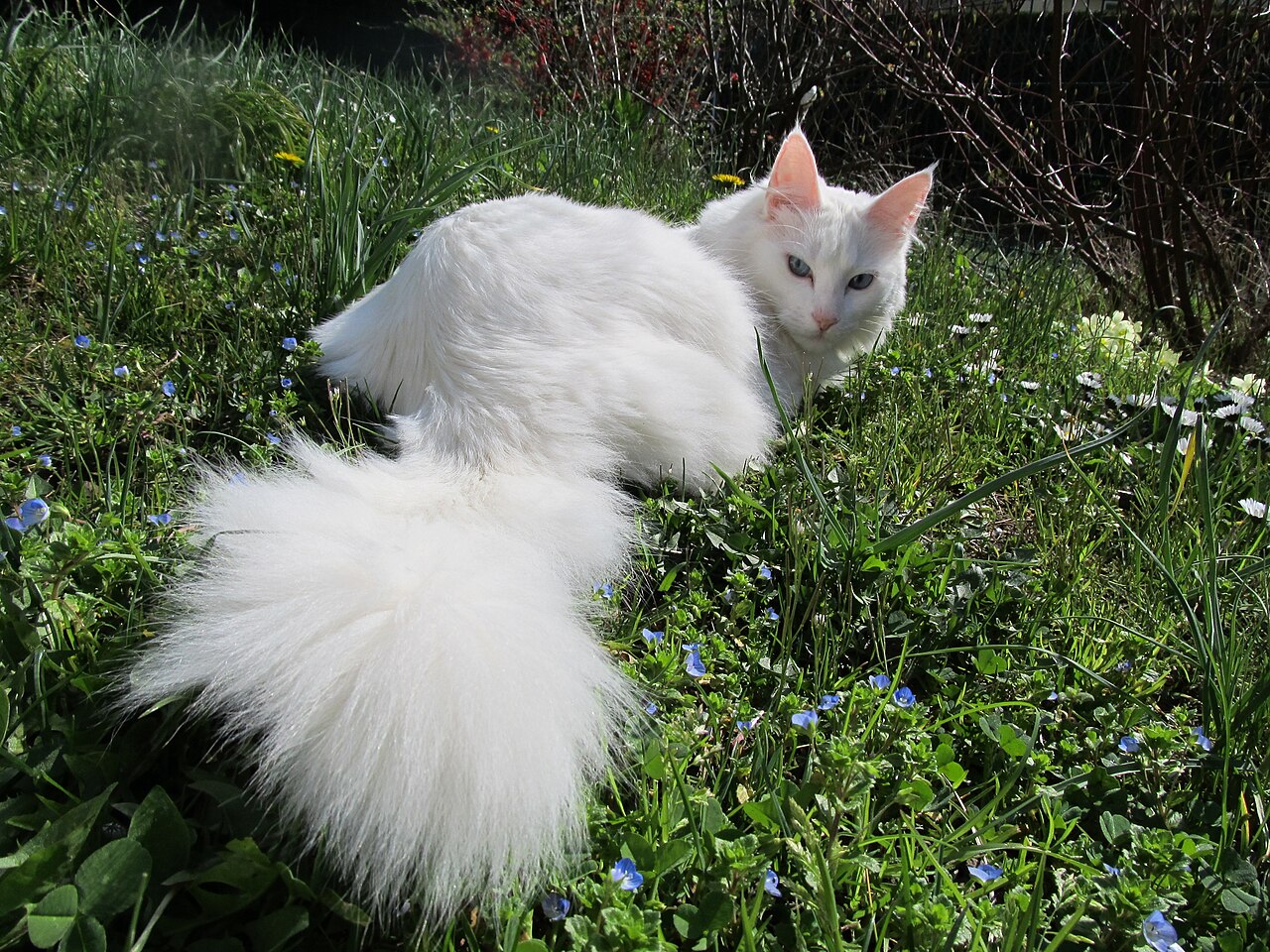
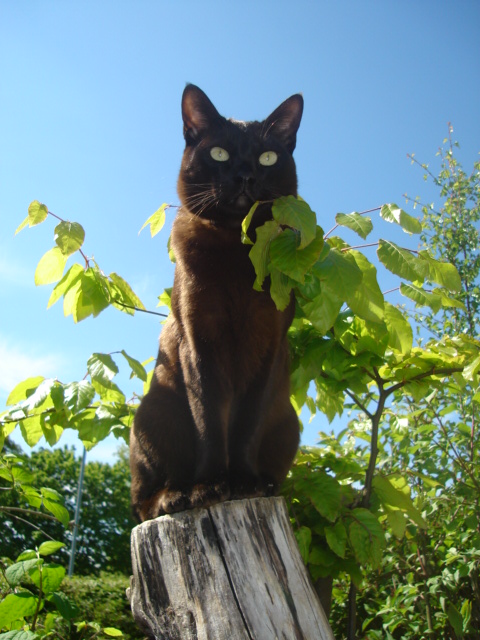
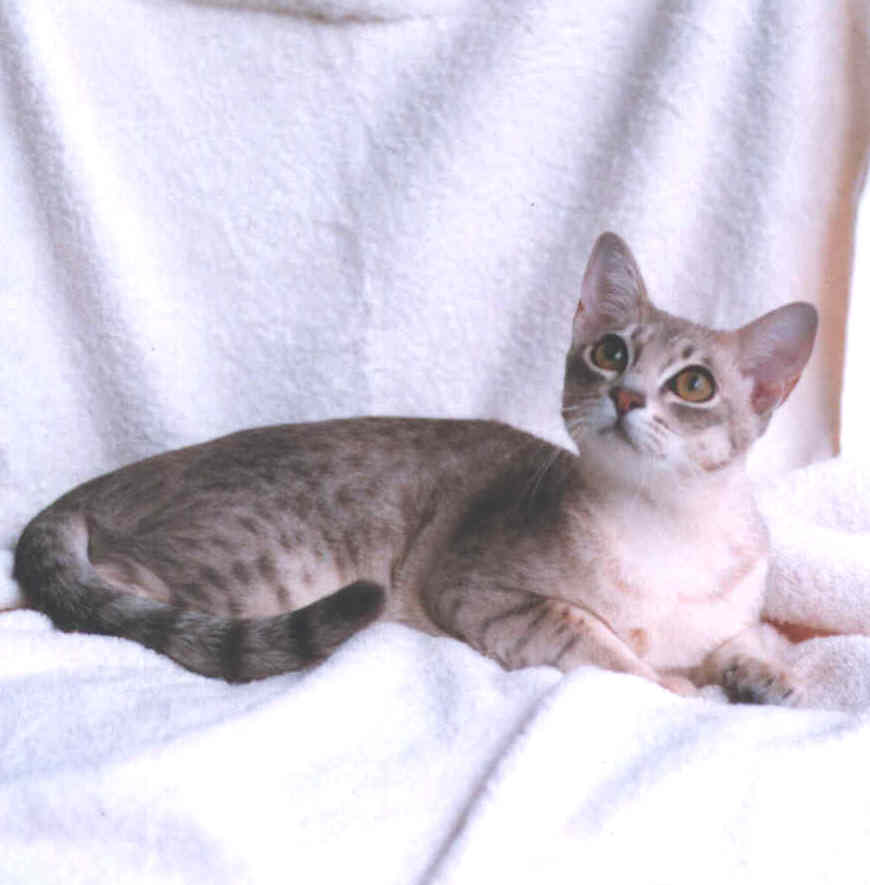
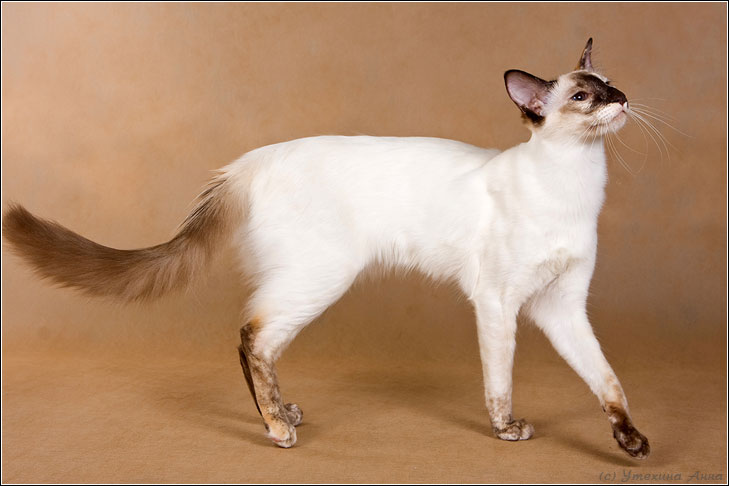
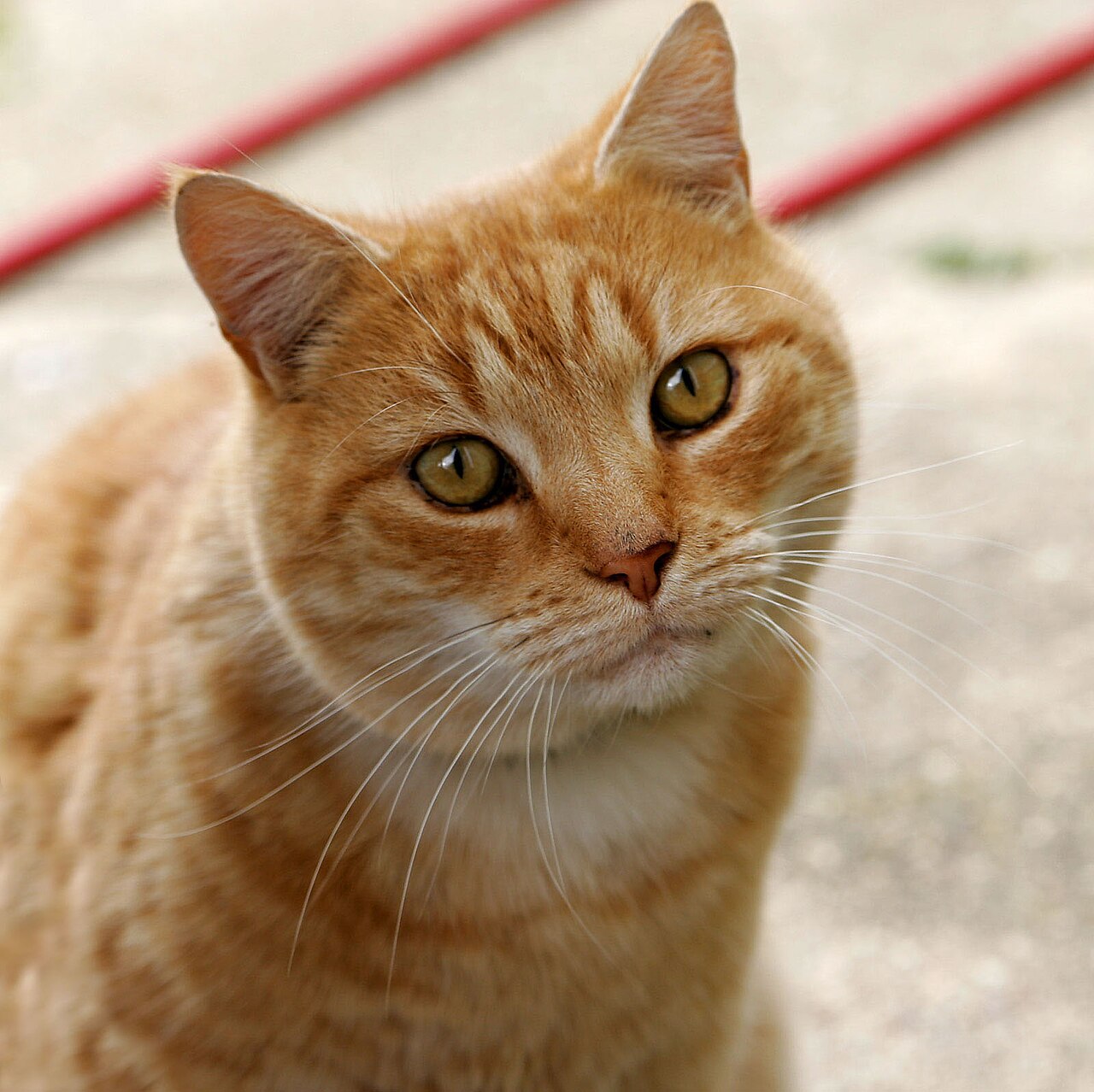
Voir les 121 autres races
- Bleu russe
- Bobtail américain
- Bobtail de Carélie
- Bobtail des Kouriles
- Bobtail du Mékong
- Bobtail japonais
- Bombay
- Brazilian shorthair
- British longhair
- British shorthair
- Burmese
- Burmese américain
- Burmese anglais
- Burmilla
- Californian spangled
- Chantilly
- Chartreux
- Chausie
- Colorpoint shorthair
- Cornish rex
- Cymric
- Céleste
- Devon rex
- Donskoy
- European shorthair
- Exotic shorthair
- Foreign white
- German rex
- Havana brown
- Highlander
- Himalayen
- Khao Manee
- Korat
- LaPerm
- Lykoï
- Mandarin
- Manx
- Mau arabe
- Mau égyptien
- Minskin
- Munchkin
- Nebelung
- Norvégien
- Ocicat
- Ojos azules
- Oriental shorthair
- Persan
- Peterbald
- Pixie-bob
- Ragamuffin
- Ragdoll
- Sacré de Birmanie
- Safari
- Savannah
- Scottish fold & Highland Fold
- Selkirk rex
- Serengeti
- Seychellois
- Siamois
- Sibérien
- Singapura
- Snowshoe
- Sokoké
- Somali
- Sphynx
- Thaï
- Tiffany
- Tonkinois
- Toyger
- Turc de Van
- Ukrainian Levkoy
- Ural rex
- York chocolat
- Aphrodite's Giant
- Ashera
- Chat de gouttière
- Chat de mer Égée
- Chat rex
- Chat à poil long
- Dragon Li
- Foldex cat
- Javanese cat
- Minuet cat
- Neva Masquerade
- Raas cat
- Russian White, Black, and Tabby
- Suffolk cat
- Suphalak
- Toybob
- Traditional Persian
- Altai
- Thai Lilac
- American Ringtail
- Elf cat
- Kinkalow
- Mixed breed cat
- Modern Siamese
- Owyhee Bob
- Pantherina
- Californian rex
- Mandalay
- Skookum
- Bohemian Rex
- Ceylan
- Jianzhou cat
- Oriental bicolour
- Ussuri
- Genetta
- Antipodean
- California Rex
- Chinchilla Persian
- Deutsche Langhaarkatze
- Dwelf
- Himalayan Persian
- Kanaani cat
- Kashmir cat
- Kohana
- Kohona
- Lambkin
- Oregon Rex
- Tennessee Rex
Sources et crédits
Informations provenant de plusieurs sources vérifiées. Dernière mise à jour : .
Crédits photos (7)
- Photo : Jon Sullivan · Domaine public · via Wikimedia Commons
- Photo : Holly Cheng · CC BY-SA 3.0 · via Wikimedia Commons
- Photo : Basile Morin · CC BY-SA 4.0 · via Wikimedia Commons
- Photo : Jennifer Leigh · CC BY 2.0 · via Wikimedia Commons
- Photo : MagAloche · CC BY-SA 3.0 · via Wikimedia Commons
- Photo : Matti Blume · CC BY-SA 4.0 · via Wikimedia Commons
- Photo : 暇・カキコ · CC BY-SA 4.0 · via Wikimedia Commons
Mentions de licence
Texte disponible sous licence CC BY-SA 4.0. Il adapte notamment Wikipedia (CC BY-SA) : Felis catus (Wikipédia, auteurs dans l’historique de l’article).
- Taxonomie : GBIF Backbone Taxonomy (CC BY 4.0)
- Carte : occurrences GBIF, fond © contributeurs OpenStreetMap (ODbL)
Détail : Sources et licences.
Discussion (0)
Aucun message pour l’instant. Lancez la discussion sur cette fiche (sources, précisions, débats éditoriaux).
Connectez-vous pour participer à la discussion.