
- Kingdom
- Animalia
- Phylum
- Chordata
- Class
- Mammalia
- Order
- Artiodactyla
- Family
- Bovidae
- Genus
- Ovis
- Species
- Ovis aries
Overview
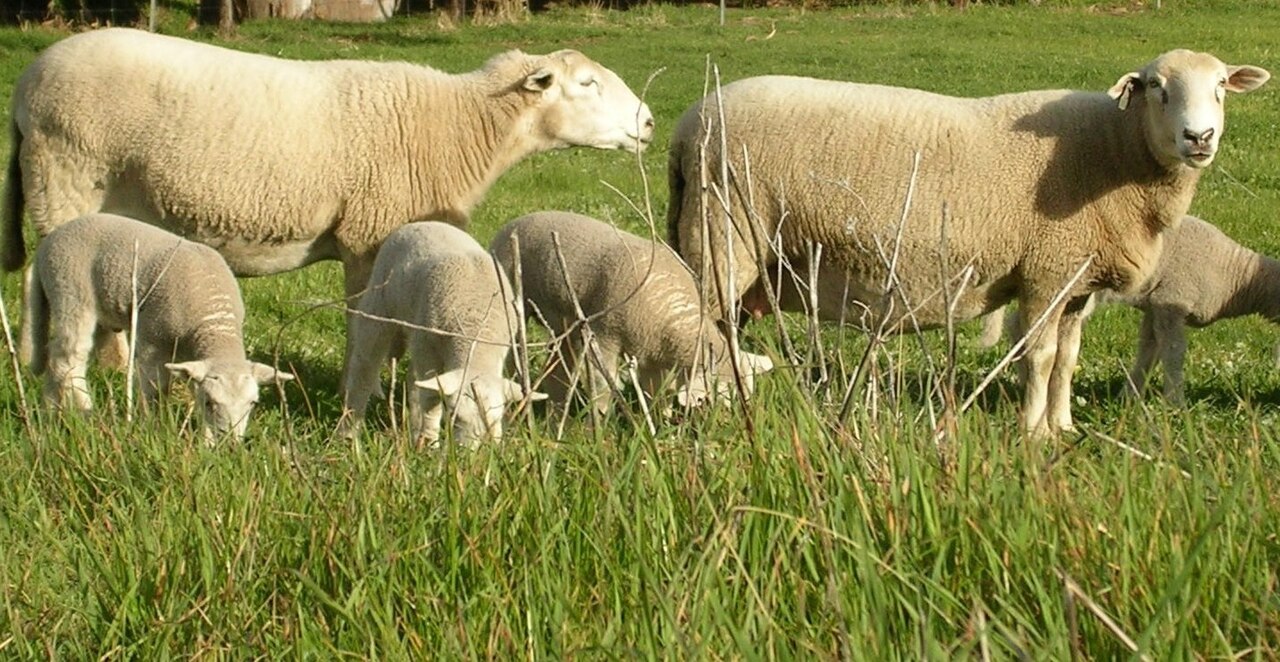
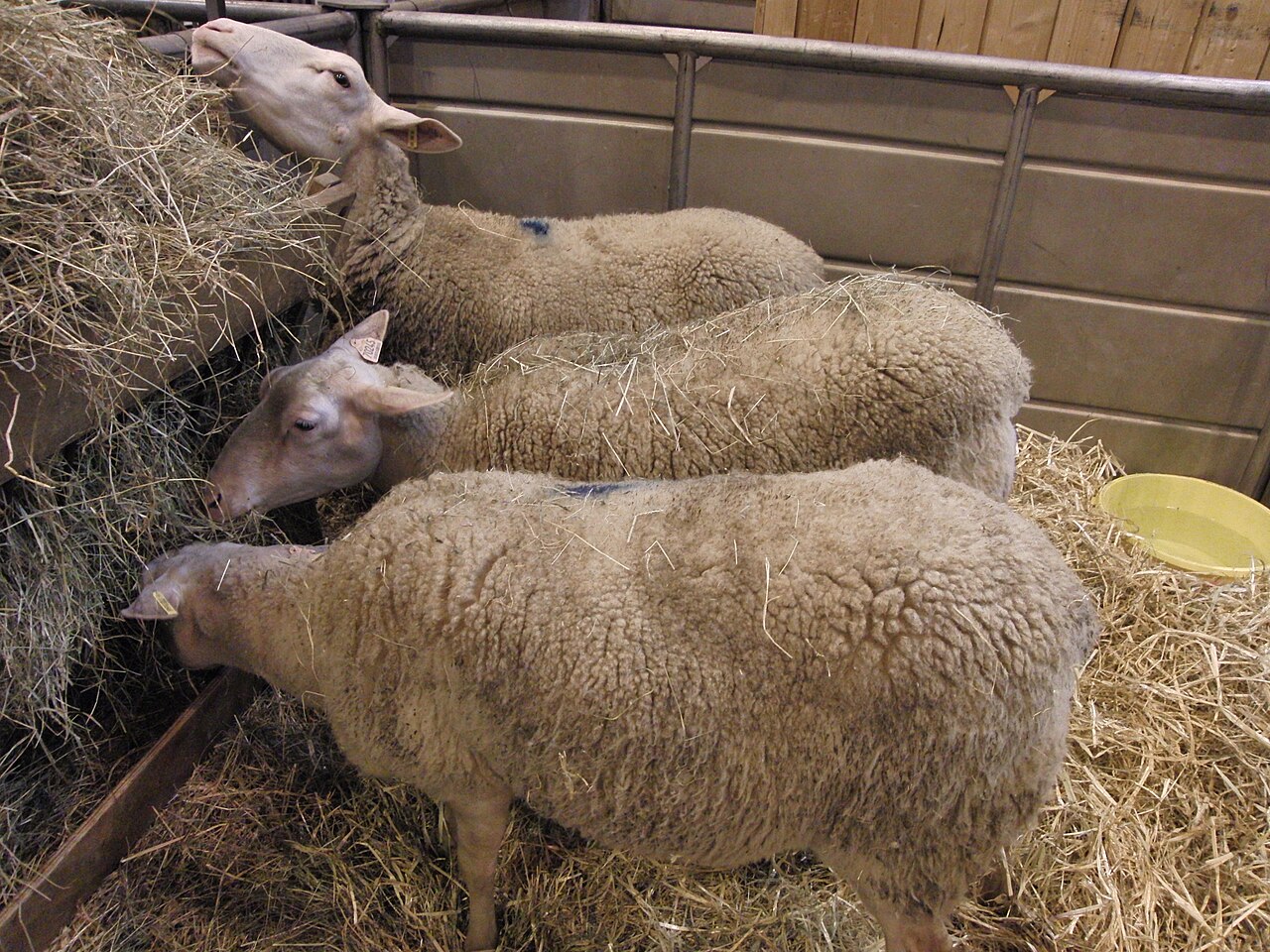
The Wiltipoll is a breed of polled domestic sheep that was developed in Australia from Wiltshire Horn sheep with the infusion of Border Leicester, Perendale, Poll Dorset, and Poll Merino genetics, that are raised for meat.
History
The polled variety of the Wiltshire Horn sheep was developed in Australia to create a polled variety of the easy-care Wiltshire Horn sheep suitable for heavy lamb production. In 1996, the breed association was formed, and it has expanded rapidly.
Characteristics
Wiltipolls are large, easy-care, plain-bodied sheep that shed their wool annually. They do not require crutching or shearing and do not suffer readily from fly strike, which makes them a useful breed for small holdings without shearing sheds. These sheep must have at least 96.87% Wiltshire Horn genetics, completely shed their fleece annually, and be polled. The ewes are seasonal breeders, but are good mothers, have high fertility with a high percentage of multiple births.
Wiltipoll sheep may weigh up to 125 kg (276 lb) under reasonable conditions.
Wiltipoll sheep (polled Wiltshire Horn) shed their wool annually in spring to summer and produce lean, heavy lambs. They are a polled breed (no horns) bred for the production of prime lamb. The wool is simply shed and falls to the ground.
Due to this process, the energy of the sheep is directed into meat and milk, not wool.
The breed is, therefore, very low maintenance as it has no need for shearing, crutching, mulesing, jetting, dipping, and docking of tails. The Wiltipoll is grass seed-resistant and fly- and lice-resistant, reducing the need for chemicals or the painful practice of mulesing. All this equates to less expense and less work.
Wiltipolls have a high lambing percentage of 130–180% and good maternal instincts. They are renowned for twins and triplets. This requires fewer ewes to manage and feed with more prime lamb to sell. They produce prime lambs without laying down fat, thus producing a very lean, high-quality meat.
As the Wiltipoll are polled, the sheep are easier to handle and less bruising occurs.
Wiltipolls ideally suit small acreage holders and also those farmers who can not continue with the workload associated with wool breeds. This breed is very hardy and can survive on rough, scrubby feed.
Ajouter des photos
Partagez vos photos de cette espèce (jusqu'à 20 à la fois) : elles sont vérifiées automatiquement, puis publiées.
Autres races de l'espèce (579)
Espèce : Mouton
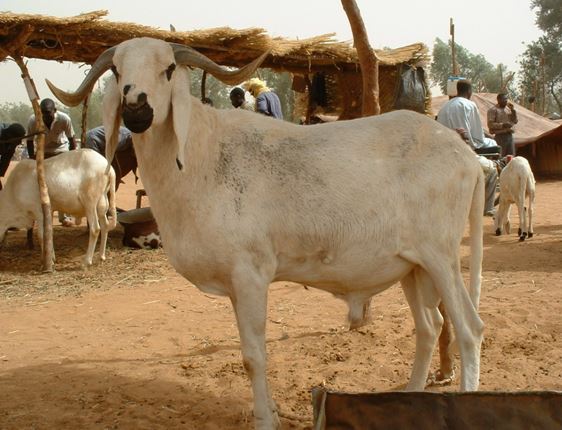
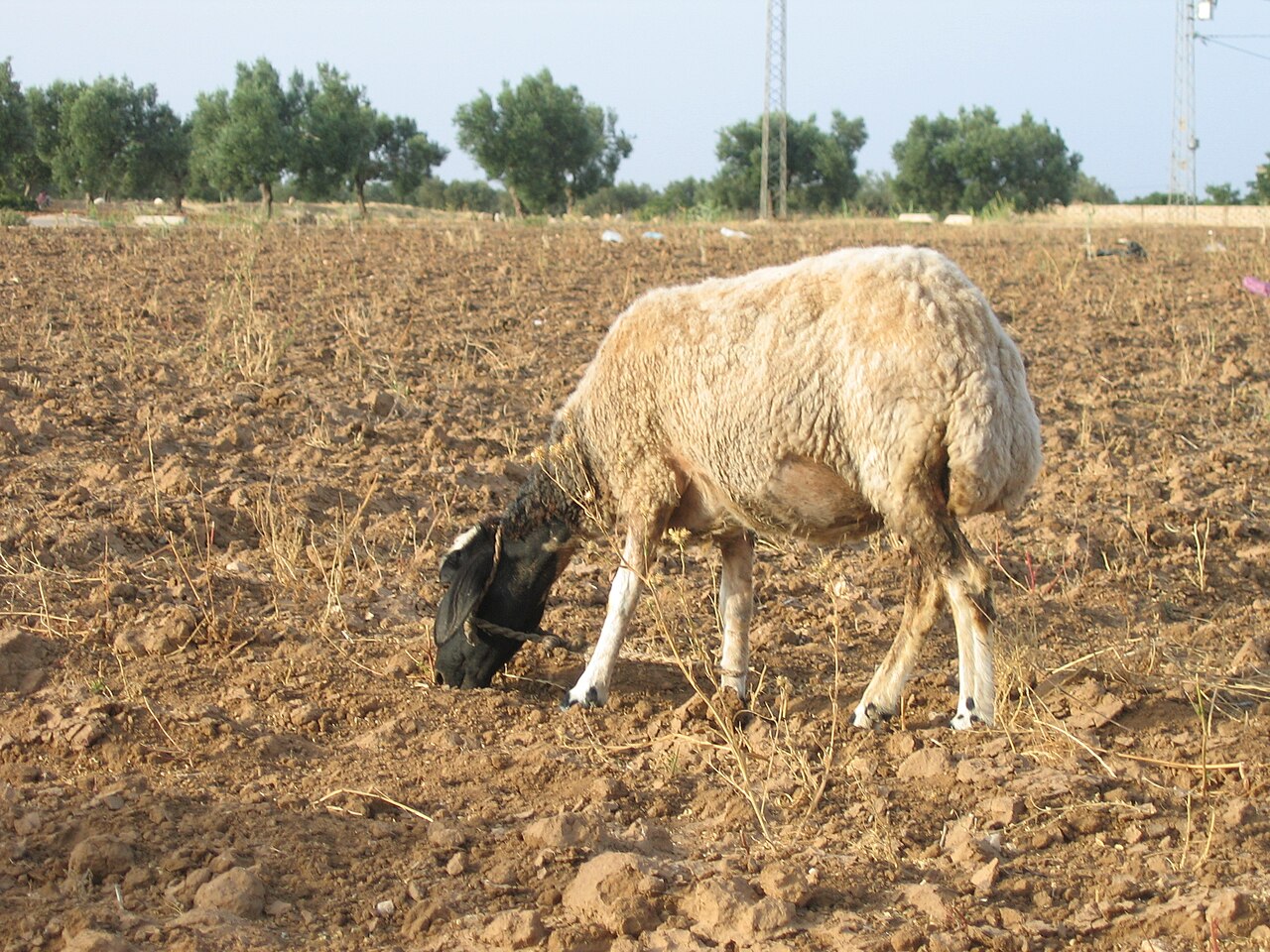
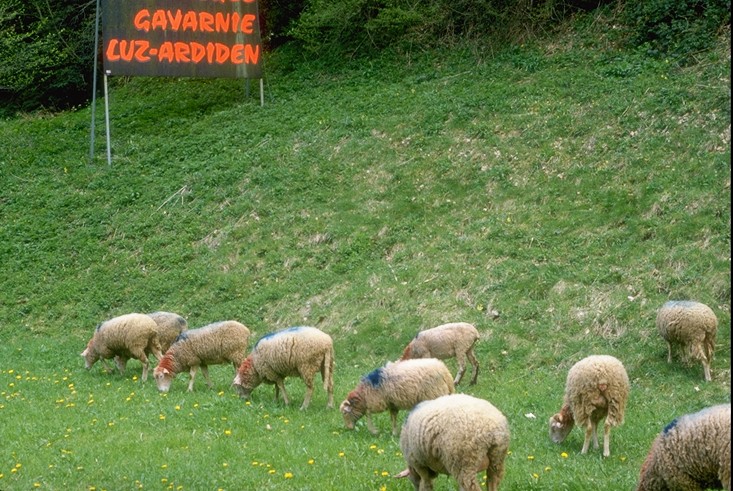
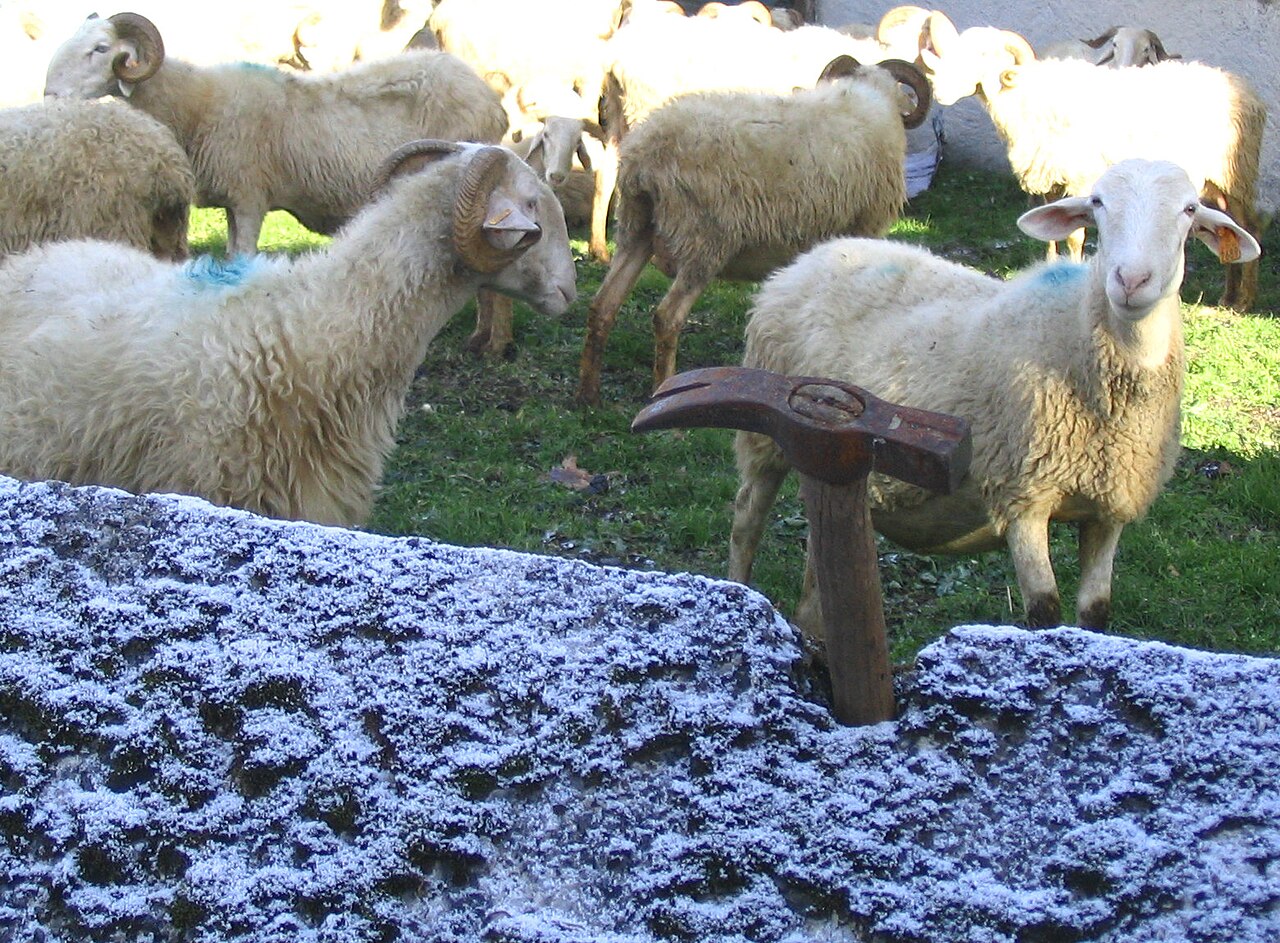
Voir les 567 autres races
- Berrichon du Cher
- Bizet
- Blanche du Massif central
- Bleu du Maine
- Boulonnaise
- Braunes Bergschaf
- Brebis landaise
- Brigasque
- Castillonnaise
- Caussenarde des Garrigues
- Causses du Lot
- Charmoise
- Cheviot
- Clun Forest
- Cobourg
- Columbia
- Corse
- Cotentin
- Cotswold
- Dalesbred
- Deccani
- Dorper
- Dorset
- Duben
- Est à laine Mérinos
- Finnoise
- Garole
- Gotland
- Greyface Dartmoor
- Grivette
- Hampshire
- Hebridean
- Herdwick
- Jaglu
- Karakachan
- Karakul
- Karayaka
- Lacaune
- Ladoum
- Landrace danois
- Latxa
- Latxa tête noire
- Latxa tête rousse
- Leicester
- Limousine
- Lincoln
- Lleyn
- Loaghtan
- Lourdaise
- Madras Red
- Manech tête noire
- Manech tête rousse
- Martinik
- Masaï
- Masham
- Montagne noire
- Morada Nova
- Mourerous
- Mouton Charollais
- Mouton d'Engadine
- Mouton de Boreray
- Mouton de Frise orientale
- Mouton de Jacob
- Mouton de Poméranie
- Mouton de Saas
- Mouton de Santa Cruz
- Mouton de Soay
- Mouton de Somalie
- Mouton de l'Oberland grison
- Mouton de la Leine
- Mouton des Landes de Bretagne
- Mouton du Cameroun
- Mouton du Tyrol
- Mouton islandais
- Mouton vendéen
- Mouton à lunettes de Carinthie
- Mérinos d'Arles
- Mérinos de Rambouillet
- Mérinos précoce
- Nellore
- Nez noir du Valais
- Noire de Thibar
- Noire du Velay
- North Ronaldsay
- Ouessant
- Ouled Djellal
- Oxford
- Pelibüey
- Persan à tête noire
- Préalpes du Sud
- Queue fine de l'Ouest
- Racka
- Rava
- Romane (INRA 401)
- Romanov
- Roslag
- Rouge de l'Ouest
- Rouge du Roussillon
- Rough Fell
- Roussin de la Hague
- Roux du Valais
- Sarde
- Sardi
- Sasi ardia
- Scottish Blackface
- Shetland
- Sicilo-Sarde
- Sidaoun
- Skudde
- Solognote
- Southdown
- Suffolk
- Swaledale
- Tarasconnaise
- Teeswater
- Texel
- Thônes et Marthod
- Tunis
- Wensleydale
- Yankasa
- Zerasca
- Zwartbles
- Île-de-France
- Absheron
- Afrikaner
- Agneau de Sisteron
- Alpines Steinschaf
- Appenninica
- Arcott Rideau
- Askanian
- Assaf
- Awassi
- Badger Face Welsh Mountain
- Balwen Welsh Mountain
- Bardoka
- Bergamasque
- Black Welsh Mountain
- Bluefaced Leicester
- Bond
- Border Leicester
- Cambridge
- Castlemilk Moorit
- Chios
- Churra
- Churra Algarvia
- Comisana
- Coolalee
- Cornigliese
- Corriedale
- Drysdale
- Elin Pelin
- Exmoor Horn
- Galway
- Gansu Alpine Finewool
- Garfagnina Bianca
- Gromark
- Gulf Coast Native
- Gutefår
- Hog Island sheep
- Istrian milk
- Istriana
- Katahdin
- Katumsky
- Kerry Hill
- Lithuanian Black-headed
- Llanwenog
- Lohi
- Lonk
- Magra
- Manchega
- Massese
- Meatmaster
- Merinolandschaf
- Montadale
- Mouton de Drenthe
- Mouton des Îles Féroé
- Mérinos
- Mérinos australien
- Najdi
- Navajo-Churro
- New Zealand Romney
- Newfoundland sheep
- Nilgiri
- Norfolk Horn
- North Country Cheviot
- Old Norwegian Sheep
- Orkhon sheep
- Ovella Galega
- Perendale
- Poll Dorset
- Poll Merino
- Polypay
- Portland
- Priangan
- Romeldale
- Romney
- Ruda
- Ryafår
- Ryeland
- Saane
- Santa Inês
- Saryja sheep
- Scottish Dunface
- Segureña
- Serra da Estrela, race ovine
- Serres
- Shropshire
- South African Mutton Merino
- Spælsau
- St. Croix sheep
- Stara Zagora
- Tautersau
- Tiroler Steinschaf
- Tsigai
- Weißköpfiges Fleischschaf
- Welsh Mountain
- White Polled Heath
- Whitefaced Woodland
- Wiltshire Horn
- Australian White
- Barbados Blackbelly
- Border Cheviot
- Cine Capari
- Delaine Merino
- Derbyshire Gritstone
- Devon Longwool
- Kajli
- Marwari
- Mouton de Lika
- Nolana
- Olde English 'Babydoll' Southdown sheep
- Oudah bicolore
- Rosset
- Basseri sheep
- Berganes
- Borrego Chiapas
- Chilota
- Churra Tensina
- Colmenareña
- Copper-Red Shumen Sheep
- Dalasau
- German blackheaded mutton
- Helsinge sheep
- Kainuu Grey
- Kihnu native sheep
- Lojeña
- Merino de Grazalema
- Montafoner Steinschaf
- Montesina
- Mouton Flamand
- Mouton de Svärdsjö
- Mouton de Valachie
- Norsk kvit sau
- Ojalada
- Patch-faced maritza sheep
- Pleven Blackhead
- Pramenka
- Replyan
- Rhönschaf
- Roja Mallorquina
- Schoonebeker heideschaap
- Sharmountain
- Stara Planina Tsigai
- Synthetic Population Bulgarian Milky Sheep
- Veluwe Heath
- Villnösser Brillenschaf
- Värmlandsfår
- Waldschaf
- White Dorper
- White Maritza
- Wrzosowka
- Xisqueta
- Peul-peul
- Agriniou
- Alcarreña
- Alpagota
- Altamurana
- Argos
- Aure et campan
- Bagnolese
- Balangir
- Bapedi
- Blanc des Alpes
- Bonpala
- Brun noir du pays
- Carranzana
- D'man
- DLS
- Djallonké
- Edilbay
- Entre-Sambre-et-Meuse
- Ganjam
- Ibeidi
- Junín
- Kalarrytiko
- Kenguri
- Kilakarsal
- Laticauda
- Linca
- Macina
- Mallorquina
- Mouton han à queue courte
- Mouton indigène des Bahamas
- Mouton marron des Aravis
- Mouton miroir
- Muzaffarnagari
- Namaqua Afrikaner
- Nangue à tête noire
- Ossimi
- Pampinta
- Raïole
- Rojo Africana
- Sabi
- Thraki
- Touabire
- Vembur
- Zakynthos
- Acıpayam
- Afrino
- Alai
- Altay
- American Blackbelly
- Ancon
- Arabi
- Arkhar-Merino
- Armenian Semicoarsewool
- Atyrau
- Aussiedown
- Balkhi
- Baluchi
- Barbaresca Siciliana
- Bellary sheep
- Beulah Speckled Face
- Bibrik
- Biellese
- Bovška ovca
- Brazilian Somali
- Brecknock Hill Cheviot
- Brentegana
- Breznik
- Brianzola
- British Milksheep
- Brogna
- California Red
- Castellana
- Cholistani
- Ciavenasca
- Cikta
- Ciuta
- Coimbatore
- Coopworth
- Corino
- Cormo
- Cornella Bianca
- Corteno
- Dala pälsfår
- Damani
- Damara
- Dağliç
- Debouillet
- Delle Langhe
- Devon Closewool
- Döhne Merino
- Easy Care
- Elliotdale
- Estonian Ruhnu
- Fabrianese
- Finarda
- Frabosana
- Gaddi
- Garessina
- Gentile Di Puglia
- Grozny
- Guirra
- Jaguaribe
- Karnobat
- Kotel
- Lacaune lait
- Lacaune viande
- Lamon
- Leccese
- Leine
- Livo
- Mecheri
- Mehraban
- Merinizzata Italiana
- Mouton du Groenland
- Mérinos Booroola
- Mérinos Peppin
- Nambi
- Nera di Arbus
- Noticiana
- Panama
- Phan Rang
- Pinzirita
- Polled Dorset
- Polwarth
- Rambouillet américain
- Saltasassi
- Sambucana
- Savoiarda
- Sciara
- Sfakia
- Sopravissana
- Svishtov
- Taleshi
- Targhee
- Tazegzawt
- Teteven
- Trimeticcia di Segezia
- Troender Gris
- Turchessa
- Valle del Belice
- Van Rooy
- Varesina
- Vicentina
- White Suffolk
- Whiteface Dartmoor
- Xalda
- Zulu
- Bagri
- Vissana
- Adal
- Afghan Arabi
- Barki
- Deutsches Bergschaf
- Gökçeada
- Hanzhong
- Herik
- Hill Radnor
- Kooka
- Marrana
- Matesina
- Mati
- Mouton Criollo
- Nostrana
- Pirot
- Pomarancina
- Pusterese
- Sakiz
- Shkodra
- Somali Arab
- Tacòla
- Tadmit
- Turki
- Waziri
- Zelazna
- Ardes
- Agneau de l'Adret
- Akzhaik
- Ansotana
- Aragats breed group of sheep
- Aranesa
- Azerbaijan mountain merino
- Baluska
- Baruwal
- Belokranjska pramenka
- Bergamácia brasileira
- Berkshire Knot
- Bezuidenhout Afrikaner
- Cabugi
- Campinoise
- Cariri
- Carranzana à tête noire
- Carranzana à tête rousse
- Cartera
- Caucasian Fine-Wool
- Chamarita
- Chevaadu
- Churra lebrijana
- Comarqueña
- Cordero segureño
- Crioula
- Dagestan Mountain
- Danubian Fine Fleece Sheep
- Degeress
- Dormer
- Eivissenca
- El Hamra
- Erronkariko ardia
- Estonian Blackhead
- Estonian Whitehead
- Fjällnäs
- Flevolander
- Gadik
- Gammelnorsk spaelsau
- German Mutton Merino
- Geschecktes Bergschaf
- Gestrike sheep
- Ghiljai
- Gissar
- Golemi
- Gyimesi racka
- Harnai
- Harri
- Hashtnagri
- Havasi
- Hazaragie
- Hissar sheep
- Hottentot
- Improved Jezersko-Solcava
- Improved bovec
- Kandahari
- Karabakh sheep
- Karachai sheep
- Karagouniko
- Karnobat Fine Fleece Sheep
- Kazakhskii Arkharo Merinos
- Klövsjö sheep
- Koprivshten
- Lakens schaap
- Lara Polisi
- Large Tailed Han
- Latvian Darkheaded
- Letelle Merino
- Lettelle
- Maellana
- Maltese sheep
- Mazekh
- Mergelland
- Merinolangwollschaf
- Merinos Transilvanean
- Middle Rhodopean Sheep
- Middle Stara Planina Sheep
- Mouton mongol
- Mérinos de Stavropol
- Norsk pelssau
- Norteast Bulgarian Fine Fleece sheep
- North Bulgarian Corriedale
- North Kazakh Merino
- Ojinegra de Teruel
- Ovis musimon × Ovis aries
- Pak Karakul
- Podhale Zackel
- Rabo Largo
- Raimbi
- Ramnad White
- Rasa Aragonesa
- Red Karaman
- Rhodope Tsigai
- Ripollesa
- Roja Bilbilitana
- Royal White
- Rubia del molar
- Rygja
- Sakar sheep
- Saraja
- Shafali
- Soinga
- South Kazakh Merino
- Steigar
- Strandzha sheep
- Sulukol Merino
- Swifter
- Tabacktorp sheep
- Talaverana
- Texas Dall
- Thracian Fine-Wool
- Tiruchy Black
- Tlyarota
- Vandor
- West balkan mountains sheep
- White Horned Heath
- Zagoria
- Zhanaarka
- Ålandsfår
- Åsen sheep
Sources et crédits
Informations provenant de plusieurs sources vérifiées. Dernière mise à jour : .
Crédits photos (1)
- Photo : Cgoodwin · CC BY-SA 3.0 · via Wikimedia Commons
Mentions de licence
Texte disponible sous licence CC BY-SA 4.0. Il adapte notamment Wikipedia (CC BY-SA): Wiltipoll (Wikipédia, auteurs dans l’historique de l’article).
- Taxonomie : GBIF Backbone Taxonomy (CC BY 4.0)
Détail : Sources et licences.
Discussion (0)
Aucun message pour l’instant. Lancez la discussion sur cette fiche (sources, précisions, débats éditoriaux).
Connectez-vous pour participer à la discussion.