
- Kingdom
- Animalia
- Phylum
- Chordata
- Class
- Mammalia
- Order
- Artiodactyla
- Family
- Bovidae
- Genus
- Ovis
- Species
- Ovis aries
Overview
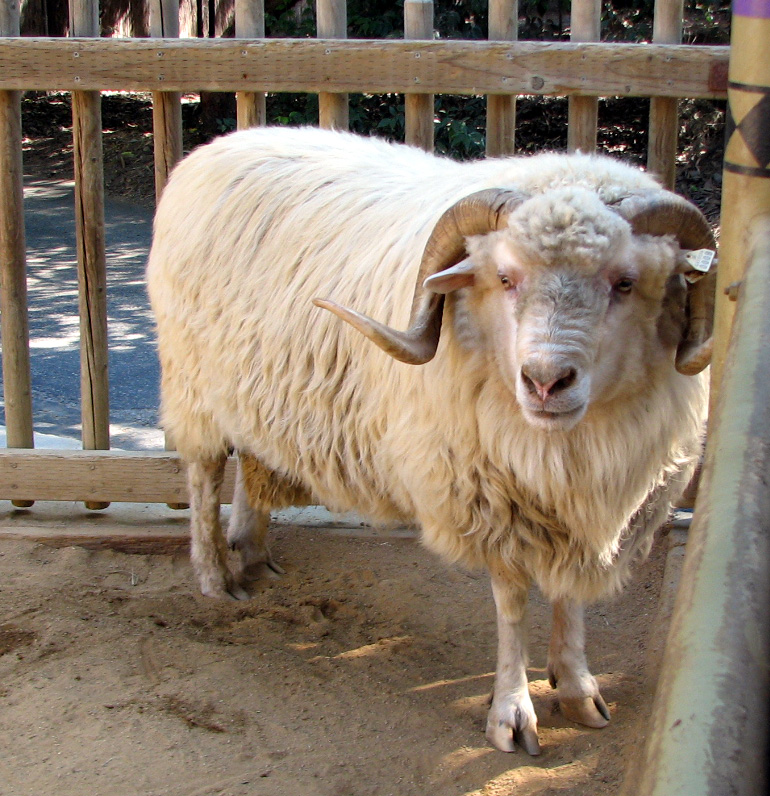
The Navajo-Churro, or Churro for short, (also American or Navajo Four-Horned) is a breed of domestic sheep originating with the Spanish Churra sheep obtained by the Diné around the 16th century during the Spanish Conquest. Its wool consists of a protective topcoat and soft undercoat. Some rams have four fully developed horns, a trait shared with few other breeds in the world. The breed is highly resistant to disease. Ewes often bear twins, and they have good mothering instincts. This breed is raised primarily for wool, although some also eat their meat.
The common Diné word for the breed, Dibé dits’ozí, means "long fleeced sheep." T’áá Dibé is also occasionally used, meaning "first sheep." The churro is important to Diné subsistence and culture.
History
The Spanish Churra (renamed Churro by American frontiersmen) was first imported to North America in 1598 by Juan de Oñate and used to feed Spanish armies and settlers. By the 17th century, Churros were popular with the Spanish settlers in the upper Rio Grande Valley. The Diné acquired Churro flocks by trading. The Churro soon became an important part of the Diné economy and culture. The Navajo bred sheep to adapt to a pastoral lifestyle in a harsh desert environment.
During the Navajo Wars, American soldier Kit Carson instructed his troops to destroy Navajo crops and kill their livestock, including the Churro sheep, in 1863. They killed thousands of sheep. Some small clusters in remote canyons survived the attack. The entire Navajo nation was then forced to march to a reservation. The Navajo nation and the US government signed the Treaty of Bosque Redondo in 1868, allowing the Navajo to return to their homeland. As part of the agreement, the US government provided sheep to the Navajo; however, these breeds were unfamiliar and contaminated the Churro sheep line.
In the 1930s, the US government implemented the Navajo Livestock Reduction, intended to reduce the amount of sheep and horses on Diné lands. Tens of thousands of Churro sheep were slaughtered, and their numbers dwindled. The Livestock Conservancy estimated that less than 450 Churros remained by the 1970s. This reduction of the flocks drove many Diné ranchers into poverty. Many Diné who had traditionally lived off the land and agriculture turned to wage work.
Restoration of the breed began in the 1970s when breeders began acquiring Churro phenotypes with the purpose of preserving the breed and revitalizing Diné and Hispanic flocks. The Navajo Sheep Project, headed by Lyle McNeal, was the first organization to start a breeding program.
While the Navajo-Churro breed is no longer in danger of extinction, it is still considered a rare breed. There were over 8,000 head of Navajo-Churro sheep in 2022.
Cultural role
Diné weavers have used Churro wool to make rugs, wall hangings, and other products since the late 1600s. The sheep naturally produce wool in fourteen colors, so weavers can produce complex colorwork without needing to dye the wool. The yarn produced from the wool is durable, coarse, and non-pilling. Many Diné through the early 20th century made their livelihood in farming and ranching. Woven products, such as rugs and blankets, were and continue to be important exports.
Carding wool, spinning yarn, and weaving are traditionally women's work among the Diné. As such, flocks of sheep traditionally belonged to women and were passed from a mother to her children. Children learned to tend the sheep at a young age.
The specific Churro breed, as opposed to sheep in general, is an important part of Diné cultural identity. Elders in particular remembered the Churro flocks from the early 20th century. Some were overjoyed to see the revitalization from the 1970s onward:
I said, "Why are you crying for grandpa?" He said, "It's been a long time since I've seen these sheep. I'm so happy that they're here again."
Description
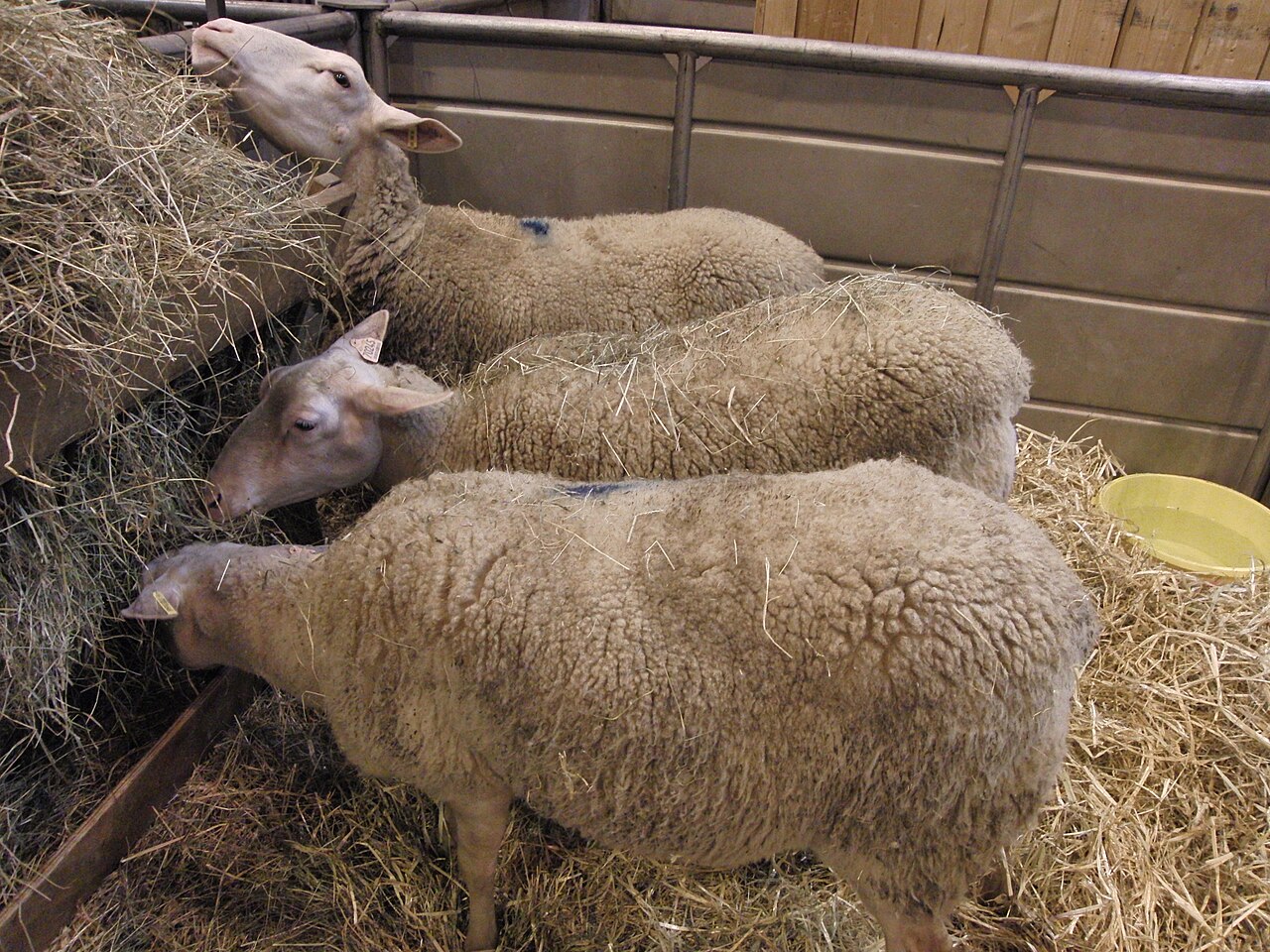
Churros are small sheep with long, thin tails, horizontal ears, and a double coat. Ewes are 40–60 kg (88–132 lb), while rams are 55–85 kg (121–187 lb). The sheep are long-lived and can be productive for up to 15 years. An ideal Churro, according to the breed standard, has a bare face, bare legs, and a mostly bare belly. The sheep are hardy with light bones, narrow bodies, and long legs. They do not reach their full-grown size until well into their second year.
Most rams have horns, either two or four. Rams may also have scurs or be polled. Ewes are more likely to have scurs or be polled; however, they may also have two or four horns. Sheep with more than two horns are polycerate. Although this is more common in rams, the polycerate trait appears in ewes as well. This is because they possess a mutation on the HOXD1 gene, a mutation also found in old heritage breeds like the Jacob Sheep.
Churros come in a variety of colors, including reds, browns, black, white, and mixes, and color may change with age. The color is separated into the fleece color and the points color (legs and head). The sheep may also have different color patterns, such as eye patches and hip spots.
Fleece and meat
The Navajo-Churros possess a dual coat, which has an inner and an outer layer. The fleece is composed of an inner coat (80% of fleece), and outer coat that is hair fibers (10-20% of fleece) and kemp (a coarse, opaque fiber, less than 5% of fleece).
The fleece color is separated from the points color. The fleece can often change from lamb to adulthood. Blacks, for instance, often white out with age.
The meat is lean with a low fat content. Meat may be eaten for sustenance, or it may be used in traditional medicine.
Listings
Navajo-Churros are listed by The Livestock Conservancy as critical. They are also part of the Ark of Taste, a list of endangered heritage foods catalogued by Slow Food.
Further reading
- • Simmons, Paula; Carol Ekarius (2001). Storey's Guide to Raising Sheep. North Adams, MA: Storey Publishing LLC. ISBN 978-1-58017-262-2.
External links
Wikimedia Commons has media related to Navajo-Churro sheep.
- Navajo-Churro Sheep Association
- The Navajo Sheep Project
- Diné be' iiná, Inc., a nonprofit organization (The Navajo Lifeway)
- The Livestock Conservancy - Navajo-Churro Sheep
Communities
- List of communities
- •
Gallery
Ajouter des photos
Partagez vos photos de cette espèce (jusqu'à 20 à la fois) : elles sont vérifiées automatiquement, puis publiées.
Autres races de l'espèce (579)
Espèce : Mouton
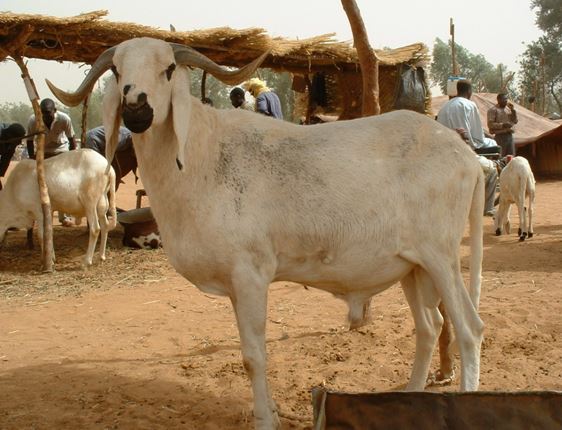
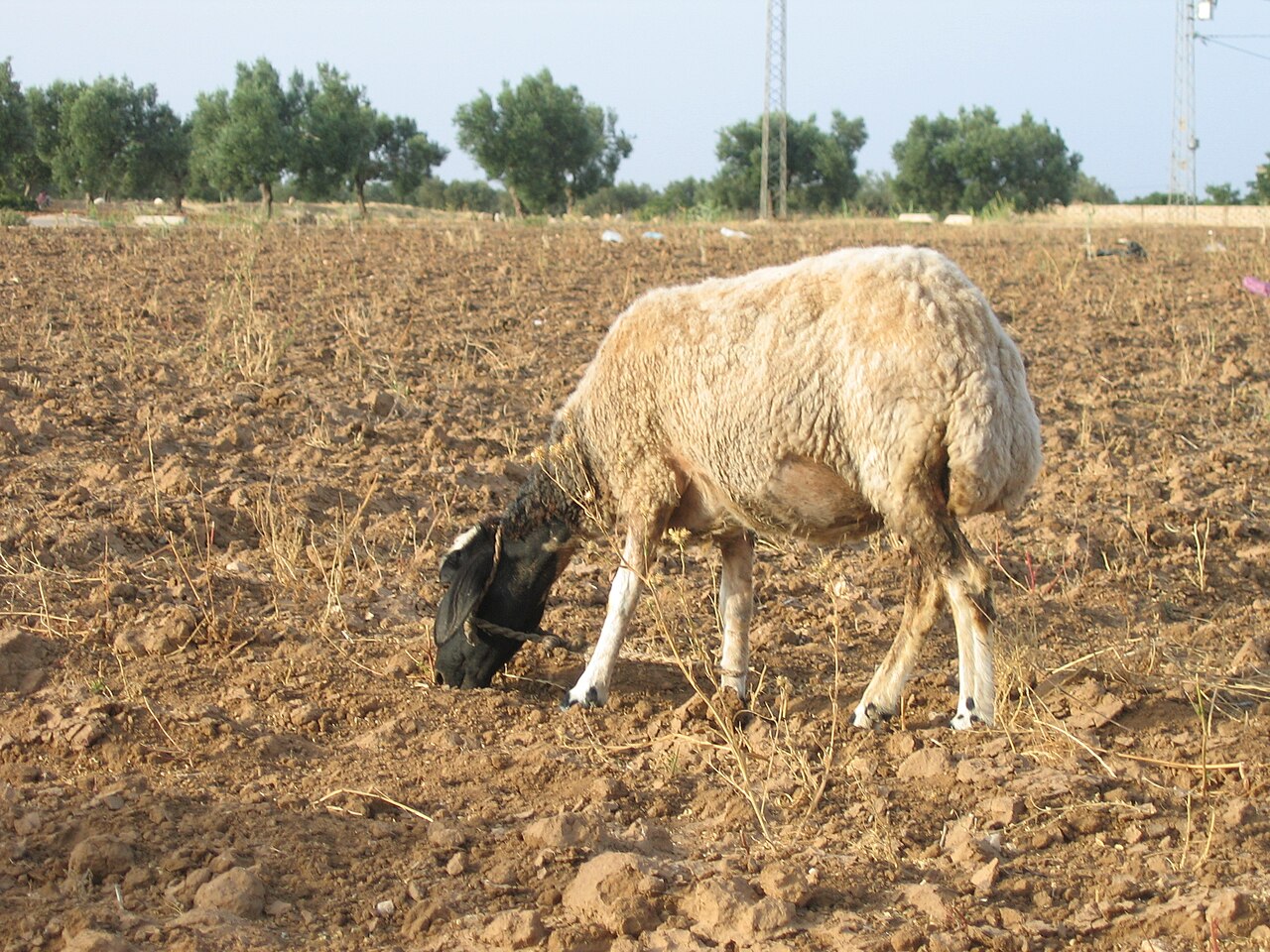
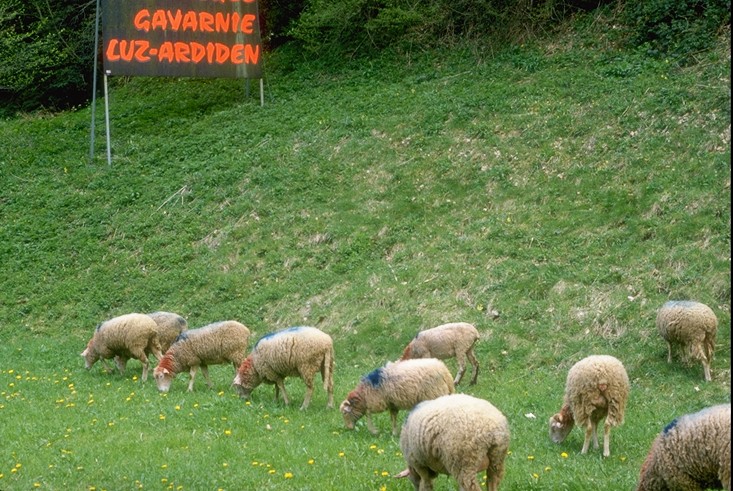
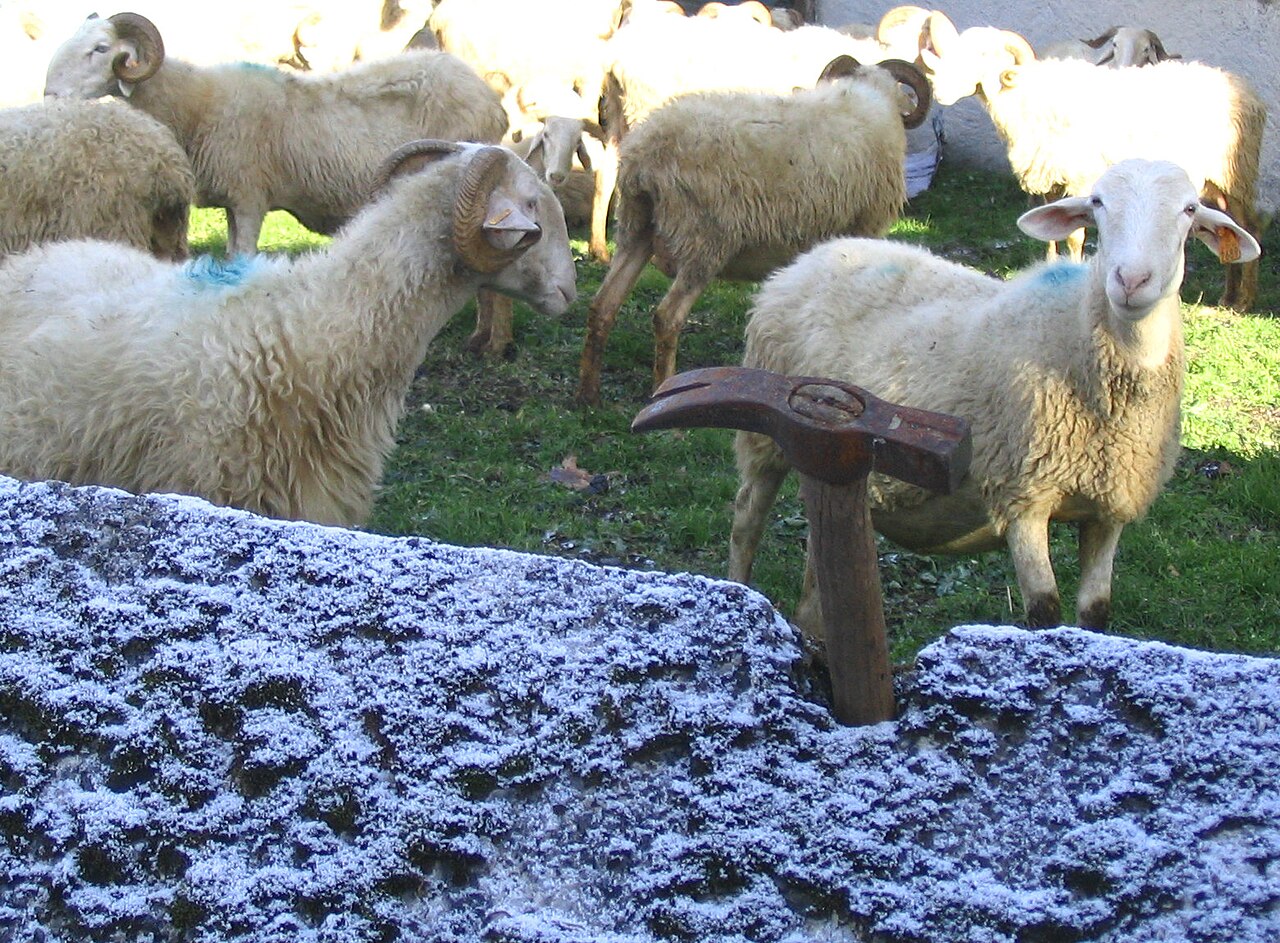
Voir les 567 autres races
- Berrichon du Cher
- Bizet
- Blanche du Massif central
- Bleu du Maine
- Boulonnaise
- Braunes Bergschaf
- Brebis landaise
- Brigasque
- Castillonnaise
- Caussenarde des Garrigues
- Causses du Lot
- Charmoise
- Cheviot
- Clun Forest
- Cobourg
- Columbia
- Corse
- Cotentin
- Cotswold
- Dalesbred
- Deccani
- Dorper
- Dorset
- Duben
- Est à laine Mérinos
- Finnoise
- Garole
- Gotland
- Greyface Dartmoor
- Grivette
- Hampshire
- Hebridean
- Herdwick
- Jaglu
- Karakachan
- Karakul
- Karayaka
- Lacaune
- Ladoum
- Landrace danois
- Latxa
- Latxa tête noire
- Latxa tête rousse
- Leicester
- Limousine
- Lincoln
- Lleyn
- Loaghtan
- Lourdaise
- Madras Red
- Manech tête noire
- Manech tête rousse
- Martinik
- Masaï
- Masham
- Montagne noire
- Morada Nova
- Mourerous
- Mouton Charollais
- Mouton d'Engadine
- Mouton de Boreray
- Mouton de Frise orientale
- Mouton de Jacob
- Mouton de Poméranie
- Mouton de Saas
- Mouton de Santa Cruz
- Mouton de Soay
- Mouton de Somalie
- Mouton de l'Oberland grison
- Mouton de la Leine
- Mouton des Landes de Bretagne
- Mouton du Cameroun
- Mouton du Tyrol
- Mouton islandais
- Mouton vendéen
- Mouton à lunettes de Carinthie
- Mérinos d'Arles
- Mérinos de Rambouillet
- Mérinos précoce
- Nellore
- Nez noir du Valais
- Noire de Thibar
- Noire du Velay
- North Ronaldsay
- Ouessant
- Ouled Djellal
- Oxford
- Pelibüey
- Persan à tête noire
- Préalpes du Sud
- Queue fine de l'Ouest
- Racka
- Rava
- Romane (INRA 401)
- Romanov
- Roslag
- Rouge de l'Ouest
- Rouge du Roussillon
- Rough Fell
- Roussin de la Hague
- Roux du Valais
- Sarde
- Sardi
- Sasi ardia
- Scottish Blackface
- Shetland
- Sicilo-Sarde
- Sidaoun
- Skudde
- Solognote
- Southdown
- Suffolk
- Swaledale
- Tarasconnaise
- Teeswater
- Texel
- Thônes et Marthod
- Tunis
- Wensleydale
- Yankasa
- Zerasca
- Zwartbles
- Île-de-France
- Absheron
- Afrikaner
- Agneau de Sisteron
- Alpines Steinschaf
- Appenninica
- Arcott Rideau
- Askanian
- Assaf
- Awassi
- Badger Face Welsh Mountain
- Balwen Welsh Mountain
- Bardoka
- Bergamasque
- Black Welsh Mountain
- Bluefaced Leicester
- Bond
- Border Leicester
- Cambridge
- Castlemilk Moorit
- Chios
- Churra
- Churra Algarvia
- Comisana
- Coolalee
- Cornigliese
- Corriedale
- Drysdale
- Elin Pelin
- Exmoor Horn
- Galway
- Gansu Alpine Finewool
- Garfagnina Bianca
- Gromark
- Gulf Coast Native
- Gutefår
- Hog Island sheep
- Istrian milk
- Istriana
- Katahdin
- Katumsky
- Kerry Hill
- Lithuanian Black-headed
- Llanwenog
- Lohi
- Lonk
- Magra
- Manchega
- Massese
- Meatmaster
- Merinolandschaf
- Montadale
- Mouton de Drenthe
- Mouton des Îles Féroé
- Mérinos
- Mérinos australien
- Najdi
- New Zealand Romney
- Newfoundland sheep
- Nilgiri
- Norfolk Horn
- North Country Cheviot
- Old Norwegian Sheep
- Orkhon sheep
- Ovella Galega
- Perendale
- Poll Dorset
- Poll Merino
- Polypay
- Portland
- Priangan
- Romeldale
- Romney
- Ruda
- Ryafår
- Ryeland
- Saane
- Santa Inês
- Saryja sheep
- Scottish Dunface
- Segureña
- Serra da Estrela, race ovine
- Serres
- Shropshire
- South African Mutton Merino
- Spælsau
- St. Croix sheep
- Stara Zagora
- Tautersau
- Tiroler Steinschaf
- Tsigai
- Weißköpfiges Fleischschaf
- Welsh Mountain
- White Polled Heath
- Whitefaced Woodland
- Wiltipoll
- Wiltshire Horn
- Australian White
- Barbados Blackbelly
- Border Cheviot
- Cine Capari
- Delaine Merino
- Derbyshire Gritstone
- Devon Longwool
- Kajli
- Marwari
- Mouton de Lika
- Nolana
- Olde English 'Babydoll' Southdown sheep
- Oudah bicolore
- Rosset
- Basseri sheep
- Berganes
- Borrego Chiapas
- Chilota
- Churra Tensina
- Colmenareña
- Copper-Red Shumen Sheep
- Dalasau
- German blackheaded mutton
- Helsinge sheep
- Kainuu Grey
- Kihnu native sheep
- Lojeña
- Merino de Grazalema
- Montafoner Steinschaf
- Montesina
- Mouton Flamand
- Mouton de Svärdsjö
- Mouton de Valachie
- Norsk kvit sau
- Ojalada
- Patch-faced maritza sheep
- Pleven Blackhead
- Pramenka
- Replyan
- Rhönschaf
- Roja Mallorquina
- Schoonebeker heideschaap
- Sharmountain
- Stara Planina Tsigai
- Synthetic Population Bulgarian Milky Sheep
- Veluwe Heath
- Villnösser Brillenschaf
- Värmlandsfår
- Waldschaf
- White Dorper
- White Maritza
- Wrzosowka
- Xisqueta
- Peul-peul
- Agriniou
- Alcarreña
- Alpagota
- Altamurana
- Argos
- Aure et campan
- Bagnolese
- Balangir
- Bapedi
- Blanc des Alpes
- Bonpala
- Brun noir du pays
- Carranzana
- D'man
- DLS
- Djallonké
- Edilbay
- Entre-Sambre-et-Meuse
- Ganjam
- Ibeidi
- Junín
- Kalarrytiko
- Kenguri
- Kilakarsal
- Laticauda
- Linca
- Macina
- Mallorquina
- Mouton han à queue courte
- Mouton indigène des Bahamas
- Mouton marron des Aravis
- Mouton miroir
- Muzaffarnagari
- Namaqua Afrikaner
- Nangue à tête noire
- Ossimi
- Pampinta
- Raïole
- Rojo Africana
- Sabi
- Thraki
- Touabire
- Vembur
- Zakynthos
- Acıpayam
- Afrino
- Alai
- Altay
- American Blackbelly
- Ancon
- Arabi
- Arkhar-Merino
- Armenian Semicoarsewool
- Atyrau
- Aussiedown
- Balkhi
- Baluchi
- Barbaresca Siciliana
- Bellary sheep
- Beulah Speckled Face
- Bibrik
- Biellese
- Bovška ovca
- Brazilian Somali
- Brecknock Hill Cheviot
- Brentegana
- Breznik
- Brianzola
- British Milksheep
- Brogna
- California Red
- Castellana
- Cholistani
- Ciavenasca
- Cikta
- Ciuta
- Coimbatore
- Coopworth
- Corino
- Cormo
- Cornella Bianca
- Corteno
- Dala pälsfår
- Damani
- Damara
- Dağliç
- Debouillet
- Delle Langhe
- Devon Closewool
- Döhne Merino
- Easy Care
- Elliotdale
- Estonian Ruhnu
- Fabrianese
- Finarda
- Frabosana
- Gaddi
- Garessina
- Gentile Di Puglia
- Grozny
- Guirra
- Jaguaribe
- Karnobat
- Kotel
- Lacaune lait
- Lacaune viande
- Lamon
- Leccese
- Leine
- Livo
- Mecheri
- Mehraban
- Merinizzata Italiana
- Mouton du Groenland
- Mérinos Booroola
- Mérinos Peppin
- Nambi
- Nera di Arbus
- Noticiana
- Panama
- Phan Rang
- Pinzirita
- Polled Dorset
- Polwarth
- Rambouillet américain
- Saltasassi
- Sambucana
- Savoiarda
- Sciara
- Sfakia
- Sopravissana
- Svishtov
- Taleshi
- Targhee
- Tazegzawt
- Teteven
- Trimeticcia di Segezia
- Troender Gris
- Turchessa
- Valle del Belice
- Van Rooy
- Varesina
- Vicentina
- White Suffolk
- Whiteface Dartmoor
- Xalda
- Zulu
- Bagri
- Vissana
- Adal
- Afghan Arabi
- Barki
- Deutsches Bergschaf
- Gökçeada
- Hanzhong
- Herik
- Hill Radnor
- Kooka
- Marrana
- Matesina
- Mati
- Mouton Criollo
- Nostrana
- Pirot
- Pomarancina
- Pusterese
- Sakiz
- Shkodra
- Somali Arab
- Tacòla
- Tadmit
- Turki
- Waziri
- Zelazna
- Ardes
- Agneau de l'Adret
- Akzhaik
- Ansotana
- Aragats breed group of sheep
- Aranesa
- Azerbaijan mountain merino
- Baluska
- Baruwal
- Belokranjska pramenka
- Bergamácia brasileira
- Berkshire Knot
- Bezuidenhout Afrikaner
- Cabugi
- Campinoise
- Cariri
- Carranzana à tête noire
- Carranzana à tête rousse
- Cartera
- Caucasian Fine-Wool
- Chamarita
- Chevaadu
- Churra lebrijana
- Comarqueña
- Cordero segureño
- Crioula
- Dagestan Mountain
- Danubian Fine Fleece Sheep
- Degeress
- Dormer
- Eivissenca
- El Hamra
- Erronkariko ardia
- Estonian Blackhead
- Estonian Whitehead
- Fjällnäs
- Flevolander
- Gadik
- Gammelnorsk spaelsau
- German Mutton Merino
- Geschecktes Bergschaf
- Gestrike sheep
- Ghiljai
- Gissar
- Golemi
- Gyimesi racka
- Harnai
- Harri
- Hashtnagri
- Havasi
- Hazaragie
- Hissar sheep
- Hottentot
- Improved Jezersko-Solcava
- Improved bovec
- Kandahari
- Karabakh sheep
- Karachai sheep
- Karagouniko
- Karnobat Fine Fleece Sheep
- Kazakhskii Arkharo Merinos
- Klövsjö sheep
- Koprivshten
- Lakens schaap
- Lara Polisi
- Large Tailed Han
- Latvian Darkheaded
- Letelle Merino
- Lettelle
- Maellana
- Maltese sheep
- Mazekh
- Mergelland
- Merinolangwollschaf
- Merinos Transilvanean
- Middle Rhodopean Sheep
- Middle Stara Planina Sheep
- Mouton mongol
- Mérinos de Stavropol
- Norsk pelssau
- Norteast Bulgarian Fine Fleece sheep
- North Bulgarian Corriedale
- North Kazakh Merino
- Ojinegra de Teruel
- Ovis musimon × Ovis aries
- Pak Karakul
- Podhale Zackel
- Rabo Largo
- Raimbi
- Ramnad White
- Rasa Aragonesa
- Red Karaman
- Rhodope Tsigai
- Ripollesa
- Roja Bilbilitana
- Royal White
- Rubia del molar
- Rygja
- Sakar sheep
- Saraja
- Shafali
- Soinga
- South Kazakh Merino
- Steigar
- Strandzha sheep
- Sulukol Merino
- Swifter
- Tabacktorp sheep
- Talaverana
- Texas Dall
- Thracian Fine-Wool
- Tiruchy Black
- Tlyarota
- Vandor
- West balkan mountains sheep
- White Horned Heath
- Zagoria
- Zhanaarka
- Ålandsfår
- Åsen sheep
Sources et crédits
Informations provenant de plusieurs sources vérifiées. Dernière mise à jour : .
Crédits photos (10)
- Photo : Just chaos · CC BY 2.0 · via Wikimedia Commons
- Photo : Just chaos · CC BY 2.0 · via Wikimedia Commons
- Photo : Just chaos · CC BY 2.0 · via Wikimedia Commons
- Photo : liz west from Boxborough, MA · CC BY 2.0 · via Wikimedia Commons
- Photo : Jean from Shelbyville, KY · CC BY 2.0 · via Wikimedia Commons
- Photo : Jean from Shelbyville, KY · CC BY 2.0 · via Wikimedia Commons
- Photo : Jean from Shelbyville, KY · CC BY 2.0 · via Wikimedia Commons
- Photo : Jean from Shelbyville, KY · CC BY 2.0 · via Wikimedia Commons
- Photo : Jean from Shelbyville, KY · CC BY 2.0 · via Wikimedia Commons
- Photo : Jean from Shelbyville, KY · CC BY 2.0 · via Wikimedia Commons
Mentions de licence
Texte disponible sous licence CC BY-SA 4.0. Il adapte notamment Wikipedia (CC BY-SA): Navajo-Churro (Wikipédia, auteurs dans l’historique de l’article).
- Taxonomie : GBIF Backbone Taxonomy (CC BY 4.0)
Détail : Sources et licences.
Discussion (0)
Aucun message pour l’instant. Lancez la discussion sur cette fiche (sources, précisions, débats éditoriaux).
Connectez-vous pour participer à la discussion.