
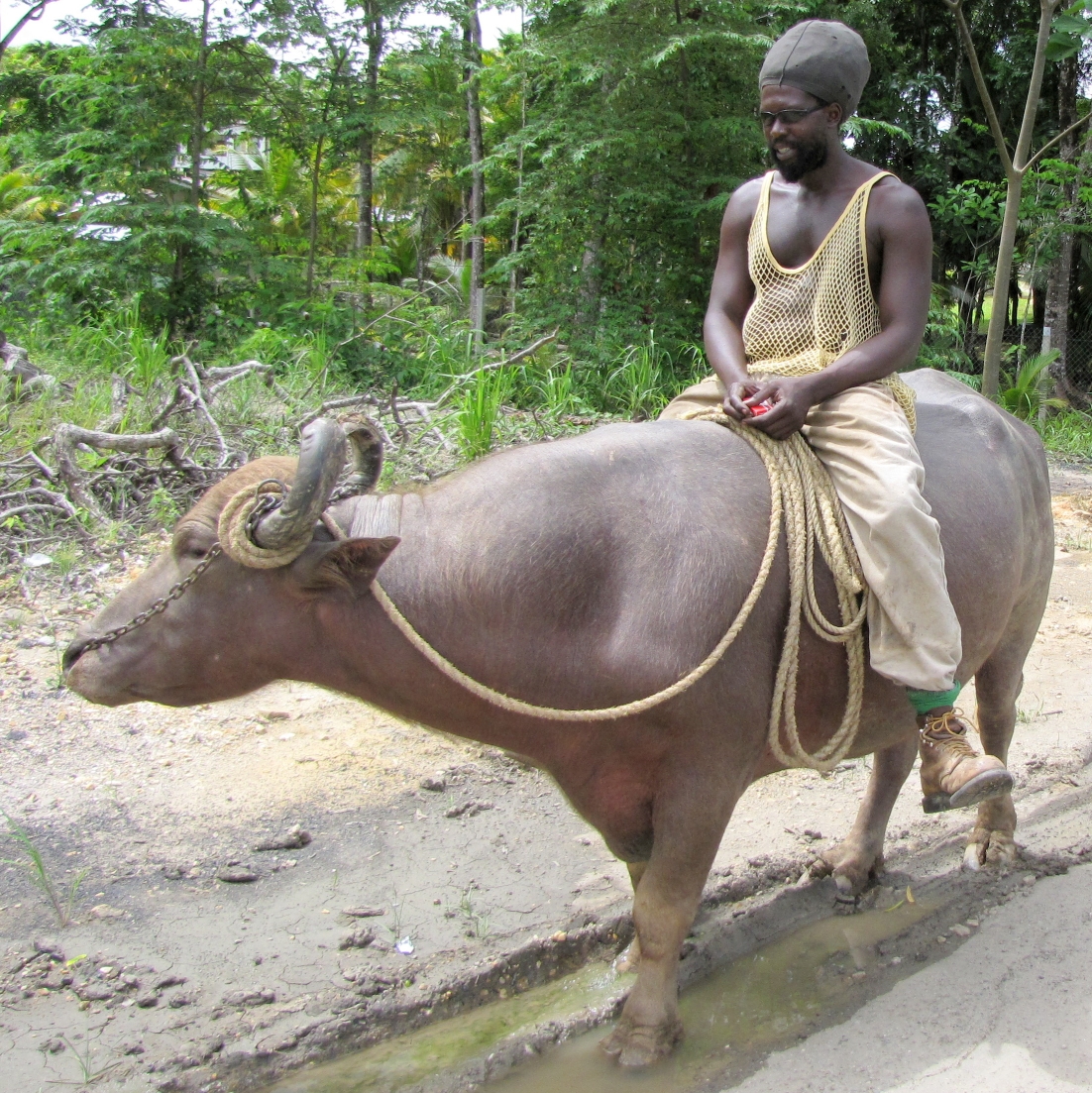
- Kingdom
- Animalia
- Phylum
- Chordata
- Class
- Mammalia
- Order
- Artiodactyla
- Family
- Bovidae
- Genus
- Bubalus
- Species
- Bubalus bubalis
Overview
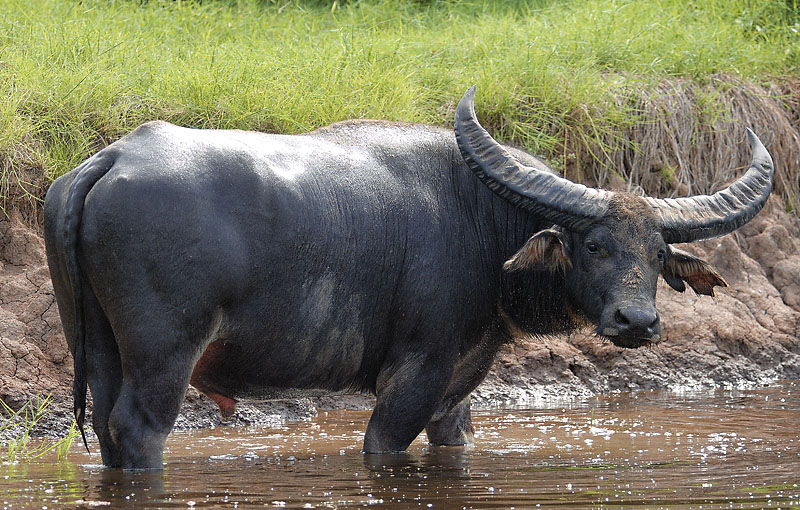
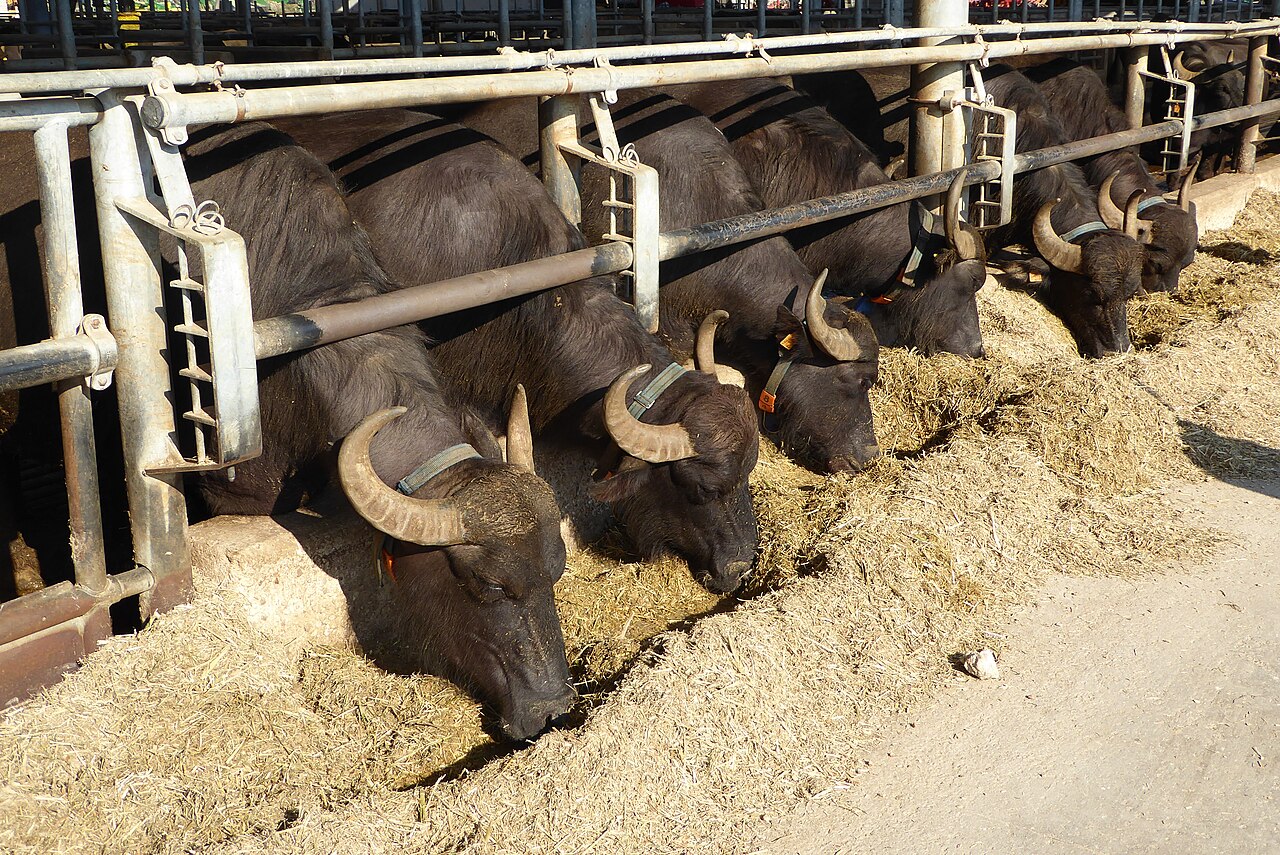
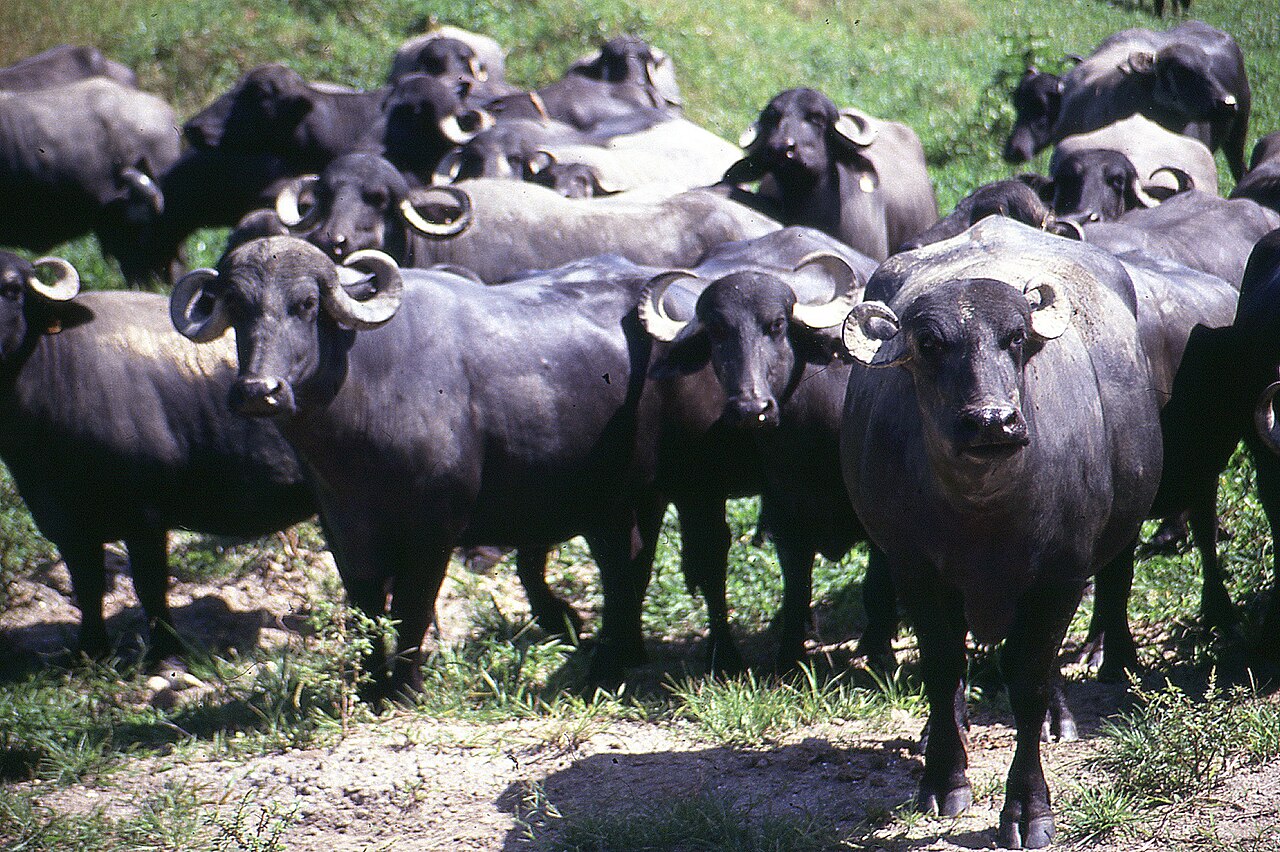
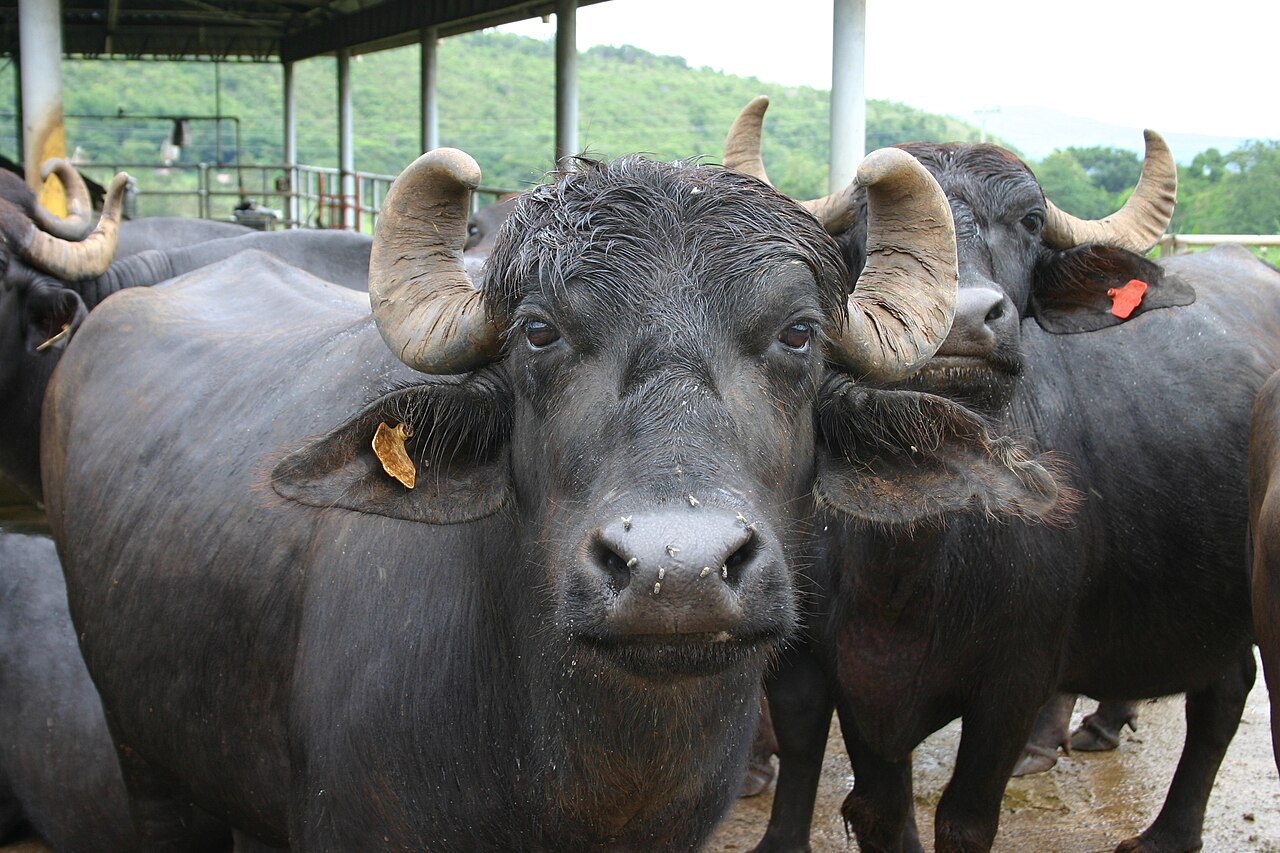
Buffalypso, also called Trinidadian Buffalo, is a breed of water buffalo (Bubalus bubalis) developed in Trinidad by veterinarian Stephen Bennett (1922–2011) in the early 1960s. The buffalypso is the result of breeding programs that crossed the swamp-type carabao with river-type buffaloes like the Murrah buffalo, the Surti buffalo, the Jaffarabadi buffalo, the Nili-Ravi, and the Bhadawari.
History
In 1948, after completing his veterinary studies at the Ontario Veterinary College (University of Guelph), Bennett returned to his native Trinidad to work, among other places, on the estates of Caroni Limited Sugar Company. There, he recognized the potential of water buffaloes whose draft power had been used in sugarcane cultivation. Using selective breeding methods on some of the hardiest animals of the swamp-type carabao and river-type buffaloes like the Murrah buffalo, the Surti buffalo, the Jaffarabadi buffalo, the Nili-Ravi, and the Bhadawari, he created a breed that could serve both milk and meat production, while presenting increased resistance to infection with tuberculosis (Mycobacterium bovis) compared to their forebears. The name "Buffalypso" was chosen as a combination of "buffalo" with the style of music, calypso that originated in Trinidad and Tobago.
Indian water buffaloes were imported to Trinidad from India, from the early 20th–century through 1949. Besides serving as draft animals, they produced dairy products such as ghee, which were valued by workers of East Indian heritage. Feed for the buffaloes, with their good ability to digest fibrous plant materials, was economically supplied by refuse cane from sugar production.
By the early 2000s, the promise of the hardy, dual-purpose buffalo breed developed by Bennett was dwindling. In 2018, a conference at University of the West Indies took up the question of how it could be rehabilitated, amidst state neglect of disease testing and diminished vigilance over breeding. Whatever comes of these efforts, the Buffalypso have established posterity elsewhere in the Western hemisphere, having been exported to South American countries such as Argentina, Brazil, and Venezuela, Costa Rica, and even North America.
Further reading
- • Porter, Valerie; Alderson, Lawrence; Hall, Stephen J. G.; Sponenberg, D. Phillip (March 2016). Mason's World Encyclopedia of Livestock Breeds and Breeding, 2 Volume Pack. CABI. p. 963. ISBN 978-1-84593-466-8.
- • Winer, Lise (January 2009). Dictionary of the English/Creole of Trinidad & Tobago: On Historical Principles. McGill–Queen's University Press. p. 136. ISBN 978-0-7735-7607-0.
Ajouter des photos
Partagez vos photos de cette espèce (jusqu'à 20 à la fois) : elles sont vérifiées automatiquement, puis publiées.
Autres races de l'espèce (15)
Espèce : Buffle domestique
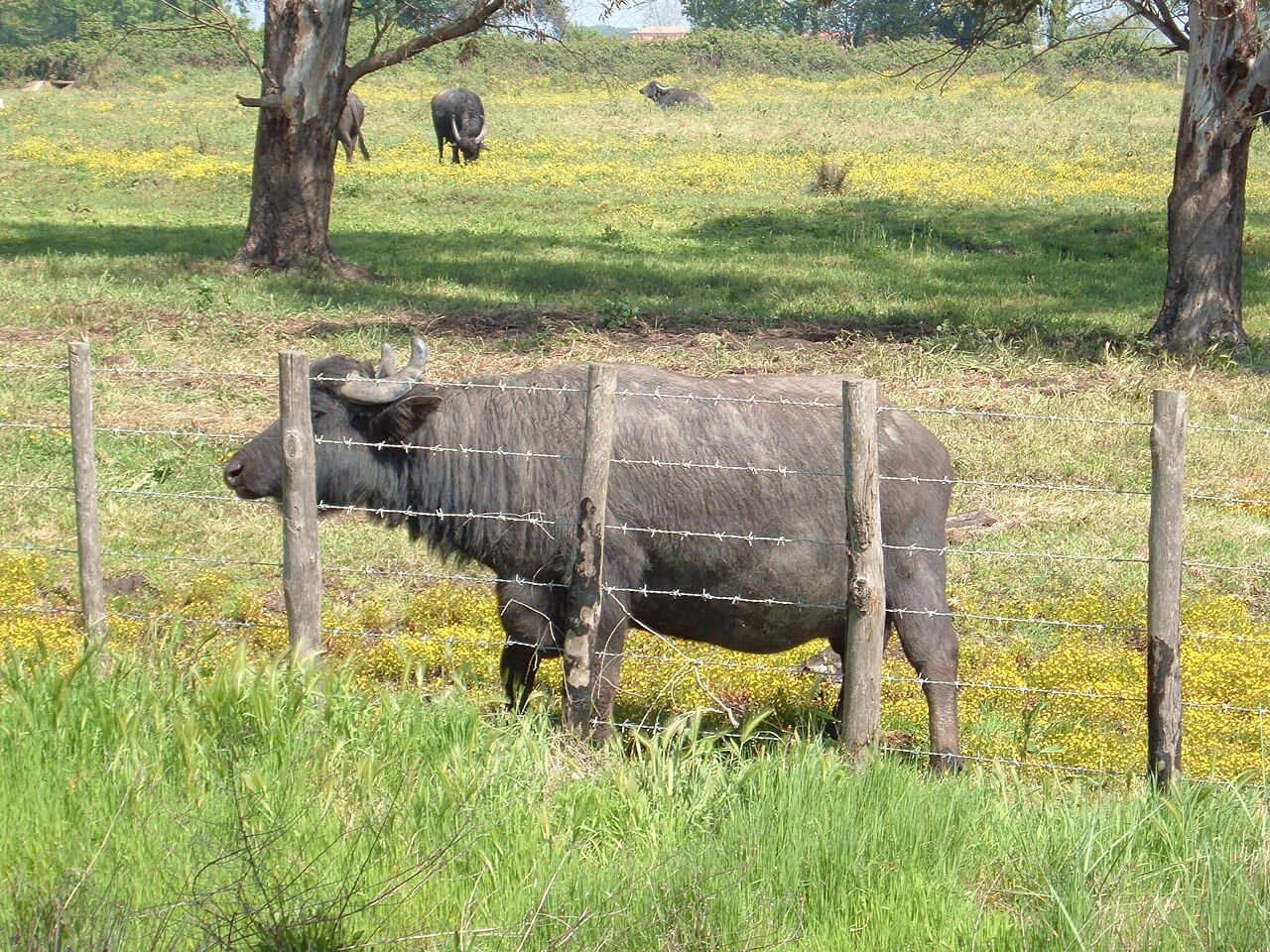
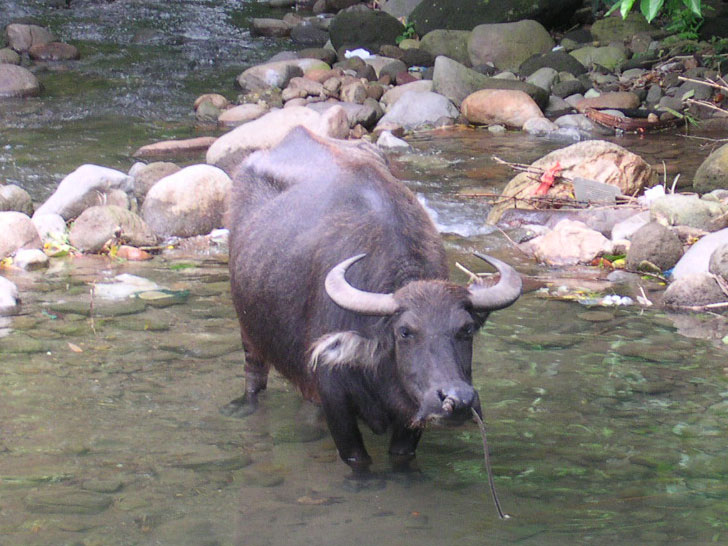
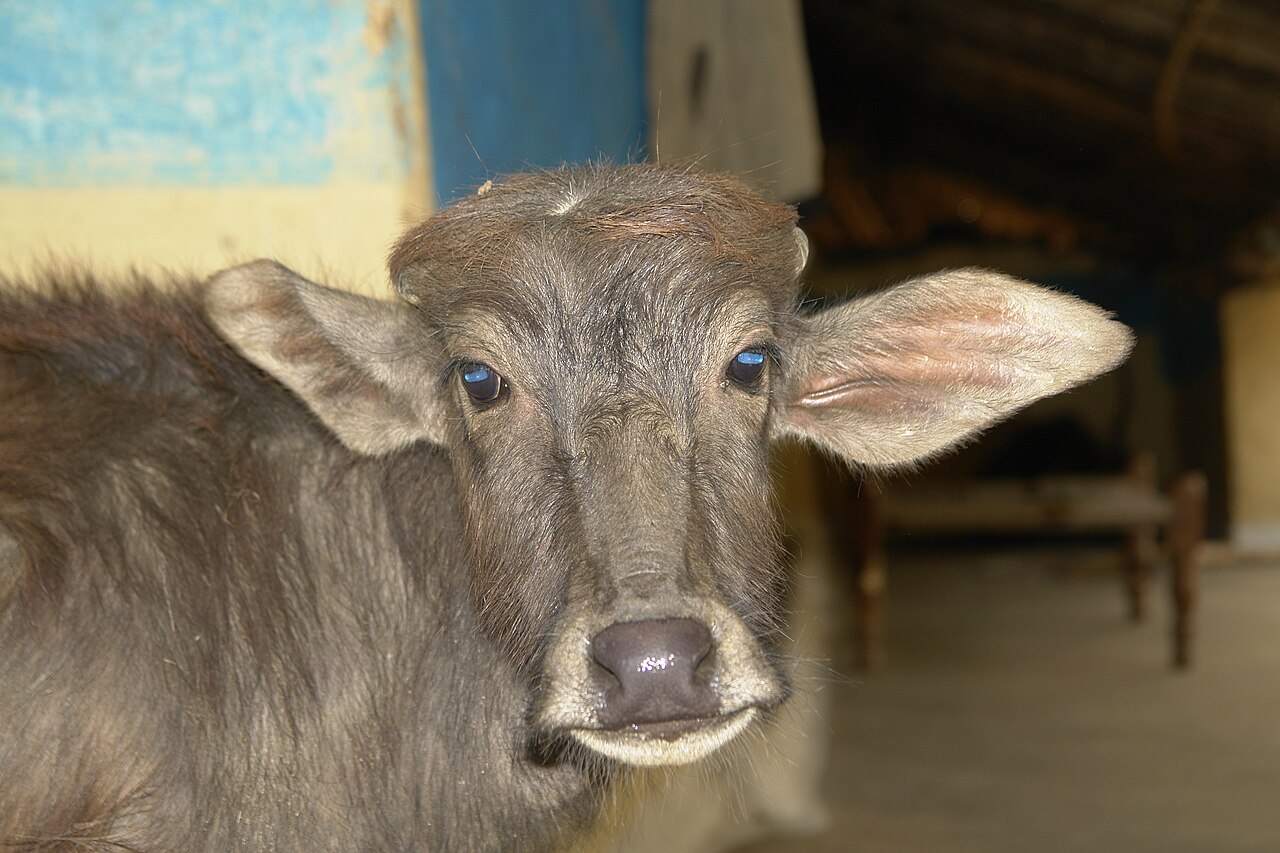
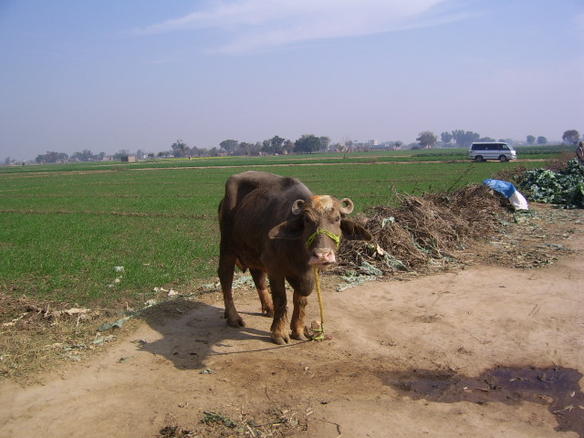
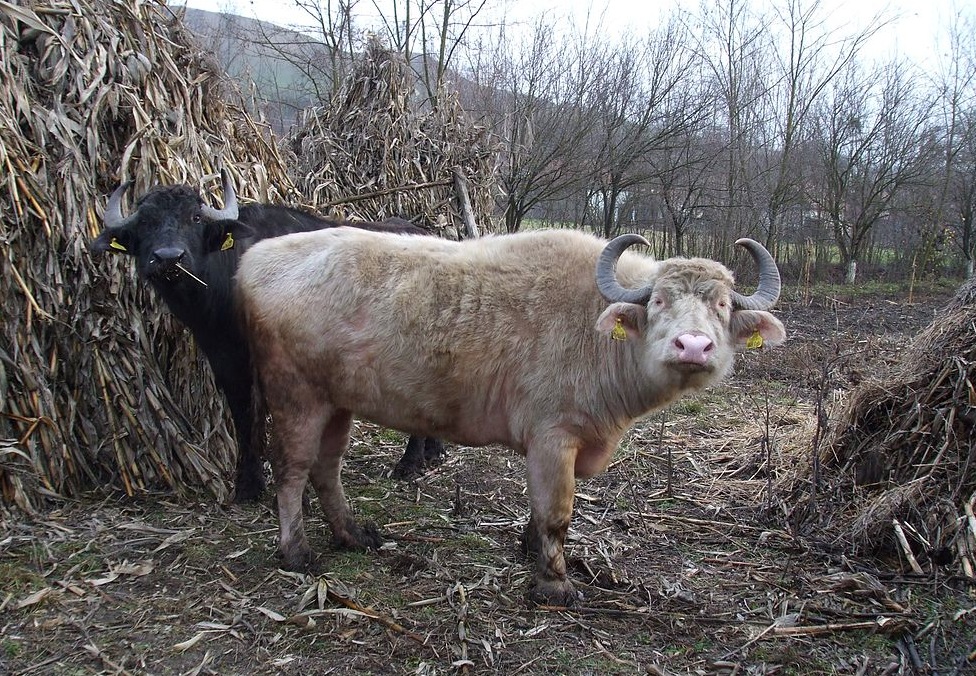
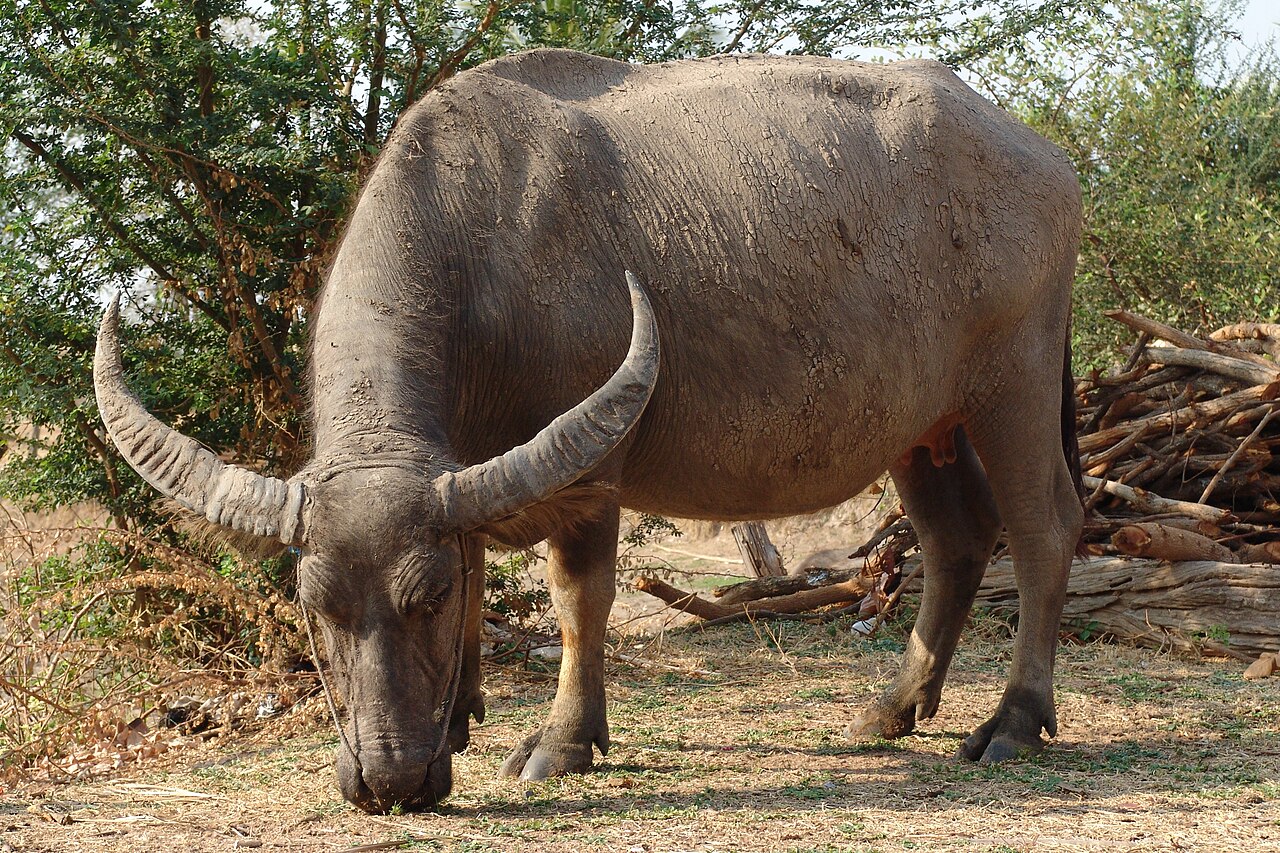
Voir les 3 autres races
Sources et crédits
Informations provenant de plusieurs sources vérifiées. Dernière mise à jour : .
Crédits photos (1)
- Photo : Jw2c · Domaine public · via Wikimedia Commons
Mentions de licence
Texte disponible sous licence CC BY-SA 4.0. Il adapte notamment Wikipedia (CC BY-SA): Buffalypso (Wikipédia, auteurs dans l’historique de l’article).
- Taxonomie : GBIF Backbone Taxonomy (CC BY 4.0)
Détail : Sources et licences.
Discussion (0)
Aucun message pour l’instant. Lancez la discussion sur cette fiche (sources, précisions, débats éditoriaux).
Connectez-vous pour participer à la discussion.