
Crested Lizard
Hydrosaurus pustulatus
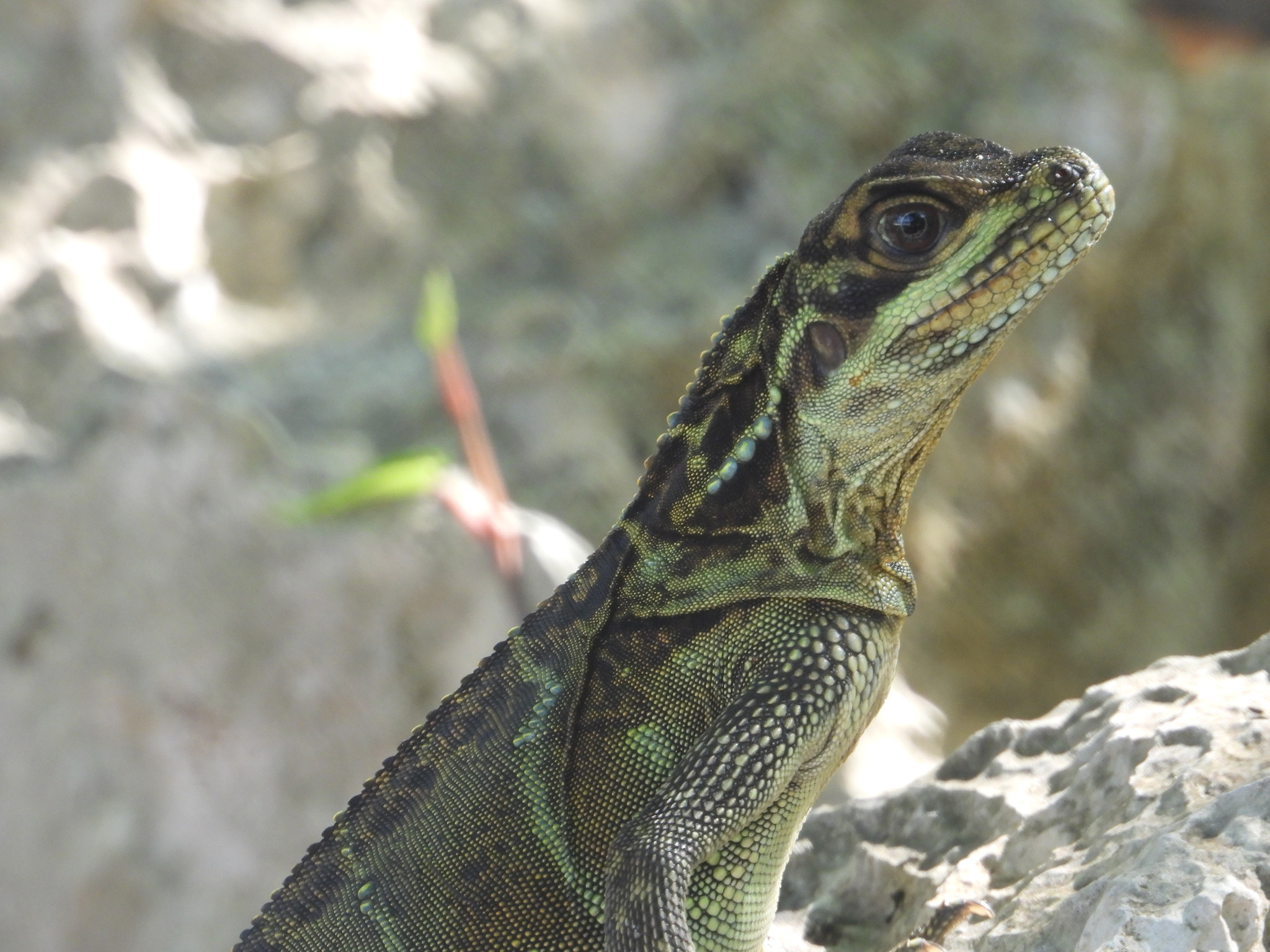
Hydrosaurus pustulatus, commonly known as the Philippine sailfin lizard or the Philippine sailfin dragon, is a large semiaquatic agamid lizard endemic to all of the major island groups of the Philippines, with the exception of the…
- Kingdom
- Animalia
- Phylum
- Chordata
- Class
- Squamata
- Family
- Agamidae
- Genus
- Hydrosaurus
- Species
- Hydrosaurus pustulatus
Description
Hydrosaurus pustulatus, commonly known as the Philippine sailfin lizard or the Philippine sailfin dragon, is a large semiaquatic agamid lizard endemic to all of the major island groups of the Philippines, with the exception of the Palawan islands. Like other sailfin lizards, they are characterized by large, sail-like dorsal crests on their tails. They can grow to a maximum length around 3 to 4 ft (0.91 to 1.22 m). They are strong swimmers, and smaller juvenile lizards can run briefly on the water surface. They inhabit areas of heavy vegetation near coastlines and low-lying rivers, particularly in mangrove forests. They are also known locally as layagan or balubid in Tagalog and ibid in the Visayan languages, among other names. H. pustulatus is a protected species in the Philippines, as it is a target for the international exotic pet trade for their unique dorsal crests and bright coloration. The heavy deforestation of mangrove habitats in the last few decades is also a concern to their conservation.
Gallery
Ajouter des photos
Partagez vos photos de cette espèce (jusqu'à 20 à la fois) : elles sont vérifiées automatiquement, puis publiées.
Répartition
Occurrences observées (données GBIF). Les zones hors aire d'origine peuvent indiquer une présence introduite ou invasive.
Sources et crédits
Informations provenant de plusieurs sources vérifiées. Dernière mise à jour : .
Crédits photos (6)
- Photo : dmalerta · CC BY-NC 4.0 · via GBIF
- Photo : Lorenzo Vinciguerra (@mefupa) · CC BY-NC 4.0 · via iNaturalist
- Photo : Cheongweei Gan (@gancw1) · CC BY 4.0 · via iNaturalist
- Photo : Stefanie De Win (@stefanie_de_win) · CC BY-NC 4.0 · via iNaturalist
- Photo : Zenning (@zenyoooooaaaaa) · CC BY-NC 4.0 · via iNaturalist
- Photo : Jefrim Keijzer (@jefrim) · CC BY-NC 4.0 · via iNaturalist
Mentions de licence
Texte disponible sous licence CC BY-SA 4.0. Il adapte notamment Wikipedia (CC BY-SA) : Philippine sailfin lizard (Wikipédia, auteurs dans l’historique de l’article).
- Taxonomie : GBIF Backbone Taxonomy (CC BY 4.0)
- Carte : occurrences GBIF, fond © contributeurs OpenStreetMap (ODbL)
- Statut de conservation : Liste rouge de l'UICN, via Wikidata (CC0)
Détail : Sources et licences.
Discussion (0)
Aucun message pour l’instant. Lancez la discussion sur cette fiche (sources, précisions, débats éditoriaux).
Connectez-vous pour participer à la discussion.