
Beaded Lizard
Heloderma horridum
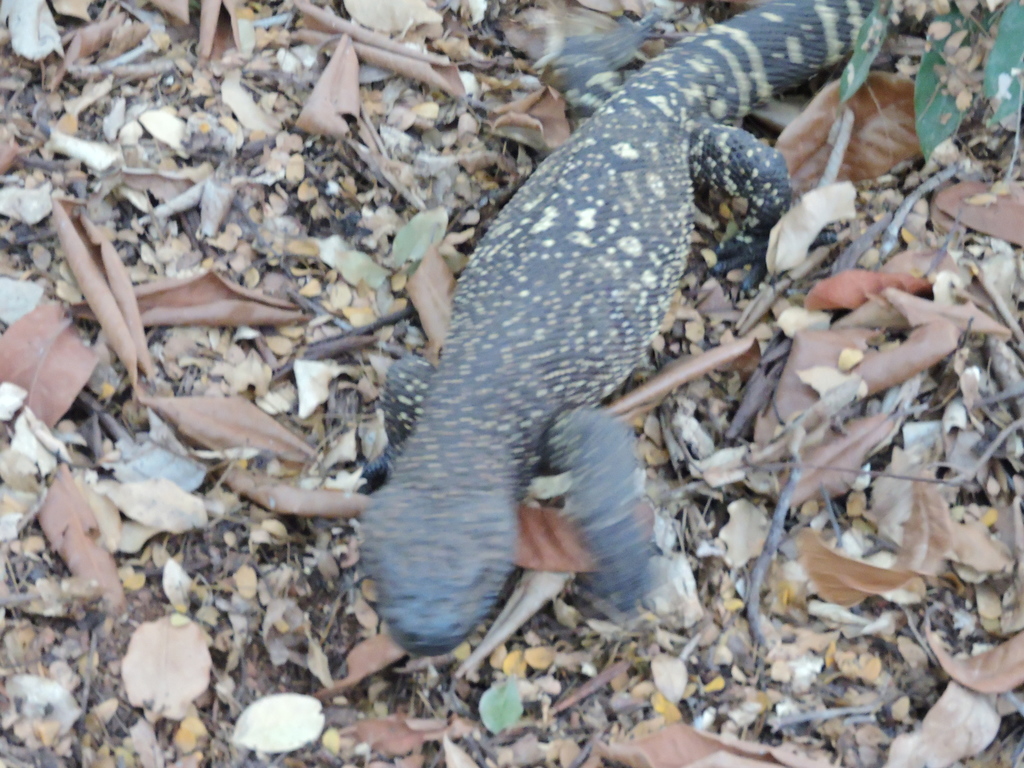
The Mexican beaded lizard (Heloderma horridum) or beaded lizard is a species of venomous lizard in the family Helodermatidae, one of the two species of venomous beaded lizards found principally in Mexico and southern Guatemala.
- Kingdom
- Animalia
- Phylum
- Chordata
- Class
- Squamata
- Family
- Helodermatidae
- Genus
- Heloderma
- Species
- Heloderma horridum
Description
The Mexican beaded lizard (Heloderma horridum) or beaded lizard is a species of venomous lizard in the family Helodermatidae, one of the two species of venomous beaded lizards found principally in Mexico and southern Guatemala. It and the other members of the same genus, including the Gila monster (Heloderma suspectum), are the only lizards known to have evolved an overt venom delivery system. The Mexican beaded lizard is larger than the Gila monster, with duller coloration, black with yellowish bands. As it is a specialized predator that feeds primarily upon eggs, the primary use of its venom is still a source of debate among scientists. This venom has been found to contain several enzymes useful for manufacturing drugs in the treatment of diabetes, and research on the pharmacological use of its venom is ongoing. Threatened throughout its range by overcollection and habitat loss, it is a CITES protected species. The Guatemalan beaded lizard (H. charlesbogerti) is one of the rarest lizards in the world, with a wild population of fewer than 200.
Gallery
Ajouter des photos
Partagez vos photos de cette espèce (jusqu'à 20 à la fois) : elles sont vérifiées automatiquement, puis publiées.
Répartition
Occurrences observées (données GBIF). Les zones hors aire d'origine peuvent indiquer une présence introduite ou invasive.
Sources et crédits
Informations provenant de plusieurs sources vérifiées. Dernière mise à jour : .
Crédits photos (8)
- Photo : Salvador Sánchez (@yolcaquixtiani) · CC BY-NC 4.0 · via iNaturalist
- Photo : Aurelio Molina Hernández. (@aureliomolinahdz) · CC BY-NC 4.0 · via iNaturalist
- Photo : Fabiola (@fabiola_hbalcazar) · CC BY-NC 4.0 · via iNaturalist
- Photo : Leonardo O. Alvarado Cárdenas (@leonardoac) · CC BY 4.0 · via iNaturalist
- Photo : @patriciasamperio · CC BY-NC 4.0 · via iNaturalist
- Photo : Janet Guardiola (@janet_guardiola) · CC BY-NC 4.0 · via iNaturalist
- Photo : Tereso Hernández Morales (@tereso_hernandez) · CC BY 4.0 · via iNaturalist
- Photo : Francisco Farriols Sarabia (@francisco3_) · CC BY 4.0 · via iNaturalist
Mentions de licence
Texte disponible sous licence CC BY-SA 4.0. Il adapte notamment Wikipedia (CC BY-SA) : Mexican beaded lizard (Wikipédia, auteurs dans l’historique de l’article).
- Taxonomie : GBIF Backbone Taxonomy (CC BY 4.0)
- Carte : occurrences GBIF, fond © contributeurs OpenStreetMap (ODbL)
- Statut de conservation : Liste rouge de l'UICN, via Wikidata (CC0)
Détail : Sources et licences.
Discussion (0)
Aucun message pour l’instant. Lancez la discussion sur cette fiche (sources, précisions, débats éditoriaux).
Connectez-vous pour participer à la discussion.