
Chinese alligator
Alligator sinensis
The Chinese alligator (Alligator sinensis; simplified Chinese: 鼍; traditional Chinese: 鼉; pinyin: tuó), also known as the Yangtze alligator (simplified Chinese: 扬子鳄; traditional Chinese: 揚子鱷; pinyin: yángzǐ'è), China alligator, or…
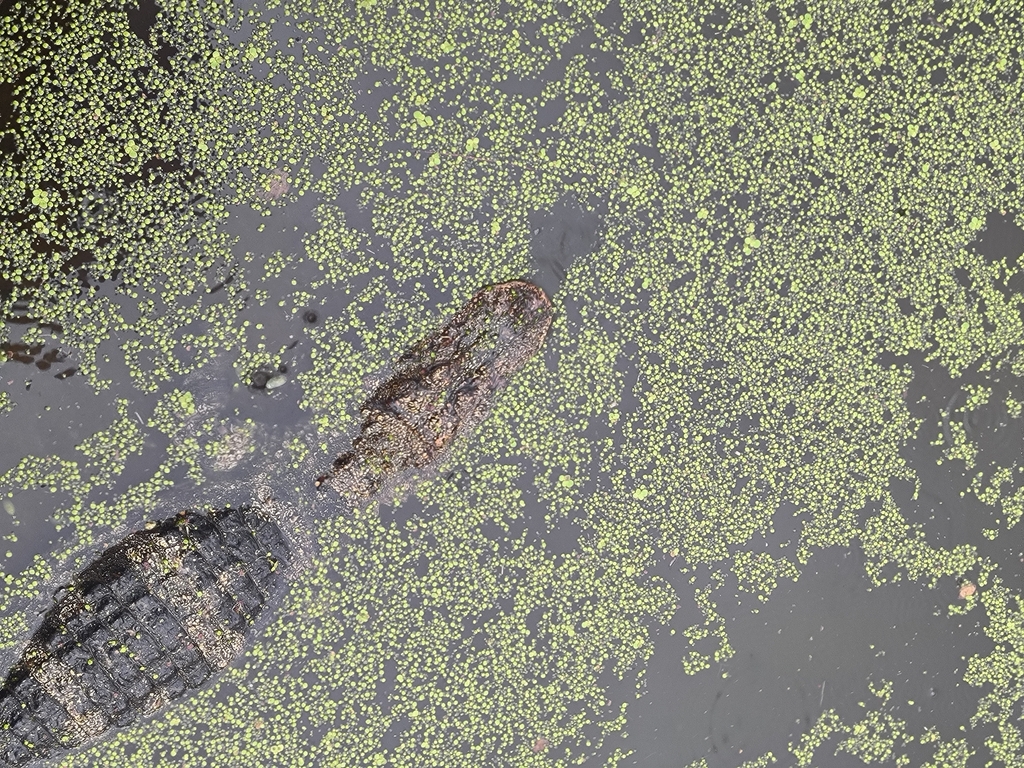
- Kingdom
- Animalia
- Phylum
- Chordata
- Class
- Crocodylia
- Family
- Alligatoridae
- Genus
- Alligator
- Species
- Alligator sinensis
Description
The Chinese alligator (Alligator sinensis; simplified Chinese: 鼍; traditional Chinese: 鼉; pinyin: tuó), also known as the Yangtze alligator (simplified Chinese: 扬子鳄; traditional Chinese: 揚子鱷; pinyin: yángzǐ'è), China alligator, or historically the muddy dragon, is a crocodilian endemic to China. It and the American alligator (A. mississippiensis) are the only living species in the genus Alligator of the family Alligatoridae. Dark gray or black in color with a fully armored body, the Chinese alligator grows to 1.5–2.1 metres (5–7 ft) in length and weighs 36–45 kilograms (80–100 lb) as an adult. It brumates in burrows in winter and is nocturnal in summer. Mating occurs in early summer, with females most commonly producing 20–30 eggs, which are smaller than those of any other crocodilian. The species is an opportunistic feeder, primarily eating fish and invertebrates. A vocal species, adults bellow during the mating season and young vocalize to communicate with their parents and other juveniles. Captive specimens have reached age 70, and wild specimens can live past 50. Living in bodies of fresh water, the Chinese alligator's range is restricted to six regions in the province of Anhui, as well as possibly the provinces of Jiangsu and Zhejiang. Originally living as far away from its current range as Japan, the species previously had a wide range and population, but beginning in 6000 BC, multiple threats, such as habitat destruction, caused the species' population and range to decline. The population in the wild was about 1,000 in the 1970s, decreased to below 130 in 2001, and grew after 2003, with its population being about 300 as of 2017. Listed as critically endangered by the International Union for Conservation of Nature, multiple conservation actions have been taking place for this species. The Chinese alligator has been a part of Chinese literature since the third century. In the late 13th century, Marco Polo became the first person outside of China to write about it. In some writings, the Chinese alligator has been associated with the Chinese dragon.
Gallery
Ajouter des photos
Partagez vos photos de cette espèce (jusqu'à 20 à la fois) : elles sont vérifiées automatiquement, puis publiées.
Répartition
Occurrences observées (données GBIF). Les zones hors aire d'origine peuvent indiquer une présence introduite ou invasive.
Sources et crédits
Informations provenant de plusieurs sources vérifiées. Dernière mise à jour : .
Crédits photos (8)
- Photo : @zhangwit · CC0 (domaine public) · via iNaturalist
- Photo : zhteng (@albrtoss) · CC BY-NC 4.0 · via iNaturalist
- Photo : @kyosapir · CC BY-NC 4.0 · via iNaturalist
- Photo : Biswas Sajib (@sajibbiswas) · CC BY-NC 4.0 · via iNaturalist
- Photo : 风织雾 (@windoffog) · CC BY-NC 4.0 · via iNaturalist
- Photo : Amaël Borzée (@amarzee) · CC BY-NC 4.0 · via iNaturalist
- Photo : @chinesepaddlefish · CC BY-NC 4.0 · via iNaturalist
- Photo : 龙栩川 (@xuc) · CC BY-NC 4.0 · via iNaturalist
Mentions de licence
Texte disponible sous licence CC BY-SA 4.0. Il adapte notamment Wikipedia (CC BY-SA) : Chinese alligator (Wikipédia, auteurs dans l’historique de l’article).
- Taxonomie : GBIF Backbone Taxonomy (CC BY 4.0)
- Carte : occurrences GBIF, fond © contributeurs OpenStreetMap (ODbL)
- Statut de conservation : Liste rouge de l'UICN, via Wikidata (CC0)
Détail : Sources et licences.
Discussion (0)
Aucun message pour l’instant. Lancez la discussion sur cette fiche (sources, précisions, débats éditoriaux).
Connectez-vous pour participer à la discussion.