
Greenland shark
Somniosus microcephalus
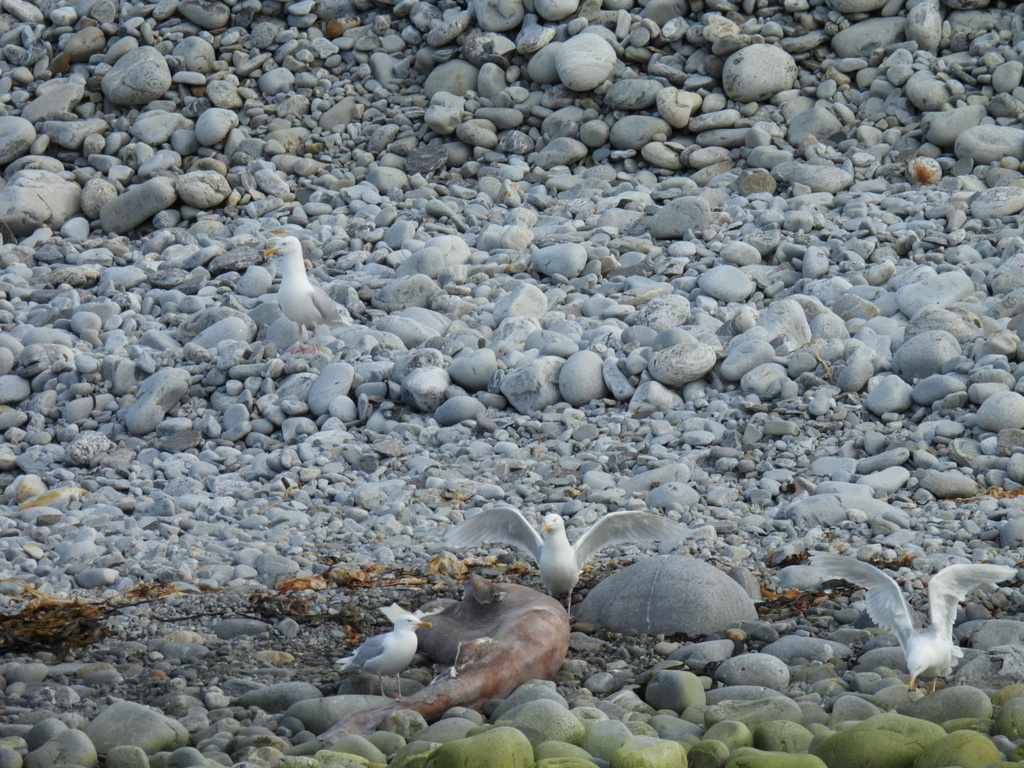
The Greenland shark (Somniosus microcephalus), also known as the grey shark or gurry shark, is a large shark of the family Somniosidae ("sleeper sharks"), closely related to the Pacific and southern sleeper sharks.
- Kingdom
- Animalia
- Phylum
- Chordata
- Class
- Elasmobranchii
- Order
- Squaliformes
- Family
- Somniosidae
- Genus
- Somniosus
- Species
- Somniosus microcephalus
Description
The Greenland shark (Somniosus microcephalus), also known as the grey shark or gurry shark, is a large shark of the family Somniosidae ("sleeper sharks"), closely related to the Pacific and southern sleeper sharks. Inhabiting the North Atlantic and Arctic Oceans, they are notable for their exceptional longevity, although they are poorly studied because of the depth and remoteness of their natural habitat. Greenland sharks have the longest lifespan of any known vertebrate, estimated to be between 272 and 510 years. They are among the largest extant shark species, reaching a maximum confirmed length of 6.4 m (21 ft) and weighing more than 1,000 kg (2,200 lb). They reach sexual maturity around 150 years of age and their pups are born alive after an estimated gestation period of 8 to 18 years. The shark is a generalist feeder, consuming a variety of available foods, including carrion. Greenland shark meat is made toxic to mammals by high levels of trimethylamine N-oxide, although a treated form of it is eaten in Iceland as the pungent delicacy kæstur hákarl. Because they live deep in remote parts of the northern oceans, Greenland sharks are not considered a threat to humans. A possible attack occurred in August 1936 on two British fishermen, but the species was never identified.
En aquarium
Espèce d'eau de mer évoluant plutôt en pleine eau. Paramètres d'eau relevés dans son milieu : température de -1,8 à 17,2 °C. Sur le plan biologique, elle atteint jusqu'à 427 cm, son régime est piscivore.
Paramètres relevés dans le milieu naturel de l’espèce (données scientifiques FishBase). À adapter aux besoins précis de l’espèce en captivité.
Ajouter des photos
Partagez vos photos de cette espèce (jusqu'à 20 à la fois) : elles sont vérifiées automatiquement, puis publiées.
Répartition
Occurrences observées (données GBIF). Les zones hors aire d'origine peuvent indiquer une présence introduite ou invasive.
Sources et crédits
Informations provenant de plusieurs sources vérifiées. Dernière mise à jour : .
Crédits photos (1)
- Photo : @kaiden · CC BY-NC 4.0 · via iNaturalist
Mentions de licence
Texte disponible sous licence CC BY-SA 4.0. Il adapte notamment Wikipedia (CC BY-SA) : Greenland shark (Wikipédia, auteurs dans l’historique de l’article).
- Taxonomie : GBIF Backbone Taxonomy (CC BY 4.0)
- Carte : occurrences GBIF, fond © contributeurs OpenStreetMap (ODbL)
- Statut de conservation : Liste rouge de l'UICN, via Wikidata (CC0)
- Paramètres d'aquarium : FishBase (faits reformulés)
Détail : Sources et licences.
Discussion (0)
Aucun message pour l’instant. Lancez la discussion sur cette fiche (sources, précisions, débats éditoriaux).
Connectez-vous pour participer à la discussion.