
Brill
Scophthalmus rhombus
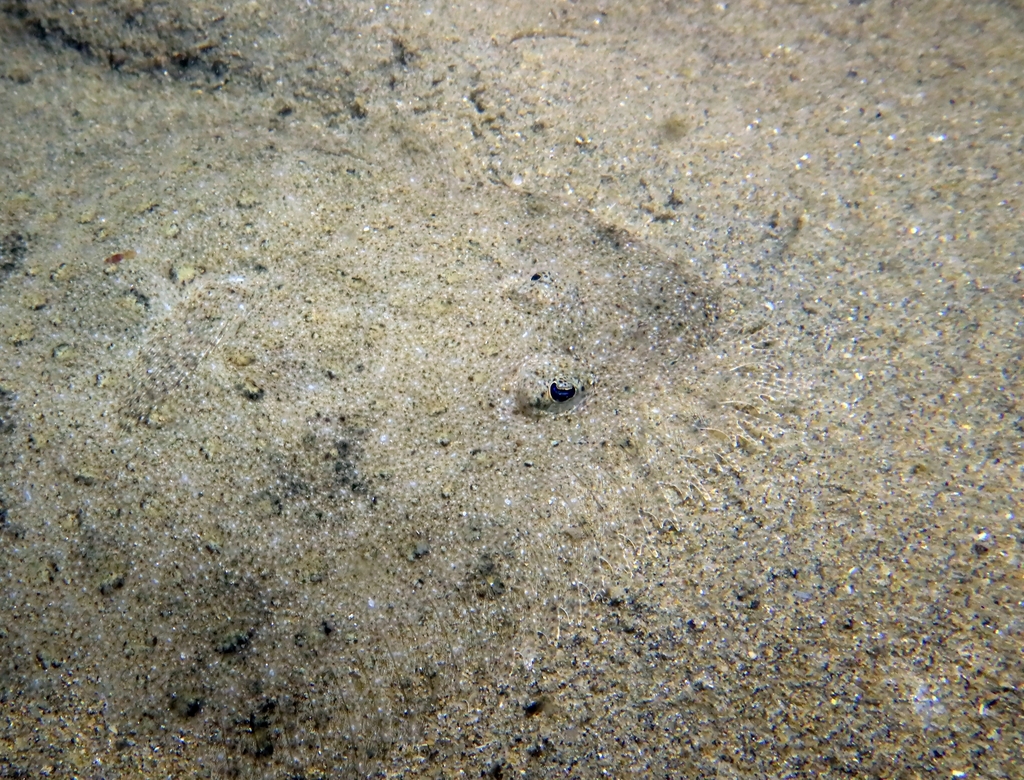
The brill, Scophthalmus rhombus, is a species of flatfish in the turbot family (Scophthalmidae) of the order Pleuronectiformes.
- Kingdom
- Animalia
- Phylum
- Chordata
- Order
- Pleuronectiformes
- Family
- Scophthalmidae
- Genus
- Scophthalmus
- Species
- Scophthalmus rhombus
Description
The brill, Scophthalmus rhombus, is a species of flatfish in the turbot family (Scophthalmidae) of the order Pleuronectiformes. Brill can be found in the northeast Atlantic, Black Sea, Baltic Sea, and Mediterranean, primarily in deeper offshore waters. Brill are usually in shallow waters or below 100 meters at seafloor. Brill prefers to live on the surface that is either sandy or muddy depending on where they are. Brill have slender bodies, brown covered with lighter and darker coloured flecks, excluding the tailfin; the underside of the fish is usually cream coloured or pinkish white. Like other flatfish the brill has the ability to match its colour to the surroundings. The Brill average lifespan is 6 years and they weigh up to 8 kg (18 lb) and can reach a length of 75 cm (2 ft 6 in), but are less than half that on average. Part of the dorsal fin of the fish is not connected to the fin membrane, giving the fish a frilly appearance. They are sometimes confused with the turbot (Scophthalmus maximus), which is more diamond-shaped. The two species are related and can produce hybrids. On the west coast of Canada (outside the range of Scophthalmus rhombus) local fisherman refer to the petrale sole, Eopsetta jordani, as brill. The flesh is lighter in texture, more friable - even "floury" - and considerably less rich in flavour than the turbot, which is preferred by chefs.
En aquarium
Espèce d'eau de mer évoluant plutôt près du fond. Sur le plan biologique, elle atteint jusqu'à 75 cm, vit jusqu'à 5.75 ans, son régime est piscivore.
Paramètres relevés dans le milieu naturel de l’espèce (données scientifiques FishBase). À adapter aux besoins précis de l’espèce en captivité.
Ajouter des photos
Partagez vos photos de cette espèce (jusqu'à 20 à la fois) : elles sont vérifiées automatiquement, puis publiées.
Répartition
Occurrences observées (données GBIF). Les zones hors aire d'origine peuvent indiquer une présence introduite ou invasive.
Sources et crédits
Informations provenant de plusieurs sources vérifiées. Dernière mise à jour : .
Crédits photos (1)
- Photo : Xavier Rufray (@xrufray) · CC BY-NC 4.0 · via iNaturalist
Mentions de licence
Texte disponible sous licence CC BY-SA 4.0. Il adapte notamment Wikipedia (CC BY-SA) : Brill (fish) (Wikipédia, auteurs dans l’historique de l’article).
- Taxonomie : GBIF Backbone Taxonomy (CC BY 4.0)
- Carte : occurrences GBIF, fond © contributeurs OpenStreetMap (ODbL)
- Statut de conservation : Liste rouge de l'UICN, via Wikidata (CC0)
- Paramètres d'aquarium : FishBase (faits reformulés)
Détail : Sources et licences.
Discussion (0)
Aucun message pour l’instant. Lancez la discussion sur cette fiche (sources, précisions, débats éditoriaux).
Connectez-vous pour participer à la discussion.