
Walleye
Sander vitreus
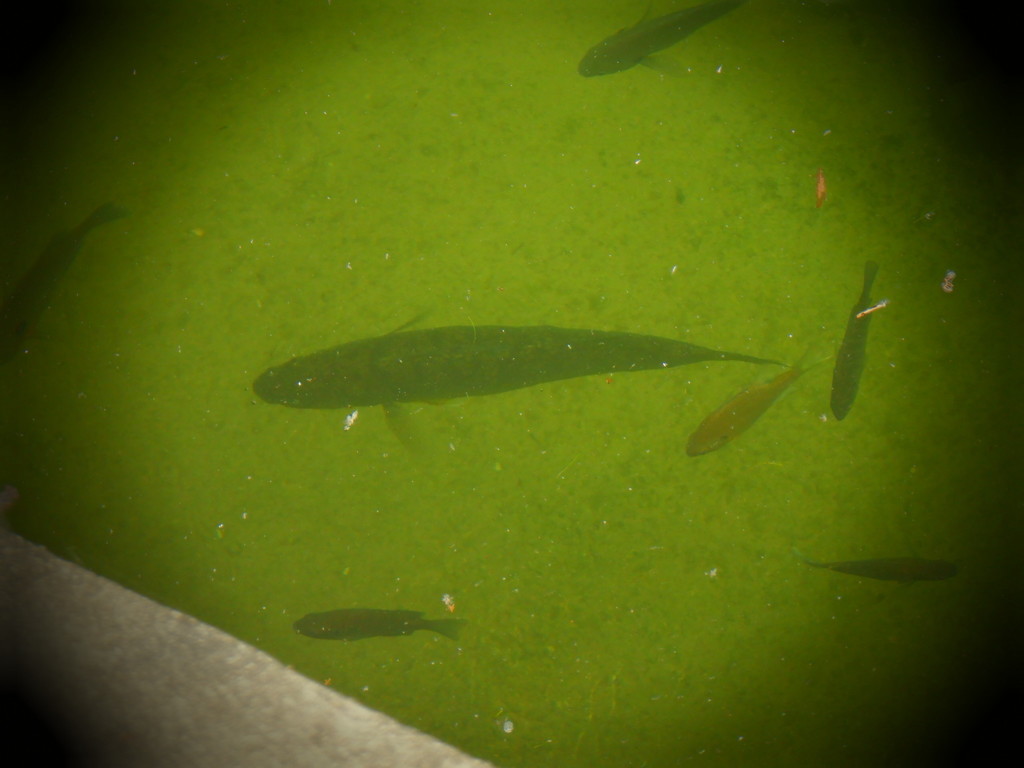
The walleye (Sander vitreus, synonym Stizostedion vitreum), also called the walleyed pike, yellow pike, yellow pikeperch or yellow pickerel, is a freshwater perciform fish native to most of Canada and to the Northern United States.
- Kingdom
- Animalia
- Phylum
- Chordata
- Order
- Perciformes
- Family
- Percidae
- Genus
- Sander
- Species
- Sander vitreus
Description
The walleye (Sander vitreus, synonym Stizostedion vitreum), also called the walleyed pike, yellow pike, yellow pikeperch or yellow pickerel, is a freshwater perciform fish native to most of Canada and to the Northern United States. It is a North American close relative of the European zander, also known as the pikeperch. The walleye is sometimes called the yellow walleye to distinguish it from the blue walleye, which is a color morph that was once found in the southern Ontario and Quebec regions, but is now presumed extinct. However, recent genetic analysis of a preserved (frozen) 'blue walleye' sample suggests that the blue and yellow walleye were simply phenotypes within the same species and do not merit separate taxonomic classification. In parts of its range in English-speaking Canada, the walleye is known as a pickerel, though the fish is not related to the true pickerels, which are members of the family Esocidae. It is also sometimes called a dory in British English (and its common name in French is the similar doré-meaning golden or gilded), although this name is also used for various other species. Walleyes show a fair amount of variation across watersheds. In general, fish within a watershed are quite similar and are genetically distinct from those of nearby watersheds. The species has been artificially propagated for over a century and has been planted on top of existing populations or introduced into waters naturally devoid of the species, sometimes reducing the overall genetic distinctiveness of populations.
En aquarium
Espèce d'eau douce et saumâtre évoluant plutôt en pleine eau. Paramètres d'eau relevés dans son milieu : température de 1,1 à 29 °C. Sur le plan biologique, elle atteint jusqu'à 107 cm, vit jusqu'à 29 ans, son régime est piscivore.
Paramètres relevés dans le milieu naturel de l’espèce (données scientifiques FishBase). À adapter aux besoins précis de l’espèce en captivité.
Ajouter des photos
Partagez vos photos de cette espèce (jusqu'à 20 à la fois) : elles sont vérifiées automatiquement, puis publiées.
Répartition
Occurrences observées (données GBIF). Les zones hors aire d'origine peuvent indiquer une présence introduite ou invasive.
Sources et crédits
Informations provenant de plusieurs sources vérifiées. Dernière mise à jour : .
Crédits photos (1)
- Photo : Eric Schmidt (@eric-schmitty) · CC BY 4.0 · via iNaturalist
Mentions de licence
Texte disponible sous licence CC BY-SA 4.0. Il adapte notamment Wikipedia (CC BY-SA) : Walleye (Wikipédia, auteurs dans l’historique de l’article).
- Taxonomie : GBIF Backbone Taxonomy (CC BY 4.0)
- Carte : occurrences GBIF, fond © contributeurs OpenStreetMap (ODbL)
- Statut de conservation : Liste rouge de l'UICN, via Wikidata (CC0)
- Paramètres d'aquarium : FishBase (faits reformulés)
Détail : Sources et licences.
Discussion (0)
Aucun message pour l’instant. Lancez la discussion sur cette fiche (sources, précisions, débats éditoriaux).
Connectez-vous pour participer à la discussion.