
White-winged Dove
Zenaida asiatica
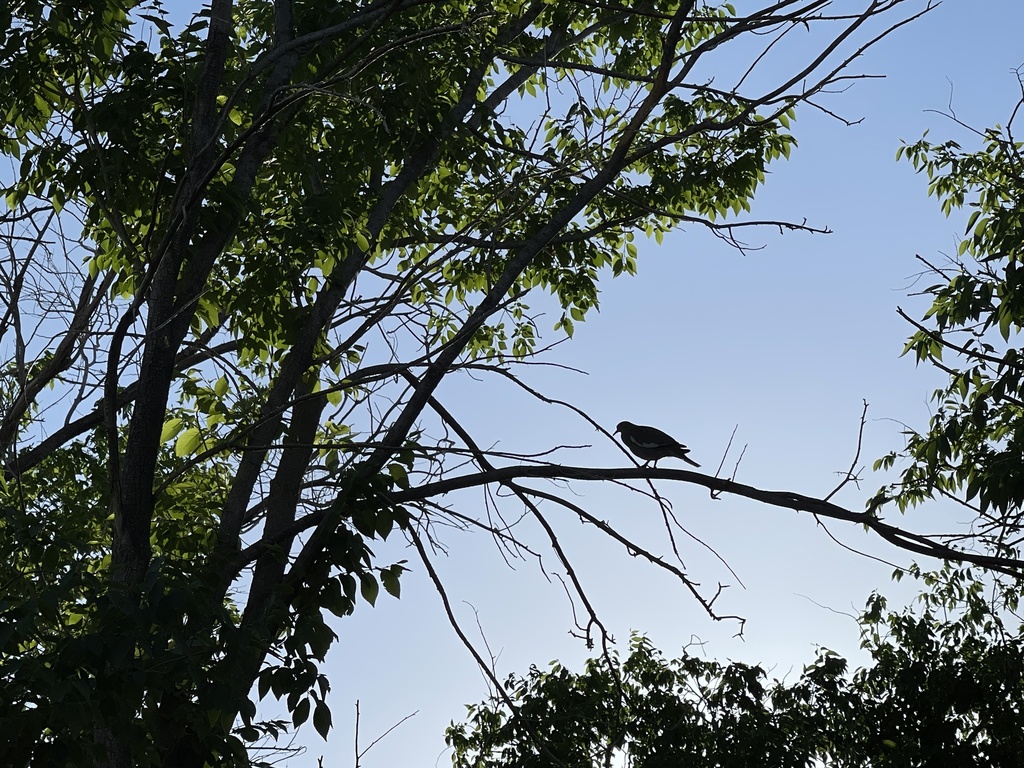
The white-winged dove (Zenaida asiatica) is a dove whose native range extends from the Southwestern United States through Mexico, Central America, and the Caribbean.
- Kingdom
- Animalia
- Phylum
- Chordata
- Class
- Aves
- Order
- Columbiformes
- Family
- Columbidae
- Genus
- Zenaida
- Species
- Zenaida asiatica
Description
The white-winged dove (Zenaida asiatica) is a dove whose native range extends from the Southwestern United States through Mexico, Central America, and the Caribbean. They are large for doves, and can be distinguished from similar doves by the distinctive white edge on their wings. They have a blue eyering and red eyes. The plumage is brownish-gray to gray. Juveniles are duller in color and have brown eyes. The call is likened to the English phrase "who cooks for you". There are three subspecies. It was first described by George Edwards in 1743, and given its binomial name by Linnaeus in 1756. It was moved into the genus Zenaida in 1838. They inhabit a variety of environments, including desert, scrub, and urban. Their diet consists mostly of grains, but will also include pollen and nectar, especially from the saguaro cactus, which is a vital source of water. Human expansion has greatly affected the white-winged dove. Before human presence, their range closely mirrored that of their favorite food, the saguaro. The advent of agriculture in North America greatly expanded its range by providing a reliable food source. This has also led some modern populations to be migratory. Historically, they nested in enormous colonies, but most have been lost to human activities and climate change, and most nesting now occurs in isolation. It is hunted for sport, and is the second most shot game bird in the United States. Its population collapsed in the 1960s and 1970s, likely due to the loss of major nesting colonies. The population rebounded, however, and despite continued habitat loss and hunting, it has proved adaptable to human environments. The International Union for Conservation of Nature considers it to be a species of least-concern.
Gallery
Ajouter des photos
Partagez vos photos de cette espèce (jusqu'à 20 à la fois) : elles sont vérifiées automatiquement, puis publiées.
Répartition
Occurrences observées (données GBIF). Les zones hors aire d'origine peuvent indiquer une présence introduite ou invasive.
Sources et crédits
Informations provenant de plusieurs sources vérifiées. Dernière mise à jour : .
Crédits photos (8)
- Photo : Angel (@dangels) · CC BY-NC 4.0 · via iNaturalist
- Photo : Ingrid Messbauer (@iemess) · CC BY-NC 4.0 · via iNaturalist
- Photo : ellen hildebrandt (@ellen5) · CC BY-NC 4.0 · via iNaturalist
- Photo : @rakshas · CC BY-NC 4.0 · via iNaturalist
- Photo : Kathryn Wells (@kathrynwells333) · CC BY-NC 4.0 · via iNaturalist
- Photo : Jorge A. Pérez Torres (@panecillo) · CC BY-NC 4.0 · via iNaturalist
- Photo : Juan Ramón Manjarrez (@juanramonmanjarrez) · CC BY-NC 4.0 · via iNaturalist
- Photo : Leonardo Hernández Escudero (@leonardohe) · CC BY-NC 4.0 · via iNaturalist
Mentions de licence
Texte disponible sous licence CC BY-SA 4.0. Il adapte notamment Wikipedia (CC BY-SA) : White-winged dove (Wikipédia, auteurs dans l’historique de l’article).
- Taxonomie : GBIF Backbone Taxonomy (CC BY 4.0)
- Carte : occurrences GBIF, fond © contributeurs OpenStreetMap (ODbL)
- Statut de conservation : Liste rouge de l'UICN, via Wikidata (CC0)
Détail : Sources et licences.
Discussion (0)
Aucun message pour l’instant. Lancez la discussion sur cette fiche (sources, précisions, débats éditoriaux).
Connectez-vous pour participer à la discussion.