
Common Nightingale
Luscinia megarhynchos
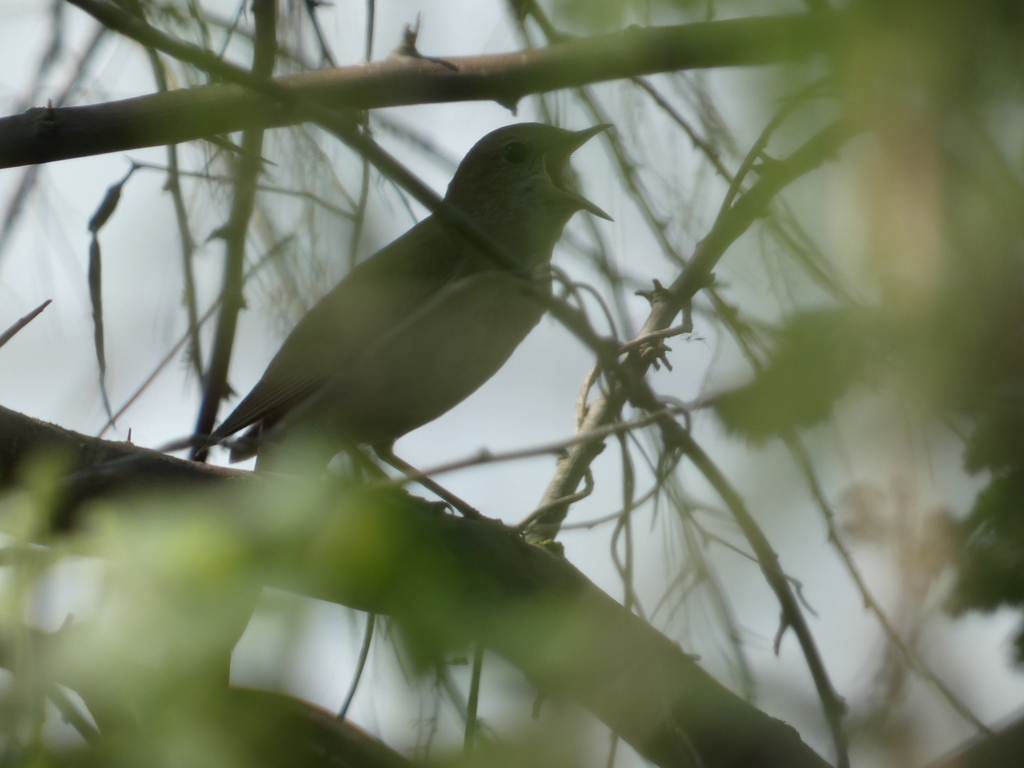
The common nightingale, rufous nightingale or simply nightingale (Luscinia megarhynchos), is a small passerine bird which is known for its powerful and beautiful song, often described as one of the most beautiful sounds in nature.
- Kingdom
- Animalia
- Phylum
- Chordata
- Class
- Aves
- Order
- Passeriformes
- Family
- Muscicapidae
- Genus
- Luscinia
- Species
- Luscinia megarhynchos
Description
The common nightingale, rufous nightingale or simply nightingale (Luscinia megarhynchos), is a small passerine bird which is known for its powerful and beautiful song, often described as one of the most beautiful sounds in nature. An Old World flycatcher, it belongs to a group of more terrestrial species, often called chats. Its range partly overlaps with that of the more northerly thrush nightingale (Luscinia luscinia), a closely related species with which hybrids have occurred.
Gallery
Ajouter des photos
Partagez vos photos de cette espèce (jusqu'à 20 à la fois) : elles sont vérifiées automatiquement, puis publiées.
Répartition
Occurrences observées (données GBIF). Les zones hors aire d'origine peuvent indiquer une présence introduite ou invasive.
Sources et crédits
Informations provenant de plusieurs sources vérifiées. Dernière mise à jour : .
Crédits photos (5)
- Photo : @nosenco_av · CC BY-NC 4.0 · via iNaturalist
- Photo : @faluke · CC BY-NC 4.0 · via iNaturalist
- Photo : Valia Pavlou (@karakaxa) · CC BY-NC 4.0 · via iNaturalist
- Photo : @ceffx · CC BY-NC 4.0 · via iNaturalist
- Photo : Hedwig.cz (@hedwigcz) · CC BY-NC 4.0 · via iNaturalist
Mentions de licence
Texte disponible sous licence CC BY-SA 4.0. Il adapte notamment Wikipedia (CC BY-SA) : Common nightingale (Wikipédia, auteurs dans l’historique de l’article).
- Taxonomie : GBIF Backbone Taxonomy (CC BY 4.0)
- Carte : occurrences GBIF, fond © contributeurs OpenStreetMap (ODbL)
- Statut de conservation : Liste rouge de l'UICN, via Wikidata (CC0)
Détail : Sources et licences.
Discussion (0)
Aucun message pour l’instant. Lancez la discussion sur cette fiche (sources, précisions, débats éditoriaux).
Connectez-vous pour participer à la discussion.