
Galápagos Petrel
Pterodroma phaeopygia
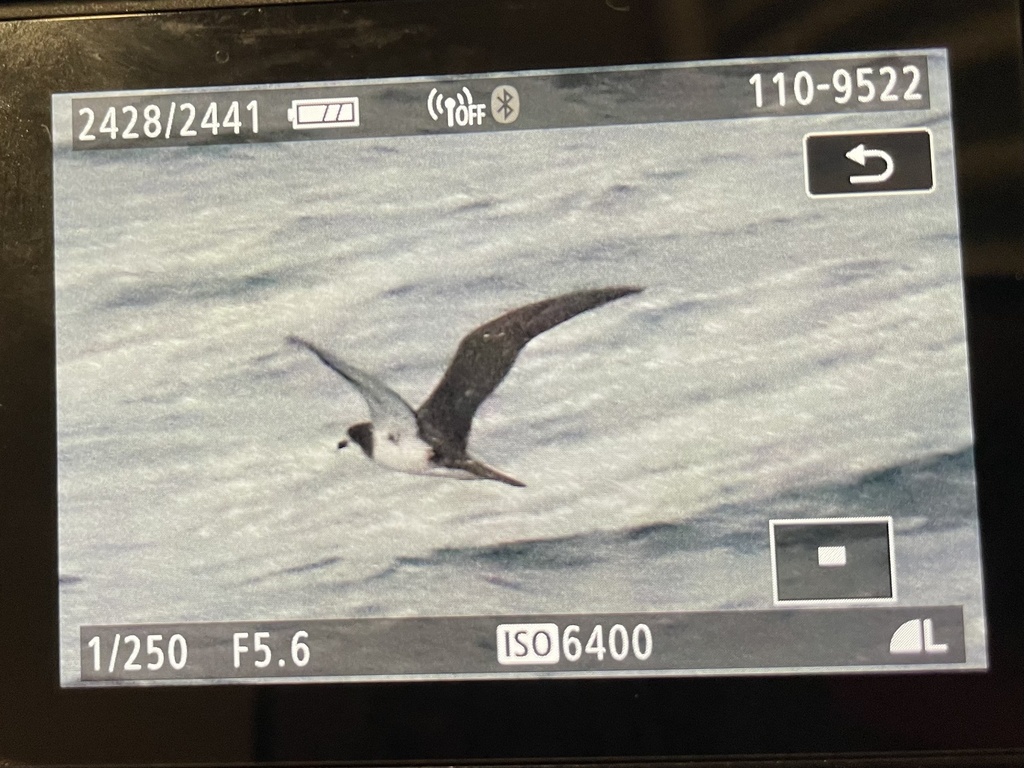
The Galápagos petrel (Pterodroma phaeopygia) is one of the six endemic seabirds of the Galápagos.
- Kingdom
- Animalia
- Phylum
- Chordata
- Class
- Aves
- Order
- Procellariiformes
- Family
- Procellariidae
- Genus
- Pterodroma
- Species
- Pterodroma phaeopygia
Description
The Galápagos petrel (Pterodroma phaeopygia) is one of the six endemic seabirds of the Galápagos. Its scientific name derives from Ancient Greek: Pterodroma originates from pteron and dromos, meaning "wing" and "runner", and phaeopygia comes from phaios and pugios, meaning "dusky" and "rump". Members of Pterodroma genus are also called the gadfly petrels because their erratic twisting and turning in flight resemble that of gadflies. Known by locals as pata pegada or "web-footed one", Galápagos petrels are highly adapted to the ocean and spend most of their time at sea eating invertebrates and fish. At sea, they are indistinguishable from the Hawaiian petrels: consequently, they were considered the same species for a while. When breeding season arises, they return to their large colonies located on the highlands of some Galápagos islands. The populations of Galápagos petrels have declined substantially over the last three generations (60 years) due to anthropogenic disturbances. Introduced predation (i.e. feral cats, dogs, pigs, and rats) and agricultural expansion have decreased the species' overall breeding success, survivability, and quality of habitats and nesting colonies. Although many conservation efforts are underway, its populations are currently still declining with an estimate of 6,000–15,000 mature individuals remaining. The species is now classified under "critically endangered" in the IUCN Red List of Threatened Species.
Gallery
Ajouter des photos
Partagez vos photos de cette espèce (jusqu'à 20 à la fois) : elles sont vérifiées automatiquement, puis publiées.
Répartition
Occurrences observées (données GBIF). Les zones hors aire d'origine peuvent indiquer une présence introduite ou invasive.
Sources et crédits
Informations provenant de plusieurs sources vérifiées. Dernière mise à jour : .
Crédits photos (8)
- Photo : @micr8585 · CC BY-NC 4.0 · via iNaturalist
- Photo : John G. Phillips (@johngsalamander) · CC BY 4.0 · via iNaturalist
- Photo : Tom Benson (@thomasabenson) · CC BY-NC 4.0 · via iNaturalist
- Photo : Oliver Komar (@oliverkomar) · CC BY-NC 4.0 · via iNaturalist
- Photo : Lauren Palmer (@pandabadger) · CC BY-NC 4.0 · via iNaturalist
- Photo : Russ Namitz (@russnamitz) · CC0 (domaine public) · via iNaturalist
- Photo : David Torres (@dawicho) · CC BY-NC 4.0 · via iNaturalist
- Photo : Rob and Geraldine (@gerrob) · CC BY-NC 4.0 · via iNaturalist
Mentions de licence
Texte disponible sous licence CC BY-SA 4.0. Il adapte notamment Wikipedia (CC BY-SA) : Galápagos petrel (Wikipédia, auteurs dans l’historique de l’article).
- Taxonomie : GBIF Backbone Taxonomy (CC BY 4.0)
- Carte : occurrences GBIF, fond © contributeurs OpenStreetMap (ODbL)
- Statut de conservation : Liste rouge de l'UICN, via Wikidata (CC0)
Détail : Sources et licences.
Discussion (0)
Aucun message pour l’instant. Lancez la discussion sur cette fiche (sources, précisions, débats éditoriaux).
Connectez-vous pour participer à la discussion.