
Collared Scops Owl
Otus lettia
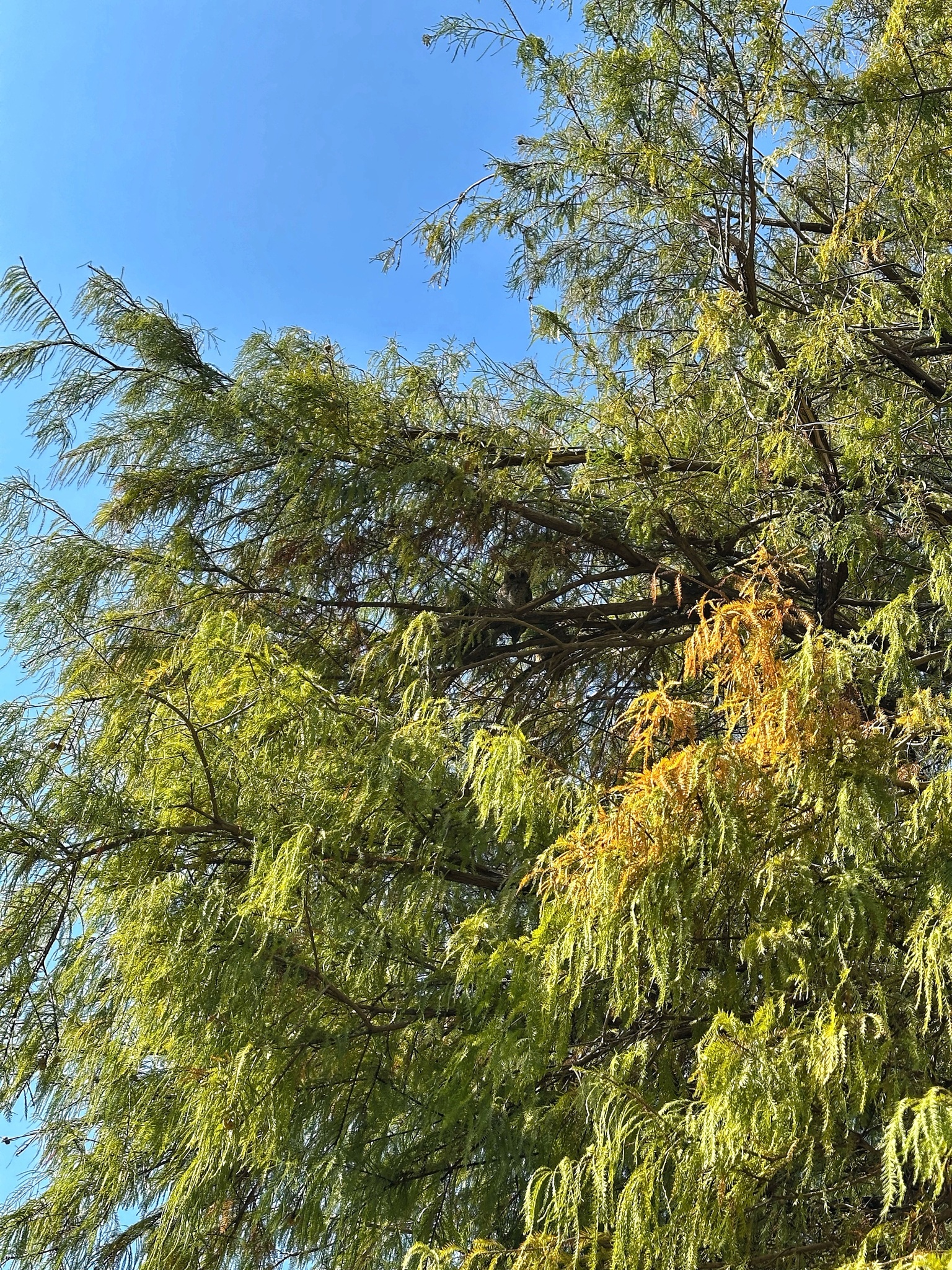
The collared scops owl (Otus lettia) is an owl which is a resident breeder in south Asia from northern Pakistan, northern India, Nepal, Bangladesh, the Himalayas east to southern China, and Taiwan.
- Kingdom
- Animalia
- Phylum
- Chordata
- Class
- Aves
- Order
- Strigiformes
- Family
- Strigidae
- Genus
- Otus
- Species
- Otus lettia
Description
The collared scops owl (Otus lettia) is an owl which is a resident breeder in south Asia from northern Pakistan, northern India, Nepal, Bangladesh, the Himalayas east to southern China, and Taiwan. It is partially migratory, with some birds wintering in India, Sri Lanka and Malaysia. This species was formerly considered to be included within what is now separated as the Indian scops owl (O. bakkamoena). This species is a part of the larger grouping of owls known as typical owls, Strigidae, which contains most species of owl. The other grouping is the barn owls, Tytonidae. The collared scops owl is a common breeding bird in forests and other well-wooded areas. It nests in tree hollows, laying 3-5 eggs. The collared scops owl is a small (23–25 cm) owl, although it is the largest of the scops owls. Like other scops owls, it has small head tufts, or ears. The upperparts are grey or brown, depending on the subspecies, with faint buff spotting. The underparts are buff with fine darker streaking. The facial disc is whitish or buff, and the eyes are orange or brown. There is a buff neckband. Sexes are similar. The flight is deeply undulating. This species is nocturnal but it can often be located by the small birds that mob it while it is roosting in a tree. It feeds mainly on insects. The call is a quiet goog gook. This species is chiefly found in northern India and is replaced by the very similar looking oriental scops owl (Otus sunia, recently split) towards the south of its range. It is also very similar to the slightly smaller Indian scops owl. They are most easily separated in the field by their calls. It is sometimes considered as a sub-species of the Indian scops owl.
Gallery
Ajouter des photos
Partagez vos photos de cette espèce (jusqu'à 20 à la fois) : elles sont vérifiées automatiquement, puis publiées.
Répartition
Occurrences observées (données GBIF). Les zones hors aire d'origine peuvent indiquer une présence introduite ou invasive.
Sources et crédits
Informations provenant de plusieurs sources vérifiées. Dernière mise à jour : .
Crédits photos (6)
- Photo : MIMI · CC BY 4.0 · via GBIF
- Photo : julien CLAUDE (@julienclaude2) · CC BY-NC 4.0 · via iNaturalist
- Photo : 蔡志偉 (@jhihweitsai) · CC BY-NC 4.0 · via iNaturalist
- Photo : 木樨 (@muxxi) · CC BY-NC 4.0 · via iNaturalist
- Photo : Han (@zihanaw) · CC BY-NC 4.0 · via iNaturalist
- Photo : @hollythefrog · CC BY-NC 4.0 · via iNaturalist
Mentions de licence
Texte disponible sous licence CC BY-SA 4.0. Il adapte notamment Petit-duc à collier, Wikipedia (CC BY-SA) : Collared scops owl (Wikipédia, auteurs dans l’historique de l’article).
- Taxonomie : GBIF Backbone Taxonomy (CC BY 4.0)
- Carte : occurrences GBIF, fond © contributeurs OpenStreetMap (ODbL)
- Statut de conservation : Liste rouge de l'UICN, via Wikidata (CC0)
Détail : Sources et licences.
Discussion (0)
Aucun message pour l’instant. Lancez la discussion sur cette fiche (sources, précisions, débats éditoriaux).
Connectez-vous pour participer à la discussion.