
Splendid Fairywren
Malurus splendens
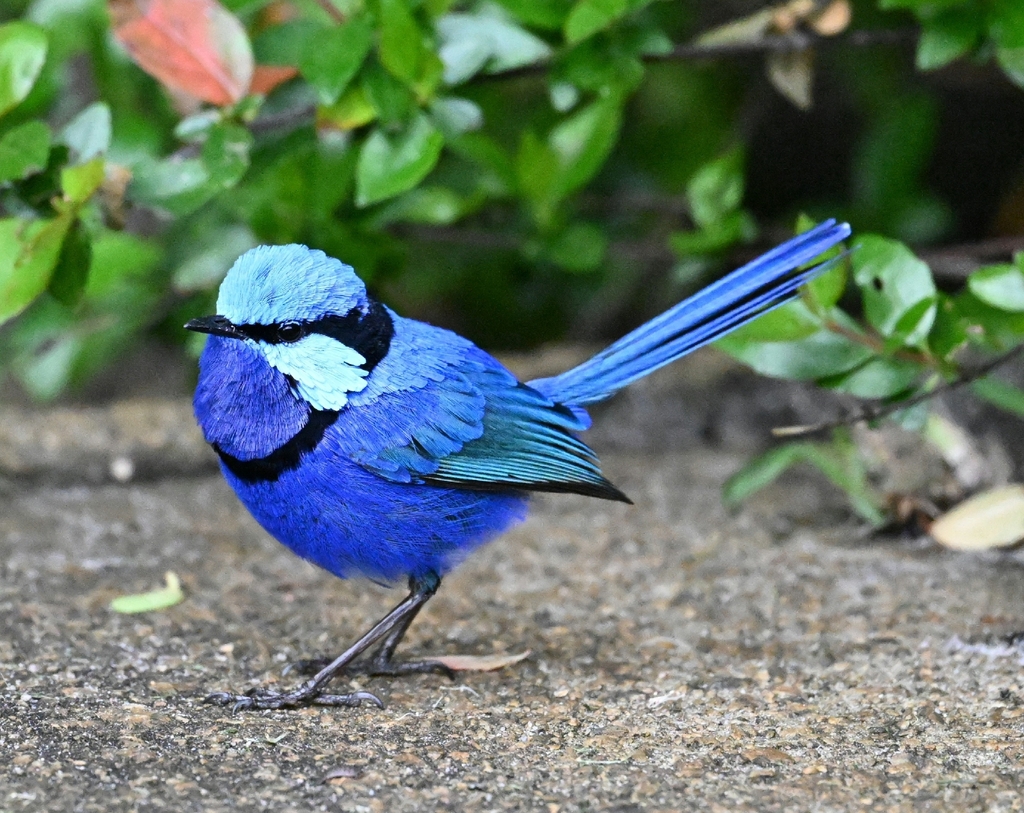
The splendid fairywren (Malurus splendens) is a passerine bird in the Australasian wren family, Maluridae.
- Kingdom
- Animalia
- Phylum
- Chordata
- Class
- Aves
- Order
- Passeriformes
- Family
- Maluridae
- Genus
- Malurus
- Species
- Malurus splendens
Description
The splendid fairywren (Malurus splendens) is a passerine bird in the Australasian wren family, Maluridae. It is also known simply as the splendid wren or more colloquially in Western Australia as the blue wren. The splendid fairywren is found across much of the Australian continent from central-western New South Wales and southwestern Queensland over to coastal Western Australia. It inhabits predominantly arid and semiarid regions. Exhibiting a high degree of sexual dimorphism, the male in breeding plumage is a small, long-tailed bird of predominantly bright blue and black colouration. Nonbreeding males, females, and juveniles are predominantly grey-brown in colour; this gave the early impression that males were polygamous, as all dull-coloured birds were taken for females. It comprises several similar all blue-and-black subspecies that were originally considered separate species. Like other fairywrens, the splendid fairywren is notable for several peculiar behavioural characteristics; the birds are socially monogamous and sexually promiscuous, meaning that although they form pairs between one male and one female, each partner mates with other individuals and even assists in raising the young from such trysts. Male fairywrens pluck pink or purple petals and display them to females as part of a courtship display. The habitat of the splendid fairywren ranges from forest to dry scrub, generally with ample vegetation for shelter. Unlike the eastern superb fairywren, it has not adapted well to human occupation of the landscape and has disappeared from some urbanised areas. The splendid fairywren mainly eats insects and supplements its diet with seeds.
Gallery
Ajouter des photos
Partagez vos photos de cette espèce (jusqu'à 20 à la fois) : elles sont vérifiées automatiquement, puis publiées.
Répartition
Occurrences observées (données GBIF). Les zones hors aire d'origine peuvent indiquer une présence introduite ou invasive.
Sources et crédits
Informations provenant de plusieurs sources vérifiées. Dernière mise à jour : .
Crédits photos (8)
- Photo : Sarah (@misskiku) · CC BY-NC 4.0 · via iNaturalist
- Photo : @kdunnart · CC BY-NC 4.0 · via iNaturalist
- Photo : @kdunnart · CC BY-NC 4.0 · via iNaturalist
- Photo : Kerry + Darren (@kezzza4) · CC BY-NC 4.0 · via iNaturalist
- Photo : Guillaume Thomas Doerig (@g-thomas-doerig) · CC BY-NC 4.0 · via iNaturalist
- Photo : Russell Palmer (@dog_walker232) · CC BY-NC 4.0 · via iNaturalist
- Photo : Victoria (@victoria_05) · CC BY-NC 4.0 · via iNaturalist
- Photo : Jim Moore (Maryland) (@jimmoore) · CC BY 4.0 · via iNaturalist
Mentions de licence
Texte disponible sous licence CC BY-SA 4.0. Il adapte notamment Wikipedia (CC BY-SA) : Splendid fairywren (Wikipédia, auteurs dans l’historique de l’article).
- Taxonomie : GBIF Backbone Taxonomy (CC BY 4.0)
- Carte : occurrences GBIF, fond © contributeurs OpenStreetMap (ODbL)
- Statut de conservation : Liste rouge de l'UICN, via Wikidata (CC0)
Détail : Sources et licences.
Discussion (0)
Aucun message pour l’instant. Lancez la discussion sur cette fiche (sources, précisions, débats éditoriaux).
Connectez-vous pour participer à la discussion.