
Oystercatcher
Haematopus
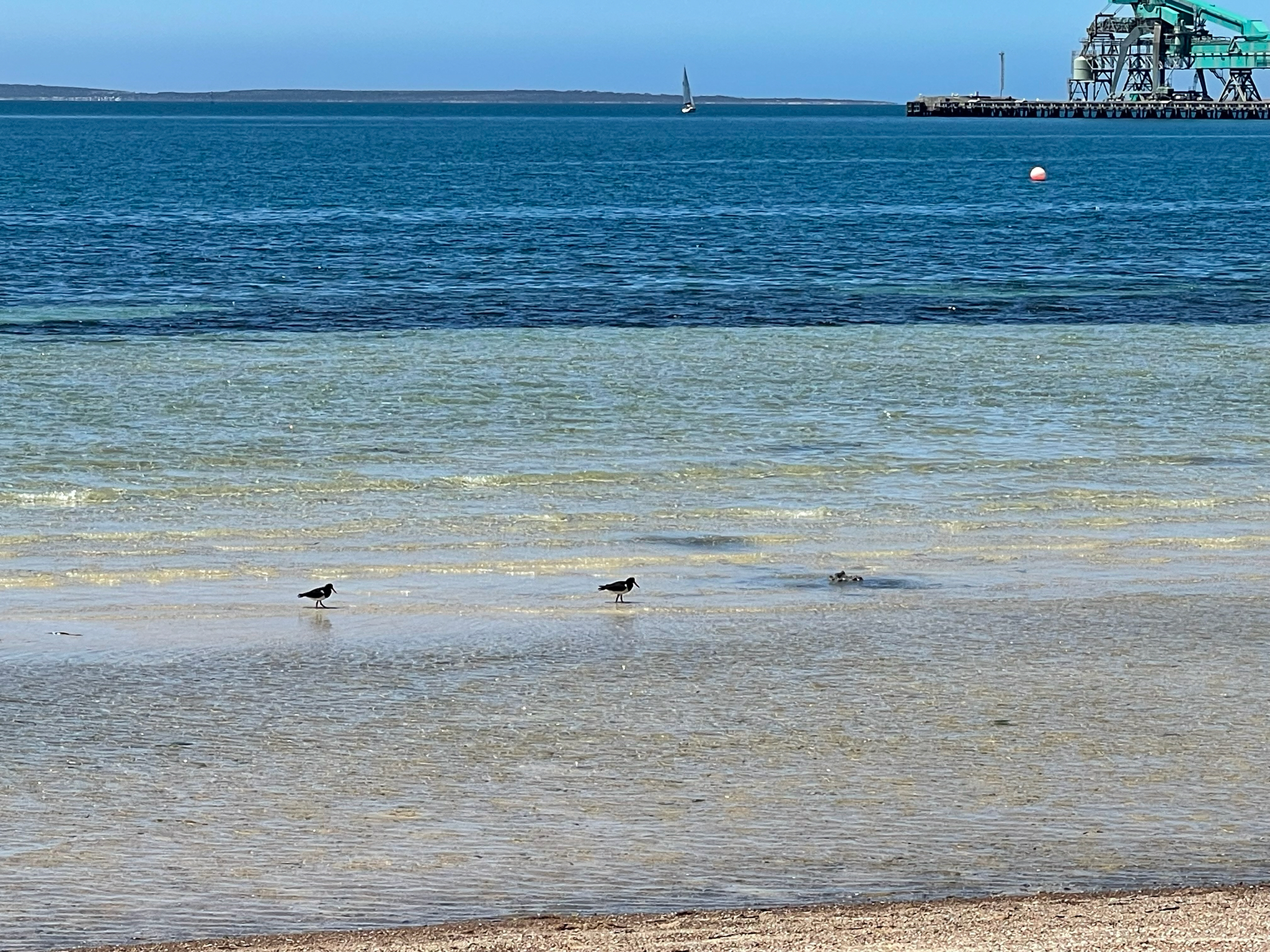
The oystercatchers are a group of waders forming the family Haematopodidae, which has a single genus, Haematopus.
- Kingdom
- Animalia
- Phylum
- Chordata
- Class
- Aves
- Order
- Charadriiformes
- Family
- Haematopodidae
- Genus
- Haematopus
- Species
- Haematopus
Description
The oystercatchers are a group of waders forming the family Haematopodidae, which has a single genus, Haematopus. They are found on coasts worldwide, apart from the polar regions and some tropical regions of Africa and Southeast Asia. The exceptions to this are the Eurasian oystercatcher, the South Island oystercatcher, and the Magellanic oystercatcher, which also breed inland, far inland in some cases. In the past there has been a great deal of confusion as to the species' limits, with discrete populations of all black oystercatchers being afforded specific status but pied oystercatchers being considered one single species.
Ajouter des photos
Partagez vos photos de cette espèce (jusqu'à 20 à la fois) : elles sont vérifiées automatiquement, puis publiées.
Répartition
Occurrences observées (données GBIF). Les zones hors aire d'origine peuvent indiquer une présence introduite ou invasive.
Sources et crédits
Informations provenant de plusieurs sources vérifiées. Dernière mise à jour : .
Crédits photos (1)
- Photo : bruna2030 · CC BY-NC 4.0 · via GBIF
Mentions de licence
Texte disponible sous licence CC BY-SA 4.0. Il adapte notamment Wikipedia (CC BY-SA) : Oystercatcher (Wikipédia, auteurs dans l’historique de l’article).
- Taxonomie : GBIF Backbone Taxonomy (CC BY 4.0)
- Carte : occurrences GBIF, fond © contributeurs OpenStreetMap (ODbL)
Détail : Sources et licences.
Discussion (0)
Aucun message pour l’instant. Lancez la discussion sur cette fiche (sources, précisions, débats éditoriaux).
Connectez-vous pour participer à la discussion.