
Eurasian Treecreeper
Certhia familiaris
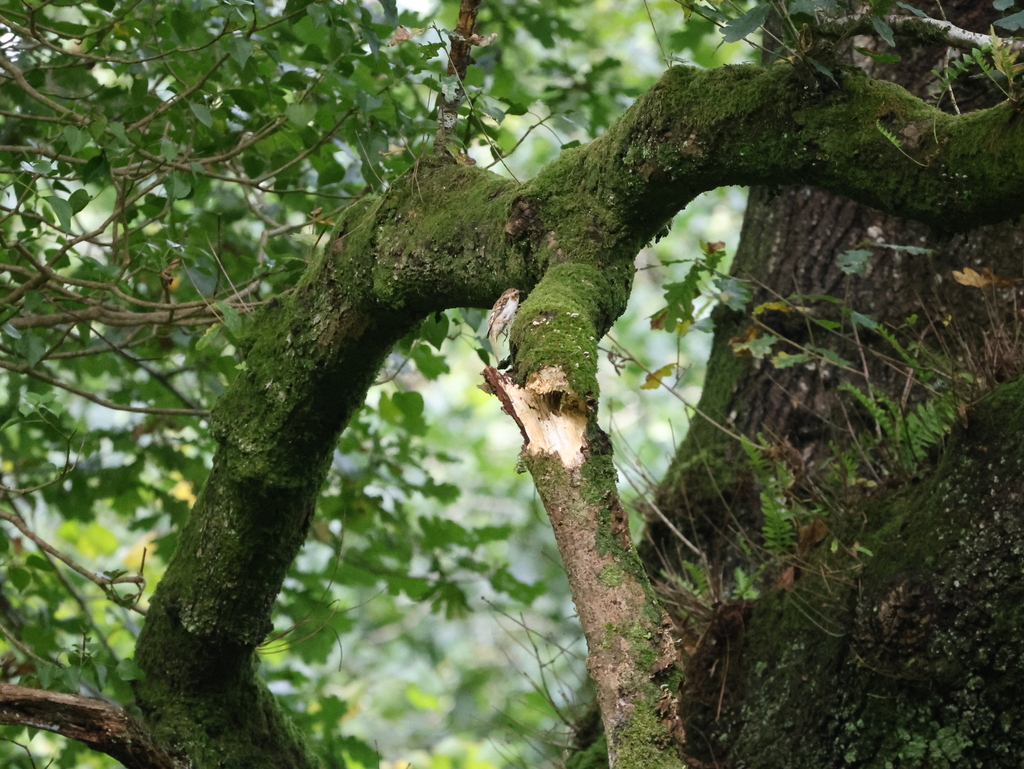
The Eurasian treecreeper or common treecreeper (Certhia familiaris) is a small passerine bird also known in the British Isles, where it is the only living member of its genus, simply as treecreeper.
- Kingdom
- Animalia
- Phylum
- Chordata
- Class
- Aves
- Order
- Passeriformes
- Family
- Certhiidae
- Genus
- Certhia
- Species
- Certhia familiaris
Description
The Eurasian treecreeper or common treecreeper (Certhia familiaris) is a small passerine bird also known in the British Isles, where it is the only living member of its genus, simply as treecreeper. It is similar to other treecreepers, and has a curved bill, patterned brown upperparts, whitish underparts, and long stiff tail feathers which help it creep up tree trunks. It can be most easily distinguished from the similar short-toed treecreeper, which shares much of its European range, by its different song. The Eurasian treecreeper has nine or more subspecies which breed in different parts of its range in the Palearctic. This species is found in woodlands of all kinds, but where it overlaps with the short-toed treecreeper in western Europe it is more likely to be found in coniferous forests or at higher altitudes. It nests in tree crevices or behind bark flakes, and favours introduced giant sequoia as nest sites where they are available. The female typically lays five or six pink-speckled white eggs in the lined nest, but eggs and chicks are vulnerable to attack by woodpeckers and mammals, including squirrels. The Eurasian treecreeper is insectivorous and climbs up tree trunks like a mouse, to search for insects which it picks from crevices in the bark with its fine curved bill. It then flies to the base of another tree with a distinctive erratic flight. This bird is solitary in winter, but may form communal roosts in cold weather.
Gallery
Ajouter des photos
Partagez vos photos de cette espèce (jusqu'à 20 à la fois) : elles sont vérifiées automatiquement, puis publiées.
Répartition
Occurrences observées (données GBIF). Les zones hors aire d'origine peuvent indiquer une présence introduite ou invasive.
Sources et crédits
Informations provenant de plusieurs sources vérifiées. Dernière mise à jour : .
Crédits photos (8)
- Photo : Becky Hamilton (@becky716) · CC BY 4.0 · via iNaturalist
- Photo : Kira Marchenkova (@kiramarch) · CC BY-NC 4.0 · via iNaturalist
- Photo : Sheelagh Halsey (@sahalsey) · CC BY 4.0 · via iNaturalist
- Photo : Дмитрий (@nyctereutespin) · CC BY-NC 4.0 · via iNaturalist
- Photo : Анатолий Стрила (@anatoliy10942) · CC BY-NC 4.0 · via iNaturalist
- Photo : Александр Гончаров (@gonkem1986) · CC BY-NC 4.0 · via iNaturalist
- Photo : Paul Lewis (@birdmanuk68) · CC BY 4.0 · via iNaturalist
- Photo : Christoph Moning (@christoph_moning) · CC BY 4.0 · via iNaturalist
Mentions de licence
Texte disponible sous licence CC BY-SA 4.0. Il adapte notamment Wikipedia (CC BY-SA) : Eurasian treecreeper (Wikipédia, auteurs dans l’historique de l’article).
- Taxonomie : GBIF Backbone Taxonomy (CC BY 4.0)
- Carte : occurrences GBIF, fond © contributeurs OpenStreetMap (ODbL)
- Statut de conservation : Liste rouge de l'UICN, via Wikidata (CC0)
Détail : Sources et licences.
Discussion (0)
Aucun message pour l’instant. Lancez la discussion sur cette fiche (sources, précisions, débats éditoriaux).
Connectez-vous pour participer à la discussion.