
Nilgiri flycatcher
Eumyias albicaudatus
The Nilgiri flycatcher (Eumyias albicaudatus) is an Old World flycatcher with a very restricted range in the hills of southern India.
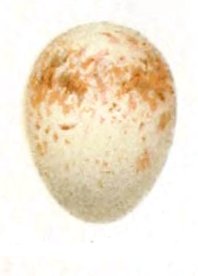
- Kingdom
- Animalia
- Phylum
- Chordata
- Class
- Aves
- Order
- Passeriformes
- Family
- Muscicapidae
- Genus
- Eumyias
- Species
- Eumyias albicaudatus
Description
The Nilgiri flycatcher (Eumyias albicaudatus) is an Old World flycatcher with a very restricted range in the hills of southern India. It was formerly referred to as the Nilgiri verditer flycatcher because of its similarity to the verditer flycatcher, a winter migrant to the Nilgiris, which, however, has distinct dark lores and a lighter shade of blue. There are two small white patches at the base of the tail. It is found mainly in the higher altitude shola forests of the Western Ghats and the Nilgiris.
Gallery
Ajouter des photos
Partagez vos photos de cette espèce (jusqu'à 20 à la fois) : elles sont vérifiées automatiquement, puis publiées.
Répartition
Occurrences observées (données GBIF). Les zones hors aire d'origine peuvent indiquer une présence introduite ou invasive.
Sources et crédits
Informations provenant de plusieurs sources vérifiées. Dernière mise à jour : .
Crédits photos (6)
- Photo : Oates, EW · Domaine public
- Photo : Cinoby J Kanattu (@cinoby) · CC BY-NC 4.0 · via iNaturalist
- Photo : Balakrishnan Ram (@balakrishnan07) · CC BY-NC 4.0 · via iNaturalist
- Photo : Brian Long (@brian35) · CC BY-NC 4.0 · via iNaturalist
- Photo : Chitra Shanker (@chitrashanker) · CC BY-NC 4.0 · via iNaturalist
- Photo : @shivaprakash · CC BY-NC 4.0 · via iNaturalist
Mentions de licence
Texte disponible sous licence CC BY-SA 4.0. Il adapte notamment Wikipedia (CC BY-SA) : Nilgiri flycatcher (Wikipédia, auteurs dans l’historique de l’article).
- Taxonomie : GBIF Backbone Taxonomy (CC BY 4.0)
- Carte : occurrences GBIF, fond © contributeurs OpenStreetMap (ODbL)
- Statut de conservation : Liste rouge de l'UICN, via Wikidata (CC0)
Détail : Sources et licences.
Discussion (0)
Aucun message pour l’instant. Lancez la discussion sur cette fiche (sources, précisions, débats éditoriaux).
Connectez-vous pour participer à la discussion.