
- Kingdom
- Animalia
- Phylum
- Chordata
- Class
- Aves
- Order
- Anseriformes
- Family
- Anatidae
- Genus
- Anas
- Species
- Anas platyrhynchos domesticus
Overview
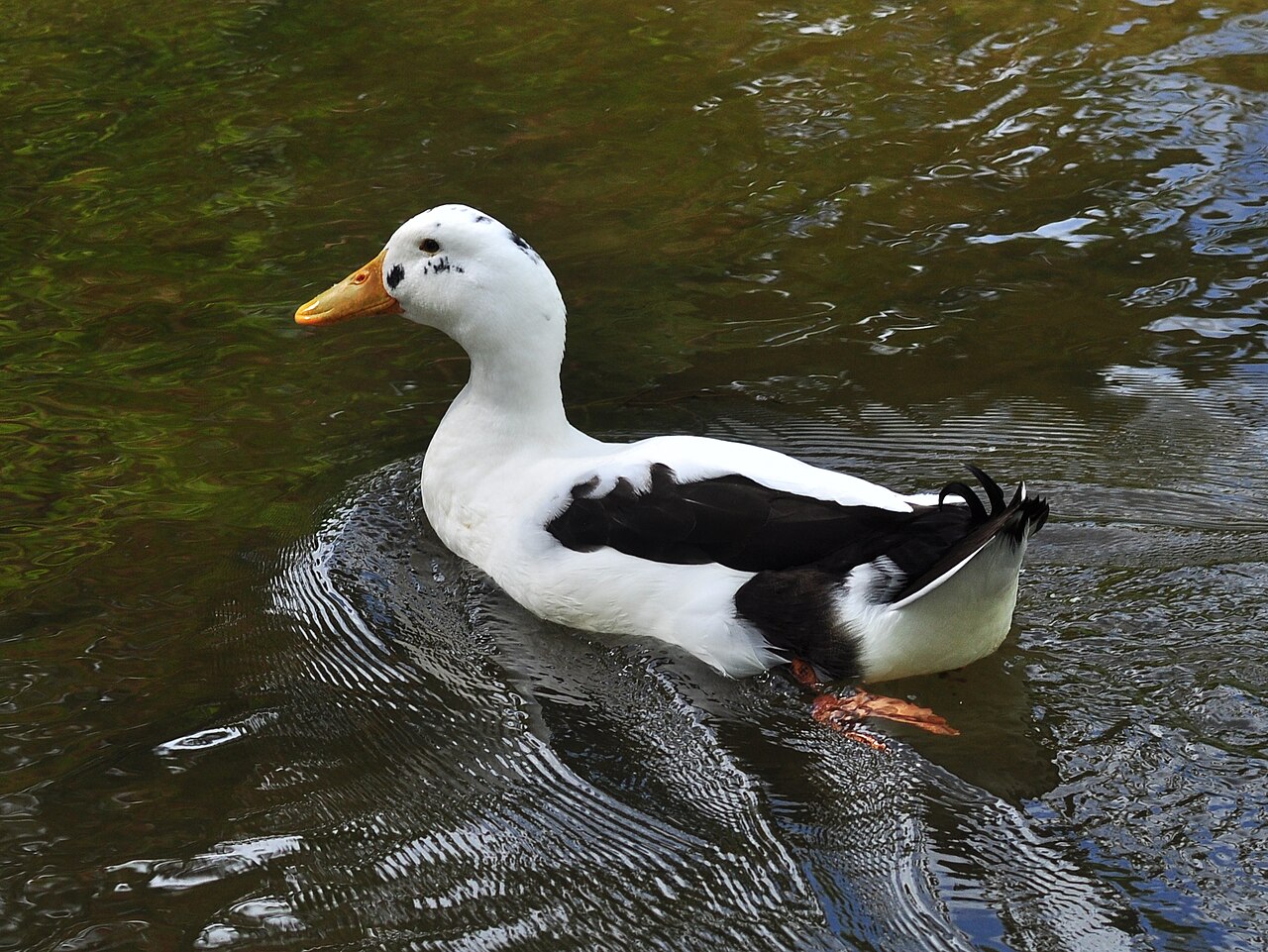
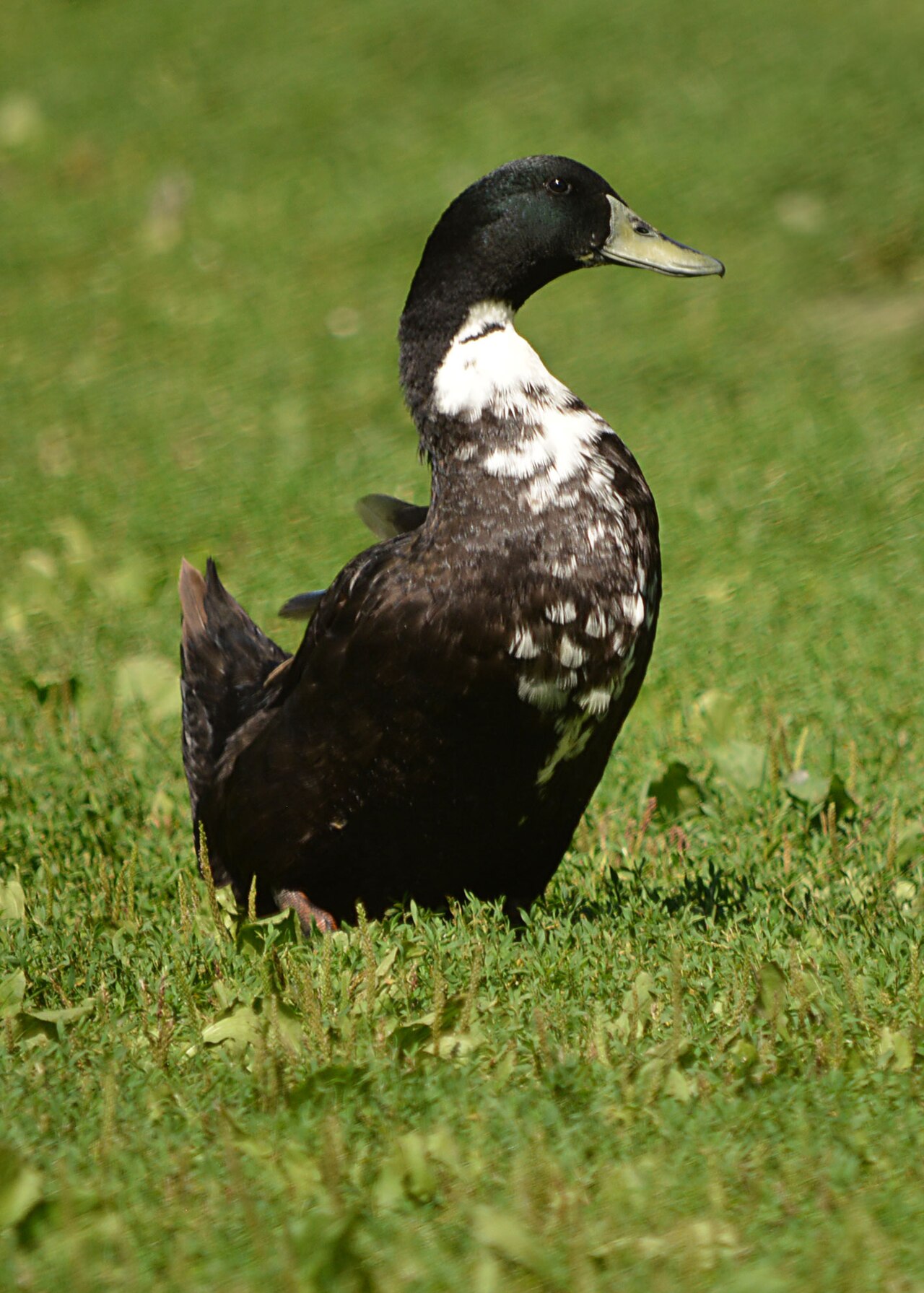
The Ancona is a breed of domestic duck, characterised by an unusual and variable broken-colored plumage pattern. It is not clear whether it originated in the United Kingdom or in the United States. It is not recognised or listed by the American Poultry Association, by the Entente Européenne d'Aviculture et de Cuniculture, or by the Poultry Club of Great Britain.
History
It usually reported that the Ancona was first bred in England in the early twentieth century, probably from the same stock that gave rise to the Magpie, and was introduced to the United States in or before the 1970s where it was first shown in 1983.• However, an article in the Water Fowl Club of America Yearbook of 1913 reports that a duck of the same name had been developed by one W.J. Wirt, of Knowlesville, New York, who had named it after the Ancona breed of chicken. Birds of this type were shown in subsequent years, and took two first prizes at a poultry show in Boston in 1915.• The Livestock Conservancy does not give any description of these early American Anconas, or any comparison to the modern breed of that name.•
Characteristics
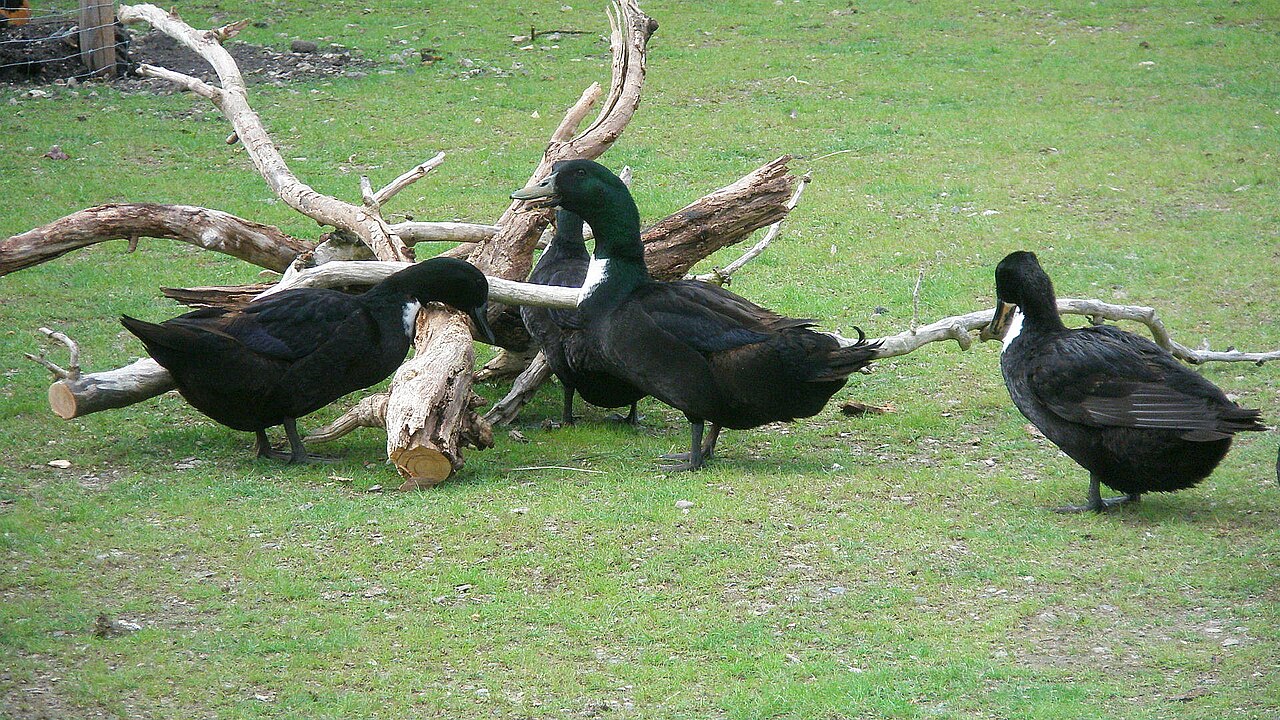
The Ancona is of medium size, and weighs about 2.3–2.9 kg (5–6.5 lb).• It has an oval head, a slightly concave bill. The plumage is broken-colored, with irregular patches of color on a white ground. The usual color is black and white; other color varieties are: blue and white, chocolate and white, silver and white, and lavender and white.• The bill is yellow, spotted with black or dark green, and the shanks are orange, marked with black or brown.•
It forages well, is hardy, and is capable of adapting to different environmental conditions.•
Use
The Ancona is a good layer, producing some 210–280 eggs per year;• these may be blue, green, white, spotted, cream, or tinted.•
Gallery
Ajouter des photos
Partagez vos photos de cette espèce (jusqu'à 20 à la fois) : elles sont vérifiées automatiquement, puis publiées.
Autres races de l'espèce (40)
Espèce : Canard domestique
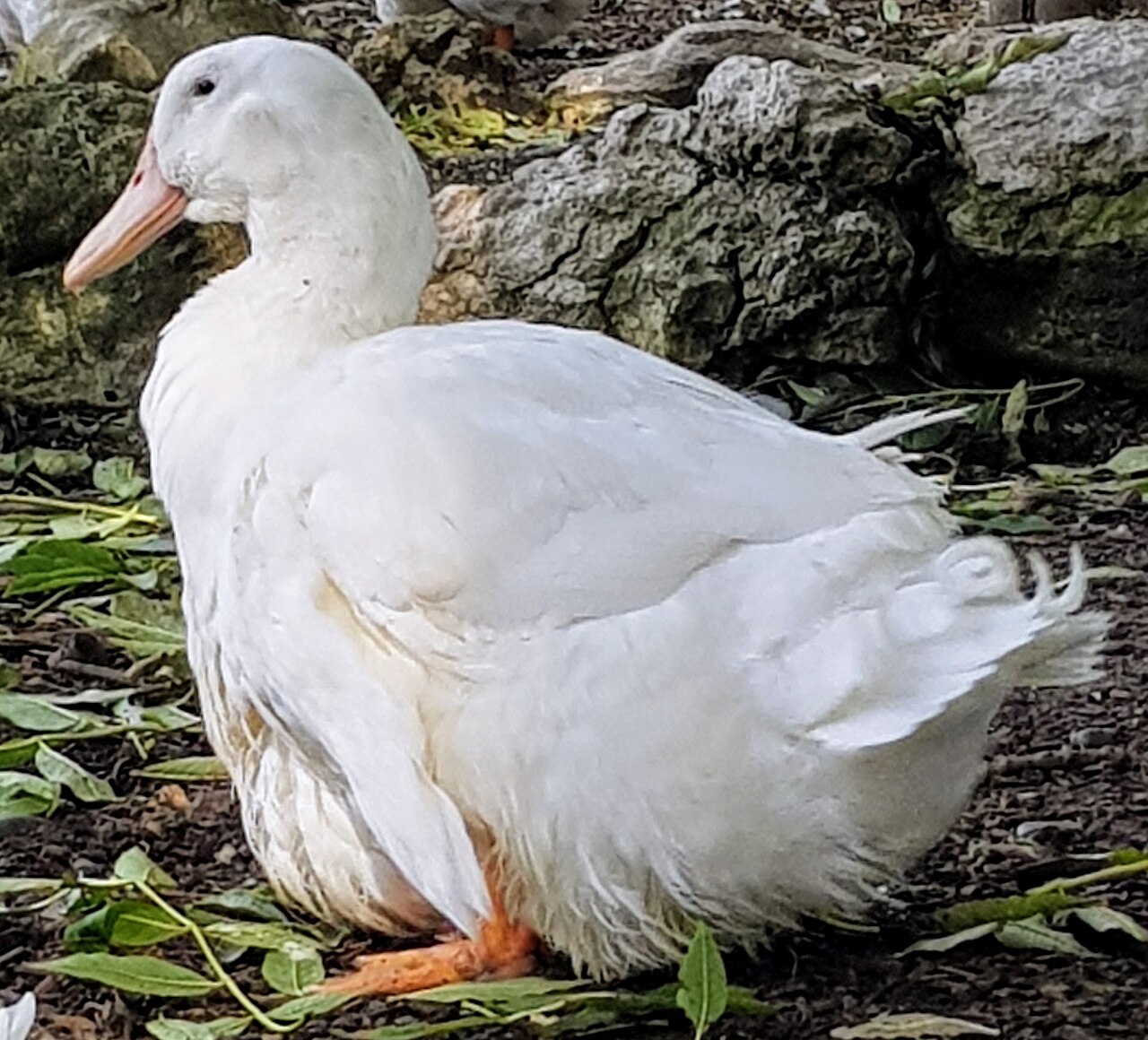
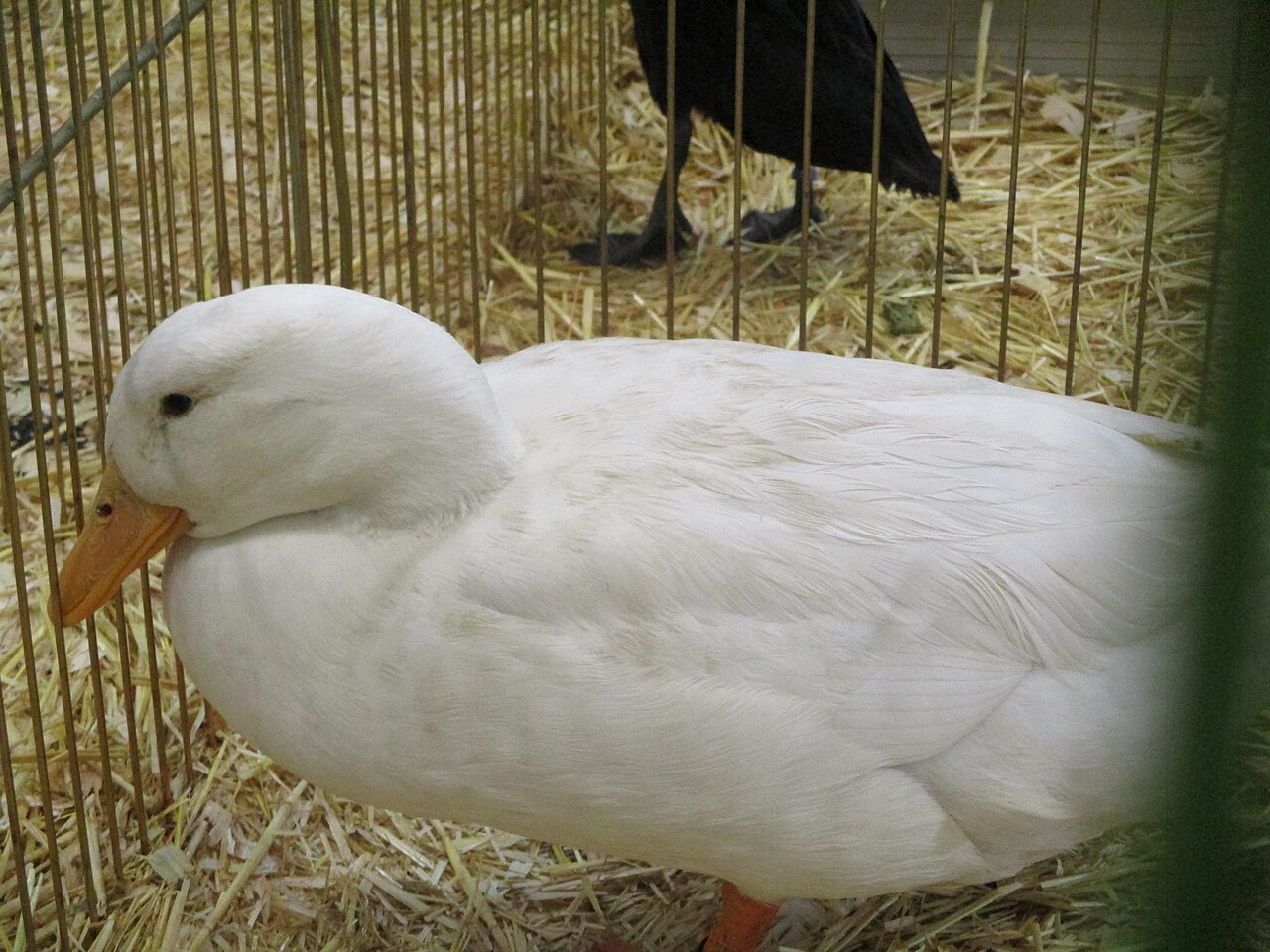
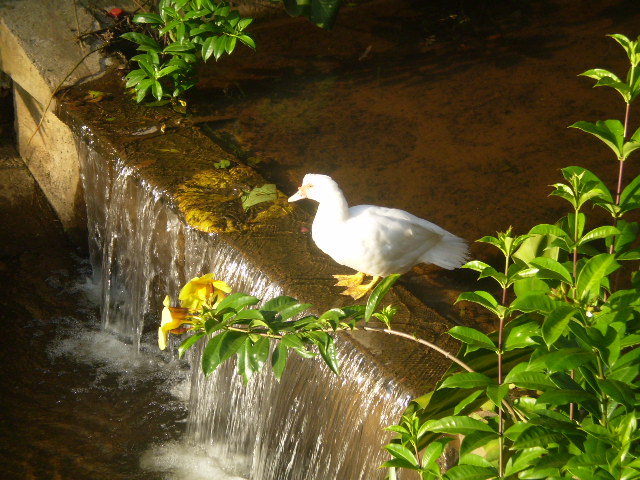
Voir les 28 autres races
- Canard de Pékin
- Canard de Rouen français
- Canard de Saxe
- Canard huppé
- Canard à bec courbé
- Canard émeraude
- Cayuga
- Coureur indien
- Orpington
- Blekinge duck
- Canard blanc de l'Allier
- Canard cou-nu
- Canard de Huttegem
- Canard de Merchtem
- Canard de Rouen anglais
- Canard de Shetland
- Canard de Termonde
- Canard de Vouillé
- Canard de la Semois
- Kriaxera
- Alabio duck
- Australian Spotted
- Elizabeth
- Forest duck
- Jinding duck
- Silver Bantam
- Ànnera mallorquina
- Meitei Nganu
Sources et crédits
Informations provenant de plusieurs sources vérifiées. Dernière mise à jour : .
Crédits photos (6)
- Photo : Joe Mabel · CC BY-SA 4.0 · via Wikimedia Commons
- Photo : Joe Mabel · CC BY-SA 4.0 · via Wikimedia Commons
- Photo : Joe Mabel · CC BY-SA 4.0 · via Wikimedia Commons
- Photo : Joe Mabel · CC BY-SA 4.0 · via Wikimedia Commons
- Photo : Joe Mabel · CC BY-SA 4.0 · via Wikimedia Commons
- Photo : Baegilmong · CC BY-SA 4.0 · via Wikimedia Commons
Mentions de licence
Texte disponible sous licence CC BY-SA 4.0. Il adapte notamment Wikipedia (CC BY-SA): Ancona duck (Wikipédia, auteurs dans l’historique de l’article).
- Taxonomie : GBIF Backbone Taxonomy (CC BY 4.0)
Détail : Sources et licences.
Discussion (0)
Aucun message pour l’instant. Lancez la discussion sur cette fiche (sources, précisions, débats éditoriaux).
Connectez-vous pour participer à la discussion.