
Talamancan Rice Rat
Transandinomys talamancae
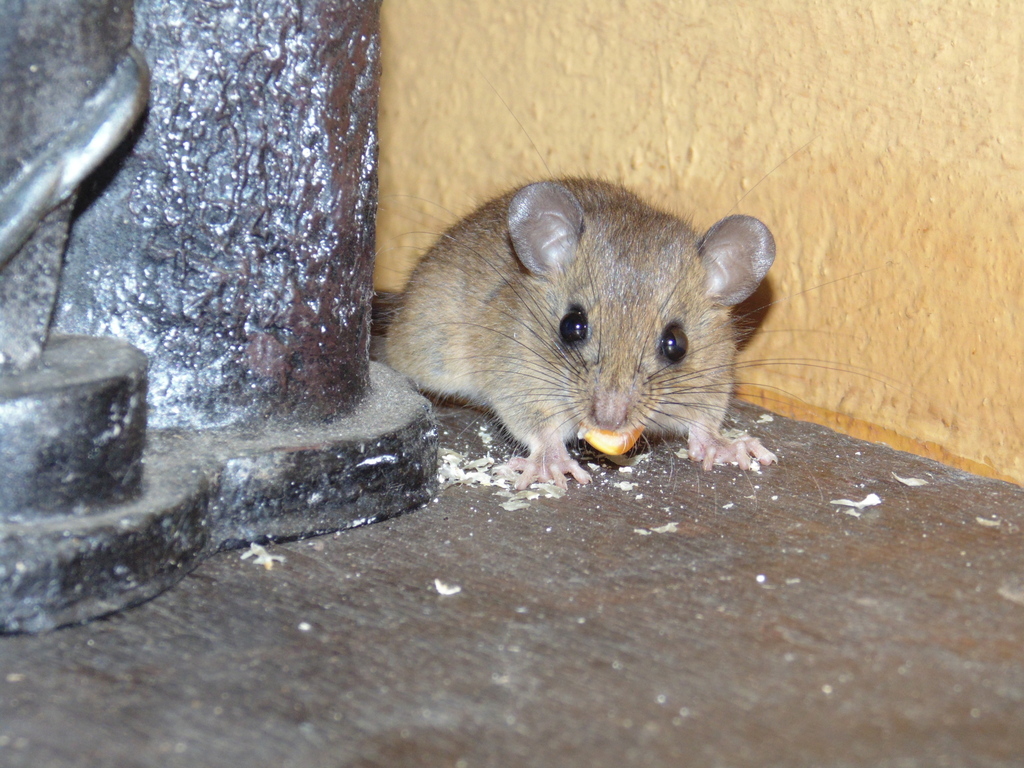
Transandinomys talamancae is a rodent in the family Cricetidae that occurs from Costa Rica to southwestern Ecuador and northern Venezuela.
- Kingdom
- Animalia
- Phylum
- Chordata
- Class
- Mammalia
- Order
- Rodentia
- Family
- Cricetidae
- Genus
- Transandinomys
- Species
- Transandinomys talamancae
Description
Transandinomys talamancae is a rodent in the family Cricetidae that occurs from Costa Rica to southwestern Ecuador and northern Venezuela. Its habitat consists of lowland forests up to 1,500 m (5,000 ft) above sea level. With a body mass of 38 to 74 g (1.3 to 2.6 oz), it is a medium-sized rice rat. The fur is soft and is reddish to brownish on the upperparts and white to buff on the underparts. The tail is dark brown above and lighter below and the ears and feet are long. The vibrissae (whiskers) are very long. In the skull, the rostrum (front part) is long and the braincase is low. The number of chromosomes varies from 34 to 54. The species was first described in 1891 by Joel Asaph Allen and thereafter a variety of names, now considered synonyms, were applied to local populations. It was lumped into a widespread species "Oryzomys capito" (now Hylaeamys megacephalus) from the 1960s until the 1980s and the current allocation of synonyms dates from 1998. It was placed in the genus Oryzomys until 2006, as Oryzomys talamancae, but it is not closely related to the type species of that genus and was therefore moved to a separate genus Transandinomys in 2006. It shares this genus with Transandinomys bolivaris, which has even longer vibrissae; the two overlap broadly in distribution and are morphologically similar. Active during the night, Transandinomys talamancae lives on the ground and eats plants and insects. Males move more and have larger home ranges than most females. It breeds throughout the year, although few individuals survive for more than a year. After a gestation period of about 28 days, two to five young are born, which reach sexual maturity within two months. A variety of parasites occur on this species. Widespread and common, it is of no conservation concern.
Gallery
Ajouter des photos
Partagez vos photos de cette espèce (jusqu'à 20 à la fois) : elles sont vérifiées automatiquement, puis publiées.
Répartition
Occurrences observées (données GBIF). Les zones hors aire d'origine peuvent indiquer une présence introduite ou invasive.
Sources et crédits
Informations provenant de plusieurs sources vérifiées. Dernière mise à jour : .
Crédits photos (5)
- Photo : Omar Santiago Chaparro (@omarsantiago31) · CC BY-NC 4.0 · via iNaturalist
- Photo : @rocio_vargas · CC BY-NC 4.0 · via iNaturalist
- Photo : Michael Roy (@mroy) · CC BY-NC 4.0 · via iNaturalist
- Photo : @jehealy82 · CC BY-NC 4.0 · via iNaturalist
- Photo : @jorgebrito · CC BY-NC 4.0 · via iNaturalist
Mentions de licence
Texte disponible sous licence CC BY-SA 4.0. Il adapte notamment Wikipedia (CC BY-SA) : Transandinomys talamancae (Wikipédia, auteurs dans l’historique de l’article).
- Taxonomie : GBIF Backbone Taxonomy (CC BY 4.0)
- Carte : occurrences GBIF, fond © contributeurs OpenStreetMap (ODbL)
- Statut de conservation : Liste rouge de l'UICN, via Wikidata (CC0)
Détail : Sources et licences.
Discussion (0)
Aucun message pour l’instant. Lancez la discussion sur cette fiche (sources, précisions, débats éditoriaux).
Connectez-vous pour participer à la discussion.