
Himalayan Shrew
Soriculus nigrescens
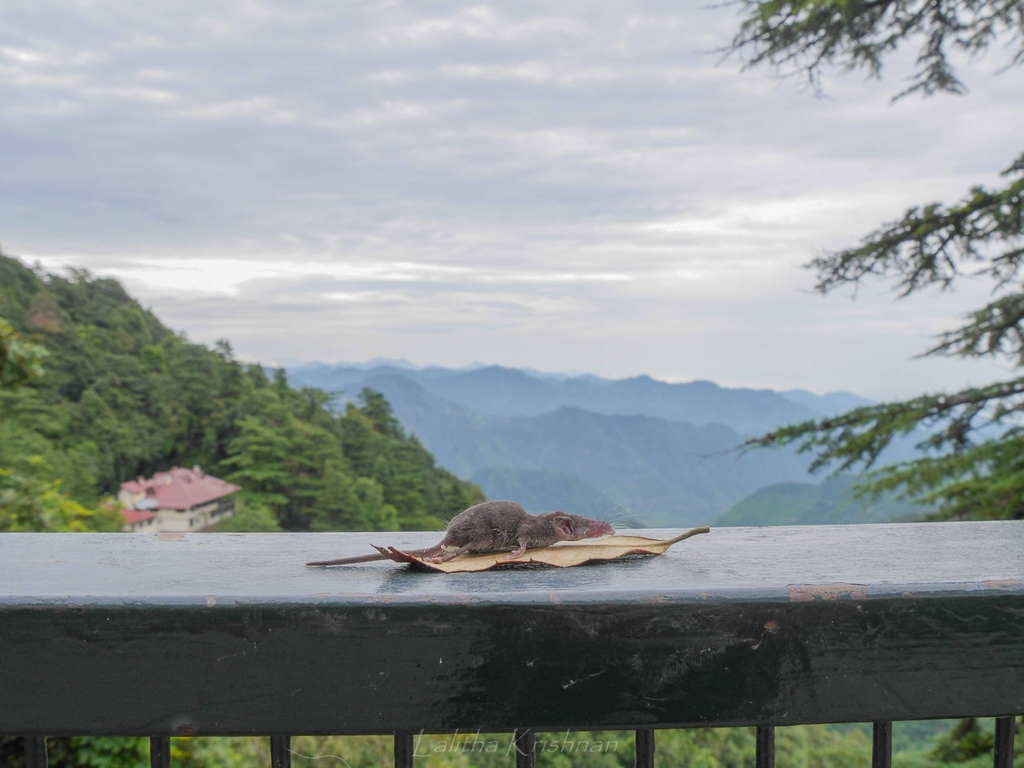
The Himalayan shrew (Soriculus nigrescens) is a species of shrew in the subfamily Soricinae (red-toothed shrews) and tribe Nectogalini.
- Kingdom
- Animalia
- Phylum
- Chordata
- Class
- Mammalia
- Order
- Soricomorpha
- Family
- Soricidae
- Genus
- Soriculus
- Species
- Soriculus nigrescens
Description
The Himalayan shrew (Soriculus nigrescens) is a species of shrew in the subfamily Soricinae (red-toothed shrews) and tribe Nectogalini. It is native to montane forest habitats in the southern Himalayas in Bhutan, China, India, Myanmar, and Nepal, ranging in altitude from 700 metres (2,300 ft) to 4,500 metres (14,800 ft). It is generally considered to be the only species in the genus Soriculus (though other potentially valid species in the genus were described in 2023 and 2024). The body size is relatively, large, the largest in Soriculus, at approximately 17.6 grams (0.62 oz). The fur colour varies from brown to black. The tail is relatively short, about half the length of the combined head and body. The forelimbs and their claws are relatively enlarged, suggesting fossorial (digging) habits for the species.
Ajouter des photos
Partagez vos photos de cette espèce (jusqu'à 20 à la fois) : elles sont vérifiées automatiquement, puis publiées.
Répartition
Occurrences observées (données GBIF). Les zones hors aire d'origine peuvent indiquer une présence introduite ou invasive.
Sources et crédits
Informations provenant de plusieurs sources vérifiées. Dernière mise à jour : .
Crédits photos (1)
- Photo : @lalithakrishnan · CC BY-NC 4.0 · via iNaturalist
Mentions de licence
Texte disponible sous licence CC BY-SA 4.0. Il adapte notamment Wikipedia (CC BY-SA) : Himalayan shrew (Wikipédia, auteurs dans l’historique de l’article).
- Taxonomie : GBIF Backbone Taxonomy (CC BY 4.0)
- Carte : occurrences GBIF, fond © contributeurs OpenStreetMap (ODbL)
- Statut de conservation : Liste rouge de l'UICN, via Wikidata (CC0)
Détail : Sources et licences.
Discussion (0)
Aucun message pour l’instant. Lancez la discussion sur cette fiche (sources, précisions, débats éditoriaux).
Connectez-vous pour participer à la discussion.