
Common shrew
Sorex araneus
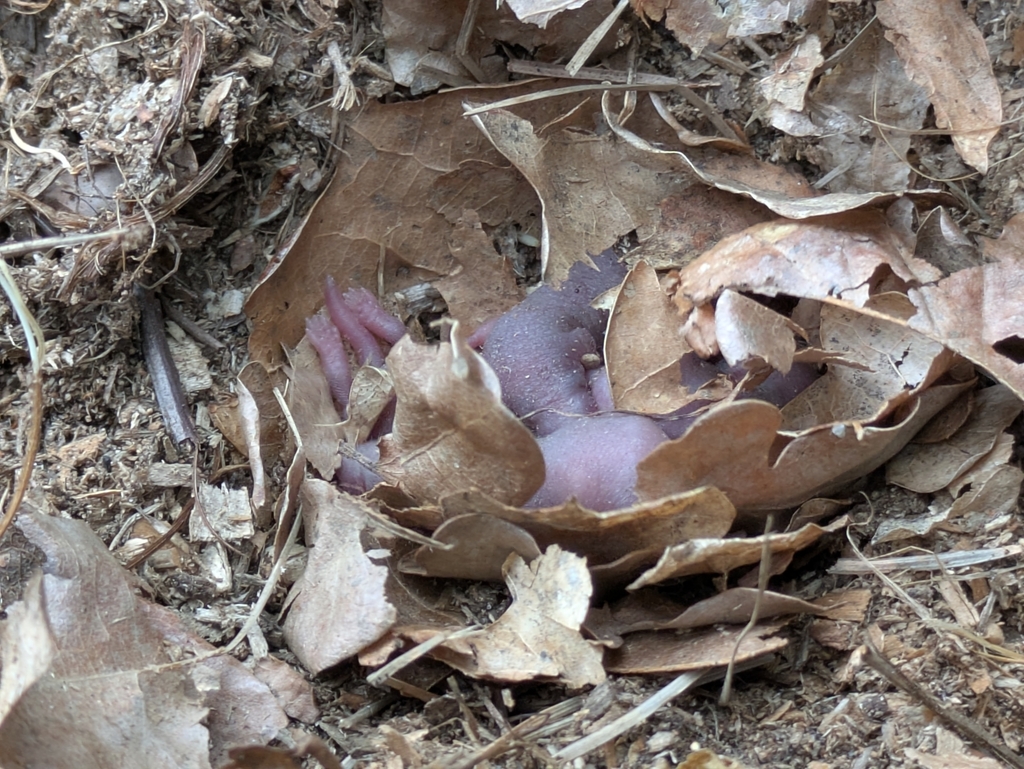
The common shrew (Sorex araneus), also known as the Eurasian shrew, is the most common shrew, and one of the most common mammals, throughout Northern Europe, including Great Britain, but excluding Ireland.
- Kingdom
- Animalia
- Phylum
- Chordata
- Class
- Mammalia
- Order
- Soricomorpha
- Family
- Soricidae
- Genus
- Sorex
- Species
- Sorex araneus
Description
The common shrew (Sorex araneus), also known as the Eurasian shrew, is the most common shrew, and one of the most common mammals, throughout Northern Europe, including Great Britain, but excluding Ireland. It is 55 to 82 millimetres (2.2 to 3.2 in) long and weighs 5 to 12 grams (0.2 to 0.4 oz), and has velvety dark brown fur with a pale underside. It is one of the rare venomous mammals. Juvenile shrews have lighter fur until their first moult. The common shrew has small eyes, a pointed, mobile snout and red-tipped teeth. It has a life span of approximately 14 months. Shrews are active day and night, taking short periods of rest between relatively long bursts of activity.
Gallery
Ajouter des photos
Partagez vos photos de cette espèce (jusqu'à 20 à la fois) : elles sont vérifiées automatiquement, puis publiées.
Répartition
Occurrences observées (données GBIF). Les zones hors aire d'origine peuvent indiquer une présence introduite ou invasive.
Sources et crédits
Informations provenant de plusieurs sources vérifiées. Dernière mise à jour : .
Crédits photos (4)
- Photo : Яна (@mongikkk) · CC BY-NC 4.0 · via iNaturalist
- Photo : Mike G. Rutherford (@mikegrutherford) · CC BY-NC 4.0 · via iNaturalist
- Photo : Denys Davydov (@davydovbotany) · CC BY-NC 4.0 · via iNaturalist
- Photo : Paul Lewis (@birdmanuk68) · CC BY 4.0 · via iNaturalist
Mentions de licence
Texte disponible sous licence CC BY-SA 4.0. Il adapte notamment Sorex araneus, Wikipedia (CC BY-SA) : Common shrew (Wikipédia, auteurs dans l’historique de l’article).
- Taxonomie : GBIF Backbone Taxonomy (CC BY 4.0)
- Carte : occurrences GBIF, fond © contributeurs OpenStreetMap (ODbL)
- Statut de conservation : Liste rouge de l'UICN, via Wikidata (CC0)
Détail : Sources et licences.
Discussion (0)
Aucun message pour l’instant. Lancez la discussion sur cette fiche (sources, précisions, débats éditoriaux).
Connectez-vous pour participer à la discussion.