
Dwarf fin whale
Balaenoptera omurai
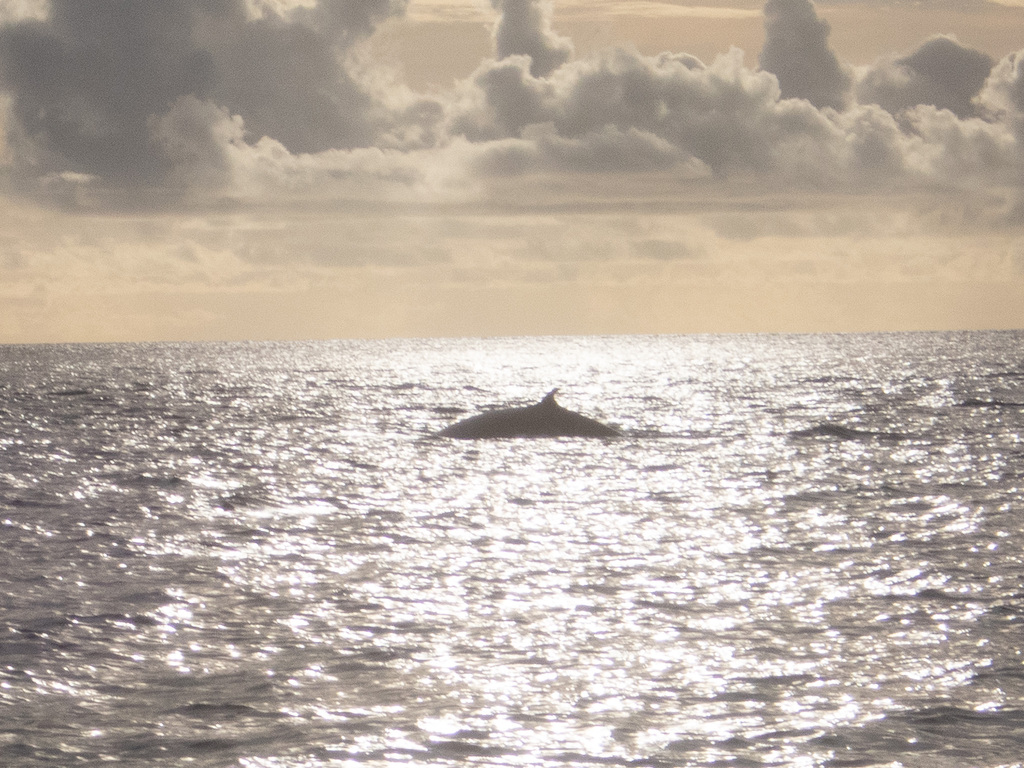
Omura's whale or the dwarf fin whale (Balaenoptera omurai) is a species of rorqual about which very little is known.
- Kingdom
- Animalia
- Phylum
- Chordata
- Class
- Mammalia
- Order
- Cetacea
- Family
- Balaenopteridae
- Genus
- Balaenoptera
- Species
- Balaenoptera omurai
Description
Omura's whale or the dwarf fin whale (Balaenoptera omurai) is a species of rorqual about which very little is known. Before its formal description, it was referred to as a small, dwarf or pygmy form of Bryde's whale by various sources. The common name and specific epithet commemorate Japanese cetologist Hideo Omura. The scientific description of this whale was made in Nature in 2003 by three Japanese scientists. They determined the existence of the species by analysing the morphology and mitochondrial DNA of nine individuals – eight caught by Japanese research vessels in the late 1970s in the Indo-Pacific and an adult female collected in 1998 from Tsunoshima, an island in the Sea of Japan. Later, abundant genetic evidence confirmed Omura's whale as a valid species and revealed it to be an early offshoot from the rorqual lineage, diverging much earlier than Bryde's and sei whales. It is perhaps more closely related to its larger relative, the blue whale. In the third edition of Mammal Species of the World, the "species" is relegated to being a synonym of Balaenoptera edeni. However, the authors note that this is subject to a revision of the genus. The database ITIS lists this as a valid taxon, noting a caveat on the disputed systematics of this species, Balaenoptera edeni and Balaenoptera brydei.
Gallery
Ajouter des photos
Partagez vos photos de cette espèce (jusqu'à 20 à la fois) : elles sont vérifiées automatiquement, puis publiées.
Répartition
Occurrences observées (données GBIF). Les zones hors aire d'origine peuvent indiquer une présence introduite ou invasive.
Sources et crédits
Informations provenant de plusieurs sources vérifiées. Dernière mise à jour : .
Crédits photos (7)
- Photo : Justin Philbois (@jujuwild) · CC0 (domaine public) · via iNaturalist
- Photo : @nickel87 · CC BY-NC 4.0 · via iNaturalist
- Photo : @teelo · CC BY-NC 4.0 · via iNaturalist
- Photo : James Lefebvre (@chasseur_de_licorne) · CC BY-NC 4.0 · via iNaturalist
- Photo : @bnchapple · CC BY-NC 4.0 · via iNaturalist
- Photo : CORDENOS Thierry (@thierrycordenos) · CC BY-NC 4.0 · via iNaturalist
- Photo : Heather (@hplatt) · CC BY-NC 4.0 · via iNaturalist
Mentions de licence
Texte disponible sous licence CC BY-SA 4.0. Il adapte notamment Rorqual d'Omura, Wikipedia (CC BY-SA) : Omura's whale (Wikipédia, auteurs dans l’historique de l’article).
- Taxonomie : GBIF Backbone Taxonomy (CC BY 4.0)
- Carte : occurrences GBIF, fond © contributeurs OpenStreetMap (ODbL)
- Statut de conservation : Liste rouge de l'UICN, via Wikidata (CC0)
Détail : Sources et licences.
Discussion (0)
Aucun message pour l’instant. Lancez la discussion sur cette fiche (sources, précisions, débats éditoriaux).
Connectez-vous pour participer à la discussion.