
Rhinolophus
Rhinolophus
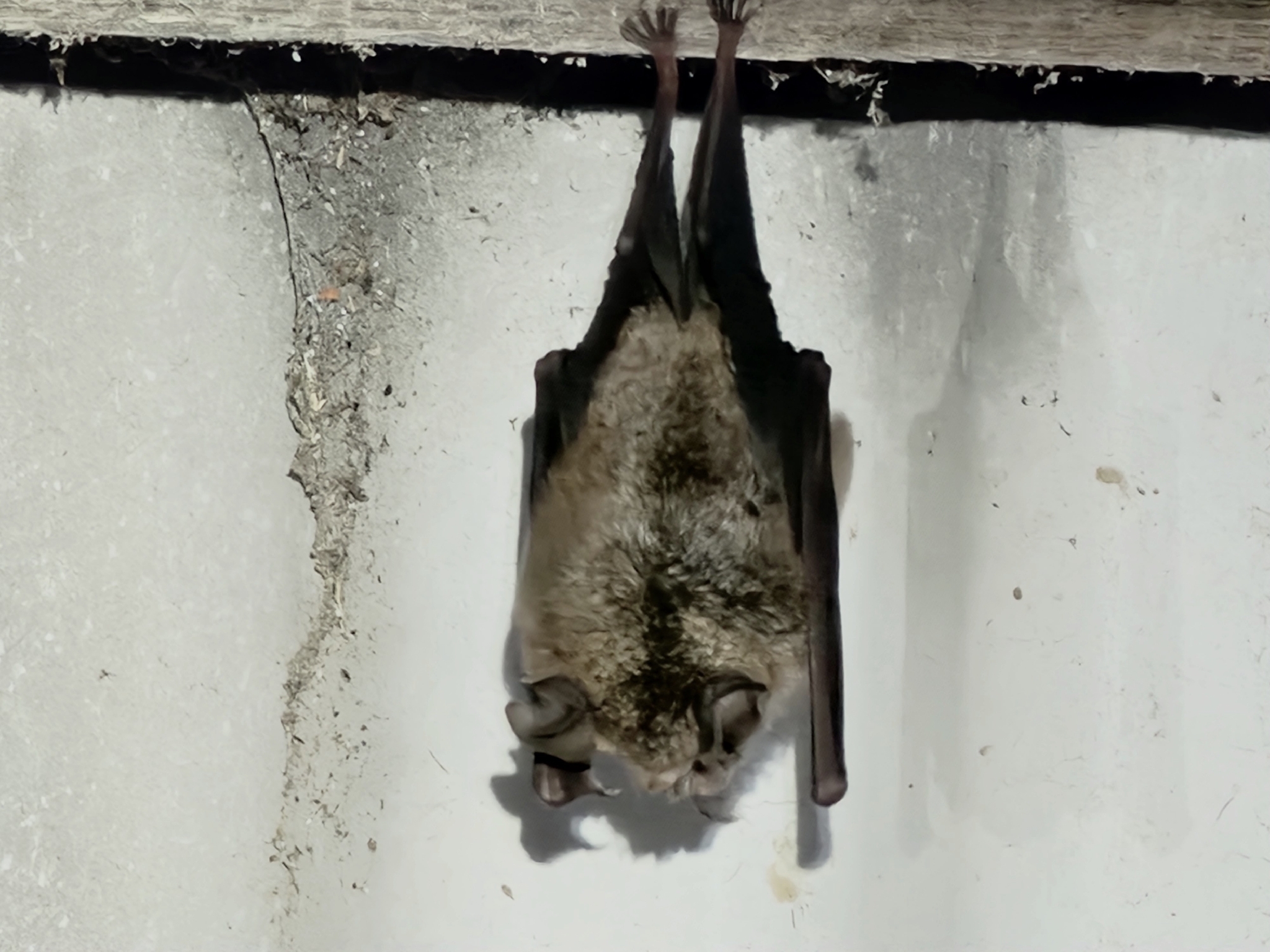
Horseshoe bats are bats in the family Rhinolophidae.
- Kingdom
- Animalia
- Phylum
- Chordata
- Class
- Mammalia
- Order
- Chiroptera
- Family
- Rhinolophidae
- Genus
- Rhinolophus
- Species
- Rhinolophus
Description
Horseshoe bats are bats in the family Rhinolophidae. In addition to the single living genus, Rhinolophus, which has about 106 species, the extinct genus Palaeonycteris has been recognized. Horseshoe bats are closely related to the Old World leaf-nosed bats, family Hipposideridae, which have sometimes been included in Rhinolophidae. The horseshoe bats are divided into six subgenera and many species groups. The most recent common ancestor of all horseshoe bats lived 34–40 million years ago, though it is unclear where the geographic roots of the family are, and attempts to determine its biogeography have been indecisive. Their taxonomy is complex, as genetic evidence shows the likely existence of many cryptic species, as well as species recognized as distinct that may have little genetic divergence from previously recognized taxa. They are found in the Old World, mostly in tropical or subtropical areas, including Africa, Asia, Europe, and Oceania. Horseshoe bats are considered small or medium-sized microbats, weighing 4–28 g (0.14–0.99 oz), with forearm lengths of 30–75 mm (1.2–3.0 in) and combined lengths of head and body of 35–110 mm (1.4–4.3 in). The fur, long and smooth in most species, can be reddish-brown, blackish, or bright orange-red. They get their common name from their large nose-leafs, which are shaped like horseshoes. The nose-leafs aid in echolocation; horseshoe bats have highly sophisticated echolocation, using constant frequency calls at high-duty cycles to detect prey in areas of high environmental clutters. They hunt insects and spiders, swooping down on prey from a perch, or gleaning from foliage. Little is known about their mating systems, but at least one species is monogamous, while another is polygynous. Gestation is approximately seven weeks and one offspring is produced at a time. A typical lifespan is six or seven years, but one greater horseshoe bat lived more than thirty years. Horseshoe bats are relevant to humans in some regions as a source of disease, as food, and for traditional medicine. Several species are the natural reservoirs of various SARS-related coronaviruses, and data strongly suggests they are a reservoir of SARS-CoV, though humans may face more exposure risk from intermediate hosts such as masked palm civets. They are hunted for food in several regions, particularly sub-Saharan Africa, but also Southeast Asia. Some species or their guano are used in traditional medicine in Nepal, India, Vietnam, and Senegal.
Ajouter des photos
Partagez vos photos de cette espèce (jusqu'à 20 à la fois) : elles sont vérifiées automatiquement, puis publiées.
Répartition
Occurrences observées (données GBIF). Les zones hors aire d'origine peuvent indiquer une présence introduite ou invasive.
Sources et crédits
Informations provenant de plusieurs sources vérifiées. Dernière mise à jour : .
Crédits photos (1)
- Photo : sarahb412 · CC BY-NC 4.0 · via GBIF
Mentions de licence
Texte disponible sous licence CC BY-SA 4.0. Il adapte notamment Wikipedia (CC BY-SA) : Rhinolophus (Wikipédia, auteurs dans l’historique de l’article).
- Taxonomie : GBIF Backbone Taxonomy (CC BY 4.0)
- Carte : occurrences GBIF, fond © contributeurs OpenStreetMap (ODbL)
Détail : Sources et licences.
Discussion (0)
Aucun message pour l’instant. Lancez la discussion sur cette fiche (sources, précisions, débats éditoriaux).
Connectez-vous pour participer à la discussion.