
Physeter
Physeter
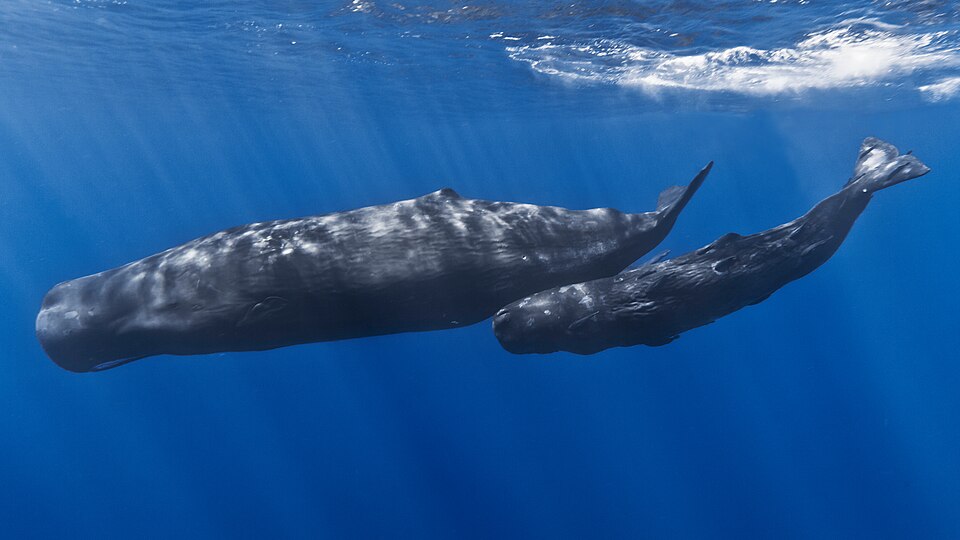
Physeter is a genus of toothed whales. There is only one living species in this genus: the sperm whale (Physeter macrocephalus).
- Kingdom
- Animalia
- Phylum
- Chordata
- Class
- Mammalia
- Order
- Cetacea
- Family
- Physeteridae
- Genus
- Physeter
- Species
- Physeter
Description
Physeter is a genus of toothed whales. There is only one living species in this genus: the sperm whale (Physeter macrocephalus). Some extremely poorly known fossil species have also been assigned to the same genus including Physeter antiquus (5.3–2.6 mya) from the Pliocene of France, and Physeter vetus (2.6 mya – 12 ka) from the Quaternary of the U.S. state of Georgia. Physeter vetus is very likely an invalid species, as the few teeth that were used to identify this species appear to be identical to those of another toothed whale, Orycterocetus quadratidens. Sperm whales spend more than 72% of their time engaged in foraging dive cycles. Foraging behavior, including buzz vocalizations for prey capture. The efficiency of sperm whale foraging is attributed to their effective long range echolocation, and efficient locomotion during deep dives. The genus name is from Ancient Greek φυσητήρ (phūsētḗr), meaning 'blowpipe', 'blowhole'.
Ajouter des photos
Partagez vos photos de cette espèce (jusqu'à 20 à la fois) : elles sont vérifiées automatiquement, puis publiées.
Répartition
Occurrences observées (données GBIF). Les zones hors aire d'origine peuvent indiquer une présence introduite ou invasive.
Sources et crédits
Informations provenant de plusieurs sources vérifiées. Dernière mise à jour : .
Crédits photos (1)
- Photo : Gabriel Barathieu · CC BY-SA 2.0
Mentions de licence
Texte disponible sous licence CC BY-SA 4.0. Il adapte notamment Wikipedia (CC BY-SA) : Physeter (Wikipédia, auteurs dans l’historique de l’article).
- Taxonomie : GBIF Backbone Taxonomy (CC BY 4.0)
- Carte : occurrences GBIF, fond © contributeurs OpenStreetMap (ODbL)
Détail : Sources et licences.
Discussion (0)
Aucun message pour l’instant. Lancez la discussion sur cette fiche (sources, précisions, débats éditoriaux).
Connectez-vous pour participer à la discussion.