
White-throated Woodrat
Neotoma albigula
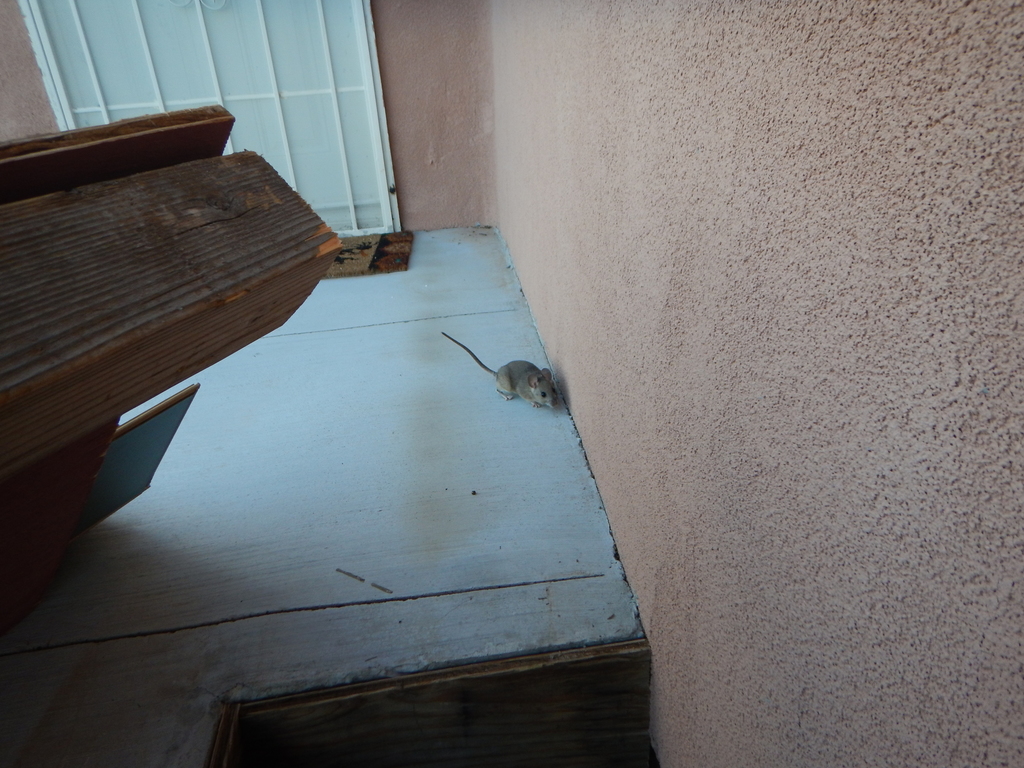
The white-throated woodrat (Neotoma albigula) is a species of rodent in the family Cricetidae.
- Kingdom
- Animalia
- Phylum
- Chordata
- Class
- Mammalia
- Order
- Rodentia
- Family
- Cricetidae
- Genus
- Neotoma
- Species
- Neotoma albigula
Description
The white-throated woodrat (Neotoma albigula) is a species of rodent in the family Cricetidae. It is found from central Mexico north to Utah and Colorado in the United States. It is primarily a western species in the United States, extending from central Texas west to southeastern California. Populations east of the Rio Grande in New Mexico and Trans-Pecos Texas, previously considered to be variants of the white-throated woodrat, have since 1988 been assigned to the white-toothed woodrat (N. leucodon). The animal lives mostly in the Upper and Lower Sonoran life zones, occurring from pinyon-juniper woodland in higher country to desert habitats at lower elevations. As with other species of woodrats, the white-throated woodrat constructs middens of a variety of materials such as sticks, cactus parts, and miscellaneous debris. An above-ground chamber within the midden contains a nest lined with grasses and kept free of feces. In non-rocky areas, the den usually is several feet in diameter and most commonly built around the base of a shrub that gives additional cover. In areas of rocky outcrops, crevices often are utilized, with sticks and other materials preventing free access to the nesting chamber. Molecular data suggest that this species separated from other species of the Neotoma floridana group (Neotoma floridana, Neotoma micropus, Neotoma leucodon) about 155,000 years ago during the Illinoian Stage of the Pleistocene. This is consistent with the oldest known fossils from Slaton, Texas. This rodent is a common fossil in Southwestern cave faunas, with over 20 fossil localities of Pleistocene age known from New Mexico alone.
Gallery
Ajouter des photos
Partagez vos photos de cette espèce (jusqu'à 20 à la fois) : elles sont vérifiées automatiquement, puis publiées.
Répartition
Occurrences observées (données GBIF). Les zones hors aire d'origine peuvent indiquer une présence introduite ou invasive.
Sources et crédits
Informations provenant de plusieurs sources vérifiées. Dernière mise à jour : .
Crédits photos (7)
- Photo : @ssprague · CC BY-NC 4.0 · via iNaturalist
- Photo : @animalview29 · CC BY-NC 4.0 · via iNaturalist
- Photo : Dalia Perez Vigil (@dalia_perez_vigil) · CC BY-NC 4.0 · via iNaturalist
- Photo : Eric Hough (@eric_hough) · CC BY-NC 4.0 · via iNaturalist
- Photo : Patrick Cicero (@az_caver) · CC BY-NC 4.0 · via iNaturalist
- Photo : Matthew Lachiusa (@matt_lachiusa) · CC BY-NC 4.0 · via iNaturalist
- Photo : Gregg Gorton (@homoaves) · CC BY-NC 4.0 · via iNaturalist
Mentions de licence
Texte disponible sous licence CC BY-SA 4.0. Il adapte notamment Néotoma à gorge blanche, Wikipedia (CC BY-SA) : White-throated woodrat (Wikipédia, auteurs dans l’historique de l’article).
- Taxonomie : GBIF Backbone Taxonomy (CC BY 4.0)
- Carte : occurrences GBIF, fond © contributeurs OpenStreetMap (ODbL)
- Statut de conservation : Liste rouge de l'UICN, via Wikidata (CC0)
Détail : Sources et licences.
Discussion (0)
Aucun message pour l’instant. Lancez la discussion sur cette fiche (sources, précisions, débats éditoriaux).
Connectez-vous pour participer à la discussion.