
Gabon Talapoin
Miopithecus ogouensis
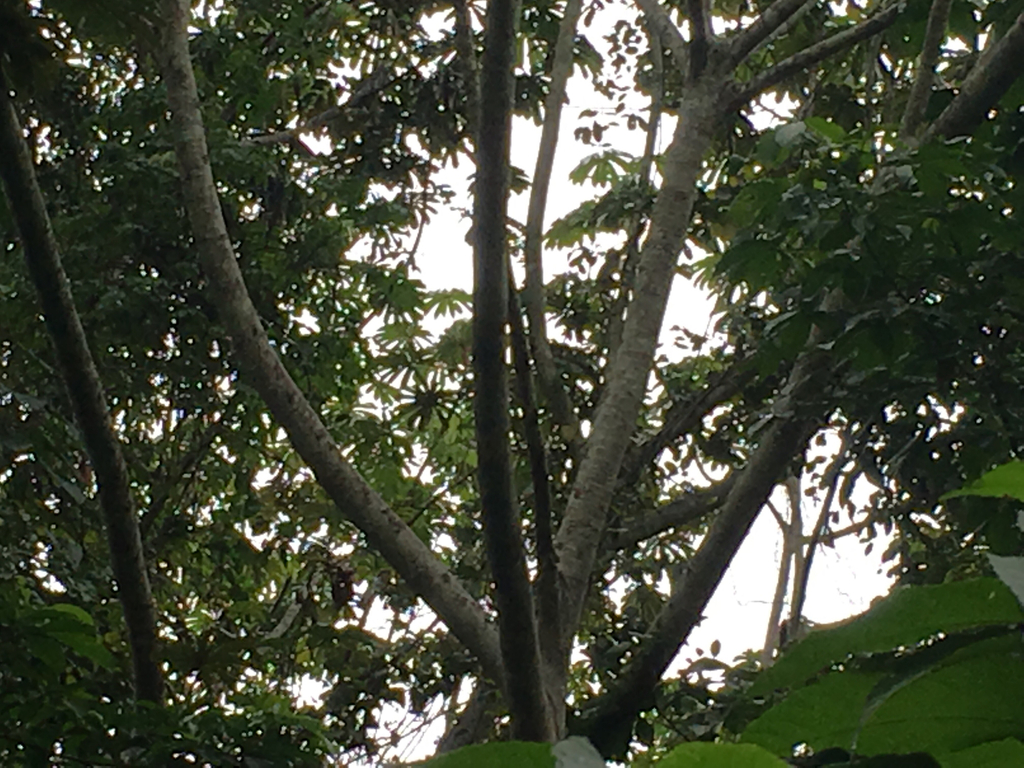
The Gabon talapoin (Miopithecus ogouensis), also known as the northern talapoin, is a small species of African monkey native to riparian habitats in Cameroon, Equatorial Guinea, Gabon, the western Republic of the Congo and the far…
- Kingdom
- Animalia
- Phylum
- Chordata
- Class
- Mammalia
- Order
- Primates
- Family
- Cercopithecidae
- Genus
- Miopithecus
- Species
- Miopithecus ogouensis
Description
The Gabon talapoin (Miopithecus ogouensis), also known as the northern talapoin, is a small species of African monkey native to riparian habitats in Cameroon, Equatorial Guinea, Gabon, the western Republic of the Congo and the far western Democratic Republic of Congo. It may have been introduced to Bioko and the Canary Islands. Classified in the genus Miopithecus, it was given the name Miopithecus ogouensis, based on the River Ogooué, distinguishing it from the other species, the Angolan talapoin, also known as Miopithecus talapoin. Gabon talapoins are large-headed monkeys with yellow-olive tinted coating and can be differentiated from the Angolan talapoin by its flesh-coloured ears (not blackish). They are always found near watercourses and can dive and swim away when disturbed. Males and females live together in mixed groups, but rarely interact with each other outside of mating season. Females tend to give birth annually during the rainy season, with mating season taking place during the dry season. Its diet constitute of mostly foraged fruits, seeds, leaves and insects, and crops raided from cultivated plantations. The Gabon talapoins are dependent on thick coverings to protect them from predation due to their small size, but their elusiveness have also made it difficult to observe their behaviors in the wild. The Gabon talapoin is considered as Near Threatened on the IUCN Red List of Threatened Species. Assessed in 2017, its overall population trend is decreasing, with a continuing decline of mature individuals. Conservation efforts have been made to preserve its habitat and control trade on an international level.
Gallery
Ajouter des photos
Partagez vos photos de cette espèce (jusqu'à 20 à la fois) : elles sont vérifiées automatiquement, puis publiées.
Répartition
Occurrences observées (données GBIF). Les zones hors aire d'origine peuvent indiquer une présence introduite ou invasive.
Sources et crédits
Informations provenant de plusieurs sources vérifiées. Dernière mise à jour : .
Crédits photos (8)
- Photo : @congonaturalist · CC BY-NC 4.0 · via iNaturalist
- Photo : Tony King (@tonyking) · CC BY 4.0 · via iNaturalist
- Photo : Phoebe Shubin (@pshubin) · CC BY-NC 4.0 · via iNaturalist
- Photo : Johannes Marchand (@lanceolatus) · CC BY-NC 4.0 · via iNaturalist
- Photo : Paulo Paixão (@paulopaixao) · CC BY-NC 4.0 · via iNaturalist
- Photo : @bureaubenjamin · CC BY-NC 4.0 · via iNaturalist
- Photo : Royle Safaris (@roylesafaris) · CC BY-NC 4.0 · via iNaturalist
- Photo : @rhegmatorhina · CC BY-NC 4.0 · via iNaturalist
Mentions de licence
Texte disponible sous licence CC BY-SA 4.0. Il adapte notamment Miopithecus ogouensis, Wikipedia (CC BY-SA) : Gabon talapoin (Wikipédia, auteurs dans l’historique de l’article).
- Taxonomie : GBIF Backbone Taxonomy (CC BY 4.0)
- Carte : occurrences GBIF, fond © contributeurs OpenStreetMap (ODbL)
- Statut de conservation : Liste rouge de l'UICN, via Wikidata (CC0)
Détail : Sources et licences.
Discussion (0)
Aucun message pour l’instant. Lancez la discussion sur cette fiche (sources, précisions, débats éditoriaux).
Connectez-vous pour participer à la discussion.