
Iberian lynx
Lynx pardinus
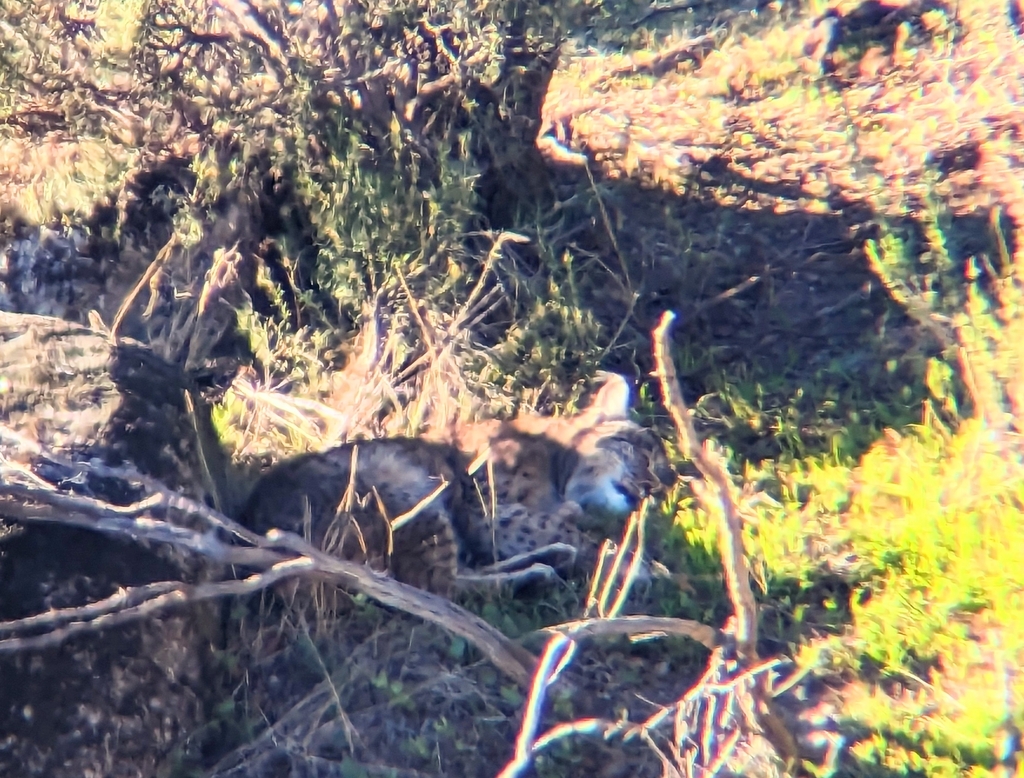
The Iberian lynx (Lynx pardinus) is one of four extant species of Lynx, a genus of medium-sized wild cats.
- Kingdom
- Animalia
- Phylum
- Chordata
- Class
- Mammalia
- Order
- Carnivora
- Family
- Felidae
- Genus
- Lynx
- Species
- Lynx pardinus
Description
The Iberian lynx (Lynx pardinus) is one of four extant species of Lynx, a genus of medium-sized wild cats. It is endemic to the Iberian Peninsula. Fossils suggest that it has been present in Iberia since the end of the Early Pleistocene around 1 million years ago. It is a monotypic species and is thought to have evolved from Lynx issiodorensis. The Iberian lynx population declined in the 20th century primarily due to overhunting, poaching, fragmentation of suitable habitats, and the population decline of its main prey species, such as the European rabbit (Oryctolagus cuniculus), caused by myxomatosis and rabbit haemorrhagic disease. By the turn of the 21st century, the Iberian lynx was on the verge of extinction, as only 94 individuals survived in two isolated subpopulations in Andalusia in 2002. Since then, conservation measures have been implemented, which included improving habitat, restocking of rabbits, translocating, reintroducing, and monitoring Iberian lynxes. Between 2012 and 2024, the population had increased from a low of 326 individuals to some 2,021, leading to its reclassification as vulnerable on the IUCN Red List.
Gallery
Ajouter des photos
Partagez vos photos de cette espèce (jusqu'à 20 à la fois) : elles sont vérifiées automatiquement, puis publiées.
Répartition
Occurrences observées (données GBIF). Les zones hors aire d'origine peuvent indiquer une présence introduite ou invasive.
Sources et crédits
Informations provenant de plusieurs sources vérifiées. Dernière mise à jour : .
Crédits photos (5)
- Photo : Gary Meaney (@gary290) · CC BY-NC 4.0 · via iNaturalist
- Photo : David Díaz (@daviles) · CC BY-NC 4.0 · via iNaturalist
- Photo : Royle Safaris (@roylesafaris) · CC BY-NC 4.0 · via iNaturalist
- Photo : @naturgrama · CC BY-NC 4.0 · via iNaturalist
- Photo : @naturpel · CC BY-NC 4.0 · via iNaturalist
Mentions de licence
Texte disponible sous licence CC BY-SA 4.0. Il adapte notamment Wikipedia (CC BY-SA) : Iberian lynx (Wikipédia, auteurs dans l’historique de l’article).
- Taxonomie : GBIF Backbone Taxonomy (CC BY 4.0)
- Carte : occurrences GBIF, fond © contributeurs OpenStreetMap (ODbL)
- Statut de conservation : Liste rouge de l'UICN, via Wikidata (CC0)
Détail : Sources et licences.
Discussion (0)
Aucun message pour l’instant. Lancez la discussion sur cette fiche (sources, précisions, débats éditoriaux).
Connectez-vous pour participer à la discussion.