
Giant otter
Pteronura brasiliensis
The giant otter or giant river otter (Pteronura brasiliensis) is a South American carnivorous mammal.
- Kingdom
- Animalia
- Phylum
- Chordata
- Class
- Mammalia
- Order
- Carnivora
- Family
- Mustelidae
- Genus
- Pteronura
- Species
- Pteronura brasiliensis
Description
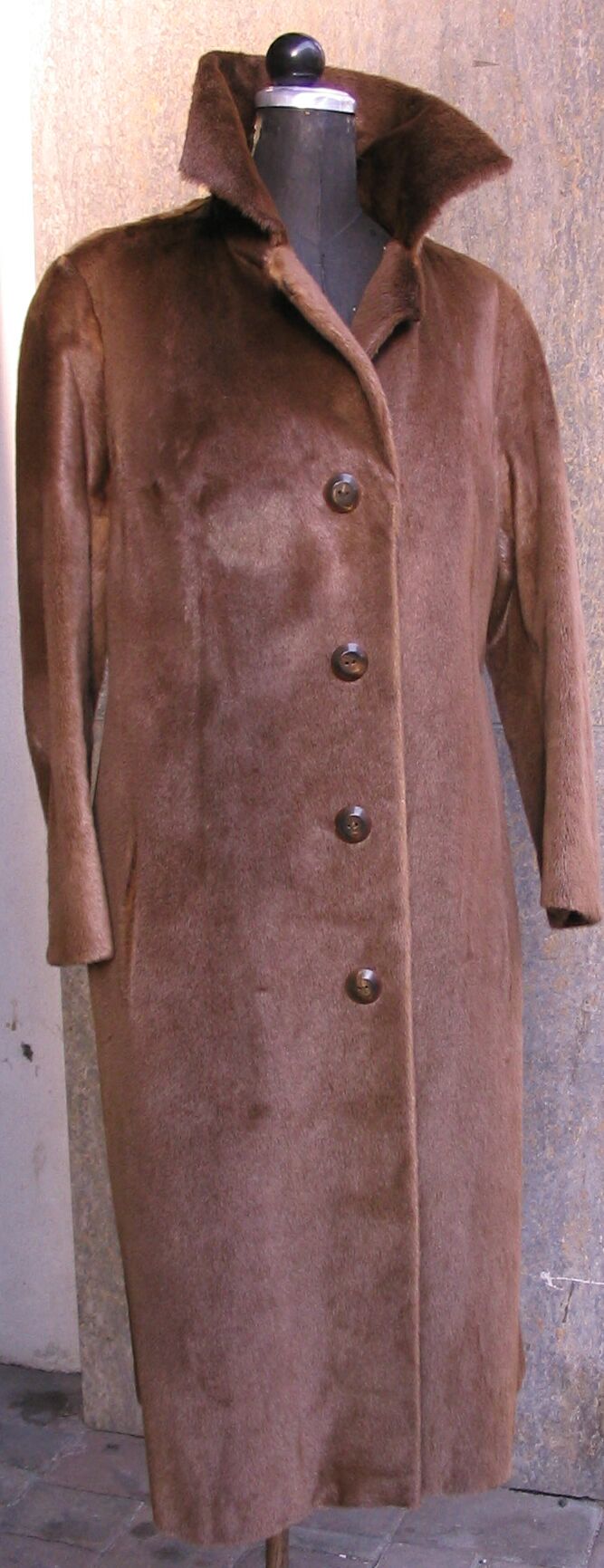
The giant otter or giant river otter (Pteronura brasiliensis) is a South American carnivorous mammal. It is the longest member of the weasel family, Mustelidae, reaching up to 1.8 m (5 ft 11 in). Atypical of mustelids, the giant otter is a social species, with family groups typically supporting three to eight members. The groups are centered on a dominant breeding pair and are extremely cohesive and cooperative. Although generally peaceful, the species is territorial, and aggression has been observed between groups. The giant otter is diurnal, being active exclusively during daylight hours. It is the noisiest otter species, and distinct vocalizations have been documented that indicate alarm, aggression, and reassurance. The giant otter ranges across north-central South America; it lives mostly in and along the Amazon River and in the Pantanal. Its distribution has been greatly reduced and is now discontinuous. Decades of poaching for its velvety pelt, peaking in the 1950s and 1960s, considerably diminished population numbers. The species was listed as endangered in 1999 and wild population estimates are typically below 5,000. The Guianas are one of the last real strongholds for the species, which also enjoys modest numbers – and significant protection – in the Peruvian Amazonian basin. It is one of the most endangered mammal species in the Neotropics. Habitat degradation and loss is the greatest current threat. They are also rare in captivity; in 2003, only 60 giant otters were being held. The giant otter shows a variety of adaptations suitable to an amphibious lifestyle, including exceptionally dense fur, a wing-like tail, and webbed feet. The species prefers freshwater rivers and streams, which are usually seasonally flooded, and may also take to freshwater lakes and springs. It constructs extensive campsites close to feeding areas, clearing large amounts of vegetation. The giant otter subsists almost exclusively on a diet of fish, particularly characins and catfish, but may also eat crabs, turtles, snakes and small caimans. It has no serious natural predators other than humans, although it must compete with other predators, such as the Neotropical otters and various crocodilian species, for food resources.
Gallery
Ajouter des photos
Partagez vos photos de cette espèce (jusqu'à 20 à la fois) : elles sont vérifiées automatiquement, puis publiées.
Répartition
Occurrences observées (données GBIF). Les zones hors aire d'origine peuvent indiquer une présence introduite ou invasive.
Sources et crédits
Informations provenant de plusieurs sources vérifiées. Dernière mise à jour : .
Crédits photos (6)
- Photo : Klaus-Peter Kuhn · Domaine public
- Photo : David (@porcoespinho15) · CC BY-NC 4.0 · via iNaturalist
- Photo : @matthewlh · CC BY-NC 4.0 · via iNaturalist
- Photo : Galo Zapata Ríos (@galozapatarios) · CC BY-NC 4.0 · via iNaturalist
- Photo : Ian Cruickshank (@iancruickshank) · CC BY-NC 4.0 · via iNaturalist
- Photo : Joshua Rapp Learn (@vagabondreports) · CC BY-NC 4.0 · via iNaturalist
Mentions de licence
Texte disponible sous licence CC BY-SA 4.0. Il adapte notamment Wikipedia (CC BY-SA) : Giant otter (Wikipédia, auteurs dans l’historique de l’article).
- Taxonomie : GBIF Backbone Taxonomy (CC BY 4.0)
- Carte : occurrences GBIF, fond © contributeurs OpenStreetMap (ODbL)
Détail : Sources et licences.
Discussion (0)
Aucun message pour l’instant. Lancez la discussion sur cette fiche (sources, précisions, débats éditoriaux).
Connectez-vous pour participer à la discussion.