
Brown Hare
Lepus europaeus
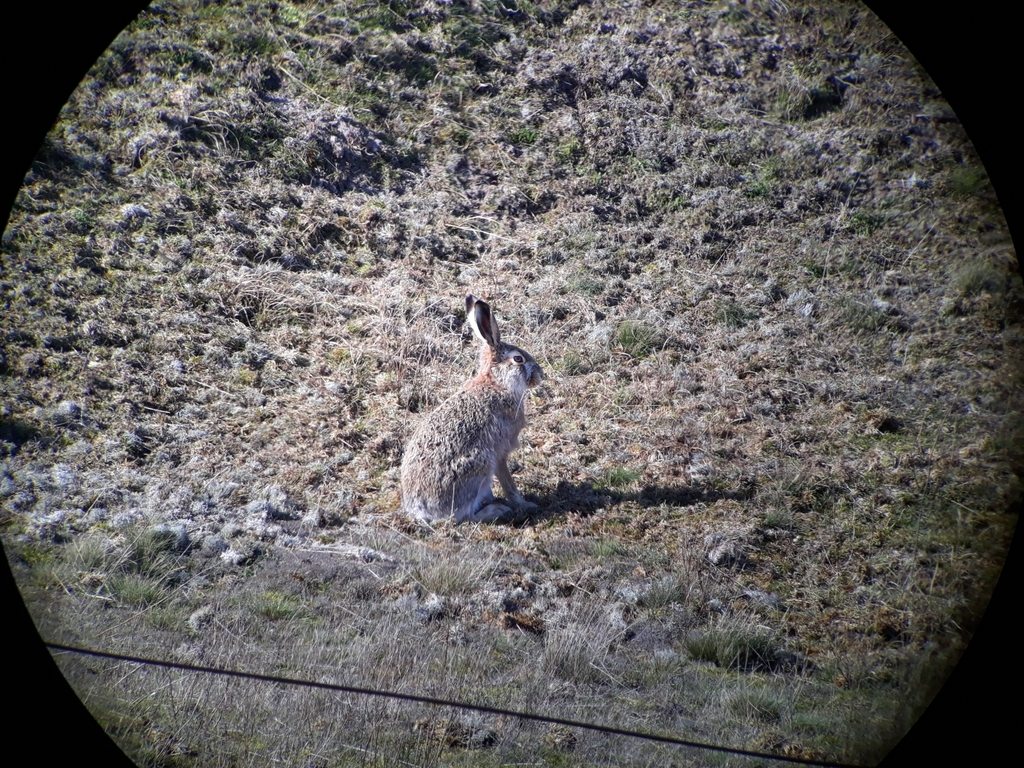
The European hare (Lepus europaeus), also known as the brown hare, is a species of hare native to Europe and parts of Asia.
- Kingdom
- Animalia
- Phylum
- Chordata
- Class
- Mammalia
- Order
- Lagomorpha
- Family
- Leporidae
- Genus
- Lepus
- Species
- Lepus europaeus
Description
The European hare (Lepus europaeus), also known as the brown hare, is a species of hare native to Europe and parts of Asia. It is among the largest hare species and is adapted to temperate, open country. Hares are herbivorous and feed mainly on grasses and herbs, supplementing these with twigs, buds, bark and field crops, particularly in winter. Their natural predators include red foxes and large birds of prey. They rely on high-speed endurance running to escape predation, having long, powerful limbs and large nostrils. Generally nocturnal and shy in nature, hares change their behaviour in the spring, when they can be seen in broad daylight chasing one another around in fields. During this spring frenzy they sometimes strike one another with their paws ("boxing"). This is not just competition between males: females may also hit males, either to show they are not ready to mate or to test the males' determination. The female nests in a depression on the surface of the ground known as a form rather than in a burrow, and the young are active as soon as they are born. Litters may consist of three or four young and a female can bear three litters a year, with hares living for up to twelve years. The breeding season lasts from January to August. The European hare is listed as being of least concern by the International Union for Conservation of Nature because it has a wide range and is moderately abundant. However populations have been declining in mainland Europe since the 1960s, at least partly due to changes in farming practices. The hare has been hunted across Europe for centuries, with more than five million being shot each year; in Britain it has traditionally been hunted by beagling and hare coursing, but these field sports are now illegal (though illegal hare-coursing continues). The hare is a traditional symbol of fertility and reproduction in some cultures and its courtship behaviour in the spring inspired the English idiom mad as a March hare. Female hares are known as does, while juveniles are leverets.
Gallery
Ajouter des photos
Partagez vos photos de cette espèce (jusqu'à 20 à la fois) : elles sont vérifiées automatiquement, puis publiées.
Répartition
Occurrences observées (données GBIF). Les zones hors aire d'origine peuvent indiquer une présence introduite ou invasive.
Sources et crédits
Informations provenant de plusieurs sources vérifiées. Dernière mise à jour : .
Crédits photos (5)
- Photo : Quirin (@sphenodon) · CC BY-NC 4.0 · via iNaturalist
- Photo : Kurt Nadler (@nadler) · CC BY-NC 4.0 · via iNaturalist
- Photo : Mia Lisa Huolman (@mialisah) · CC BY-NC 4.0 · via iNaturalist
- Photo : Kutushev Radik (@radik_kutushev) · CC BY-NC 4.0 · via iNaturalist
- Photo : Fabian A. Boetzl (@fboetzl) · CC BY-NC 4.0 · via iNaturalist
Mentions de licence
Texte disponible sous licence CC BY-SA 4.0. Il adapte notamment Wikipedia (CC BY-SA) : European hare (Wikipédia, auteurs dans l’historique de l’article).
- Taxonomie : GBIF Backbone Taxonomy (CC BY 4.0)
- Carte : occurrences GBIF, fond © contributeurs OpenStreetMap (ODbL)
- Statut de conservation : Liste rouge de l'UICN, via Wikidata (CC0)
Détail : Sources et licences.
Discussion (0)
Aucun message pour l’instant. Lancez la discussion sur cette fiche (sources, précisions, débats éditoriaux).
Connectez-vous pour participer à la discussion.