
Burmese Hare
Lepus peguensis
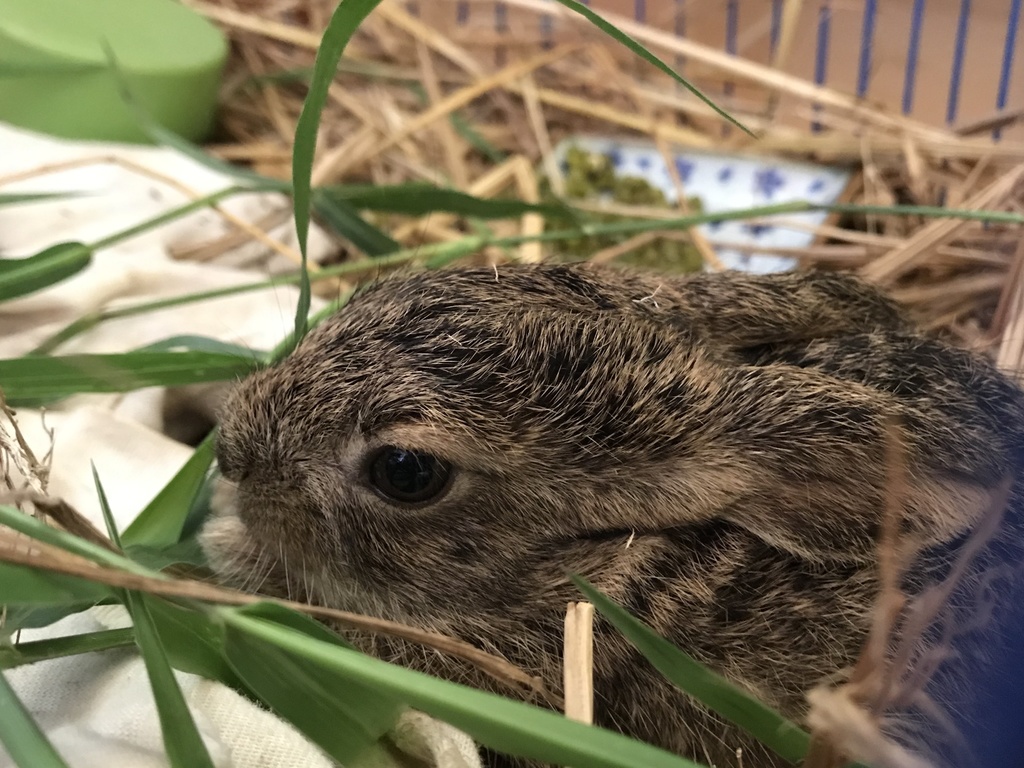
The Burmese hare (Lepus peguensis), also known as the Siamese hare, is a species of medium-sized hare found in Cambodia, Laos, Myanmar, Thailand, and Vietnam.
- Kingdom
- Animalia
- Phylum
- Chordata
- Class
- Mammalia
- Order
- Lagomorpha
- Family
- Leporidae
- Genus
- Lepus
- Species
- Lepus peguensis
Description
The Burmese hare (Lepus peguensis), also known as the Siamese hare, is a species of medium-sized hare found in Cambodia, Laos, Myanmar, Thailand, and Vietnam. It is typically found in forest clearings, croplands, wastelands, and sandy areas along coasts and rivers. Some populations have been found in the mountains of Thailand, though it is more often found at lower elevations below 800 metres (2,600 feet). The Burmese hare's closest relative is the Hainan hare, though it is more similar in appearance to the Indian hare. The Burmese hare is identifiable by its reddish-grey body and white underbody fur. It is distinguished from the similar-looking Indian hare by its tail, which is black on top. It is most active during the night and at twilight, and is herbivorous, feeding upon grass, twigs, and bark, and is territorial. It reproduces several times a year, with each litter yielding one to seven young; the hares live up to six years on average. Though hunting and expanding rice farming threaten Burmese hare populations, the species is generally common throughout its wide distribution. Some populations are thought to be increasing in size due to logging operations creating favourable hare habitats. The International Union for Conservation of Nature considers it to be a least-concern species.
Gallery
Ajouter des photos
Partagez vos photos de cette espèce (jusqu'à 20 à la fois) : elles sont vérifiées automatiquement, puis publiées.
Répartition
Occurrences observées (données GBIF). Les zones hors aire d'origine peuvent indiquer une présence introduite ou invasive.
Sources et crédits
Informations provenant de plusieurs sources vérifiées. Dernière mise à jour : .
Crédits photos (8)
- Photo : Rodrigo Barba Quiles (@robarbaqui) · CC BY-NC 4.0 · via iNaturalist
- Photo : Utain Pummarin (@utain) · CC BY 4.0 · via iNaturalist
- Photo : Niran Anurakpongsathorn (@niran_anurakpongsathorn) · CC BY-NC 4.0 · via iNaturalist
- Photo : Ian Dugdale (@ian_dugdale) · CC BY 4.0 · via iNaturalist
- Photo : Wich’yanan (Jay) Limparungpatthanakij (@plains-wanderer) · CC BY-NC 4.0 · via iNaturalist
- Photo : Jan Ebr & Ivana Ebrová (@opisska) · CC BY 4.0 · via iNaturalist
- Photo : @nixey · CC BY-NC 4.0 · via iNaturalist
- Photo : Phuwarin Suchartbunmak (@phuwarin) · CC BY-NC 4.0 · via iNaturalist
Mentions de licence
Texte disponible sous licence CC BY-SA 4.0. Il adapte notamment Lepus peguensis, Wikipedia (CC BY-SA) : Burmese hare (Wikipédia, auteurs dans l’historique de l’article).
- Taxonomie : GBIF Backbone Taxonomy (CC BY 4.0)
- Carte : occurrences GBIF, fond © contributeurs OpenStreetMap (ODbL)
- Statut de conservation : Liste rouge de l'UICN, via Wikidata (CC0)
Détail : Sources et licences.
Discussion (0)
Aucun message pour l’instant. Lancez la discussion sur cette fiche (sources, précisions, débats éditoriaux).
Connectez-vous pour participer à la discussion.