
Small-toothed sportive lemur
Lepilemur microdon
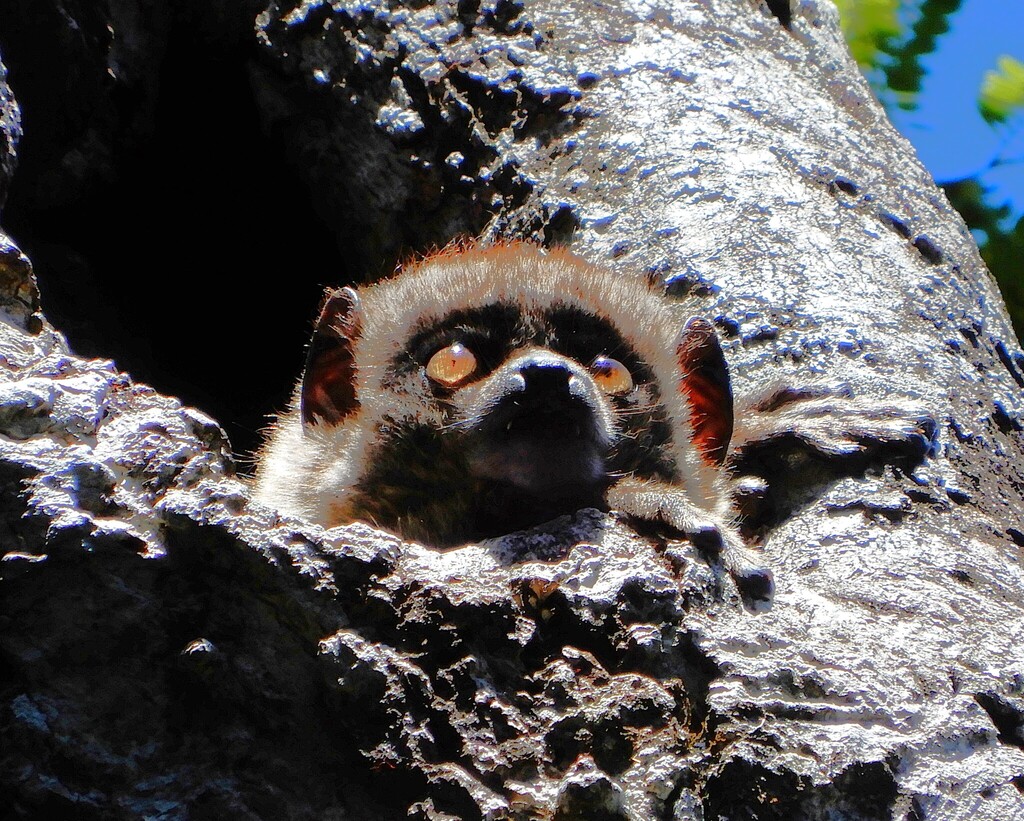
The small-toothed sportive lemur (Lepilemur microdon), or small-toothed weasel lemur, is a primate species in the family Lepilemuridae that-like all extant lemurs-is endemic to Madagascar.
- Kingdom
- Animalia
- Phylum
- Chordata
- Class
- Mammalia
- Order
- Primates
- Family
- Lepilemuridae
- Genus
- Lepilemur
- Species
- Lepilemur microdon
Description
The small-toothed sportive lemur (Lepilemur microdon), or small-toothed weasel lemur, is a primate species in the family Lepilemuridae that-like all extant lemurs-is endemic to Madagascar. The species lives in dense rainforest in southeastern Madagascar, and can be found in Ranomafana and Andringitra National Parks. Described in 1894, it was considered either a subspecies or taxonomic synonym of the weasel sportive lemur (Lepilemur mustelinus) throughout most of the 20th century. Phylogenetic studies not only support its species status, but also suggest that it is the only eastern Malagasy sportive lemur that is more closely related to western than to other eastern species. According to the original description, some of its teeth are smaller than those in other sportive lemurs. It is relatively large for a sportive lemur, and is difficult to visually distinguish from the weasel sportive lemur. The species weighs between 0.9 and 1.2 kg (2.0 and 2.6 lb) and measures 55 to 64 cm (22 to 25 in) from head to tail. Its fur is mostly reddish-brown or chestnut color, with a dark stripe running from its head down its back. Its underside and neck are lighter in color. Like other sportive lemurs, it is nocturnal, sleeping in concealed tangles of vegetation as well as tree holes. The small-toothed sportive lemur is solitary and eats leaves, fruits, and flowers. Due to recent taxonomic changes and a lack of clarity about its population size and range, it was listed as "data deficient" by the International Union for Conservation of Nature (IUCN) in 2008. This was changed to "endangered" in 2014, on the basis of a small, fragmented and shrinking range, as well as a declining population. It is also protected from international commercial trade under CITES Appendix I. Its primary threats are habitat loss to slash-and-burn agriculture and hunting.
Gallery
Ajouter des photos
Partagez vos photos de cette espèce (jusqu'à 20 à la fois) : elles sont vérifiées automatiquement, puis publiées.
Répartition
Occurrences observées (données GBIF). Les zones hors aire d'origine peuvent indiquer une présence introduite ou invasive.
Sources et crédits
Informations provenant de plusieurs sources vérifiées. Dernière mise à jour : .
Crédits photos (8)
- Photo : @sapayoa · CC BY-NC 4.0 · via iNaturalist
- Photo : Sarah Wyatt (@saw_it) · CC BY-NC 4.0 · via iNaturalist
- Photo : Marc Cronje (@marccronje) · CC BY-NC 4.0 · via iNaturalist
- Photo : David Hancock (@hardyhancock) · CC BY-NC 4.0 · via iNaturalist
- Photo : @asanoth · CC BY-NC 4.0 · via iNaturalist
- Photo : Luca Boscain (@lucaboscain) · CC BY-NC 4.0 · via iNaturalist
- Photo : Jess Hartley-Lowe (@lemur1033) · CC BY-NC 4.0 · via iNaturalist
- Photo : Darrell Parsons (@dpparsons) · CC BY-NC 4.0 · via iNaturalist
Mentions de licence
Texte disponible sous licence CC BY-SA 4.0. Il adapte notamment Lepilemur microdon, Wikipedia (CC BY-SA) : Small-toothed sportive lemur (Wikipédia, auteurs dans l’historique de l’article).
- Taxonomie : GBIF Backbone Taxonomy (CC BY 4.0)
- Carte : occurrences GBIF, fond © contributeurs OpenStreetMap (ODbL)
Détail : Sources et licences.
Discussion (0)
Aucun message pour l’instant. Lancez la discussion sur cette fiche (sources, précisions, débats éditoriaux).
Connectez-vous pour participer à la discussion.