
Austalian Water Rat
Hydromys chrysogaster
The rakali (Hydromys chrysogaster), also known as the rabe, the "Australian otter" or water-rat, is an Australian native rodent first scientifically described in 1804.
- Kingdom
- Animalia
- Phylum
- Chordata
- Class
- Mammalia
- Order
- Rodentia
- Family
- Muridae
- Genus
- Hydromys
- Species
- Hydromys chrysogaster
Description
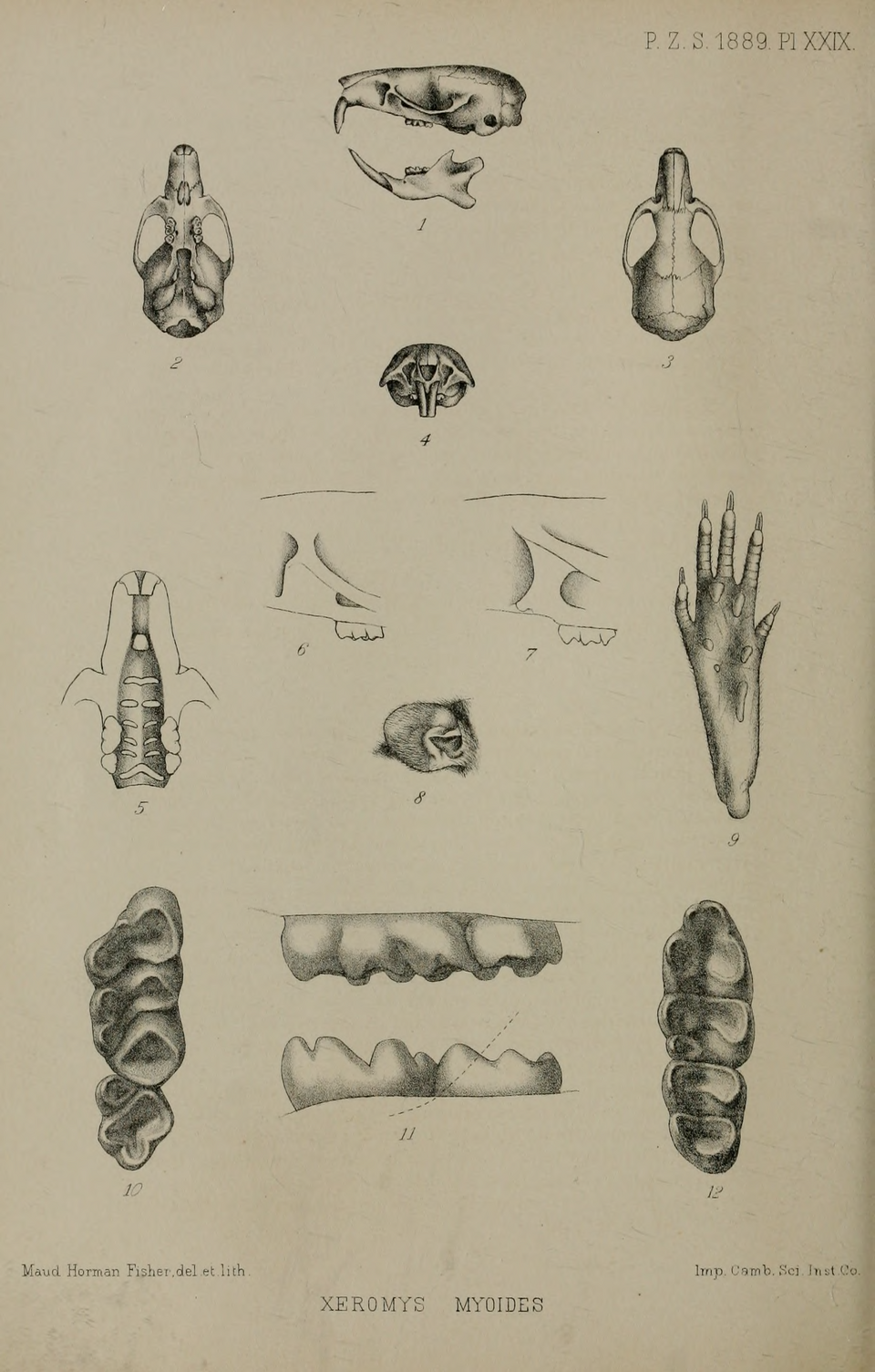
The rakali (Hydromys chrysogaster), also known as the rabe, the "Australian otter" or water-rat, is an Australian native rodent first scientifically described in 1804. Adoption of the Ngarrindjeri name rakali is intended to foster a positive public attitude by Environment Australia. One of four described species in the genus Hydromys, it is the only one with a range extending beyond New Guinea. Having adapted to and colonised a unique niche of a semiaquatic and nocturnal lifestyle, this species lives in burrows on the banks of rivers, lakes and estuaries and feeds on aquatic insects, fish, crustaceans, mussels, snails, frogs, cane toads, bird's eggs and small water birds. Rakali have a body length of 23–37 cm (9–15 in), weigh 340–1,275 g (12–45 oz), and have a thick tail measuring around 24–35 cm (9–14 in). Females are generally smaller than males but tail lengths are normally the same. They have partially webbed hind legs, waterproof fur, a flattened head, a long blunt nose, many whiskers and small ears and eyes. The body is streamlined with a skull that is large, flat and elongated, with two molars on the upper and lower jaw, similar to the water mouse. They are black to brown in colour with an orange to white belly, and dark tail with a white tip. Long considered a nuisance animal, rakali were hunted for their soft fur, particularly in the Depression of the 1930s, when a ban was placed on imported pelts such as the American muskrat. With their numbers under threat, a protection order was issued in 1938. However, they were still subject to destruction permits from 1938 to 1957 due to their effect on irrigation banks and alleged damage to fishing nets. Additionally, from 1957 to 1967 a number of licensed seasons were also held for this reason.
Gallery
Ajouter des photos
Partagez vos photos de cette espèce (jusqu'à 20 à la fois) : elles sont vérifiées automatiquement, puis publiées.
Répartition
Occurrences observées (données GBIF). Les zones hors aire d'origine peuvent indiquer une présence introduite ou invasive.
Sources et crédits
Informations provenant de plusieurs sources vérifiées. Dernière mise à jour : .
Crédits photos (6)
- Photo : Maud Horman-Fisher · Domaine public
- Photo : Sylvia Felicity Ann Haworth (@sylviafelicityannhaworth) · CC BY-NC 4.0 · via iNaturalist
- Photo : Mark Clarke (@hatwise) · CC BY-NC 4.0 · via iNaturalist
- Photo : Leo Di Vita Morris (@leito19) · CC BY-NC 4.0 · via iNaturalist
- Photo : David Cunningham (@davidcunninghamwildlife) · CC BY-NC 4.0 · via iNaturalist
- Photo : @patrickwhite57 · CC BY-NC 4.0 · via iNaturalist
Mentions de licence
Texte disponible sous licence CC BY-SA 4.0. Il adapte notamment Hydromys chrysogaster, Wikipedia (CC BY-SA) : Rakali (Wikipédia, auteurs dans l’historique de l’article).
- Taxonomie : GBIF Backbone Taxonomy (CC BY 4.0)
- Carte : occurrences GBIF, fond © contributeurs OpenStreetMap (ODbL)
- Statut de conservation : Liste rouge de l'UICN, via Wikidata (CC0)
Détail : Sources et licences.
Discussion (0)
Aucun message pour l’instant. Lancez la discussion sur cette fiche (sources, précisions, débats éditoriaux).
Connectez-vous pour participer à la discussion.