
Plains zebra
Equus quagga
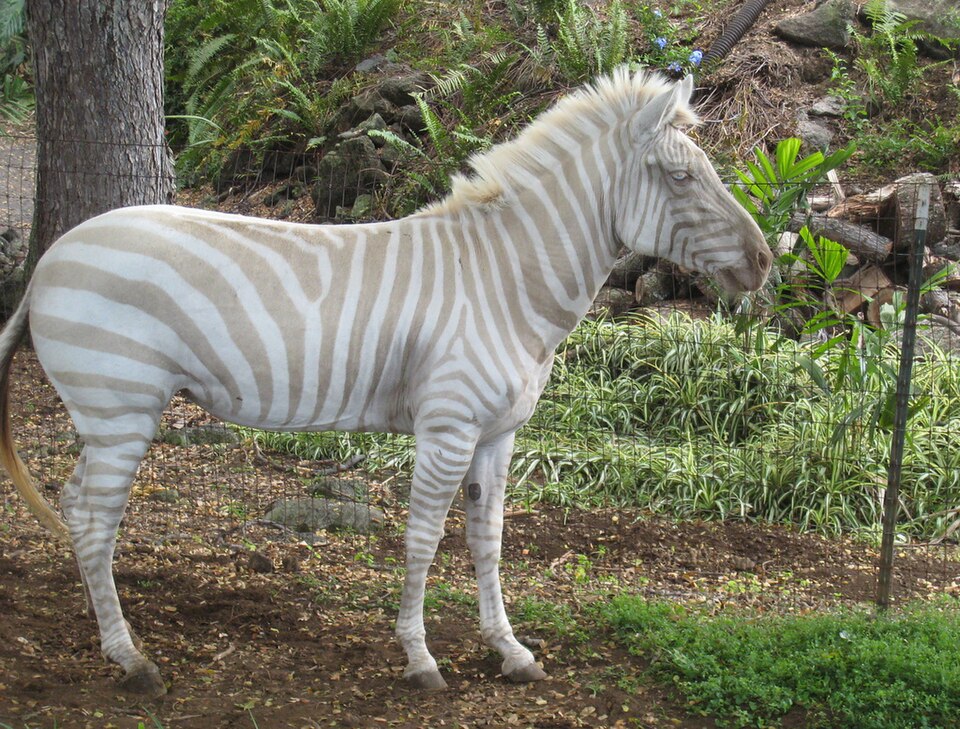
The plains zebra (Equus quagga, formerly Equus burchellii) is the most common and geographically widespread species of zebra.
- Kingdom
- Animalia
- Phylum
- Chordata
- Class
- Mammalia
- Order
- Perissodactyla
- Family
- Equidae
- Genus
- Equus
- Species
- Equus quagga
Description
The plains zebra (Equus quagga, formerly Equus burchellii) is the most common and geographically widespread species of zebra. Its range is fragmented, but spans much of southern and eastern Africa south of the Sahara. Six or seven subspecies have been recognised, including the quagga which was thought to be a separate species. More recent research supports variations in zebra populations being clines rather than subspecies. Plains zebras are intermediate in size between the larger Grévy's zebra and the smaller mountain zebra and tend to have broader stripes than both. Great variation in coat patterns exists between clines and individuals. The plains zebra's habitat is generally, but not exclusively, treeless grasslands and savanna woodlands, both tropical and temperate. They generally avoid desert, dense rainforest and permanent wetlands. Zebras are preyed upon by lions and spotted hyenas, Nile crocodiles and, to a lesser extent, leopards, cheetahs and African wild dogs. Plains zebras are a highly social species, forming harems with a single stallion, several mares and their recent offspring; bachelor groups also form. Groups may come together to form herds. The animals keep watch for predators; they bark or snort when they see a predator and the harem stallion attacks predators to defend his harem. The plains zebra remains common in game reserves, but is threatened by human activities, such as hunting for its meat and hide, as well as competition with livestock and encroachment by farming on much of its habitat. The loss of open grasslands due to woody plant encroachment increases predation risk and therewith habitat. Plains zebra are listed as near threatened by the IUCN as of 2016. The species population is stable and not endangered, though populations in most countries have declined sharply.
Gallery
Ajouter des photos
Partagez vos photos de cette espèce (jusqu'à 20 à la fois) : elles sont vérifiées automatiquement, puis publiées.
Répartition
Occurrences observées (données GBIF). Les zones hors aire d'origine peuvent indiquer une présence introduite ou invasive.
Sources et crédits
Informations provenant de plusieurs sources vérifiées. Dernière mise à jour : .
Crédits photos (6)
- Photo : John Schroedel · CC BY 2.0
- Photo : @luisalbertoroddom · CC BY-NC 4.0 · via iNaturalist
- Photo : Martyn Drabik-Hamshare (@martyndrabik) · CC0 (domaine public) · via iNaturalist
- Photo : Peter Archdale (@pma) · CC BY 4.0 · via iNaturalist
- Photo : Gigi Laidler (@gigilaidler) · CC BY-NC 4.0 · via iNaturalist
- Photo : Dr. Bob (@eclepticearth) · CC BY-NC 4.0 · via iNaturalist
Mentions de licence
Texte disponible sous licence CC BY-SA 4.0. Il adapte notamment Wikipedia (CC BY-SA) : Plains zebra (Wikipédia, auteurs dans l’historique de l’article).
- Taxonomie : GBIF Backbone Taxonomy (CC BY 4.0)
- Carte : occurrences GBIF, fond © contributeurs OpenStreetMap (ODbL)
- Statut de conservation : Liste rouge de l'UICN, via Wikidata (CC0)
Détail : Sources et licences.
Discussion (0)
Aucun message pour l’instant. Lancez la discussion sur cette fiche (sources, précisions, débats éditoriaux).
Connectez-vous pour participer à la discussion.