
New Zealand long-tailed bat
Chalinolobus tuberculatus
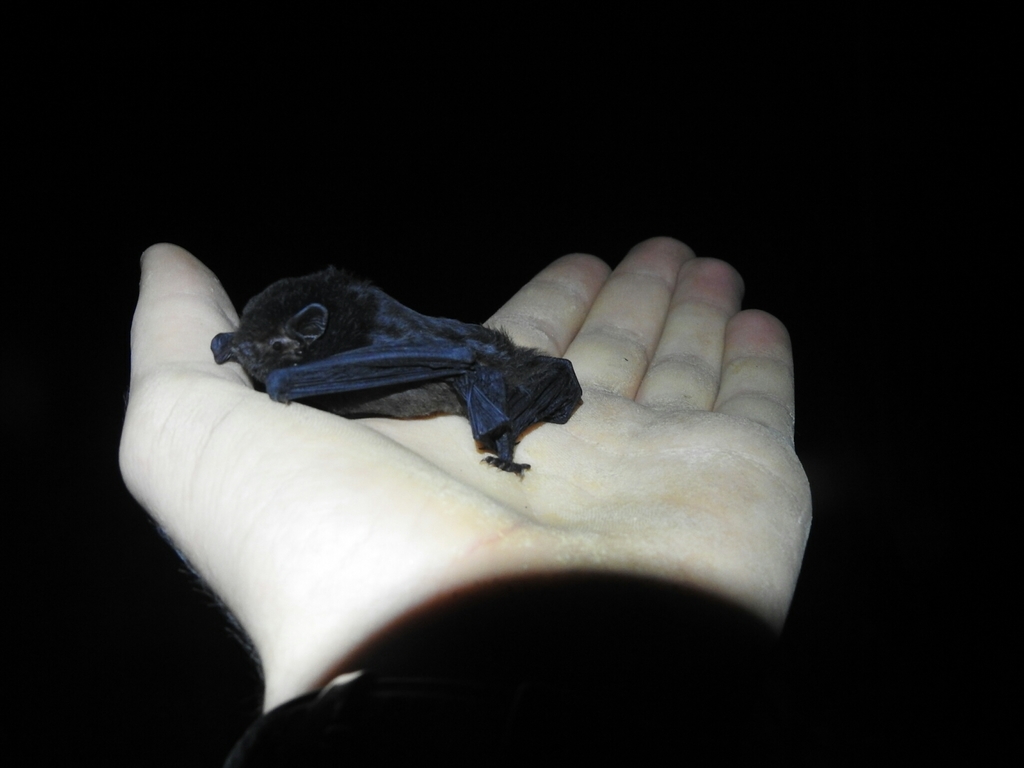
Chalinolobus tuberculatus, known more commonly as the New Zealand long-tailed bat, the long-tailed wattle bat or pekapeka tou-roa, is a small insectivorous mammal within the genus Chalinolobus.
- Kingdom
- Animalia
- Phylum
- Chordata
- Class
- Mammalia
- Order
- Chiroptera
- Family
- Vespertilionidae
- Genus
- Chalinolobus
- Species
- Chalinolobus tuberculatus
Description
Chalinolobus tuberculatus, known more commonly as the New Zealand long-tailed bat, the long-tailed wattle bat or pekapeka tou-roa, is a small insectivorous mammal within the genus Chalinolobus. The long-tailed bat is one of 7 species belonging to the genus Chalinolobus, which are commonly referred to as "wattled bats," "pied bats" and "long-tailed bats." The genus Chalinolobus is characterised by fleshy lobes located on their lower lips and at the bottom of their ears. Some zoologists claim there is overlap between the Chalinolobus genus and the Glauconycteris genus. The long-tailed bat is one of two extant and three total terrestrial mammals endemic to the islands of New Zealand. The other extant species being the New Zealand lesser short-tailed bat (Mystacina tuberculata). The long-tailed bat is closely related to 6 other species of wattled bats found in Australasia, namely Gould's wattled bat (Chalinolobus gouldi), the largest of the species belonging to the Chalinolobus genus. The long-tailed bat won the 2021 Bird of the Year competition in New Zealand, despite not being a bird.
Gallery
Ajouter des photos
Partagez vos photos de cette espèce (jusqu'à 20 à la fois) : elles sont vérifiées automatiquement, puis publiées.
Répartition
Occurrences observées (données GBIF). Les zones hors aire d'origine peuvent indiquer une présence introduite ou invasive.
Sources et crédits
Informations provenant de plusieurs sources vérifiées. Dernière mise à jour : .
Crédits photos (6)
- Photo : Joe Dillon (@joedillon) · CC BY 4.0 · via iNaturalist
- Photo : Dave Holland (@dave_holland) · CC BY-NC 4.0 · via iNaturalist
- Photo : Chris Chadwick (@chrisc) · CC BY-NC 4.0 · via iNaturalist
- Photo : @apburns · CC BY-NC 4.0 · via iNaturalist
- Photo : Portblakely_staff (@portblakely_staff) · CC BY-NC 4.0 · via iNaturalist
- Photo : Daniel (@danboyland) · CC BY 4.0 · via iNaturalist
Mentions de licence
Texte disponible sous licence CC BY-SA 4.0. Il adapte notamment Chalinolobus tuberculatus, Wikipedia (CC BY-SA) : New Zealand long-tailed bat (Wikipédia, auteurs dans l’historique de l’article).
- Taxonomie : GBIF Backbone Taxonomy (CC BY 4.0)
- Carte : occurrences GBIF, fond © contributeurs OpenStreetMap (ODbL)
- Statut de conservation : Liste rouge de l'UICN, via Wikidata (CC0)
Détail : Sources et licences.
Discussion (0)
Aucun message pour l’instant. Lancez la discussion sur cette fiche (sources, précisions, débats éditoriaux).
Connectez-vous pour participer à la discussion.