
Bonobo
Pan paniscus
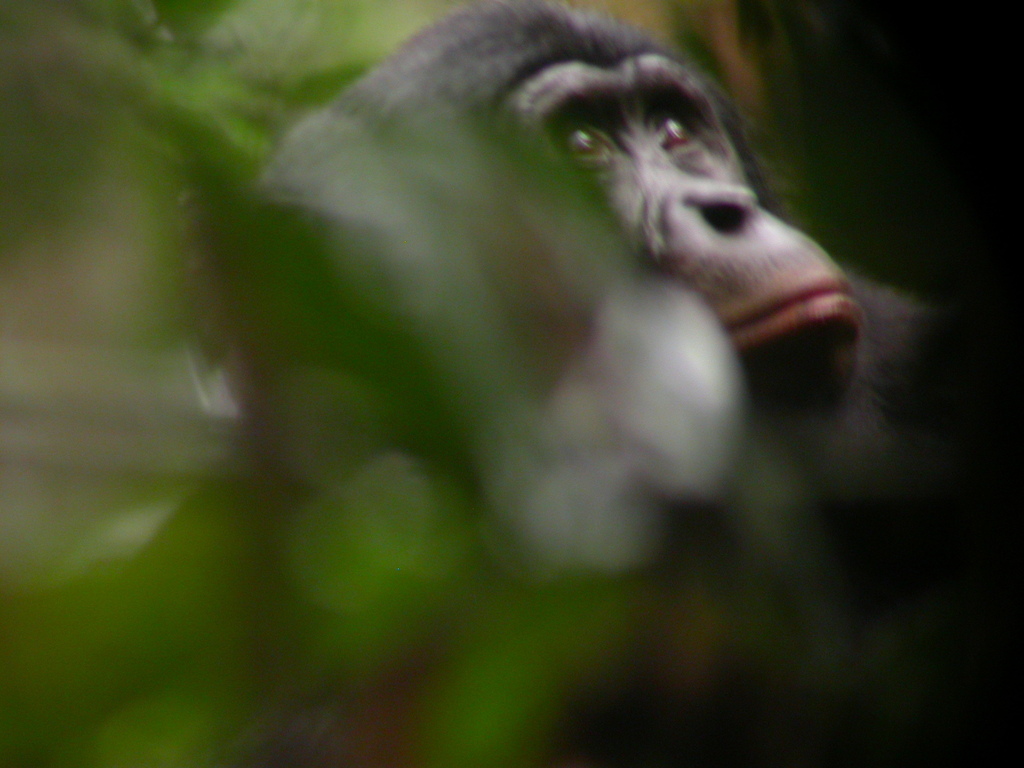
The bonobo (; Pan paniscus), also historically called the pygmy chimpanzee (less often the dwarf chimpanzee or gracile chimpanzee), is the smallest species of great ape and one of the two making up the genus Pan (the other being the…
- Kingdom
- Animalia
- Phylum
- Chordata
- Class
- Mammalia
- Order
- Primates
- Family
- Hominidae
- Genus
- Pan
- Species
- Pan paniscus
Description
The bonobo (; Pan paniscus), also historically called the pygmy chimpanzee (less often the dwarf chimpanzee or gracile chimpanzee), is the smallest species of great ape and one of the two making up the genus Pan (the other being the common chimpanzee, Pan troglodytes). While bonobos are today recognized as a distinct species, they were initially thought to be a subspecies of Pan troglodytes, because of the physical similarities between the two species. Taxonomically, members of the chimpanzee/bonobo subtribe Panina-composed entirely by the genus Pan-are collectively termed panins. Bonobos are distinguished from common chimpanzees by relatively long limbs, pinker lips, a darker face, a tail-tuft through adulthood, and longer, parted hair on their heads. Some individuals have sparser, thin hair over parts of their bodies. Bonobos typically live 40 years in captivity; their lifespan in the wild is unknown, but it is almost certainly much shorter. The bonobo is found in a 500,000 km2 (190,000 sq mi) area within the Congo Basin of the Democratic Republic of the Congo (DRC), Central Africa. It is predominantly frugivorous, compared to the often highly omnivorous diets and hunting of small monkeys, duiker and other antelope exhibited by common chimpanzees. Bonobos inhabit primary and secondary forest, including seasonally inundated swamp forest. Because of political instability in the region, and the general timidity of bonobos, there has been relatively little field work done observing the species in its natural habitat. Along with the common chimpanzee, the bonobo is the closest extant relative to humans. As the two species are not proficient swimmers, the natural formation of the Congo River (around 1.5–2 million years ago) possibly led to the isolation and speciation of the bonobo. Bonobos live south of the river, and thereby were separated from the ancestors of the common chimpanzee, which live north of the river. There are no concrete figures regarding population, but the estimate is between 29,500 and 50,000 individuals. The species is listed as Endangered on the IUCN Red List and is most threatened by habitat destruction, human population growth and movement (as well as ongoing civil unrest and political infighting), with commercial poaching being, by far, the most prominent threat.
Gallery
Ajouter des photos
Partagez vos photos de cette espèce (jusqu'à 20 à la fois) : elles sont vérifiées automatiquement, puis publiées.
Répartition
Occurrences observées (données GBIF). Les zones hors aire d'origine peuvent indiquer une présence introduite ou invasive.
Sources et crédits
Informations provenant de plusieurs sources vérifiées. Dernière mise à jour : .
Crédits photos (5)
- Photo : @guillaumeperon · CC BY-NC 4.0 · via iNaturalist
- Photo : Daniel Alempijevic (@dalempijevic1) · CC BY-NC 4.0 · via iNaturalist
- Photo : @koenbetjes · CC BY-NC 4.0 · via iNaturalist
- Photo : @seanbrogan · CC BY-NC 4.0 · via iNaturalist
- Photo : @patrickg65 · CC BY-NC 4.0 · via iNaturalist
Mentions de licence
Texte disponible sous licence CC BY-SA 4.0. Il adapte notamment Wikipedia (CC BY-SA) : Bonobo (Wikipédia, auteurs dans l’historique de l’article).
- Taxonomie : GBIF Backbone Taxonomy (CC BY 4.0)
- Carte : occurrences GBIF, fond © contributeurs OpenStreetMap (ODbL)
Détail : Sources et licences.
Discussion (0)
Aucun message pour l’instant. Lancez la discussion sur cette fiche (sources, précisions, débats éditoriaux).
Connectez-vous pour participer à la discussion.