
Glow-worm
Lampyris noctiluca
Lampyris noctiluca, the common glowworm of Europe (see also "glowworm"), is the type species of beetle in the genus Lampyris and the family Lampyridae.
- Kingdom
- Animalia
- Phylum
- Arthropoda
- Class
- Insecta
- Order
- Coleoptera
- Family
- Lampyridae
- Genus
- Lampyris
- Species
- Lampyris noctiluca
Description
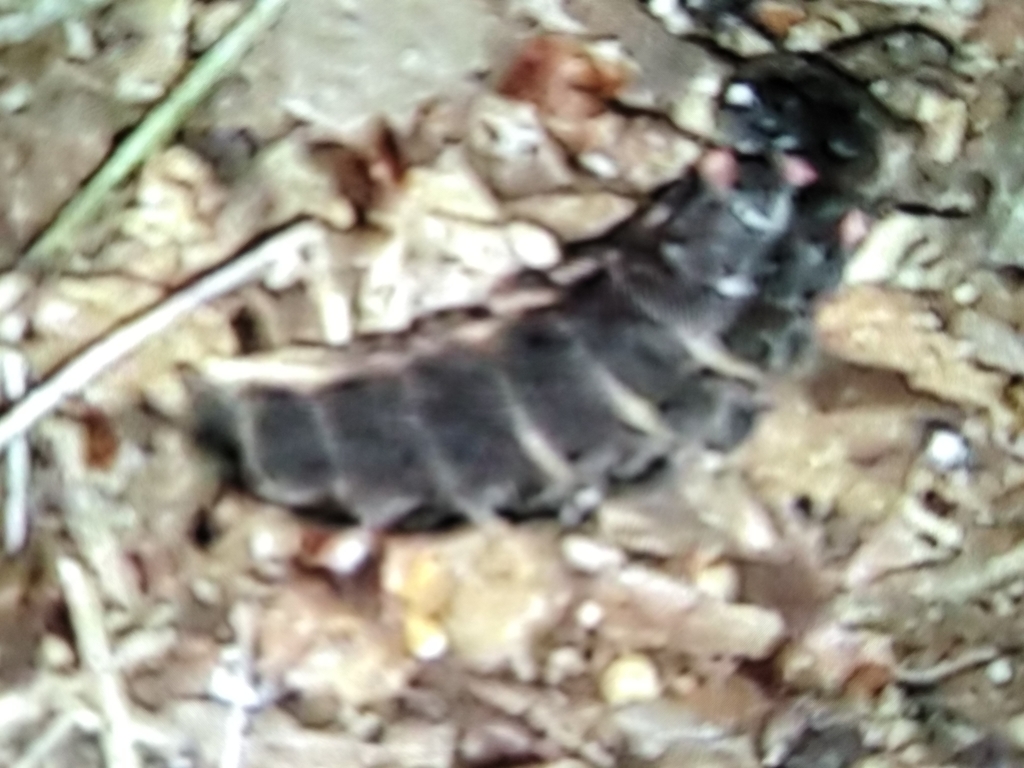
Lampyris noctiluca, the common glowworm of Europe (see also "glowworm"), is the type species of beetle in the genus Lampyris and the family Lampyridae. Lampyris noctiluca presents conspicuous sexual dimorphism. The males are winged, with brown elytra, a clearer pronotum and a large brown spot in the middle, while females are larviform, with no wings, and they are often twice the size of the males (up to 25 millimetres (1 in) in length). These beetles use their bioluminescence to attract mates. The adult females are mostly famed for their glow, although all stages of their life cycle are capable of glowing. In Britain, this species is fairly common, compared to its cousin Phosphaenus hemipterus-the lesser glow worm-which is very rare. The etymology of Lampyrus is from Greek for "shining ones"; the genus includes species known as fireflies or lightning bugs. Contrary to its name, it is not worm-like, but a beetle. These beetles are typically the most active at night and spend their day under debris, or in the ground. The larvae are also nocturnal and rarely seen, only coming out when the conditions are right in the months of April to October. The adult stage is much shorter than the larvae stage but they are much easier to spot then as they glow for a few hours and only stop glowing after mating.
Gallery
Ajouter des photos
Partagez vos photos de cette espèce (jusqu'à 20 à la fois) : elles sont vérifiées automatiquement, puis publiées.
Répartition
Occurrences observées (données GBIF). Les zones hors aire d'origine peuvent indiquer une présence introduite ou invasive.
Sources et crédits
Informations provenant de plusieurs sources vérifiées. Dernière mise à jour : .
Crédits photos (5)
- Photo : МАРИЯ (@mashazv) · CC BY-NC 4.0 · via iNaturalist
- Photo : @biokoenig · CC BY-NC 4.0 · via iNaturalist
- Photo : Настя Климова (@nastya_klimova) · CC BY-NC 4.0 · via iNaturalist
- Photo : Gerd Crocoll (@crocus51) · CC BY-NC 4.0 · via iNaturalist
- Photo : Tommy Andriollo (@tommy_andriollo) · CC BY 4.0 · via iNaturalist
Mentions de licence
Texte disponible sous licence CC BY-SA 4.0. Il adapte notamment Wikipedia (CC BY-SA) : Lampyris noctiluca (Wikipédia, auteurs dans l’historique de l’article).
- Taxonomie : GBIF Backbone Taxonomy (CC BY 4.0)
- Carte : occurrences GBIF, fond © contributeurs OpenStreetMap (ODbL)
Détail : Sources et licences.
Discussion (0)
Aucun message pour l’instant. Lancez la discussion sur cette fiche (sources, précisions, débats éditoriaux).
Connectez-vous pour participer à la discussion.