
Steatoda nobilis
Steatoda nobilis
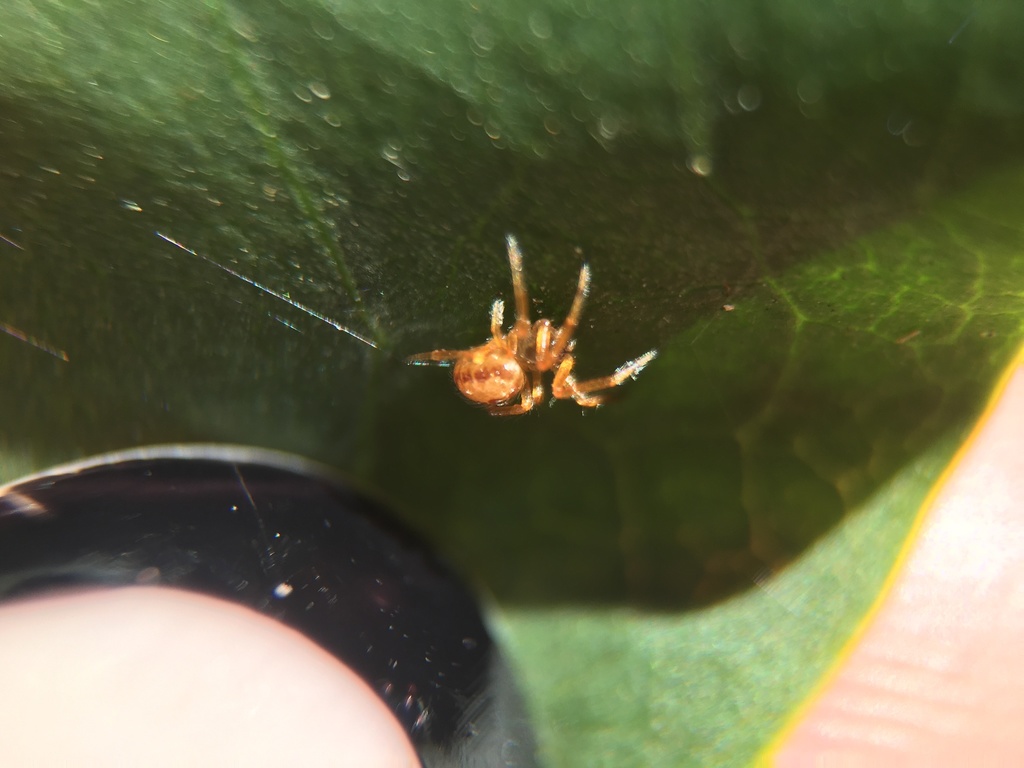
Steatoda nobilis is a spider in the genus Steatoda, known in the United Kingdom as the noble false widow, as it superficially resembles, and is frequently mistaken for, the black widow and other spiders in the genus Latrodectus.
- Kingdom
- Animalia
- Phylum
- Arthropoda
- Class
- Arachnida
- Order
- Araneae
- Family
- Theridiidae
- Genus
- Steatoda
- Species
- Steatoda nobilis
Description
Steatoda nobilis is a spider in the genus Steatoda, known in the United Kingdom as the noble false widow, as it superficially resembles, and is frequently mistaken for, the black widow and other spiders in the genus Latrodectus. It is often referred to as the false widow, although "false widow" is a more general term applied to a wider group of species with this resemblance.[a] It is a moderately medically significant spider, with most bites resulting in symptoms similar to a bee or wasp sting. Some bites may cause more significant harm, partly due to pathogenic bacteria from the spiders. S. nobilis is spotted all year round, both indoors and outdoors in a variety of habitats including cacti, roadside cuttings, and demolished buildings. The spiders prey on both invertebrates and small vertebrates using an "attack wrap" strategy where silk is wrapped around the victim. Steatoda nobilis is native to Madeira and the Canary Islands from where it is thought to have spread to Europe, and continued to spread to other parts of the world including the United States, Chile and Colombia. They are considered to be one of the world's most invasive species of spider.
Gallery
Ajouter des photos
Partagez vos photos de cette espèce (jusqu'à 20 à la fois) : elles sont vérifiées automatiquement, puis publiées.
Répartition
Occurrences observées (données GBIF). Les zones hors aire d'origine peuvent indiquer une présence introduite ou invasive.
Sources et crédits
Informations provenant de plusieurs sources vérifiées. Dernière mise à jour : .
Crédits photos (7)
- Photo : @kamedaphor · CC BY-NC 4.0 · via iNaturalist
- Photo : James Parham (@jamesparham) · CC BY-NC 4.0 · via iNaturalist
- Photo : Jiovanny Celis (@jiovanny) · CC BY-NC 4.0 · via iNaturalist
- Photo : @ys1 · CC BY-NC 4.0 · via iNaturalist
- Photo : Duncan Brooks (@duncan-brooks) · CC BY 4.0 · via iNaturalist
- Photo : @brendanboyd · CC BY 4.0 · via iNaturalist
- Photo : @lizzzzya · CC BY-NC 4.0 · via iNaturalist
Mentions de licence
Texte disponible sous licence CC BY-SA 4.0. Il adapte notamment Wikipedia (CC BY-SA) : Steatoda nobilis (Wikipédia, auteurs dans l’historique de l’article).
- Taxonomie : GBIF Backbone Taxonomy (CC BY 4.0)
- Carte : occurrences GBIF, fond © contributeurs OpenStreetMap (ODbL)
Détail : Sources et licences.
Discussion (0)
Aucun message pour l’instant. Lancez la discussion sur cette fiche (sources, précisions, débats éditoriaux).
Connectez-vous pour participer à la discussion.