
Common Reed Frog
Hyperolius viridiflavus
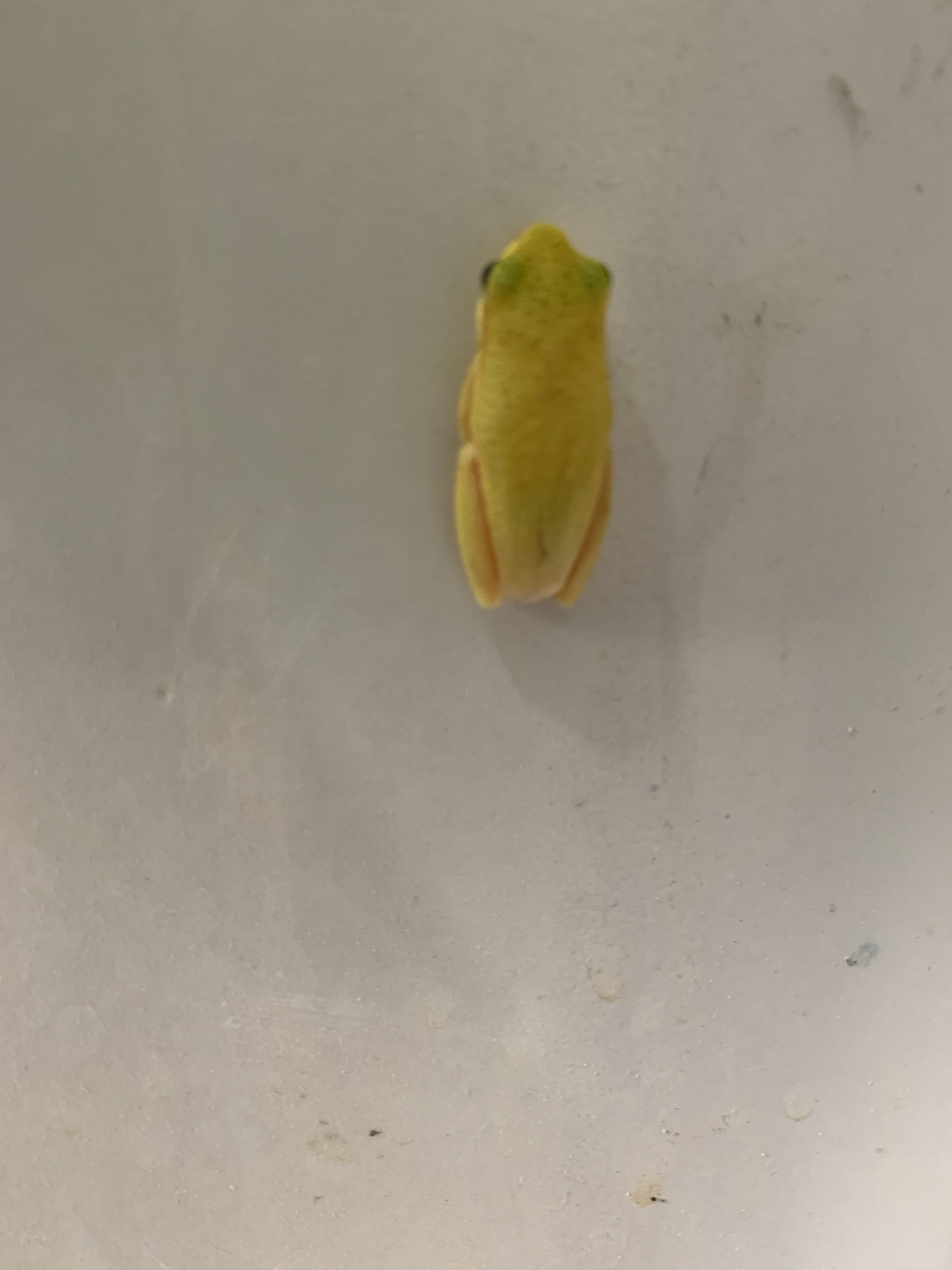
The common reed frog (Hyperolius viridiflavus) is a species of tree frogs in the family Hyperoliidae found in Burundi, the Democratic Republic of the Congo, Ethiopia, Kenya, Rwanda, Sudan, Tanzania, and Uganda, and possibly the Central…
- Kingdom
- Animalia
- Phylum
- Chordata
- Class
- Amphibia
- Order
- Anura
- Family
- Hyperoliidae
- Genus
- Hyperolius
- Species
- Hyperolius viridiflavus
Description
The common reed frog (Hyperolius viridiflavus) is a species of tree frogs in the family Hyperoliidae found in Burundi, the Democratic Republic of the Congo, Ethiopia, Kenya, Rwanda, Sudan, Tanzania, and Uganda, and possibly the Central African Republic, Chad, and Eritrea. Its natural habitats are subtropical or tropical dry forest, subtropical or tropical moist lowland forest, subtropical or tropical moist montane forest, dry savanna, moist savanna, subtropical or tropical dry shrubland, subtropical or tropical moist shrubland, subtropical or tropical seasonally wet or flooded lowland grassland, subtropical or tropical high-altitude grassland, rivers, swamps, freshwater lakes, intermittent freshwater lakes, freshwater marshes, intermittent freshwater marshes, freshwater springs, arable land, pastureland, rural gardens, urban areas, heavily degraded former forests, water storage areas, ponds, irrigated land, seasonally flooded agricultural land, and canals and ditches. The common reed frog is particularly thrifty at rationing out its moisture to maintain long, dry periods during the extended dry seasons in West Africa. It does so by a combination of anuria and increasing its ability to intake water. Fluids contained in its bladder can be used when water becomes unavailable, and the increase in uptake allows it to replenish its stores quickly when the weather allows. Some evidence suggests that west African frogs may change sex from female to male after having successfully bred. Animals that switch sex as adults are known as sequential hermaphrodites because they have the gonads of either sex but at different periods of their lives. This contrasts with animals which are "simultaneous hermaphrodites" which have both gonads at the same point. However, this sequential hermaphroditism in reed frogs has only been noted once and in a captive colony.
Gallery
Ajouter des photos
Partagez vos photos de cette espèce (jusqu'à 20 à la fois) : elles sont vérifiées automatiquement, puis publiées.
Répartition
Occurrences observées (données GBIF). Les zones hors aire d'origine peuvent indiquer une présence introduite ou invasive.
Sources et crédits
Informations provenant de plusieurs sources vérifiées. Dernière mise à jour : .
Crédits photos (6)
- Photo : Stephen Mayowa Ezekiel · CC BY-NC 4.0 · via GBIF
- Photo : @turnercichlid · CC BY-NC 4.0 · via iNaturalist
- Photo : Mahomed Desai (@m_d) · CC BY 4.0 · via iNaturalist
- Photo : Tom Kirschey (@tom-kirschey) · CC BY-NC 4.0 · via iNaturalist
- Photo : @chemp · CC BY-NC 4.0 · via iNaturalist
- Photo : Chris Lima (@takeahike) · CC BY-NC 4.0 · via iNaturalist
Mentions de licence
Texte disponible sous licence CC BY-SA 4.0. Il adapte notamment Wikipedia (CC BY-SA) : Common reed frog (Wikipédia, auteurs dans l’historique de l’article).
- Taxonomie : GBIF Backbone Taxonomy (CC BY 4.0)
- Carte : occurrences GBIF, fond © contributeurs OpenStreetMap (ODbL)
- Statut de conservation : Liste rouge de l'UICN, via Wikidata (CC0)
Détail : Sources et licences.
Discussion (0)
Aucun message pour l’instant. Lancez la discussion sur cette fiche (sources, précisions, débats éditoriaux).
Connectez-vous pour participer à la discussion.